Dongguan Hongyi Electric Products Co., Ltd.



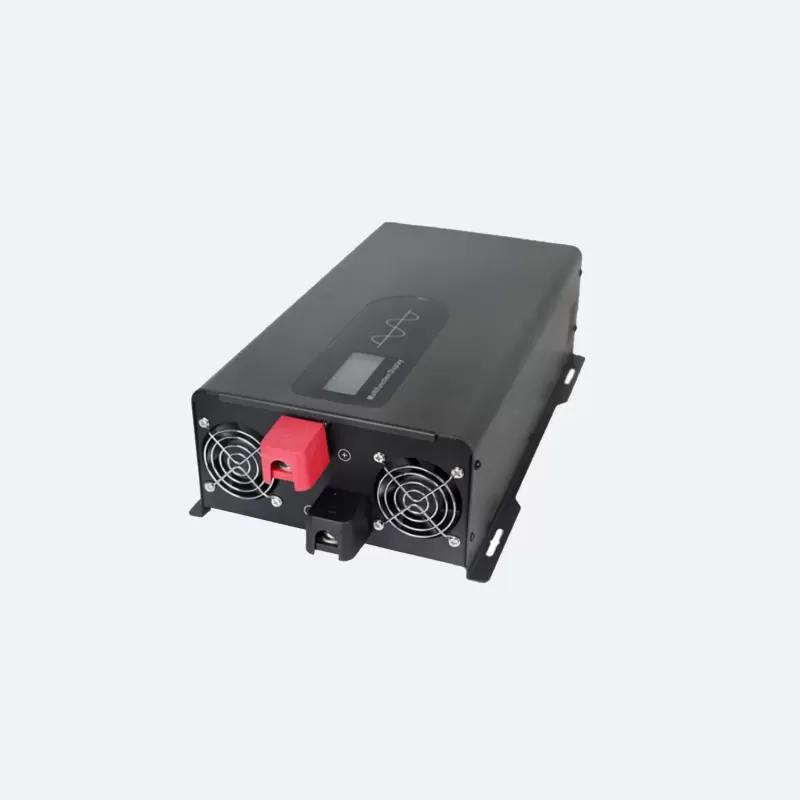
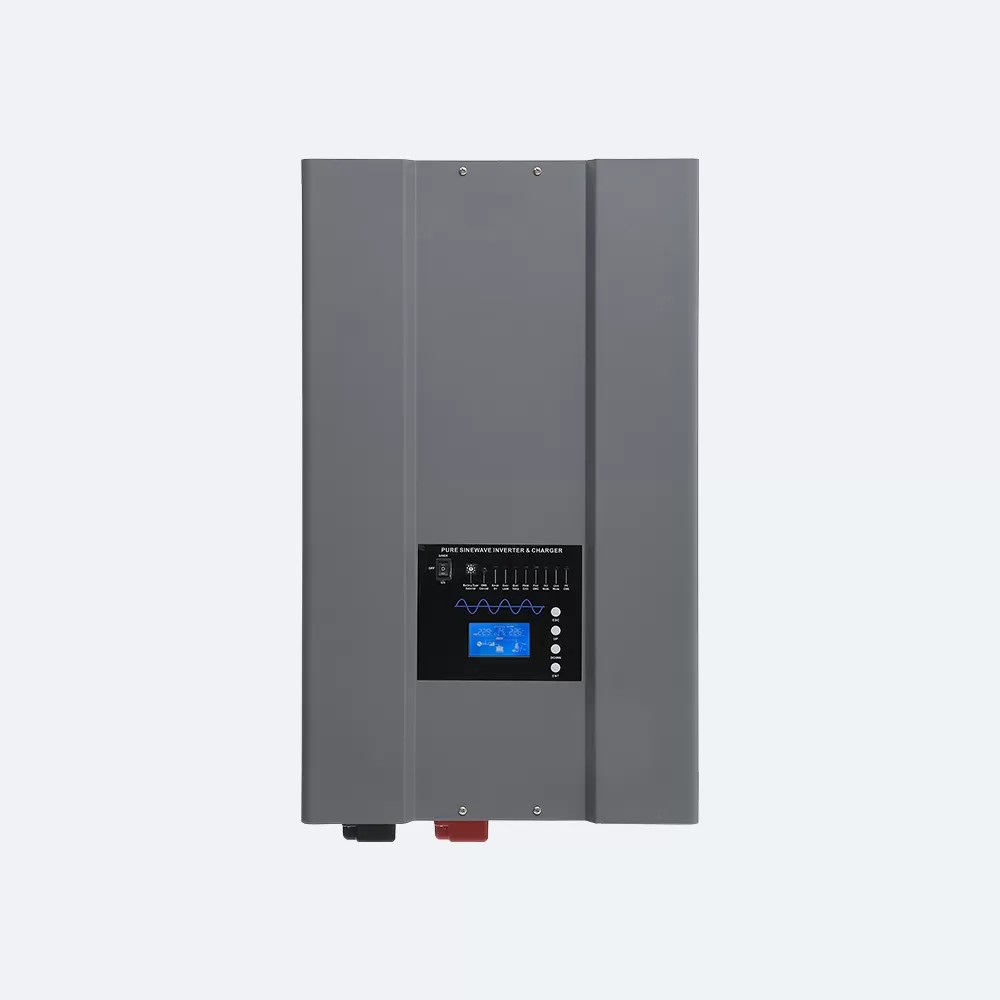
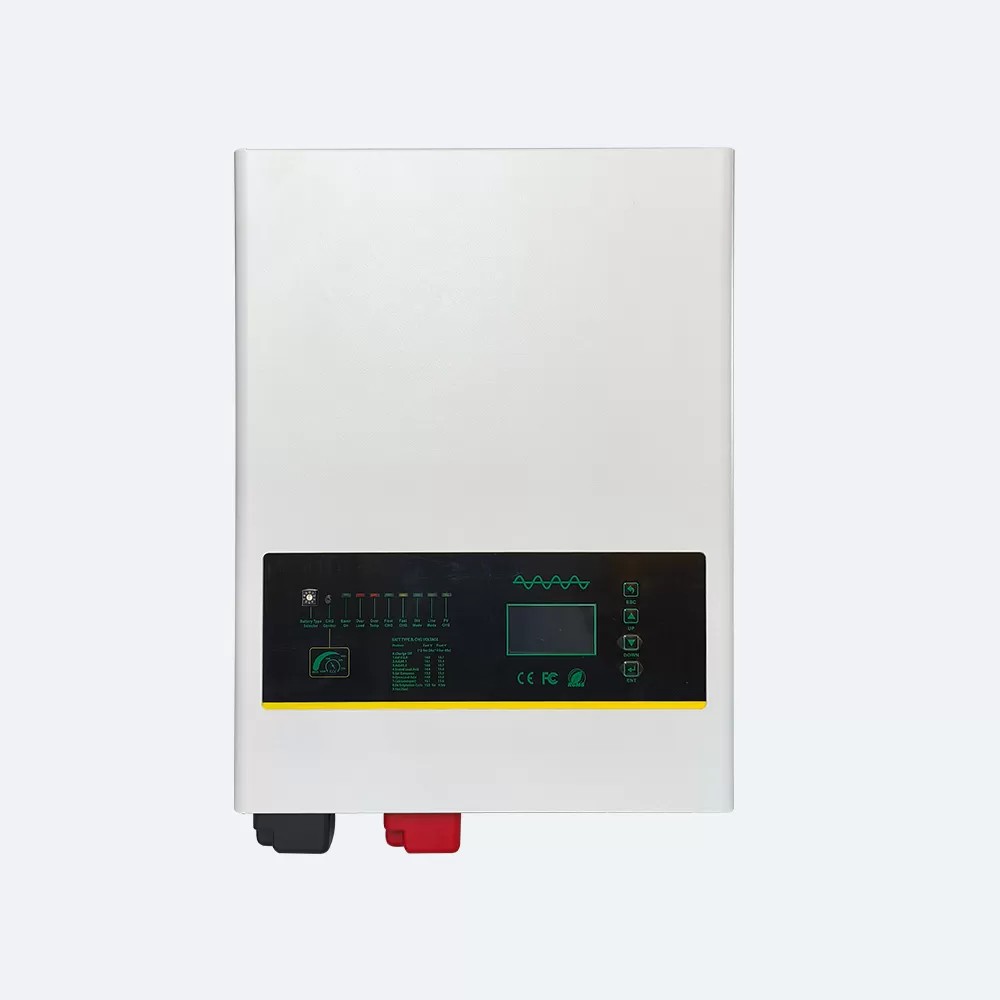
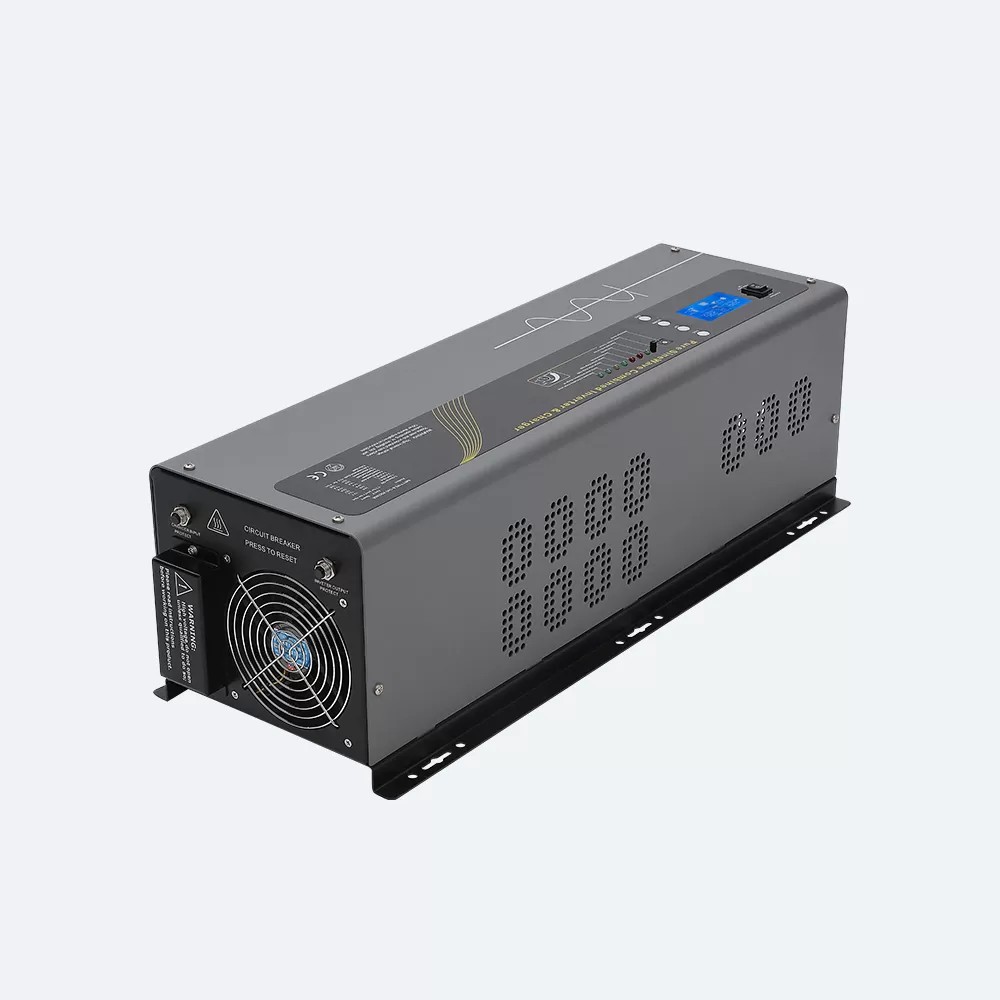
Low Frequency Pure Sine Wave Inverter: The Ultimate Guide to Reliable Power Conversion
When it comes to off-grid power systems, backup electricity, or powering heavy-duty equipment, not all inverters are created equal. If you’ve ever experienced flickering lights, damaged electronics, or failed startup of appliances like air conditioners or pumps, chances are you’re using a subpar inverter. Enter the Low Frequency Pure Sine Wave Inverter—a robust, reliable solution designed for users who refuse to compromise on power quality, durability, and performance. In this guide, we’ll break down everything you need to know about this game-changing device, from how it works to why it’s the top choice for demanding applications.
What Is a Low Frequency Pure Sine Wave Inverter?
First, let’s clarify the basics. An inverter converts direct current (DC) from batteries or solar panels into alternating current (AC) that powers your home, RV, workshop, or industrial equipment. A pure sine wave inverter produces AC power with a smooth, consistent waveform—identical to the electricity from your utility grid—with total harmonic distortion (THD) typically below 3%. This ensures compatibility with even the most sensitive electronics, from laptops and medical devices to audio systems and precision instruments.
What sets a low frequency model apart? Unlike high-frequency inverters (which use lightweight electronic components), low frequency inverters feature a heavy-duty power frequency transformer as their core component. This transformer is responsible for voltage conversion, electrical isolation, and handling sudden power surges—making the device bulkier but infinitely more robust. Think of it as the difference between a compact city car and a rugged off-road truck: both get you from A to B, but one is built to tackle the toughest conditions.
Why Choose a Low Frequency Pure Sine Wave Inverter?
1. Unmatched Surge Capacity for Heavy-Duty Loads
One of the biggest advantages of low frequency models is their ability to handle high inrush currents—the sudden burst of power required to start motor-driven devices like refrigerators, air conditioners, water pumps, and power tools. Most low frequency pure sine wave inverters deliver 2–3 times their rated power for short bursts (usually 2–3 seconds), easily starting inductive loads that would trip or damage high-frequency inverters. For example, a 2000W low frequency inverter can temporarily output 4000–6000W to kickstart a 1.5-ton air conditioner—something a high-frequency model of the same rating often struggles with.
2. Superior Power Quality & Device Protection
Pure sine wave output isn’t just a “nice-to-have”—it’s a necessity for protecting your valuable equipment. Modified sine wave inverters (the cheaper alternative) produce a choppy, square-like waveform that causes electronics to run hotter, make noise, and wear out faster. Low frequency pure sine wave inverters eliminate this risk: their clean power ensures sensitive devices like medical monitors, audio amplifiers, and CNC machines operate flawlessly, with no interference, overheating, or premature failure. It’s the difference between plugging your laptop into a stable wall outlet and a faulty power strip—you’ll notice the reliability immediately.
3. Durability & Longevity for Harsh Environments
The heavy-duty transformer in low frequency inverters isn’t just for surge capacity—it’s built to last. Unlike high-frequency inverters, which rely on delicate electronic components that can fail under voltage fluctuations or extreme temperatures, low frequency models are rugged and resilient. They perform reliably in harsh conditions: scorching desert solar setups, humid marine environments, or remote off-grid cabins where grid power is unstable. With fewer moving parts and a robust design, these inverters have a longer service life (often 10+ years) and lower maintenance costs—making them a cost-effective investment in the long run.
4. Electrical Isolation & Safety
Low frequency inverters offer full electrical isolation between the DC input (batteries/solar panels) and AC output (your devices). This means there’s no direct electrical connection between the two, reducing the risk of electric shock, short circuits, or damage to your power system. It also minimizes electromagnetic interference (EMI), which is crucial for sensitive applications like ham radio operations, laboratory equipment, or RVs where electronic devices are packed closely together. Safety features like over-voltage, under-voltage, overload, and over-temperature protection add an extra layer of security, giving you peace of mind even during extended use.
Who Needs a Low Frequency Pure Sine Wave Inverter?
This inverter isn’t for everyone—but if you fall into any of these categories, it’s the perfect choice:
Off-Grid Homeowners: Powering your entire home with solar panels or wind energy? You need an inverter that can handle everything from lights and TVs to washing machines and HVAC systems.
RV/Boat Owners: If you live on the road or water, you rely on your inverter for daily comfort. A low frequency model can start your RV air conditioner, microwave, and water pump without breaking a sweat.
Small Business Owners: Workshops, farms, or remote offices that depend on power tools, irrigation pumps, or refrigeration units need a reliable inverter that won’t let them down.
Emergency Backup Users: When the grid goes down, you need a backup system that can power critical appliances (fridges, medical devices, sump pumps) for hours or days.
Industrial/Commercial Users: Factories, construction sites, or remote job sites that require power for heavy machinery or precision equipment.
Common Misconceptions About Low Frequency Inverters
Let’s address the elephant in the room: yes, low frequency inverters are bigger and heavier than high-frequency models. But that’s not a flaw—it’s a trade-off for reliability. Here are two common myths debunked:
Myth 1: They’re inefficient: While it’s true that low frequency inverters have a slightly lower efficiency (85–90%) compared to high-frequency models (90–96%), the difference is negligible for most users. The efficiency loss is more than offset by their durability and surge capacity—you won’t have to replace a low frequency inverter every 3–5 years like a high-frequency one.
Myth 2: They’re too bulky for mobile use: While they’re not as lightweight as high-frequency inverters, modern low frequency models are designed with portability in mind. Many RV and marine-specific models are compact enough to fit in storage compartments, and their ruggedness makes them ideal for life on the move.
Key Features to Look for When Buying
Not all low frequency pure sine wave inverters are created equal. Here’s what to prioritize:
Surge Capacity: Look for models that offer 2–3x rated power for at least 2 seconds (critical for inductive loads).
THD Rating: Aim for THD the cleanest power.
Battery Compatibility: Ensure it works with your battery type (lithium-ion, lead-acid, gel, or AGM).
Protection Features: Over-voltage, under-voltage, overload, short-circuit, and over-temperature protection are non-negotiable.
Monitoring Options: An LCD screen or mobile app for tracking power usage, battery status, and inverter performance.
Warranty: A long warranty (5+ years) is a sign of quality—look for brands that stand behind their products.
Final Thoughts: Invest in Reliability
A low frequency pure sine wave inverter isn’t the cheapest option on the market—but it’s the most reliable one. If you value power quality, durability, and the ability to run heavy-duty equipment without issues, it’s an investment that pays off. Whether you’re building an off-grid solar system, upgrading your RV’s power setup, or need a backup inverter for your home or business, this device delivers the performance and peace of mind you deserve.
Forget about flickering lights, damaged electronics, or failed startups. With a low frequency pure sine wave inverter, you’re not just buying a power converter—you’re buying a reliable power solution that will serve you for years to come. It’s time to stop compromising on power quality and upgrade to the best.