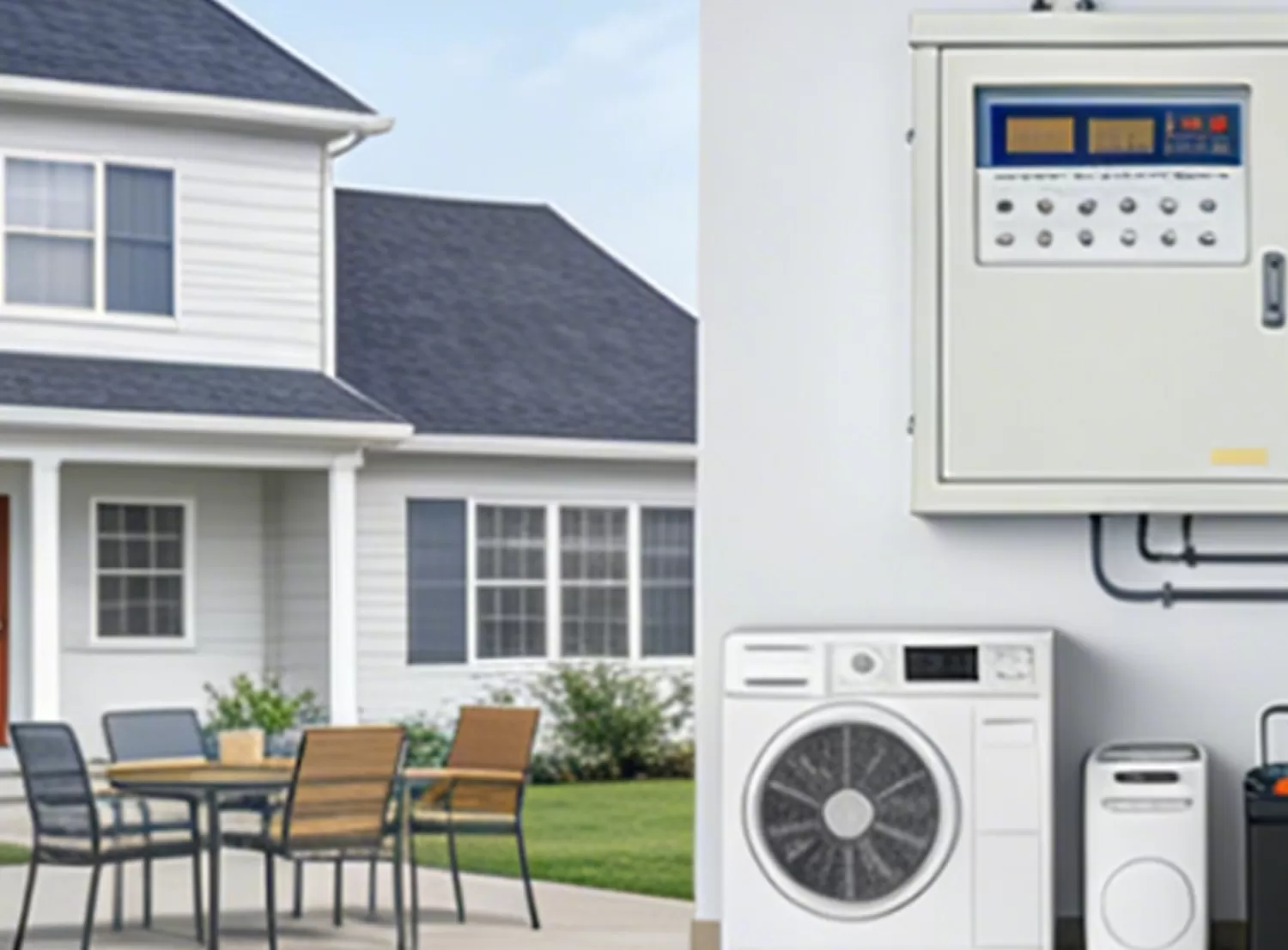
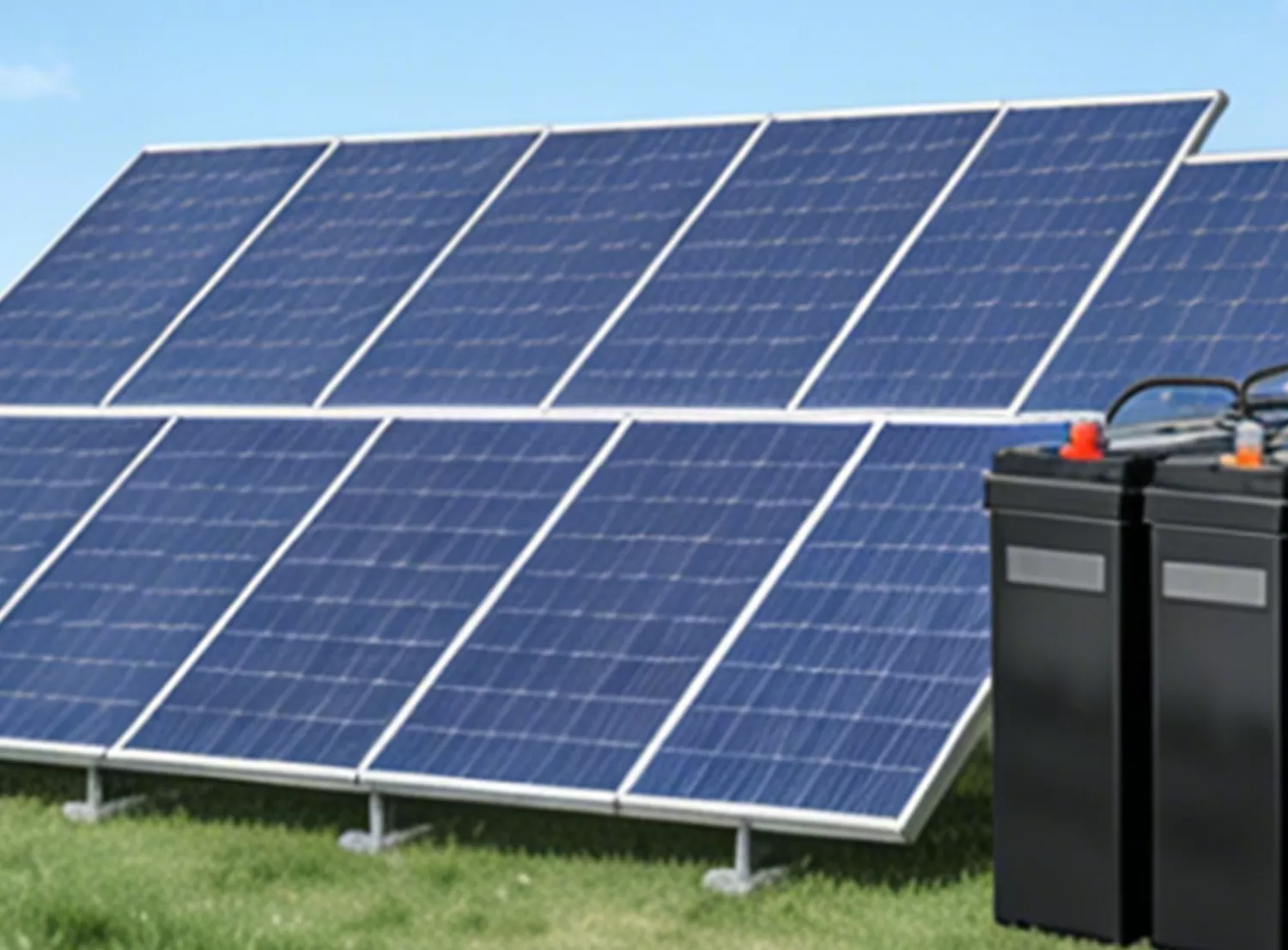
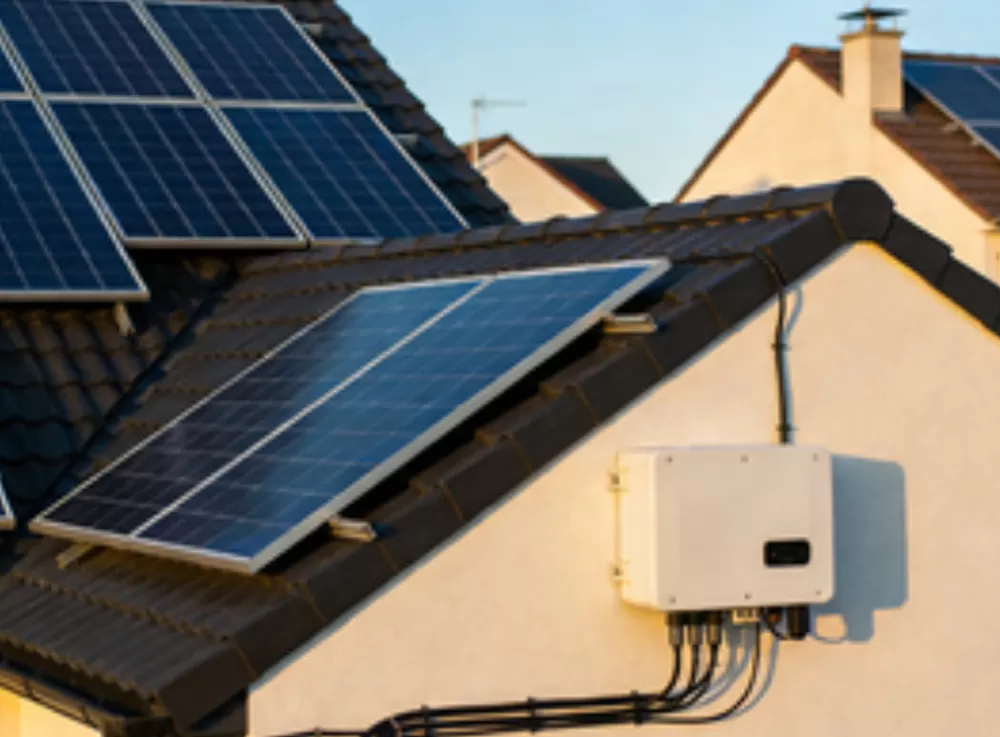
Dongguan Hongyi Electric Products Co., Ltd.


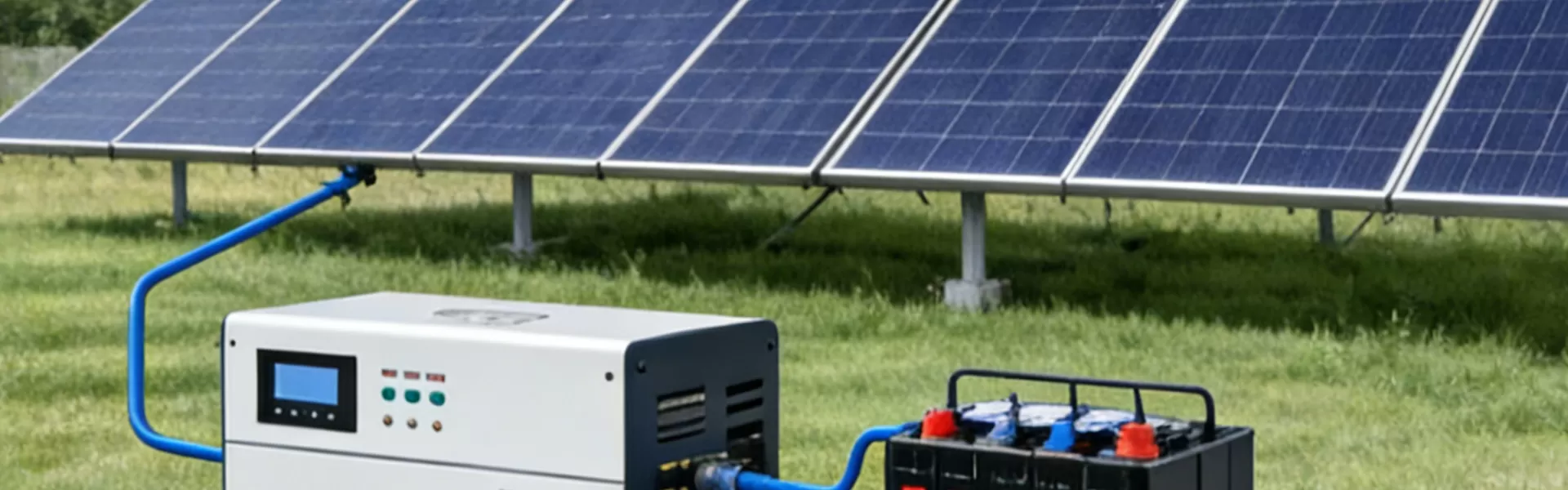
Residential Rooftop Solar Power Station
Residential Rooftop Solar Power Station
A residential rooftop solar power station is a clean energy generation system designed for household use, typically installed on the roofs of villas, apartments, and townhouses. It converts sunlight directly into electricity through photovoltaic (PV) panels, enabling self-consumption of power, grid feed-in, or energy storage, making it a core solution for home energy independence and carbon reduction.
Core Components
PV Panels: The core power-generating unit, usually made of monocrystalline or polycrystalline silicon, which absorbs sunlight and converts it into direct current (DC).
Inverter: Converts DC from the panels into alternating current (AC) compatible with household appliances and the power grid.
Mounting System: Secures panels to the roof, with adjustable angles to maximize sunlight absorption.
Battery Storage (Optional): Stores excess electricity for use at night or during power outages, enhancing energy self-sufficiency.
Monitoring System: Tracks real-time power generation, consumption, and system status via mobile apps or web platforms.
Key Advantages
Cost Savings: Reduces reliance on grid electricity, lowering monthly utility bills; excess power can be sold back to the grid for additional income.
Environmental Protection: Generates zero emissions, helping households reduce their carbon footprint and contribute to green living.
Energy Independence: Provides a stable power supply, especially in areas with frequent outages when paired with energy storage.
Space Efficiency: Utilizes idle rooftop space without occupying additional land, suitable for urban and suburban residential areas.
Long Service Life: PV panels have a lifespan of 25–30 years, with low maintenance costs and high return on investment.
Application Scenarios
Ideal for urban villas, rural houses, high-rise residential rooftops, and small community buildings. It meets daily electricity needs such as lighting, air conditioning, home appliances, and electric vehicle charging, and can be connected to the grid for net metering or operate off-grid for remote areas.
Technical Features
High Conversion Efficiency: Advanced PV cells achieve efficiency rates of 20%–24%, maximizing power output per unit area.
Smart Grid Compatibility: Supports grid-tie, off-grid, and hybrid operation modes, with automatic switching for seamless power supply.
Weather Resistance: Panels are waterproof, wind-resistant, and hail-resistant, adapting to diverse climatic conditions.
Scalability: System capacity can be customized from 3kW to 10kW+ based on household energy consumption and roof size.
Economic & Social Benefits
Residential rooftop solar power stations not only lower household energy expenses but also drive the adoption of distributed renewable energy. They reduce peak grid load, promote energy structure optimization, and align with global carbon neutrality goals, making them a practical choice for sustainable modern living.