Dongguan Hongyi Electric Products Co., Ltd.



2026 Best Picks: Choosing the Right Low-Frequency Pure Sine Wave Inverter
In the ever-evolving world of renewable energy and off-grid living, the right inverter can make all the difference. A low-frequency pure sine wave inverter is a crucial component for anyone looking to convert DC power from batteries into AC power that can be used by household appliances. This article will guide you through the key factors to consider when choosing the best low-frequency pure sine wave inverter, supported by real-world data and practical advice.
Understanding Low-Frequency Pure Sine Wave Inverters
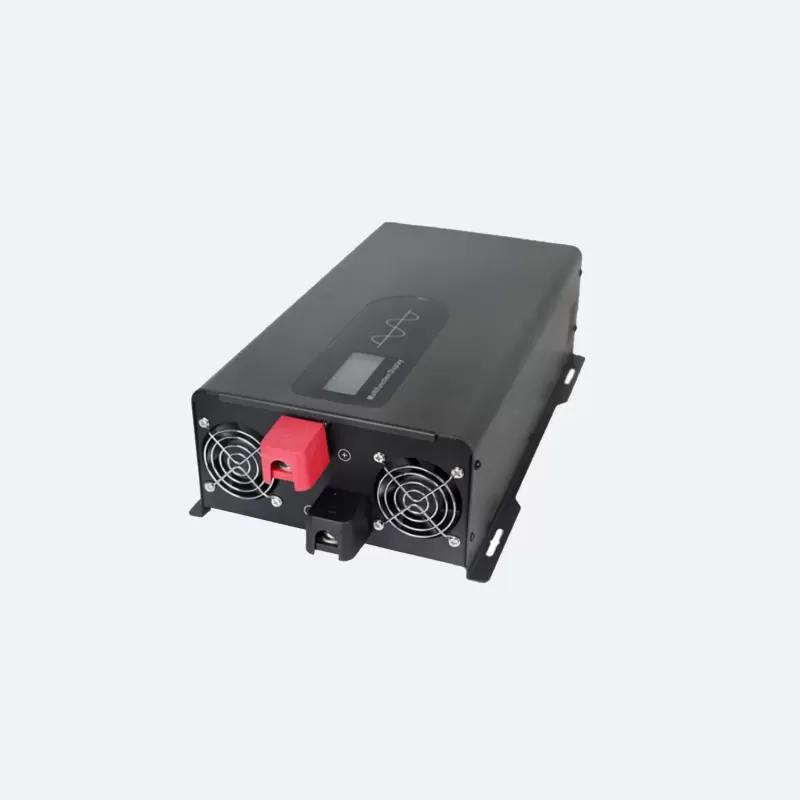
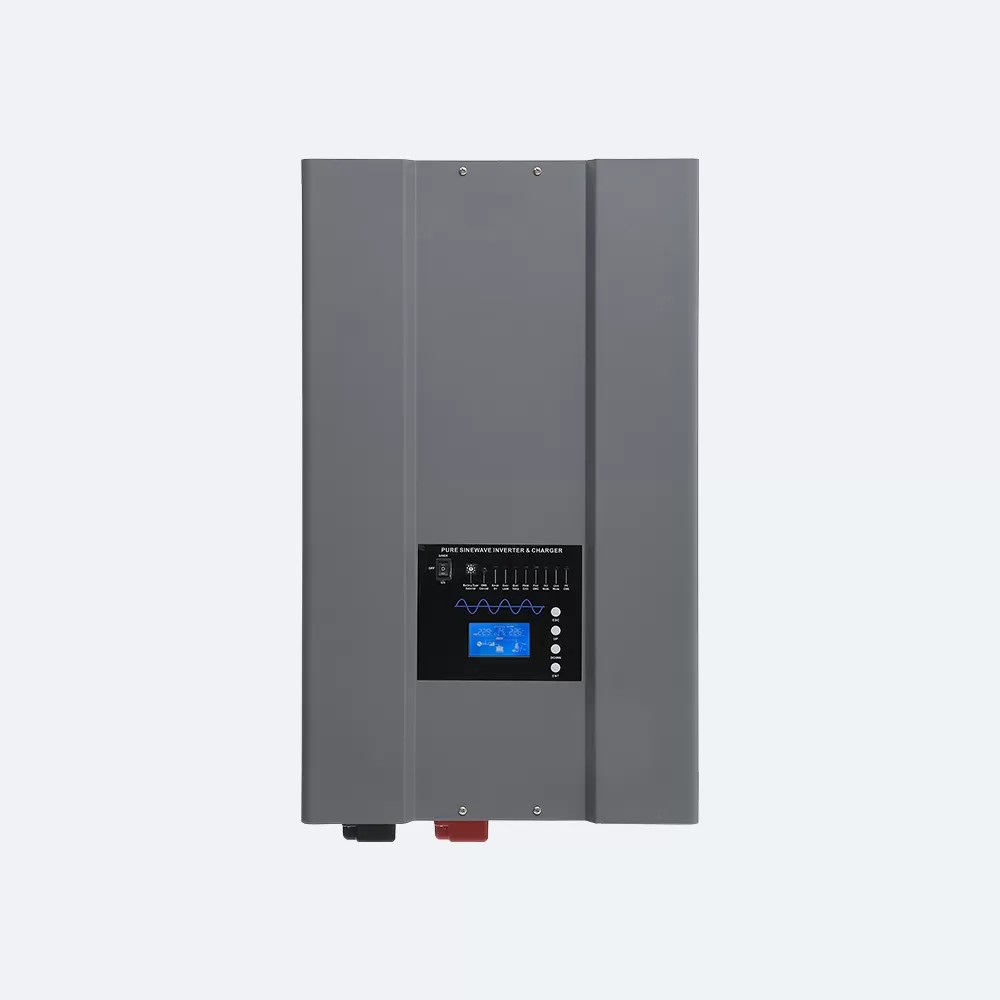
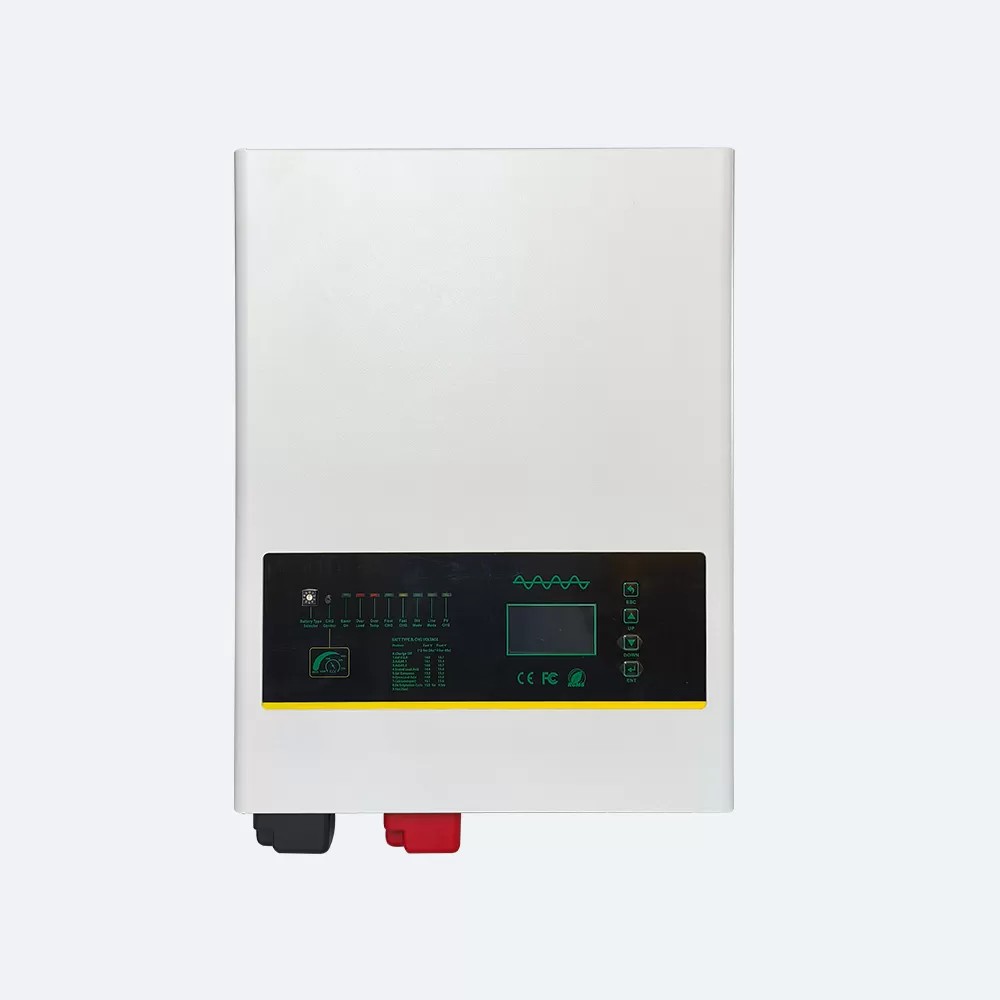
Low-frequency pure sine wave inverters are known for their reliability and efficiency. They use a transformer to convert DC power into AC power, producing a smooth and stable output that is suitable for sensitive electronics. These inverters are ideal for applications where the quality of the AC power is critical, such as powering medical equipment, home appliances, and electronic devices.
Key Features to Consider
Power Output
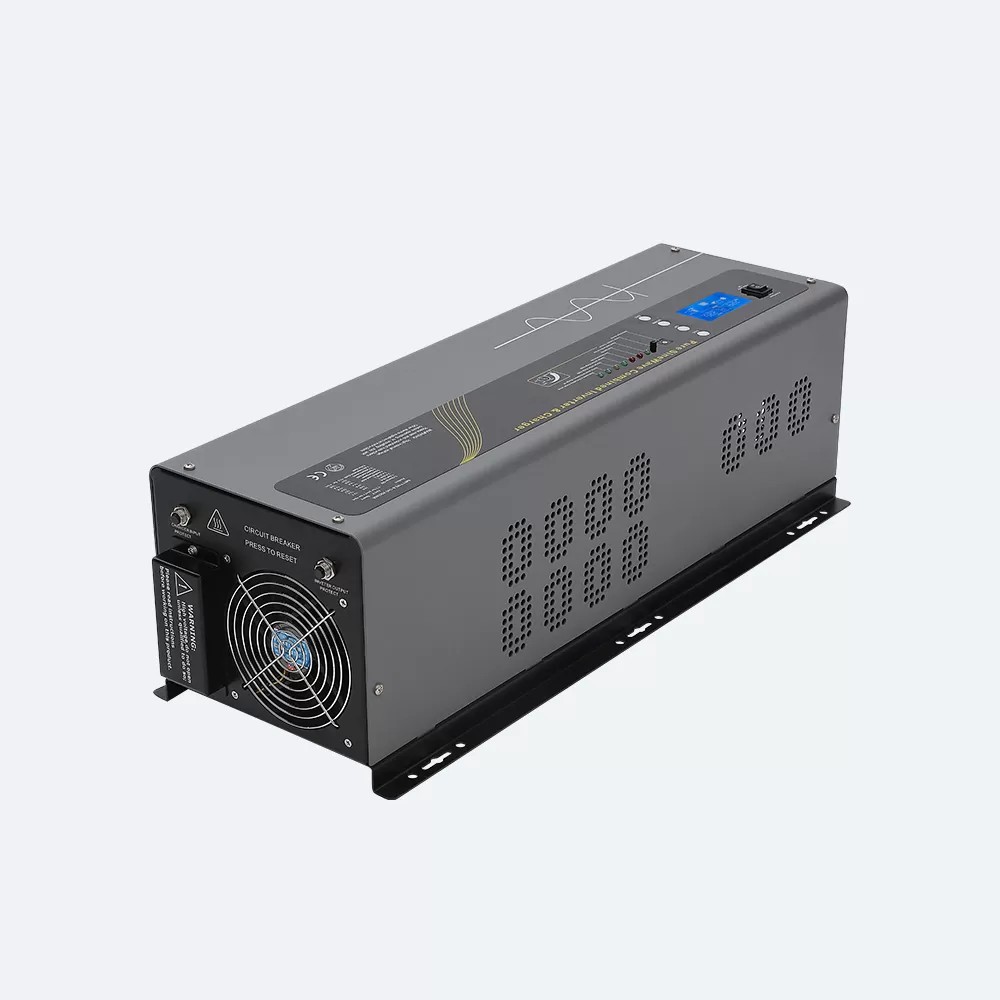
Practical Advice: Determine your daily power consumption and choose an inverter with a power output that meets or exceeds this requirement. For example, if you need to power a 1,000-watt appliance, ensure your inverter has a continuous power rating of at least 1,000 watts and a peak power rating of at least 2,000 watts.
Efficiency
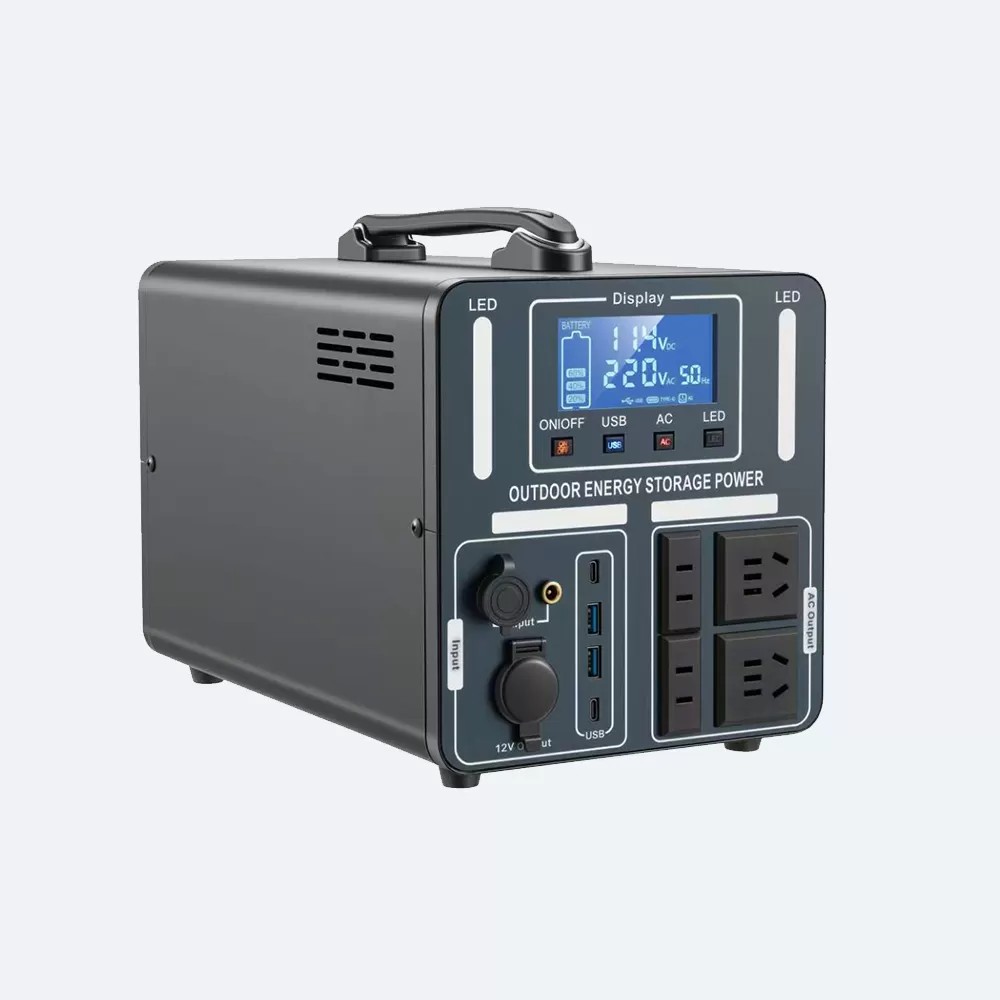
Practical Advice: Look for an inverter with a high efficiency rating. This will not only save you money on energy costs but also extend the life of your batteries. Check the manufacturer's specifications for the efficiency rating under different load conditions.
Surge Capacity
Data Point: Many household appliances, such as refrigerators and air conditioners, require a surge of power (up to three times their rated power) to start.Practical Advice: Ensure your inverter has a sufficient surge capacity to handle the starting current of your appliances. For instance, if your refrigerator requires 1,000 watts to run and 3,000 watts to start, choose an inverter with a surge capacity of at least 3,000 watts.
Battery Compatibility
Data Point: Lithium-ion batteries are becoming increasingly popular due to their higher energy density and longer lifespan compared to lead-acid batteries.Practical Advice: Verify that the inverter is compatible with the type of battery you plan to use. Some inverters are designed specifically for lithium-ion batteries, while others can work with both lithium-ion and lead-acid batteries. Check the inverter's manual for compatibility information.
Safety Features
Data Point: According to the National Fire Protection Association, electrical fires account for 51,000 home fires each year in the United States.Practical Advice: Choose an inverter with built-in safety features such as overvoltage protection, overcurrent protection, and thermal protection. These features will help prevent damage to your inverter and reduce the risk of electrical fires.
Case Study: Success with a Low-Frequency Pure Sine Wave Inverter
Case Study: John, a homeowner in California, decided to install a low-frequency pure sine wave inverter to power his off-grid cabin. He chose an inverter with a continuous power rating of 2,000 watts and a surge capacity of 4,000 watts. John's cabin is equipped with a 1,000-watt refrigerator, a 500-watt microwave, and various other small appliances.
Outcome: John was able to power all his appliances without any issues. The inverter's high efficiency (95%) helped him save on energy costs, and the built-in safety features provided peace of mind. Over the course of a year, John reported no maintenance issues and was highly satisfied with the performance of his inverter.Conclusion
Choosing the right low-frequency pure sine wave inverter is a critical decision for anyone looking to power their off-grid or backup systems. By considering factors such as power output, efficiency, surge capacity, battery compatibility, and safety features, you can ensure that your inverter meets your needs and provides reliable, high-quality power.
Investing in a high-quality inverter, like the one John chose, can make a significant difference in the performance and longevity of your power system. Whether you're a homeowner, a business owner, or an off-grid enthusiast, a well-chosen inverter will provide the stability and reliability you need to power your life.