Dongguan Hongyi Electric Products Co., Ltd.


2026 Trends: Unlocking the Future of Professional Low-Frequency Pure Sine Wave Inverters
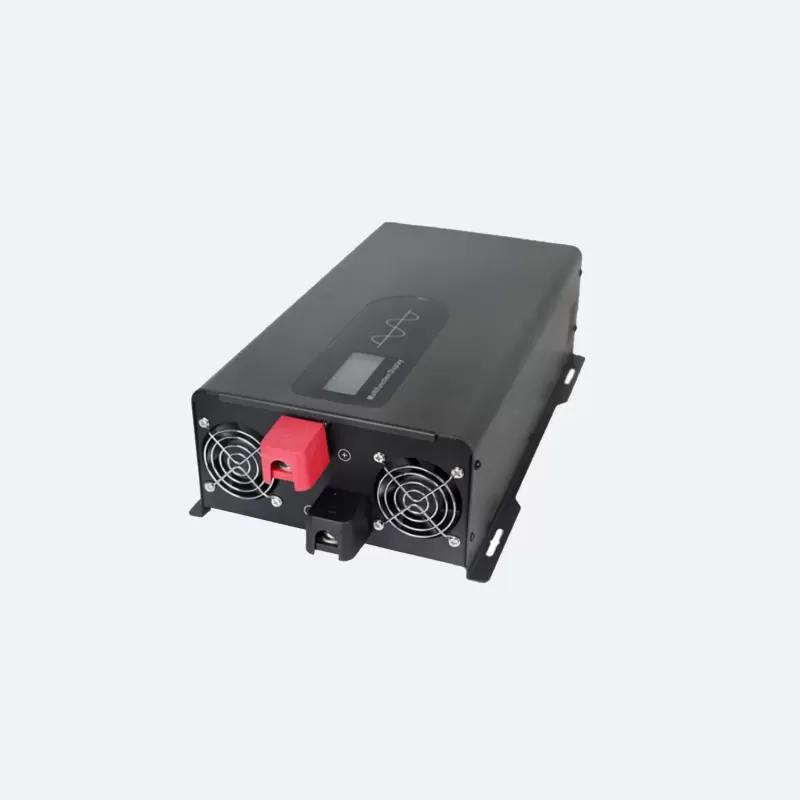
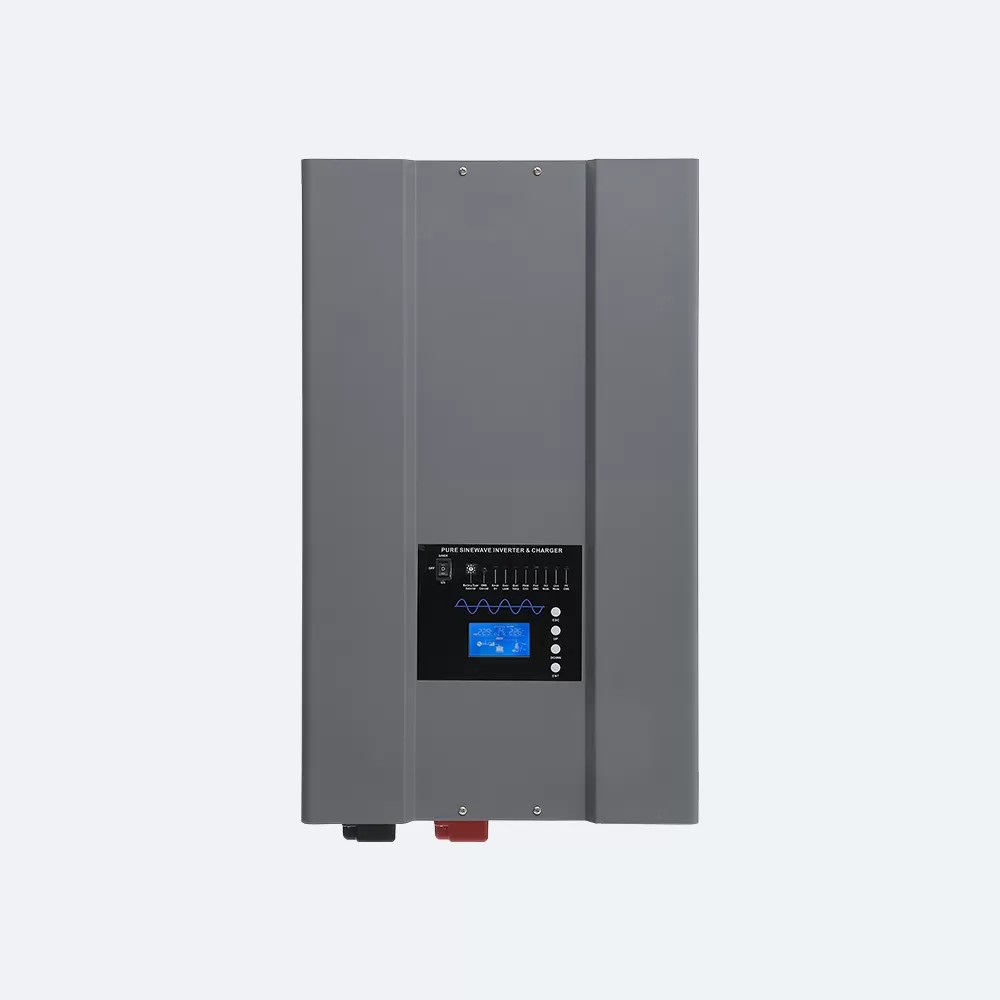
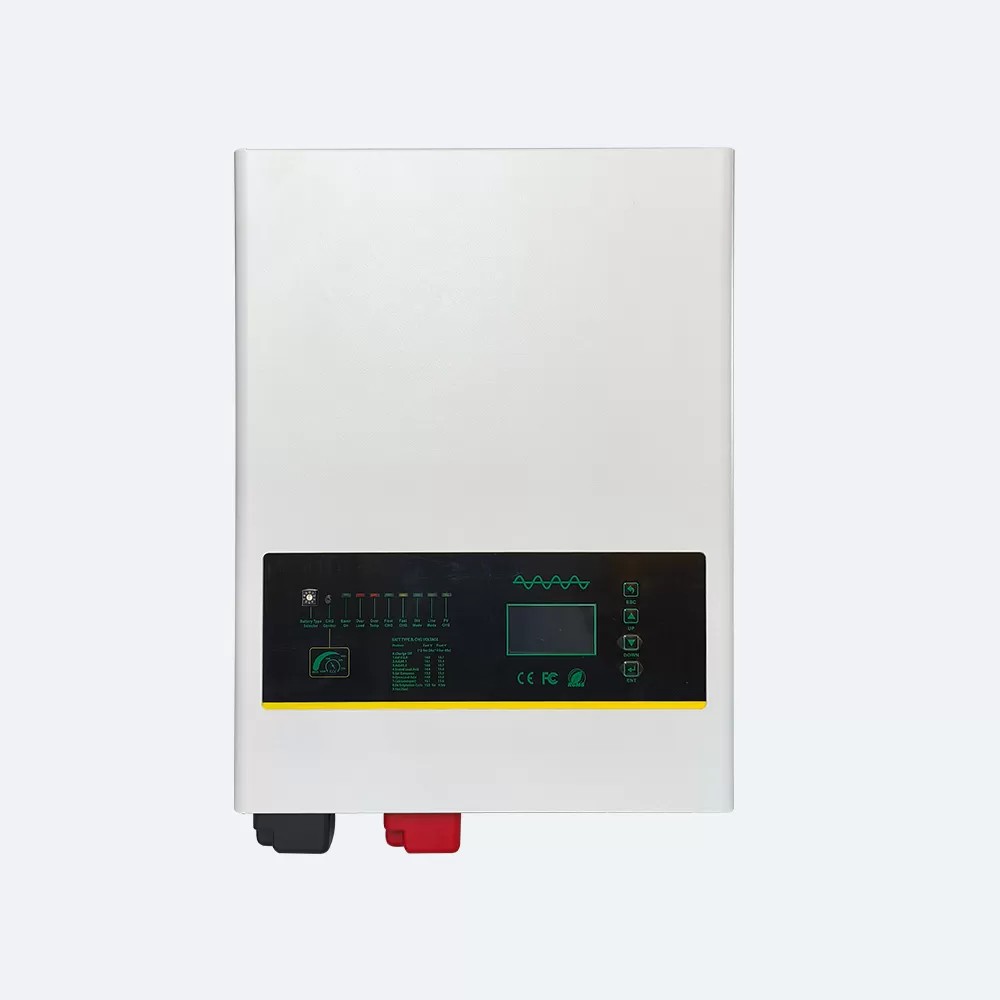
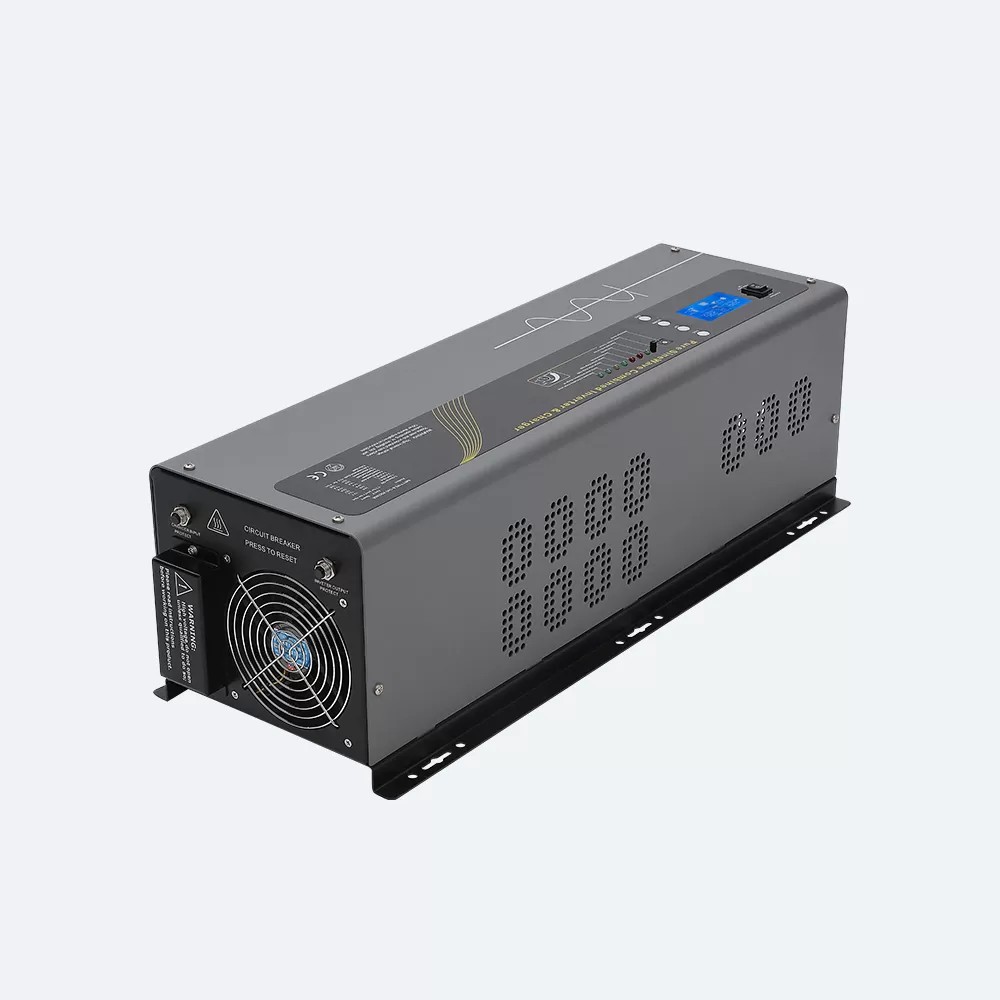
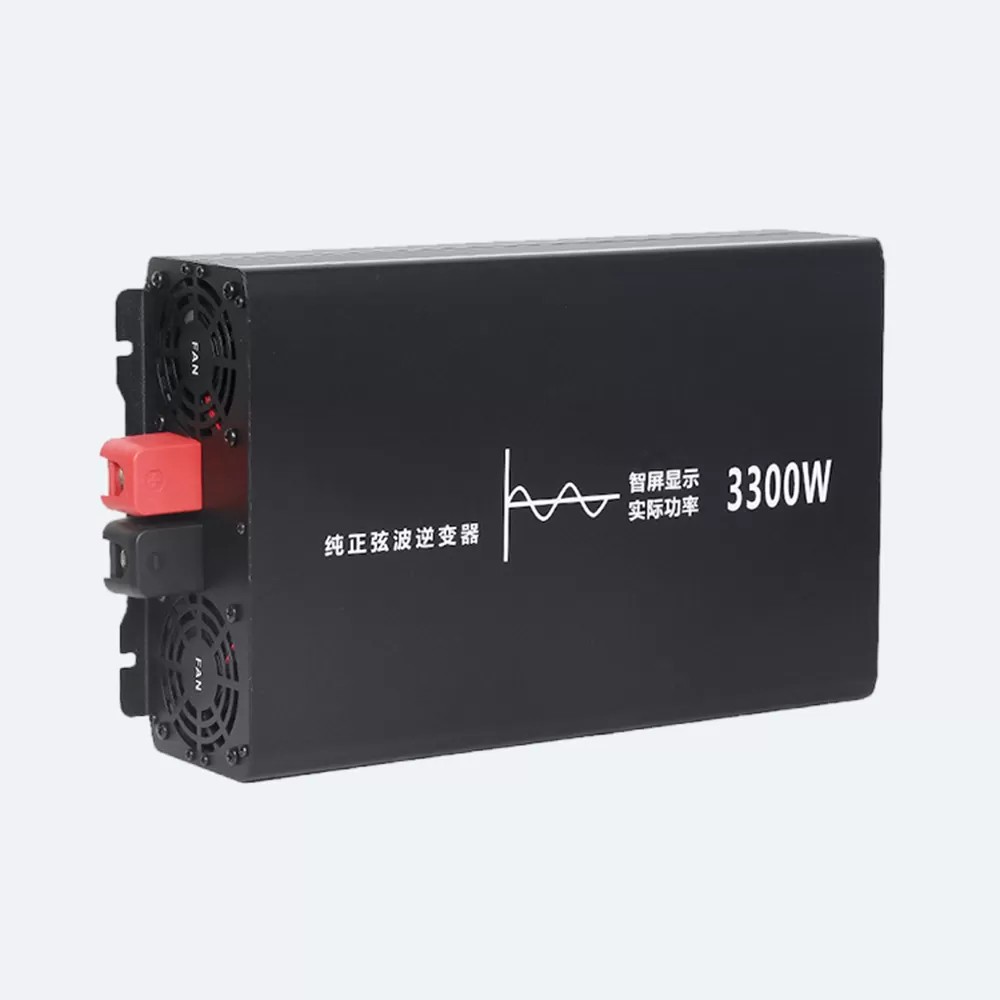
As we look ahead to 2026, the landscape of power management and energy conversion is set to undergo significant transformations. One of the key players in this evolving field is the low-frequency pure sine wave inverter. These devices are essential for converting DC power from batteries or solar panels into AC power that can be used by household appliances and sensitive electronics. In this article, we will explore the trends, data, and practical insights that will shape the future of professional low-frequency pure sine wave inverters.
1. Enhanced Efficiency and Reliability
Data and Case Studies
Efficiency Improvements: According to a study by the National Renewable Energy Laboratory (NREL), modern low-frequency pure sine wave inverters have achieved efficiencies of up to 98%. This is a significant improvement over older models, which typically operated at around 90% efficiency.Reliability Metrics: A report from the International Electrotechnical Commission (IEC) indicates that the mean time between failures (MTBF) for high-quality inverters has increased to over 15 years, compared to 10 years for earlier models.
Practical Insights
Choose High-Efficiency Models: When selecting a low-frequency pure sine wave inverter, prioritize models with efficiency ratings above 95%. This will ensure that you get the most out of your energy sources and reduce overall operational costs.Regular Maintenance: To maximize the lifespan of your inverter, follow the manufacturer's maintenance guidelines. Regularly check for loose connections, clean the unit, and replace any worn-out components.
My View
The continuous improvement in efficiency and reliability is a testament to the advancements in technology. As a user, it's crucial to stay informed about the latest models and their performance metrics to make the best investment.
2. Integration with Smart Home Systems
Data and Case Studies
Smart Home Adoption: A survey by Statista found that the global smart home market is expected to reach $146 billion by 2025, with a compound annual growth rate (CAGR) of 12.5%.Inverter Integration: Companies like Tesla and Schneider Electric have already started integrating their inverters with smart home systems. For example, Tesla's Powerwall inverter can be controlled via the Tesla app, allowing users to monitor and manage their energy usage in real-time.
Practical Insights
Invest in Smart-Ready Inverters: Look for inverters that are compatible with popular smart home platforms such as Google Home, Amazon Alexa, or Apple HomeKit. This will allow you to integrate your inverter seamlessly into your existing smart home ecosystem.Utilize Energy Management Features: Many smart inverters come with advanced energy management features, such as load shedding and peak shaving. These features can help you optimize your energy consumption and reduce your electricity bills.
My View
The integration of low-frequency pure sine wave inverters with smart home systems is a game-changer. It not only enhances convenience but also provides valuable insights into energy usage, helping users make more informed decisions.
3. Sustainability and Environmental Impact
Data and Case Studies
Carbon Footprint Reduction: A study by the European Commission found that the use of renewable energy sources, such as solar and wind, can reduce the carbon footprint of energy production by up to 70%.Recycling Initiatives: Leading manufacturers like SMA Solar Technology have implemented recycling programs for their inverters. These programs aim to recover valuable materials and reduce electronic waste.
Practical Insights
Opt for Eco-Friendly Models: When choosing an inverter, consider models that are designed with sustainability in mind. Look for certifications such as Energy Star or EPEAT, which indicate that the product meets strict environmental standards.Participate in Recycling Programs: Check if the manufacturer offers a recycling program for their inverters. By participating in these programs, you can help reduce the environmental impact of your energy system.
My View
Sustainability should be a top priority for anyone investing in energy solutions. By choosing eco-friendly inverters and participating in recycling programs, we can contribute to a greener future.
4. Advanced Safety Features
Data and Case Studies
Safety Standards: The IEC has developed a series of safety standards for inverters, including IEC 62109-1 and IEC 62109-2. These standards cover various aspects of inverter safety, such as electrical insulation, thermal management, and fault protection.Real-World Applications: In a case study by ABB, their low-frequency pure sine wave inverter was installed in a remote off-grid community. The inverter's advanced safety features, including automatic shutdown in case of faults, ensured the safety of the residents and the longevity of the system.
Practical Insights
Prioritize Safety-Certified Models: When purchasing an inverter, ensure that it complies with the relevant safety standards. Look for certifications such as UL, CE, or IEC, which indicate that the product has been tested and approved for safe operation.Understand Safety Features: Familiarize yourself with the safety features of your inverter, such as ground fault protection, overvoltage protection, and temperature monitoring. Knowing how these features work will help you operate the inverter safely and effectively.
My View
Safety should never be compromised when it comes to energy systems. By choosing inverters with advanced safety features and understanding how they work, we can ensure the well-being of both the system and its users.
5. Cost-Effectiveness and ROI
Data and Case Studies
Cost Savings: A study by the U.S. Department of Energy (DOE) found that households using solar power with efficient inverters can save up to 30% on their electricity bills.Return on Investment (ROI): According to a report by the Solar Energy Industries Association (SEIA), the average payback period for a residential solar system with a high-efficiency inverter is around 7 years.
Practical Insights
Calculate Your ROI: Before investing in a low-frequency pure sine wave inverter, calculate the potential return on investment. Consider factors such as the initial cost, energy savings, and any available incentives or rebates.Explore Financing Options: Many manufacturers and installers offer financing options, such as loans or leases, to make the upfront cost more manageable. Research these options to find the one that best fits your budget.
My View
While the initial cost of a high-quality inverter may seem high, the long-term savings and benefits make it a worthwhile investment. By carefully calculating your ROI and exploring financing options, you can make the transition to a more sustainable and cost-effective energy solution.
Conclusion
As we move towards 2026, the future of professional low-frequency pure sine wave inverters looks bright. With enhanced efficiency and reliability, integration with smart home systems, a focus on sustainability, advanced safety features, and cost-effectiveness, these devices are poised to play a crucial role in the energy landscape. By staying informed and making informed choices, we can unlock the full potential of these innovative technologies and create a more sustainable and efficient future.