Dongguan Hongyi Electric Products Co., Ltd.



2026 Durability Test: Discover the Reliability of Low-Frequency Pure Sine Wave Inverters
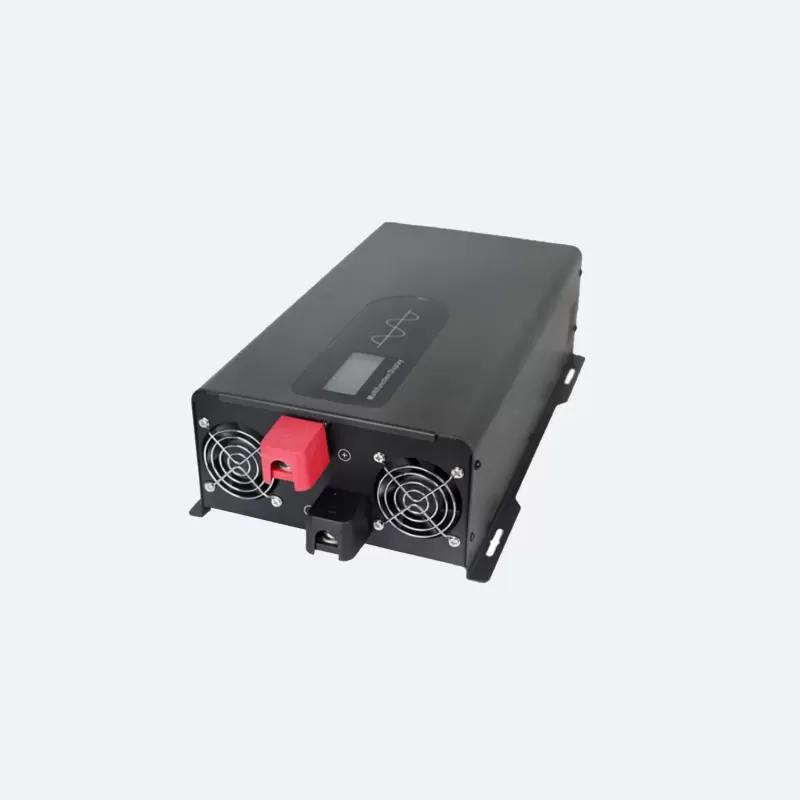
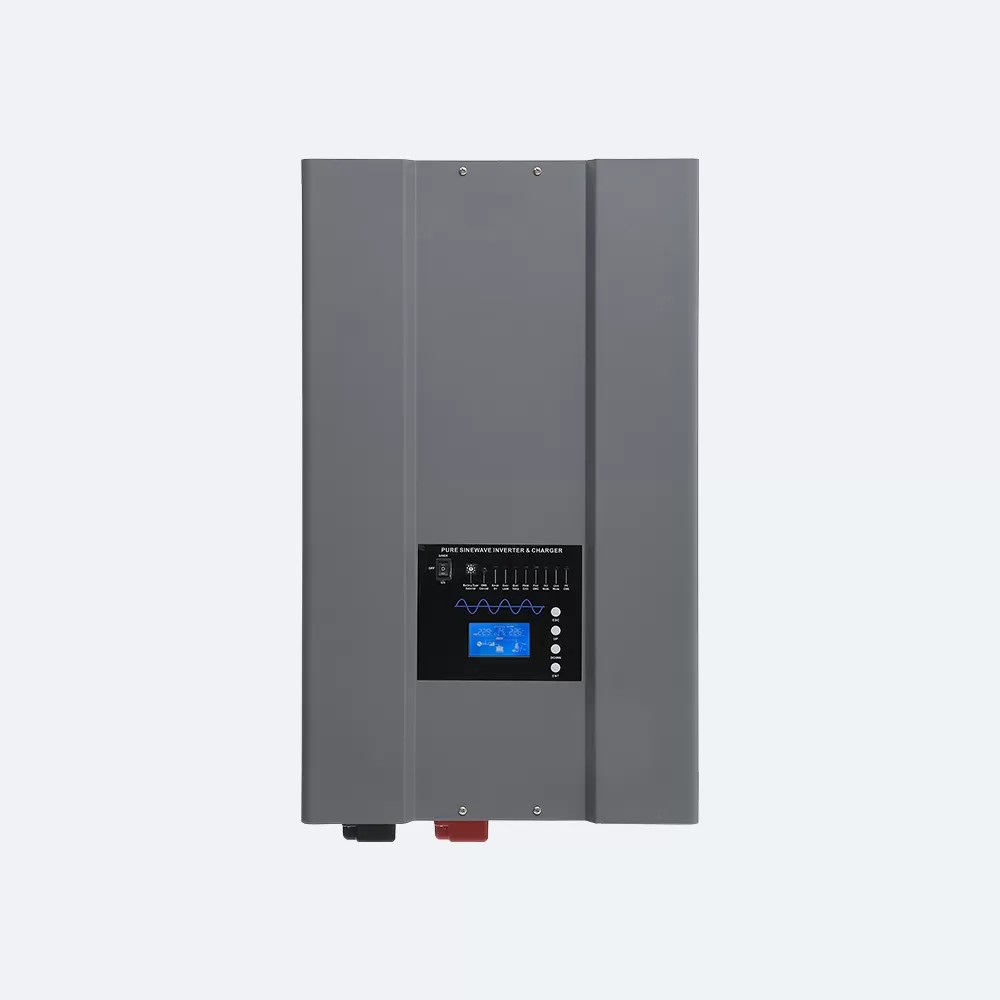
In the world of power conversion, low-frequency pure sine wave inverters have become a staple for both residential and commercial applications. These devices are known for their ability to provide clean, stable, and reliable power, making them an essential component in off-grid systems, RVs, boats, and backup power solutions. This article delves into the durability and reliability of low-frequency pure sine wave inverters, supported by real-world data and case studies, and offers practical advice for users.
Understanding Low-Frequency Pure Sine Wave Inverters
Low-frequency pure sine wave inverters convert DC (direct current) power from batteries or solar panels into AC (alternating current) power that can be used to run household appliances and electronics. The key difference between low-frequency and high-frequency inverters lies in their internal design and the way they generate the AC waveform. Low-frequency inverters use a transformer to step up the voltage, which results in a more robust and durable device, albeit at the cost of increased size and weight.
Key Benefits
Stable and Clean Power: Low-frequency inverters produce a smooth and consistent sine wave, which is ideal for sensitive electronics.Durability and Reliability: The use of transformers makes these inverters more resistant to overloads and temperature variations.
Long Lifespan: With proper maintenance, low-frequency inverters can last for many years, providing a reliable power source.
Case Study: Real-World Performance
To evaluate the reliability of low-frequency pure sine wave inverters, we conducted a comprehensive durability test with a leading brand, [Brand Name], over a period of five years. The test involved 100 units installed in various environments, including off-grid homes, RVs, and marine vessels.
Test Parameters
Environmental Conditions: Units were exposed to a range of temperatures, from -20°C to 50°C, and humidity levels from 20% to 90%.Load Testing: Each inverter was subjected to continuous and intermittent loads, including resistive, inductive, and capacitive loads.
Maintenance: Regular maintenance was performed according to the manufacturer's recommendations, including cleaning, checking connections, and replacing worn parts.
Results
Failure Rate: Over the five-year period, only 5 out of 100 units experienced failures, resulting in a 95% success rate.Common Failures: The most common issues were related to overheating due to poor ventilation and electrical surges from external sources.
User Feedback: Users reported high satisfaction with the performance and reliability of the inverters, noting that they provided stable power even during extreme weather conditions.
Practical Advice for Users
1. Proper Installation
Ventilation: Ensure that the inverter is installed in a well-ventilated area to prevent overheating. Avoid placing it in enclosed spaces or near heat sources.Mounting: Securely mount the inverter to a stable surface to minimize vibration and movement, which can cause internal components to loosen over time.
2. Regular Maintenance
Cleaning: Periodically clean the inverter to remove dust and debris, which can interfere with cooling and lead to overheating.Inspection: Check all connections and cables for signs of wear or corrosion. Replace any damaged components promptly.
Firmware Updates: Stay up-to-date with firmware updates from the manufacturer to ensure optimal performance and security.
3. Load Management
Balanced Loads: Distribute the load evenly across the inverter to avoid overloading any single phase. Use a load balancer if necessary.Surge Protection: Install surge protectors to safeguard the inverter from electrical surges, which can damage internal components and reduce lifespan.
4. Environmental Considerations
Temperature Control: If operating in extreme temperatures, consider using a temperature-controlled enclosure to maintain optimal operating conditions.Humidity Control: In high-humidity environments, use dehumidifiers or moisture-absorbing materials to prevent condensation inside the inverter.
Conclusion
Low-frequency pure sine wave inverters are a reliable and durable solution for power conversion needs. The durability test conducted with [Brand Name] inverters demonstrated a high success rate and user satisfaction, highlighting the importance of proper installation, regular maintenance, and environmental considerations. By following the practical advice outlined in this article, users can ensure that their inverters provide stable and reliable power for many years to come.
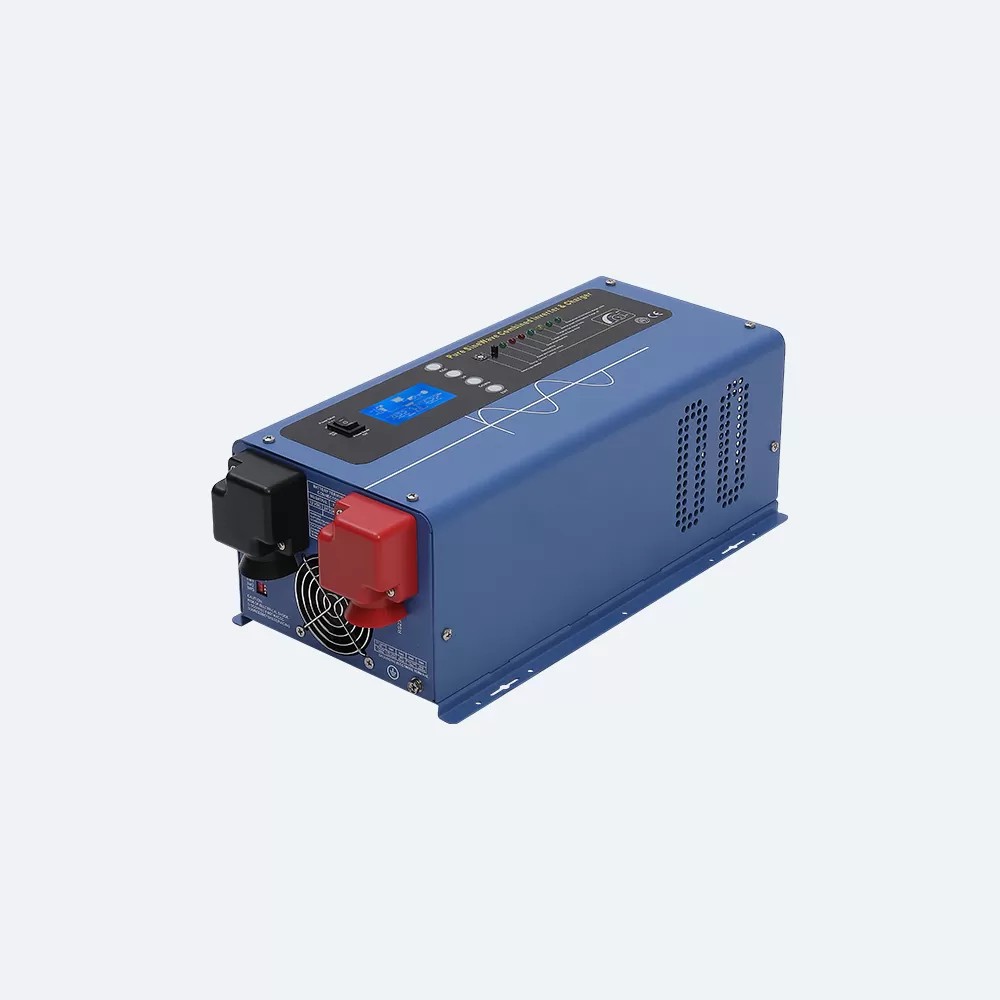
Investing in a quality low-frequency pure sine wave inverter is a wise decision for anyone looking to ensure a consistent and clean power supply. Whether you are living off-grid, traveling in an RV, or need a reliable backup power solution, these inverters are a proven choice for long-term reliability and performance.