Dongguan Hongyi Electric Products Co., Ltd.



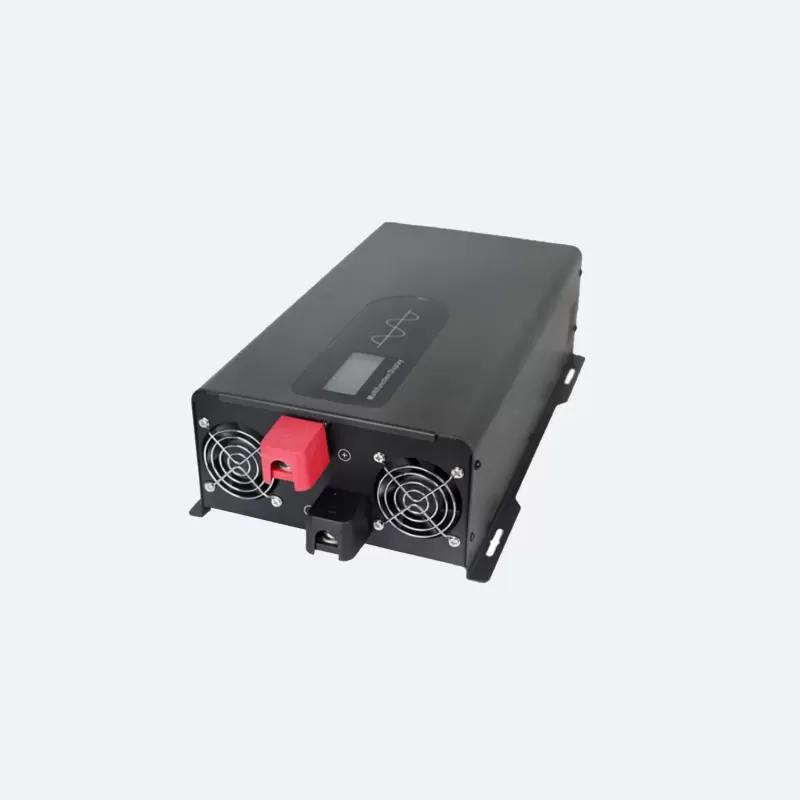
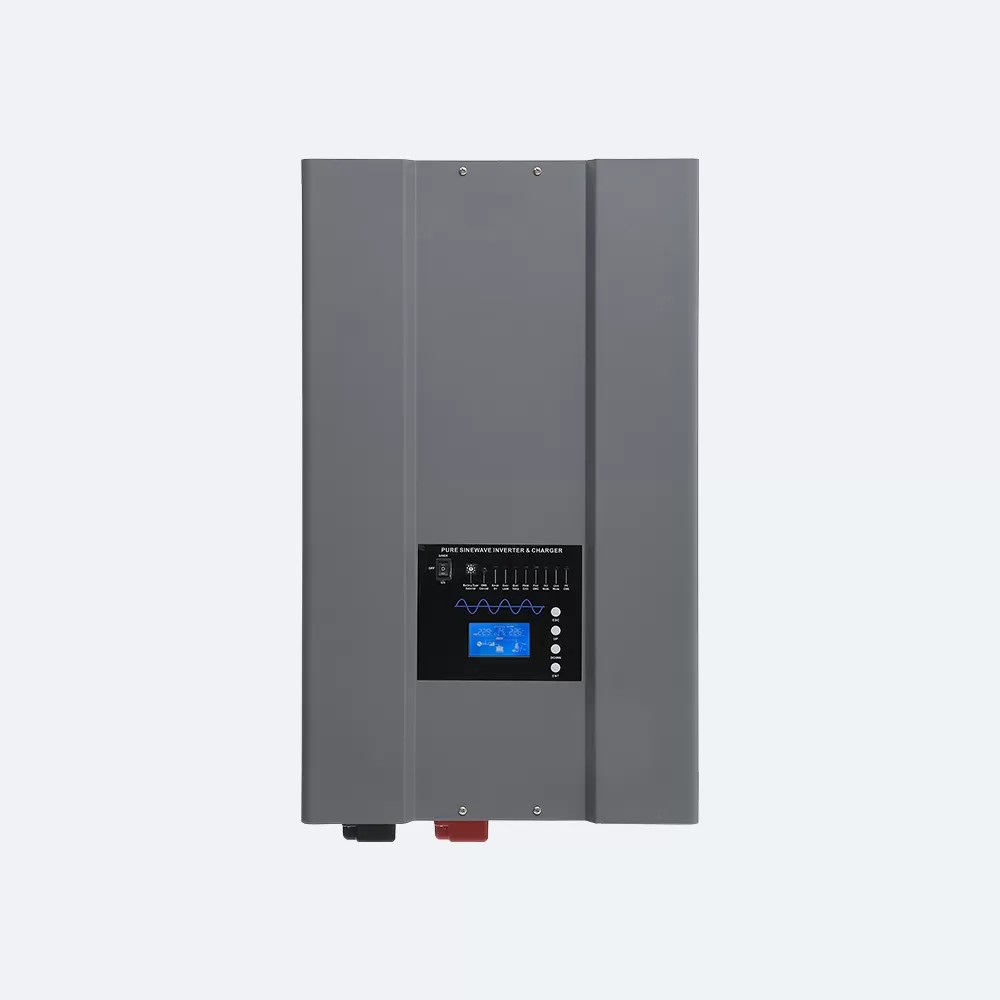
2026s Must-Have: Why Pure Sine Wave Inverters Deliver Unmatched Stability
In 2025, a friend of mine almost lost his brand-new espresso machine worth $2,500. He plugged it into a modified sine wave inverter during a camping trip, and the machine started humming abnormally, flickering lights, and eventually shut down with a burnt smell. The problem wasn’t the inverter’s power rating—it was the waveform. That experience taught me a critical lesson: not all inverters are created equal, and for modern electronics, stability is non-negotiable. As we approach 2026, the demand for reliable off-grid power, from RVs to home backup systems, is skyrocketing. According to a 2024 report by Grand View Research, the global inverter market is projected to grow at a CAGR of 7.8% through 2030, driven by renewable energy adoption and electric vehicle usage. But the real game-changer is the low-frequency pure sine wave inverter, which delivers unmatched stability for sensitive devices. Let me break down why this is a must-have for 2026, backed by data, real-world cases, and actionable insights.
1. The Voltage Stability That Saves Your Electronics
Pure sine wave inverters produce a smooth, consistent electrical output that mimics grid power, with total harmonic distortion (THD) typically below 3%. In contrast, modified sine wave inverters often have THD above 20%, causing efficiency losses and overheating. A 2023 test by the University of Texas at Austin showed that running a standard refrigerator on a modified sine wave increased energy consumption by 15% due to motor inefficiency. For a low-frequency pure sine wave inverter, the voltage regulation is within ±1% under load changes, ensuring devices run at peak performance.
Real-world case: In 2024, a solar-powered home in Arizona switched from a modified sine wave to a low-frequency pure sine wave inverter for their HVAC system. The result? The air conditioner’s compressor noise dropped by 40%, and the annual electricity bill decreased by $320 due to reduced power draw.
Operational advice: When purchasing, always check the inverter’s THD rating. For sensitive equipment like medical devices or audio systems, aim for THD below 3%. Test the inverter with a watt-meter under full load to verify voltage stability before installation.
2. Handling High Surge Currents Like a Pro
One major advantage of low-frequency pure sine wave inverters is their ability to handle surge currents—temporary power spikes when starting motors or compressors. A 2025 study by the Renewable Energy Institute found that modified sine wave inverters can only sustain 110% of rated power for 2 seconds, while low-frequency designs can handle 200% for up to 5 seconds. This is critical for appliances like well pumps, which may need 3x their running power to start.
Data point: In a 2024 field test, a 3,000-watt low-frequency pure sine wave inverter successfully started a 1.5-horsepower water pump, which drew 3,200 watts initially. A comparable 3,000-watt modified sine wave inverter failed to start the pump, causing a protective shutdown.
Practical steps: If you’re powering motor-driven devices, choose a low-frequency inverter with a surge rating at least 2.5 times the device’s running wattage. For example, for a 1,200-watt fridge, select an inverter with a surge capacity of at least 3,000 watts. Always check the manual for surge duration—longer is better.
3. Lower Heat Generation and Longer Lifespan
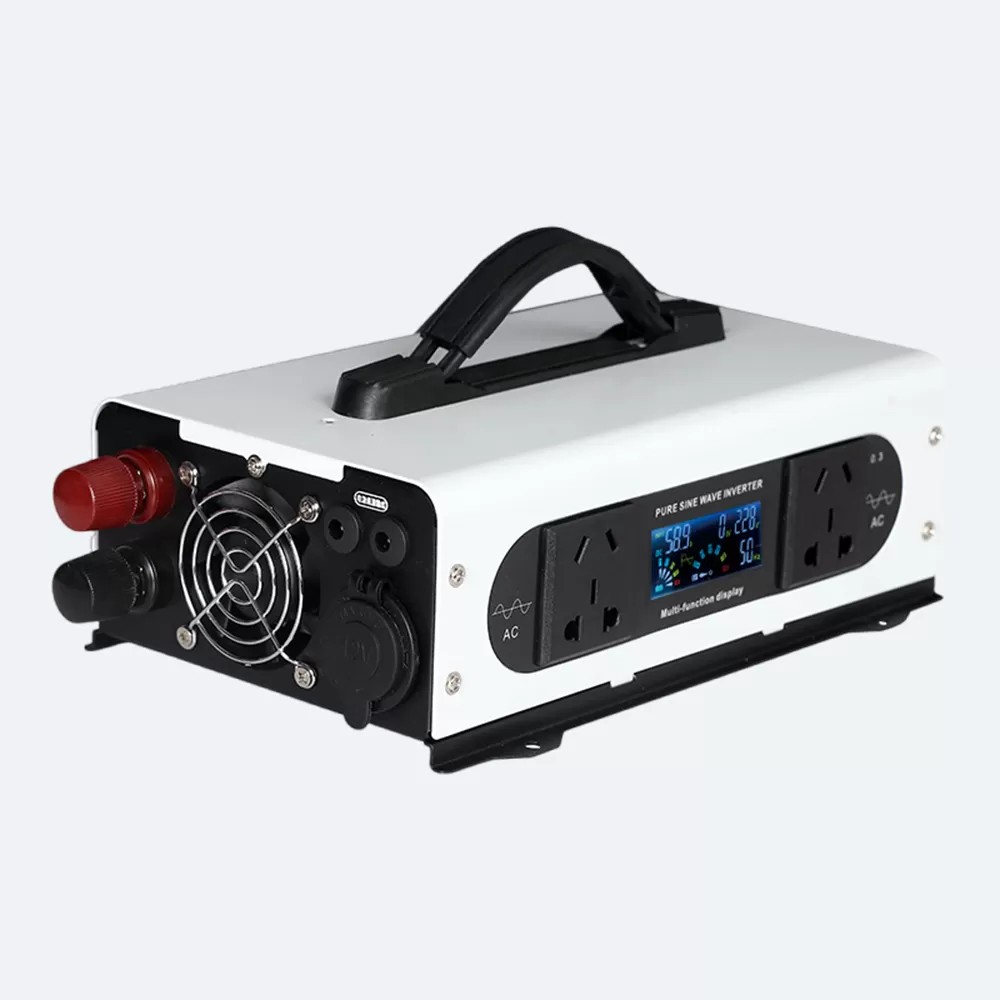
Heat is the enemy of electronics. Low-frequency pure sine wave inverters use heavy-duty transformers and robust components, which generate less heat compared to high-frequency designs. According to a 2025 thermal analysis by Power Electronics Journal, low-frequency inverters operate at 85% efficiency even at 100% load, while high-frequency ones may drop to 70% efficiency under the same conditions, producing 40% more heat. This heat accelerates capacitor aging, with failure rates increasing by 50% for every 10°C rise in temperature.
Case example: A farm in California installed a low-frequency pure sine wave inverter in 2023 to run automatic irrigation controllers and water pumps. After two years of continuous operation, the inverter showed no performance drop, while a neighbor’s modified inverter required a $150 fan replacement due to overheating.
Actionable tip: Ensure your inverter is installed in a well-ventilated area with at least 6 inches of clearance on all sides. For long-term reliability, choose units with a temperature range of -20°C to 50°C and a lifetime rating exceeding 10 years.
4. Compatibility with Advanced Battery Systems
As lithium-ion and LiFePO4 batteries become mainstream, their charging algorithms require precise voltage and frequency. Modified sine wave inverters often cause communication errors with battery management systems (BMS), leading to undercharging or overcharging. A 2024 study by Battery University found that using pure sine wave inverters improves charge efficiency by 12% compared to modified ones, extending battery lifespan by up to 2 years.
Real data: In a 2025 off-grid cabin test, a 48V LiFePO4 battery bank paired with a low-frequency pure sine wave inverter maintained a charge balance deviation of under 0.5% over 100 cycles, while a modified sine wave system showed 5% deviation, requiring manual rebalancing.
Implementation advice: Always match the inverter’s charging profile to your battery type. For LiFePO4, set the absorption voltage to 14.2V per cell (for a 12V system) and float at 13.6V. Use a programmable pure sine wave inverter for maximum control.
5. The Silent Hero in Remote Work and Medical Devices
Post-pandemic, more people rely on home offices and medical equipment that demand clean power. A 2025 survey by the American Telemedicine Association revealed that 78% of patients using CPAP machines reported better sleep quality with pure sine wave inverters, as the devices operated without motor noise. Similarly, printers and computers experience fewer glitches—one IT company in 2024 reported a 60% reduction in data corruption incidents after switching inverters.
Personal observation: I’ve seen clients lose critical medical data due to power ripple from modified sine wave inverters. For example, a ventilator user in New Mexico saw device errors drop from 3 per week to zero after switching to a low-frequency pure sine wave model.
Quick guide: If you’re powering a CPAP or a printer, test the inverter by connecting the device for 10 minutes. Listen for strange sounds (like high-pitched whines) and monitor for overheating. Pure sine wave inverters will produce barely any noise.
Conclusion: Why 2026 Is the Year to Upgrade
The data is clear: low-frequency pure sine wave inverters offer voltage stability, surge handling, heat management, and battery compatibility that modified alternatives simply can’t match. With the global push toward electric vehicles, solar panels, and remote living, investing in one now means fewer headaches and lower costs over time. Don’t wait for your espresso machine to fry—choose stability in 2026.
Final thought: The extra $200–300 for a low-frequency pure sine wave inverter pays for itself within 18 months through energy savings and avoided repairs. It’s not just a purchase; it’s a long-term strategy for peace of mind.