| Parameter Name | 30A / 40A | 50A / 60A | 100A / 120A |
| MPPT Model | 30A / 40A | 50A / 60A | 100A / 120A |
| Charging Mode | MPPT Automatic Maximum Power Point Tracking |
| Charging Method | MPPT Tracking, Fast Charge, Equalizing Charge, Float Charge |
| Battery Type (Lead-acid) | 12V/24V/36V/48V/96V Auto + Adjustable (12V-96V) |
| Battery Type (Gel) | 12V / 24V / 36V / 48V / 60V / 72V / 84V / 96V |
| Battery Type (LiFePO4) | Nominal $3.2V imes$ series (adjustable from 2 to 45 series) |
| Battery Type (Li-ion) | Nominal 3.7V imes series (adjustable from 2 to 45 series) |
| Battery Type (User-defined) | Equalizing, Float, DC Discharge Limit (Adjustable: 8V - 170V) |
| Lithium Activation | PV input triggers charging voltage (activates lithium battery) |
| Max PV Input Voltage | 0V – 230V |
| Adjustable Charge Current | 0 – 30A / 0 – 40A | 0 – 50A / 0 – 60A | 0 – 100A / 0 – 120A |
| Start Charging Condition |
PV Voltage > Battery Voltage + 3V (allows low current charging in rain)
|
| DC Load Output Function | Continuous 25A | Continuous 60A | Continuous 100A |
| Temp. Compensation | Auto-adjustment of voltage/current based on battery temp |
| Display (LCD) | Touch keys; shows Power, PV/Battery Voltage, Current, Status |
| Communication | 8-pin RS485 Interface (for status monitoring and settings) |
| Working Temperature | -20°C to 40°C |
| IP Protection Rating | IP21 |
| Max Altitude | 0 – 3000m |
| Product Dimensions | 202 x 215 x 100 mm | 218 x 265 x 100 mm | 218 x 265 x 100 mm |
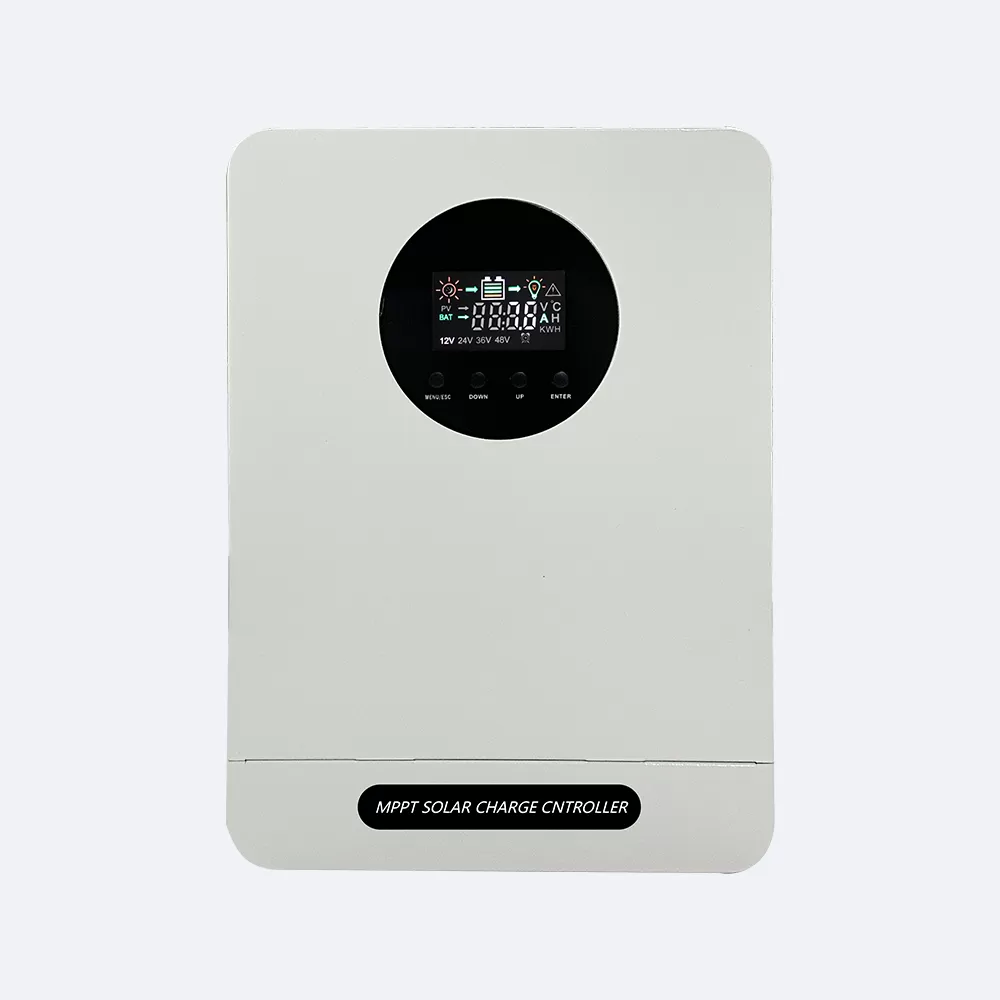
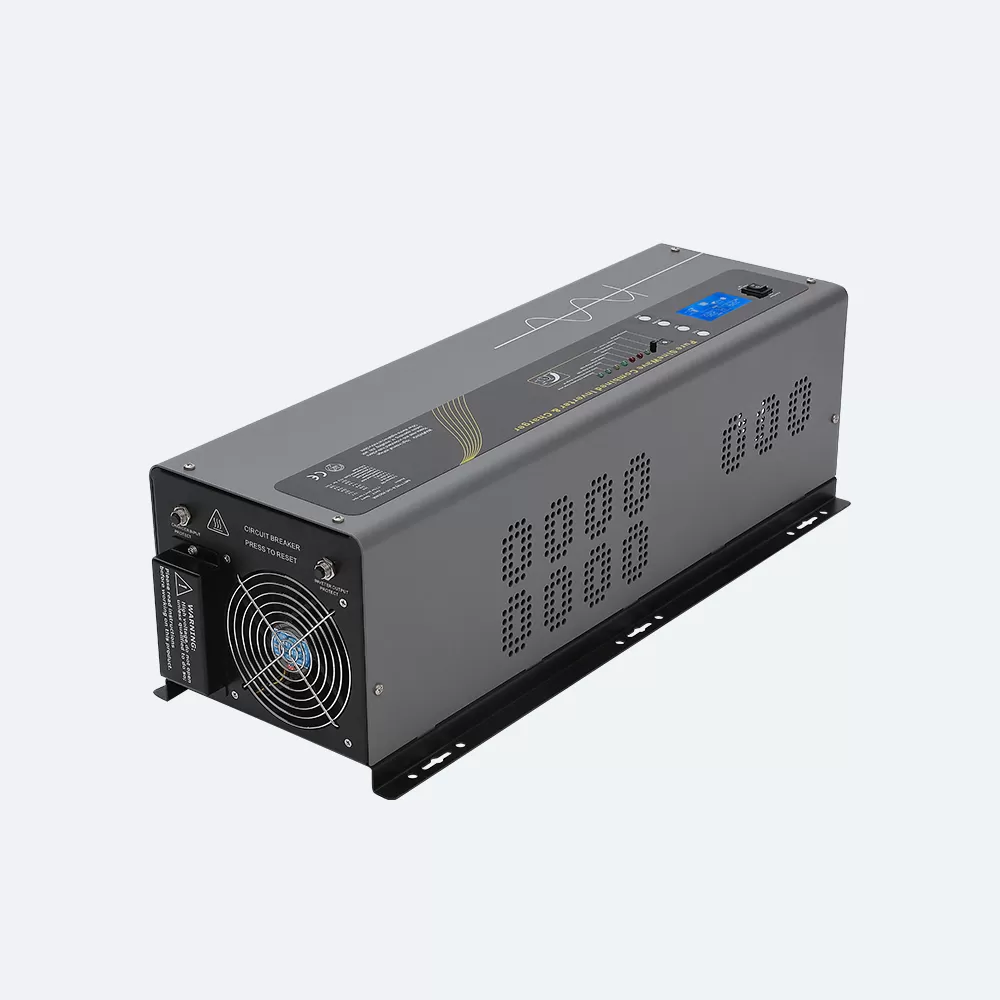
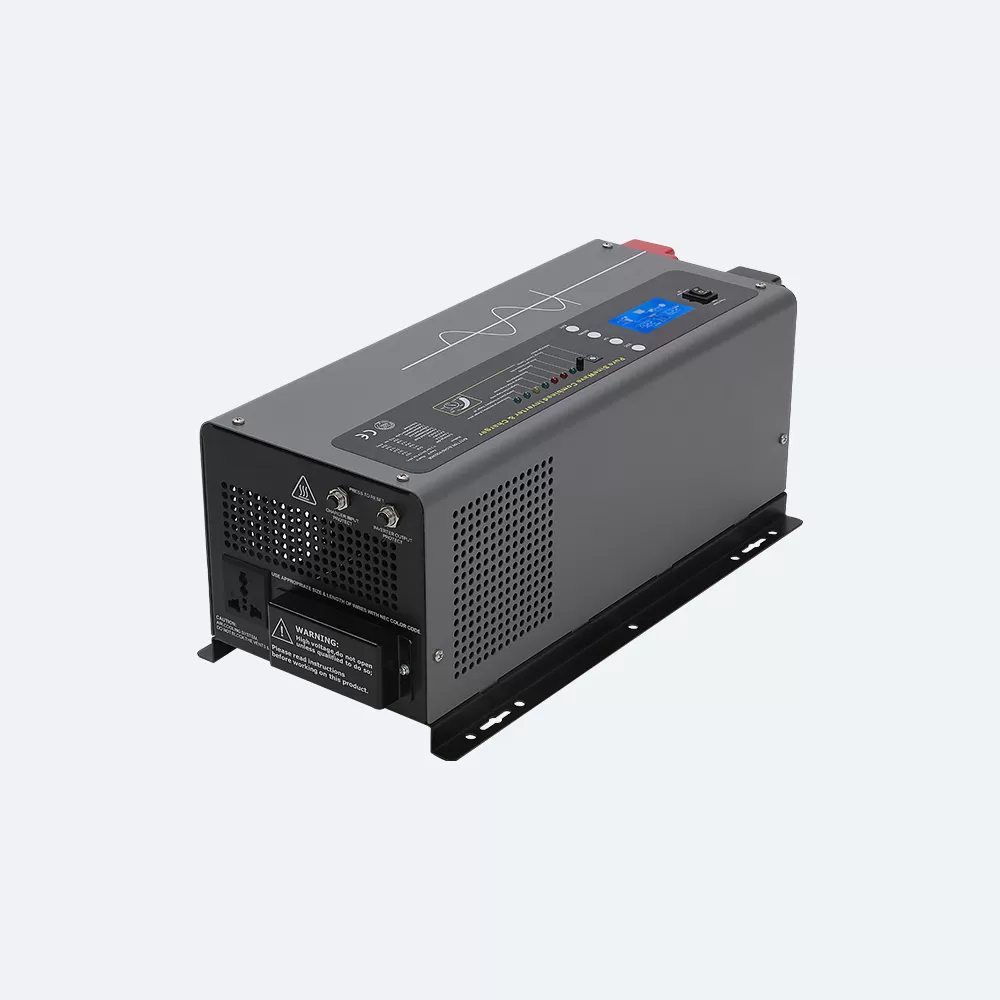
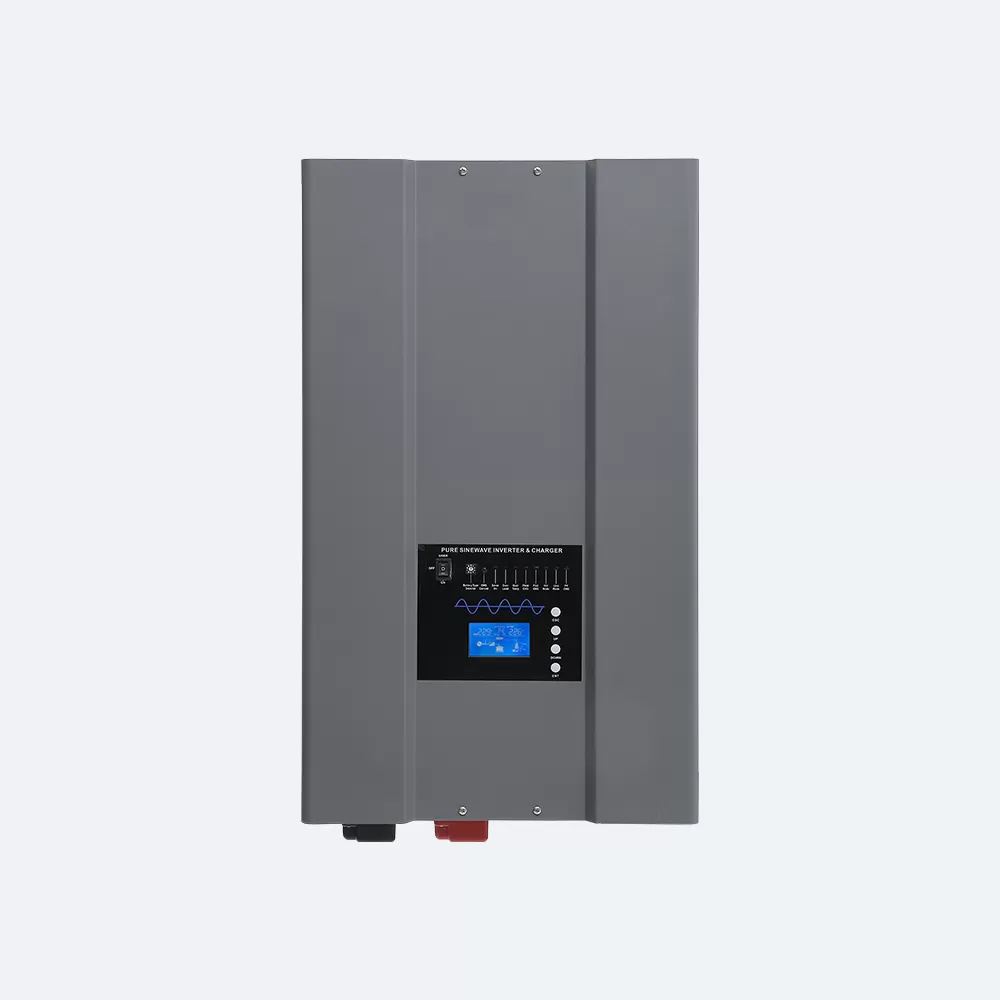
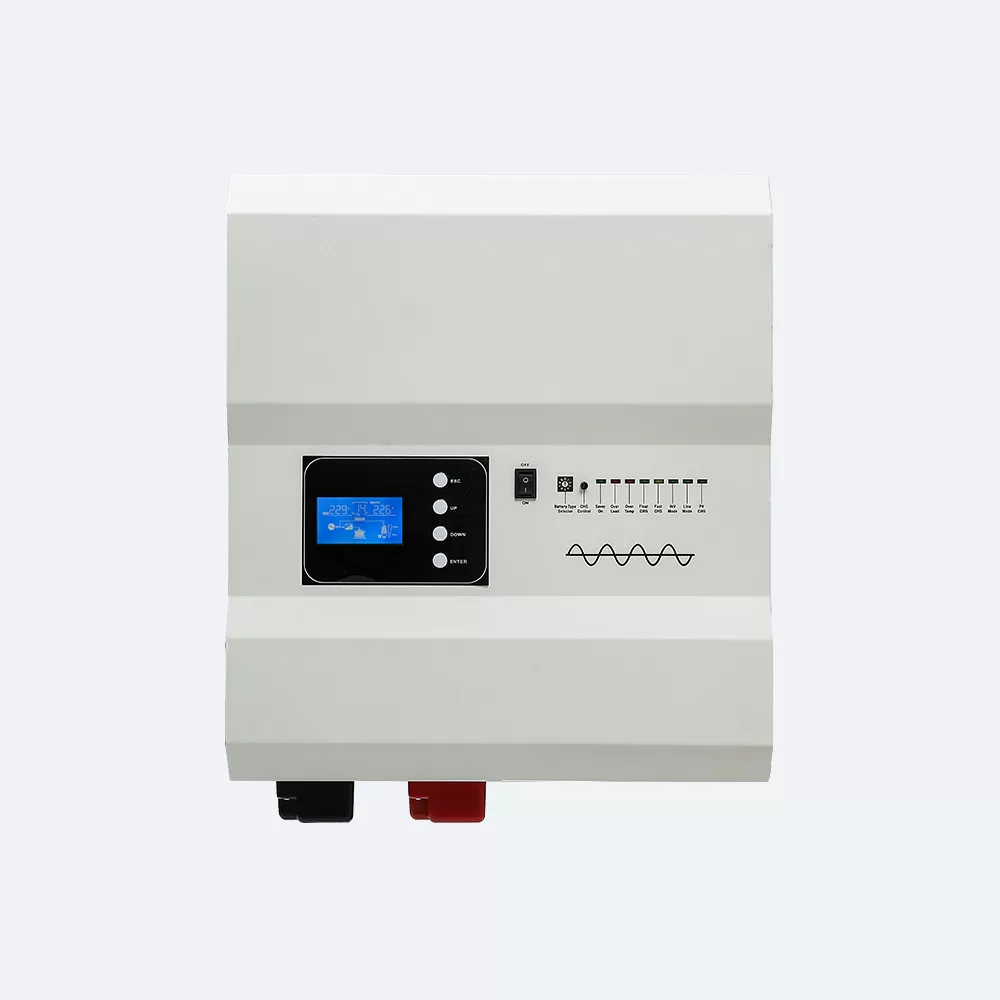
The MPPT Solar Controller (Blue) manages power between solar panels and batteries in off-grid solar systems. It tracks the maximum power point of the PV array and helps convert available solar energy into suitable battery charging power.
Compared with the white model, this blue version can be positioned as a more technical-looking controller option for installers, distributors, and solar product channels. It is suitable for customers who need a practical MPPT charge controller for solar home systems, outdoor power systems, mobile solar setups, and small battery-based energy projects.
Key Features
MPPT charging technology
Helps track solar panel output and improve daily solar energy harvesting under changing sunlight conditions.
Blue model design
The blue appearance gives distributors and OEM/ODM buyers a clear product-line option for local market positioning.
Designed for PV-to-battery charging
Suitable for solar systems where panels charge batteries for later off-grid or backup power use.
Useful for installer projects
A practical controller choice for solar installers, system integrators, outdoor power suppliers, and renewable energy dealers.
Off-grid application support
Can be used in solar home systems, outdoor lighting, mobile solar systems, field power, and small off-grid projects.
Wholesale and OEM/ODM supply
Hongyi Electric supports distributors, wholesale buyers, and private-label customers with product matching and customization cooperation.
Typical Applications
The MPPT Solar Controller (Blue) can be used in off-grid solar power systems, solar home systems, outdoor lighting projects, battery charging systems, mobile solar setups, field power supply, and small renewable energy applications.
It is especially suitable for buyers who need a clear MPPT controller SKU for installation channels, wholesale distribution, and solar accessory product lines.
How to Select the Right Model
Before ordering, confirm the solar panel power, PV open-circuit voltage, battery voltage, battery type, charging current requirement, cable size, installation environment, and system application.
Do not choose only by appearance or price. The controller must match the PV array and battery system. If the PV input voltage or charging current exceeds the controller limit, the system may become unstable or unsafe.
Why Choose Hongyi Electric
Hongyi Electric supplies solar charge controllers, inverters, portable power products, and power conversion solutions for global renewable energy markets. We support B2B buyers with wholesale supply, OEM/ODM cooperation, private-label projects, and application-based product selection.