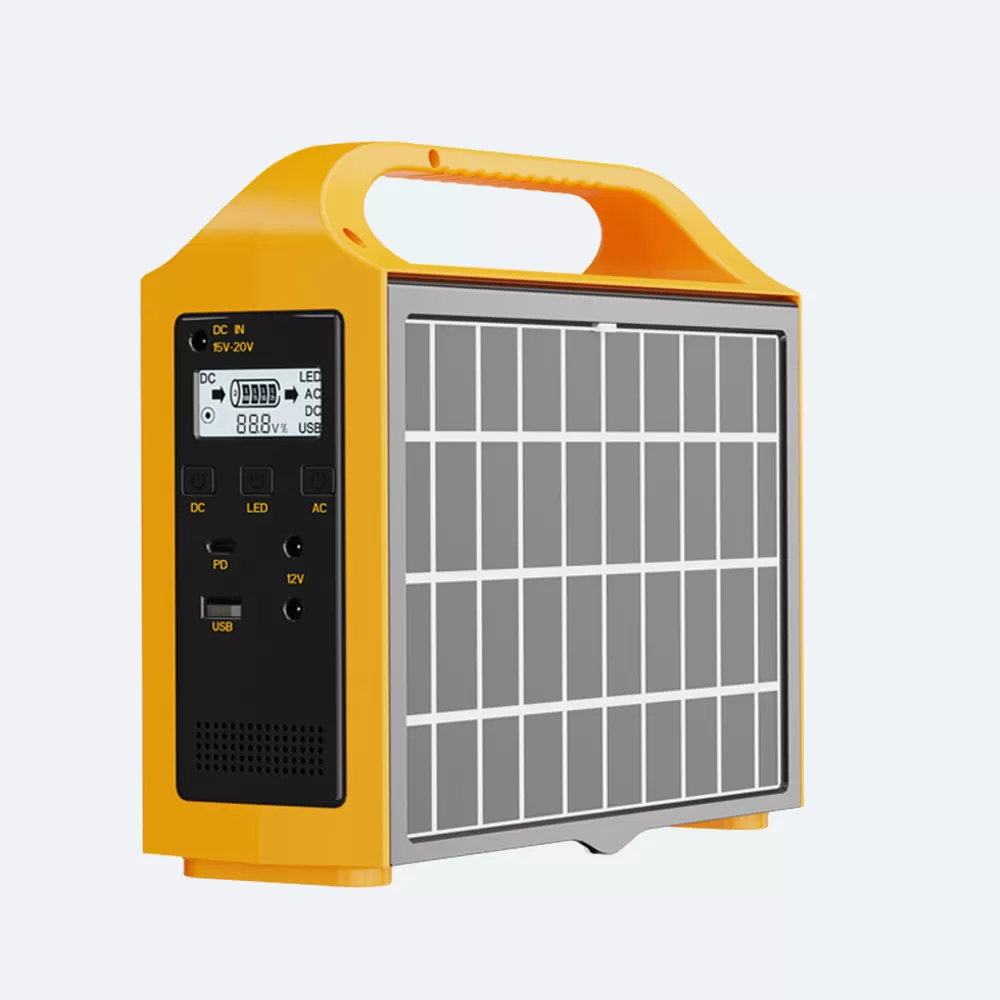
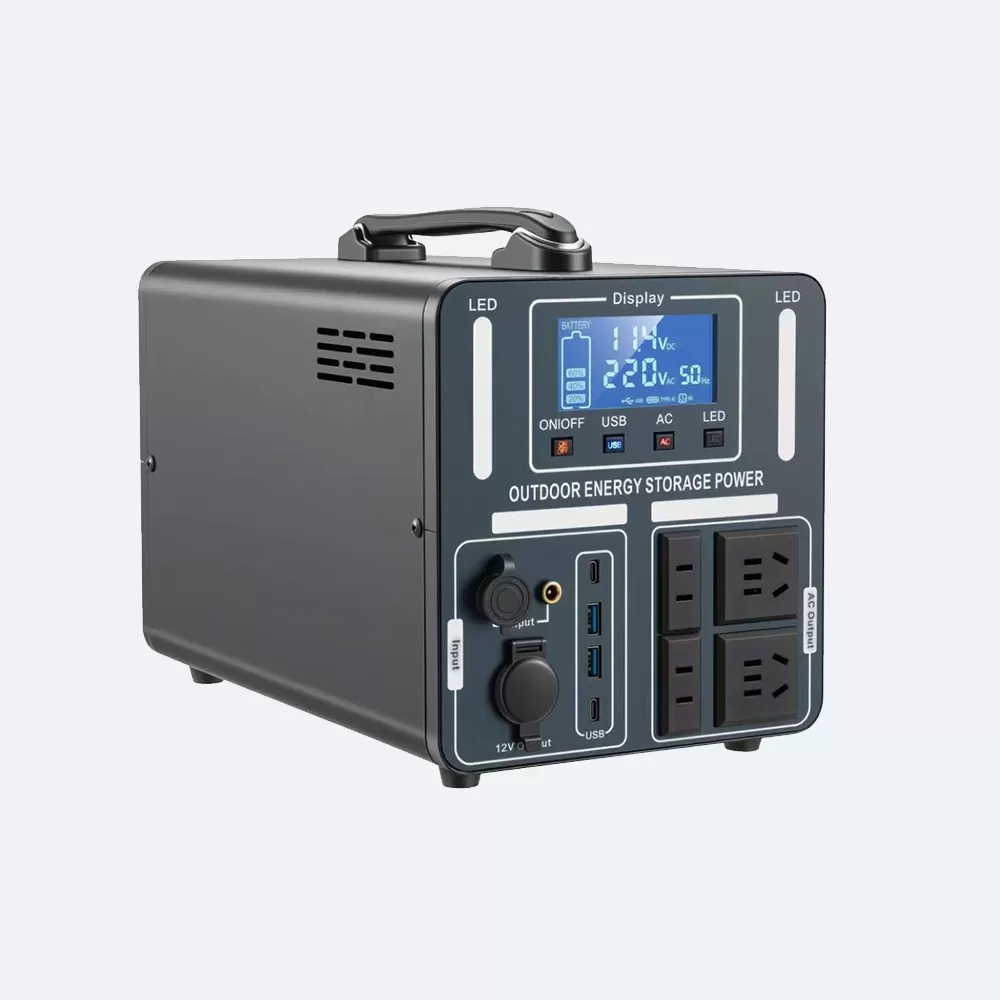
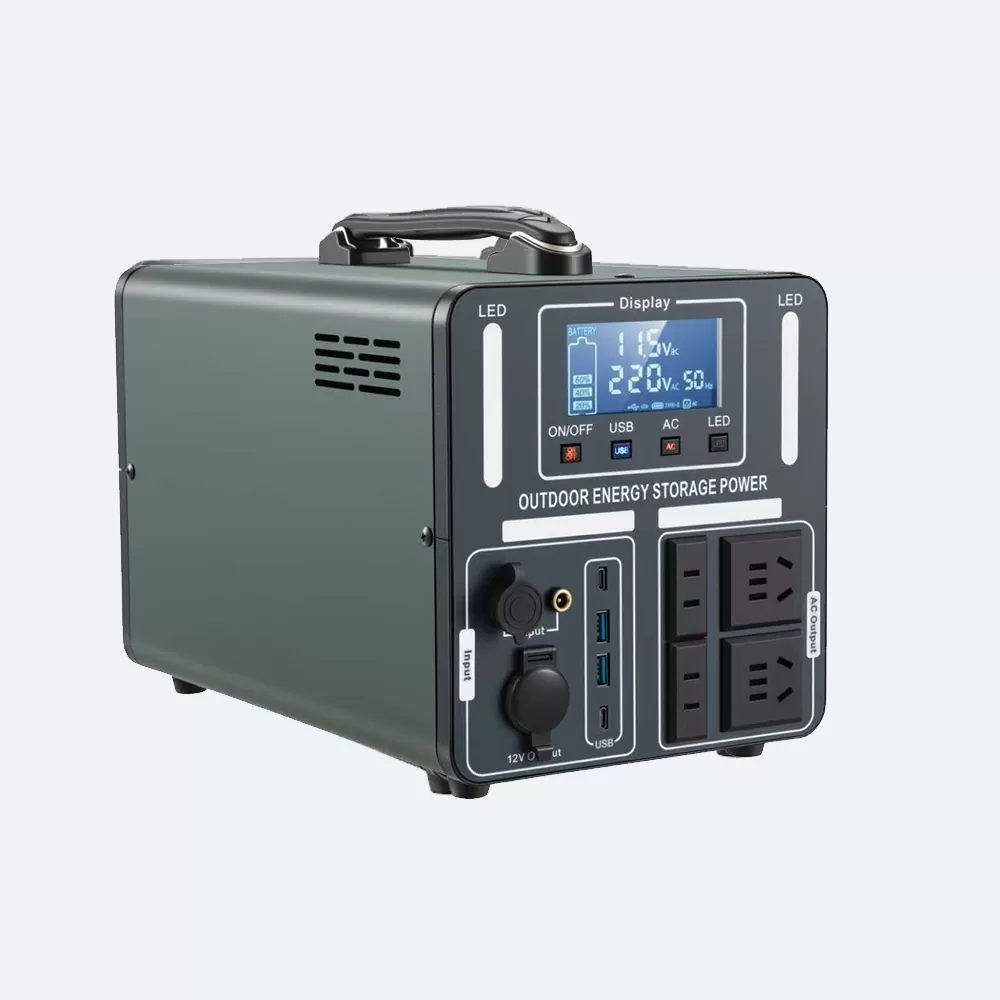
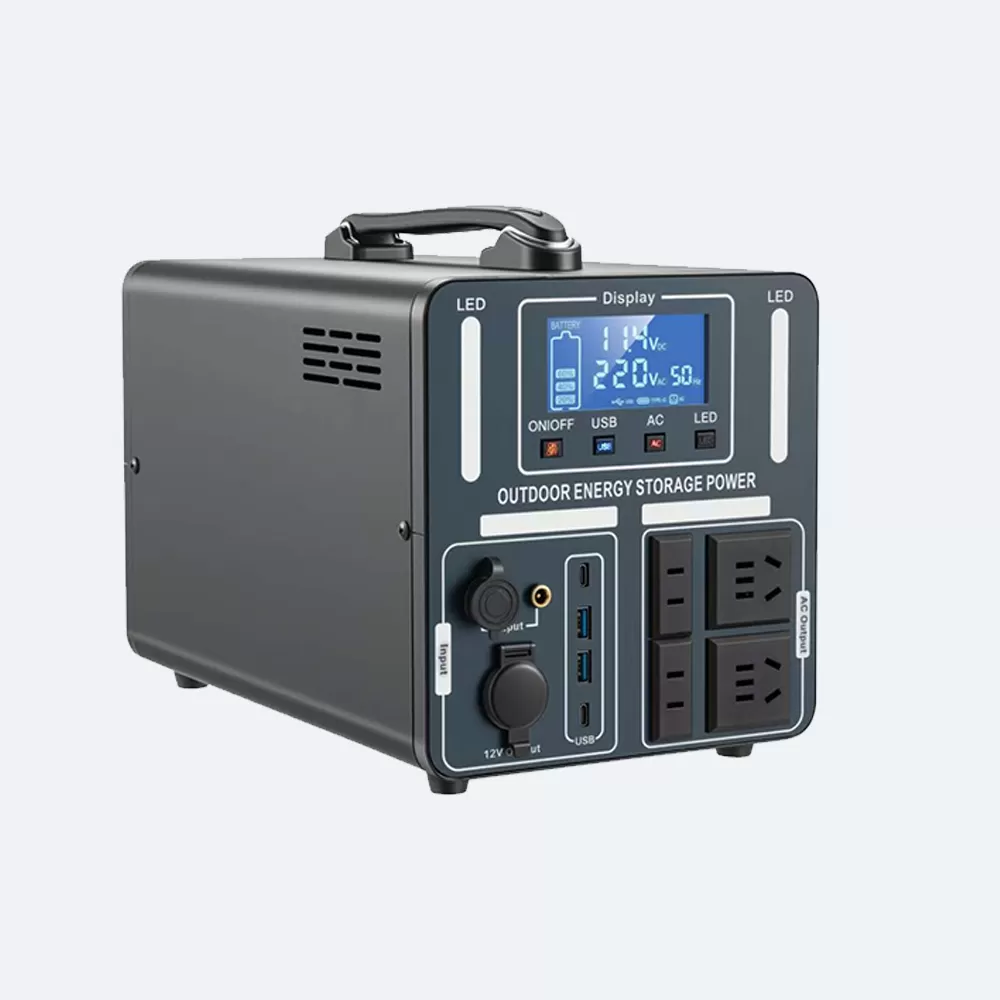
Technical Specifications
| Product Parameter | XW-C5020 | XW-C5026 | XW-C5030 | XW-C5045 | XW-C5050 |
| Lithium battery capacity | 12.8V/20AH | 12.8V/26AH | 12.8V/30AH | 12.6V/45AH | 12.6V/50AH |
| Lithium battery (Wh) | 256Wh | 332.8Wh | 384Wh | 567Wh | 630Wh |
| Solar panel power | 18/60W | 18/60W | 18/100W | 18/120W | 18/150W |
| Inverter power | Sine wave 500W |
| Rated power AC out | AC 220V/50Hz/500W |
| Charging cutoff voltage | LiFePo4 3.65V | LiFePo4 3.65V | LiFePo4 3.65V | Ternary 4.25V | Ternary 4.25V |
| Nominal voltage | LiFePo4 3.2V | LiFePo4 3.2V | LiFePo4 3.2V | Ternary 3.7V | Ternary 3.7V |
| Discharge Cut-off Voltage | LiFePo4 2.3V | LiFePo4 2.3V | LiFePo4 2.3V | Ternary 2.8V | Ternary 2.8V |
| Charging protection voltage | 14.6V | 14.6V | 14.6V | 12.6V | 12.6V |
| Discharge protection voltage | 9.2V | 9.2V | 9.2V | 8.4V | 8.4V |
| MBS intelligent protection | 9.2-14.6V/50A | 9.2-14.6V/50A | 9.2-14.6V/50A | 8.4-12.6V/50A | 8.4-12.6V/50A |
| MPPT in/DC out | 12.6-24V/10A, 12V/8A |
| Dedicated charger/Interface | AC100-240V/14.6V/5A/DC5521 | AC100-240V/14.6V/5A/DC5521 | AC100-240V/14.6V/5A/DC5521 | AC100-240V/12.6V/5A/DC5521 | AC100-240V/12.6V/5A/DC5521 |
| Type-C /USB/DC | PD18W/USB 5V/3A, DC12V/8A*2, DC5521 |
| Shell material | Hardware black, 2 large display screens, 2 interface options |
| AC/DC Switch/LCD.LED | AC/DC Switch, (have) /LCD display screen, LED lighting (have) |
| Certification certificate | CE/Rohs/FCC/UN38.3/MSDS/Air and sea freight reports |
| Product size | 210*170*170mm |
| Solar panel/Product weight | 3kg/4.8kg | 3kg/5kg | 5kg/5.4kg | 7kg/4.6kg | 8kg/5.9kg |
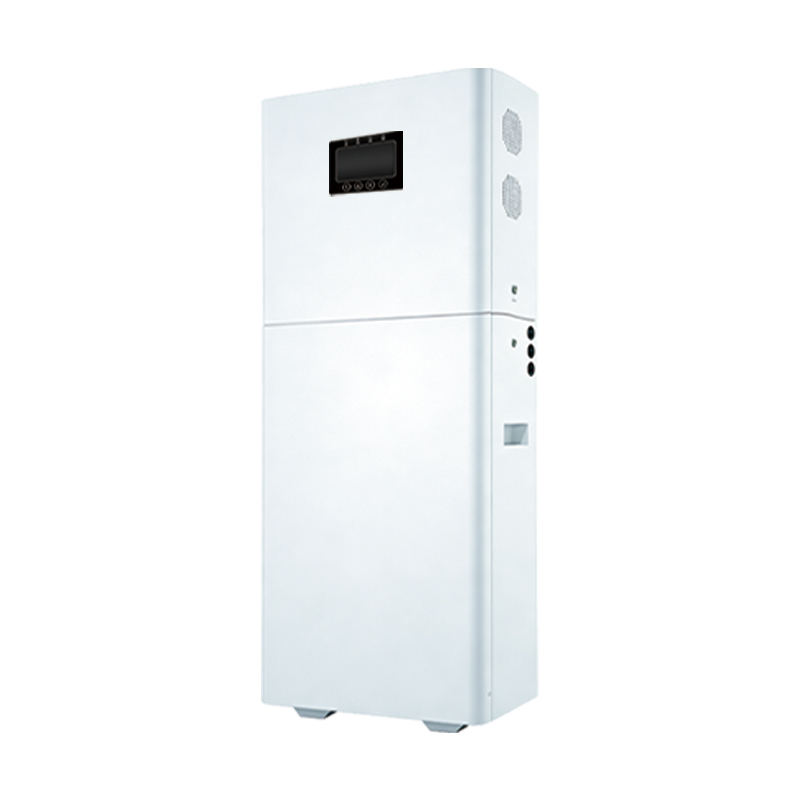
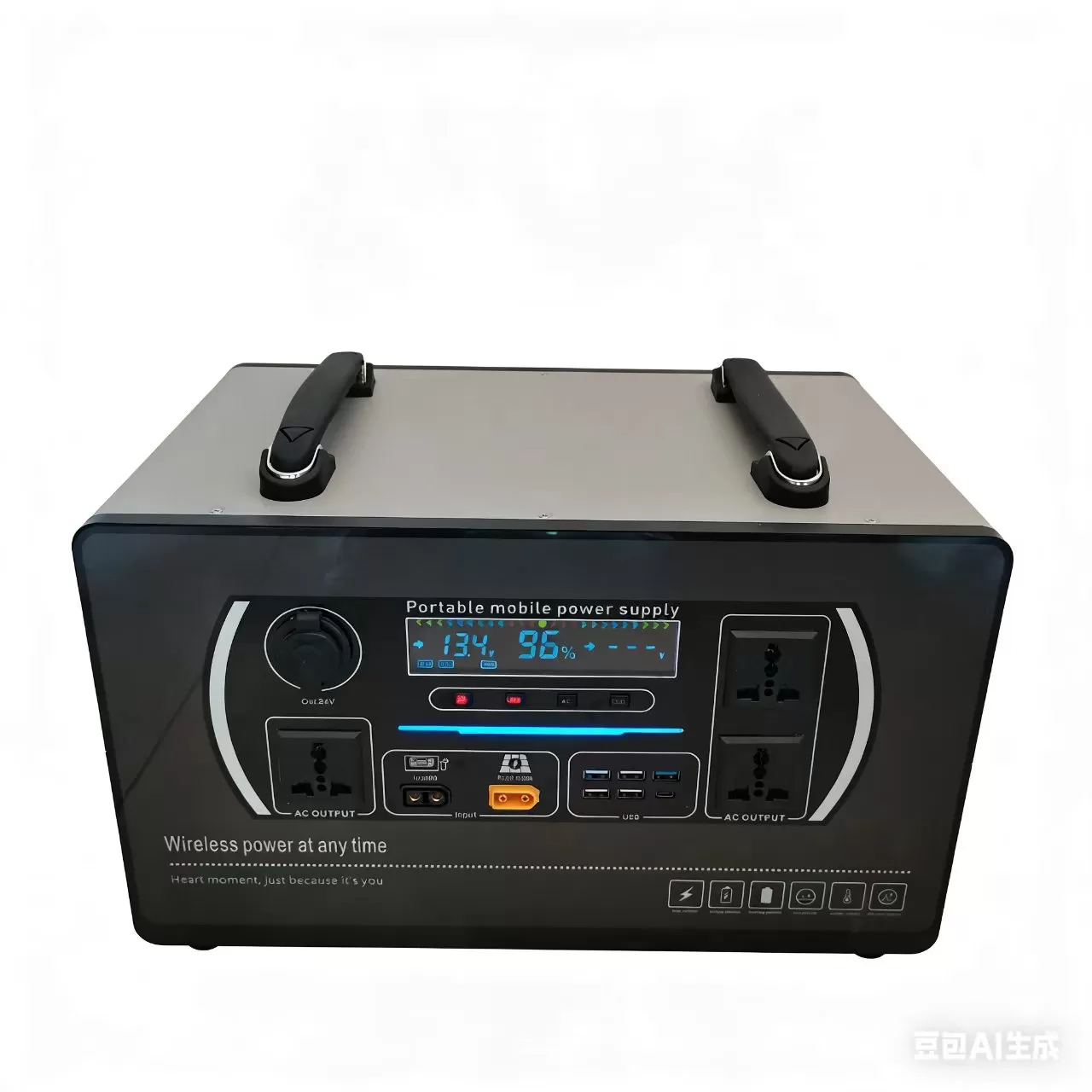
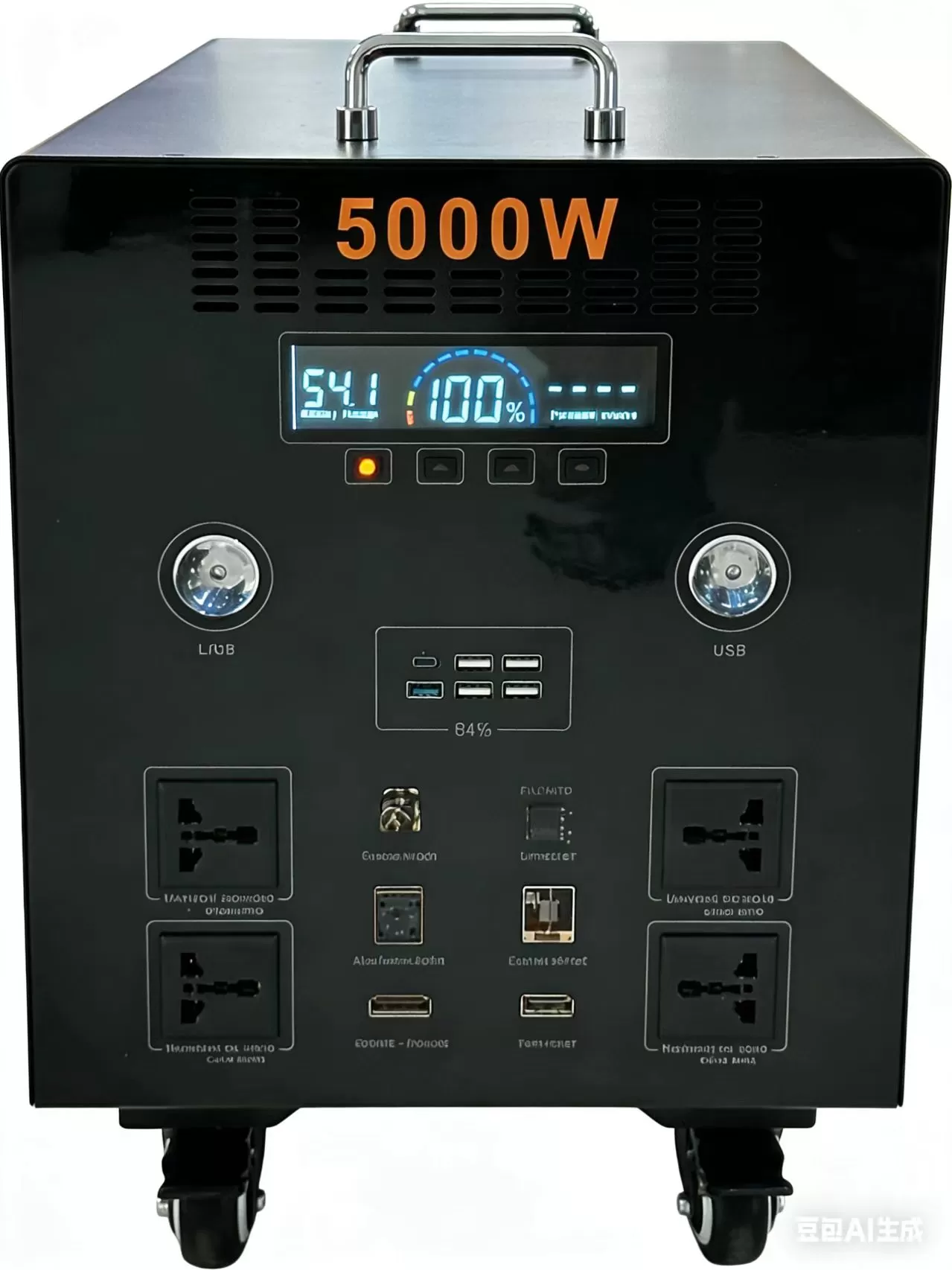
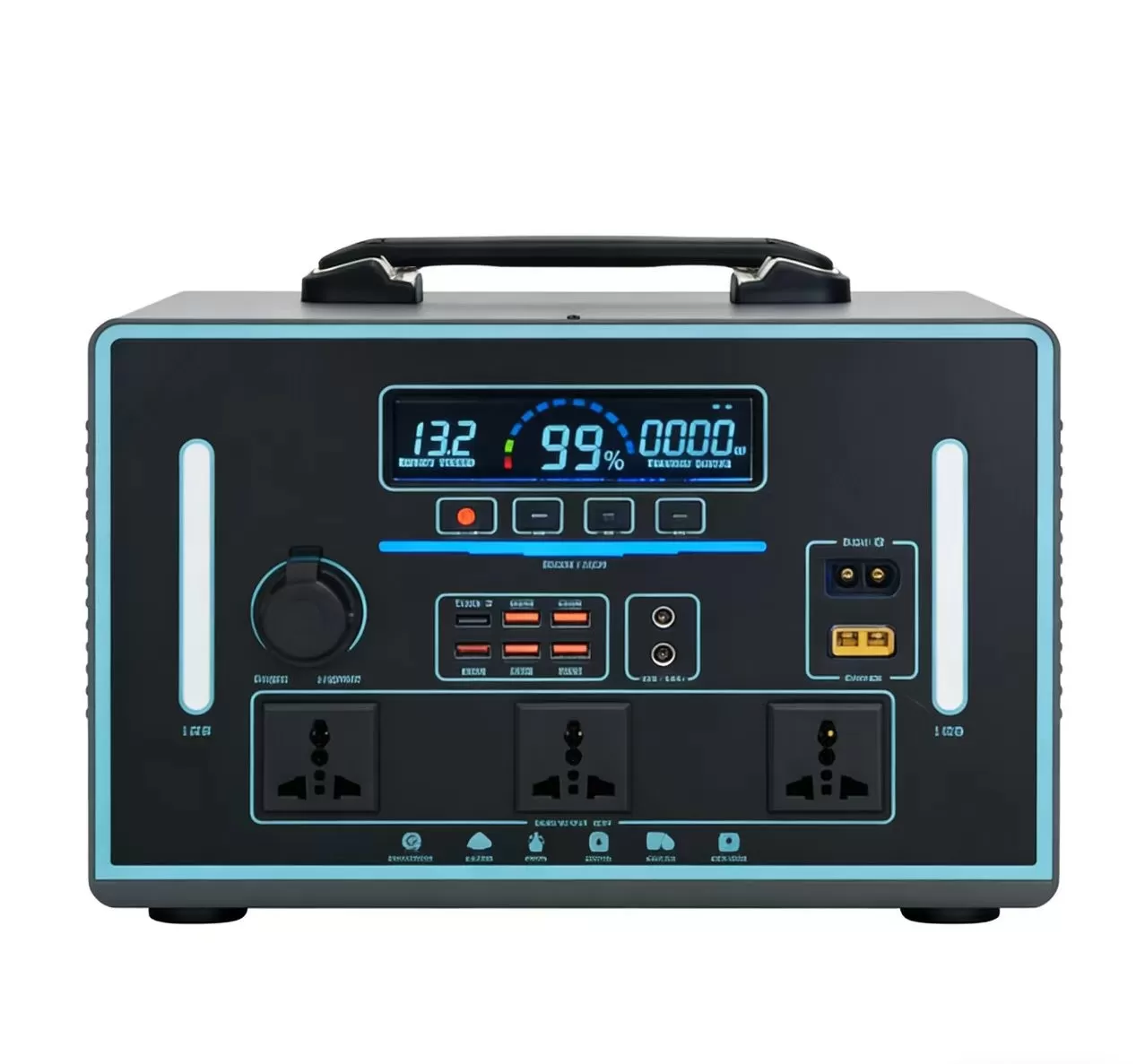
The Model D Portable Power Station is a practical portable energy solution for outdoor power use, emergency backup, mobile work, and small energy storage applications. It is designed for users who need convenient power support in situations where grid electricity is unavailable, unstable, or inconvenient to access.
For distributors, installers, system integrators, wholesale buyers, and project contractors, the Model D Portable Power Station offers a flexible product option for outdoor energy, backup power, mobile power supply, and renewable energy markets. It can be used in daily backup scenarios, outdoor work sites, camping, field maintenance, emergency preparation, and solar-related power applications.
Product Overview
Portable power stations are widely used in modern energy applications because they can provide movable power support for different devices and environments. The Model D Portable Power Station is suitable for users who need a compact and practical power supply for outdoor, household, mobile, and project-based use.
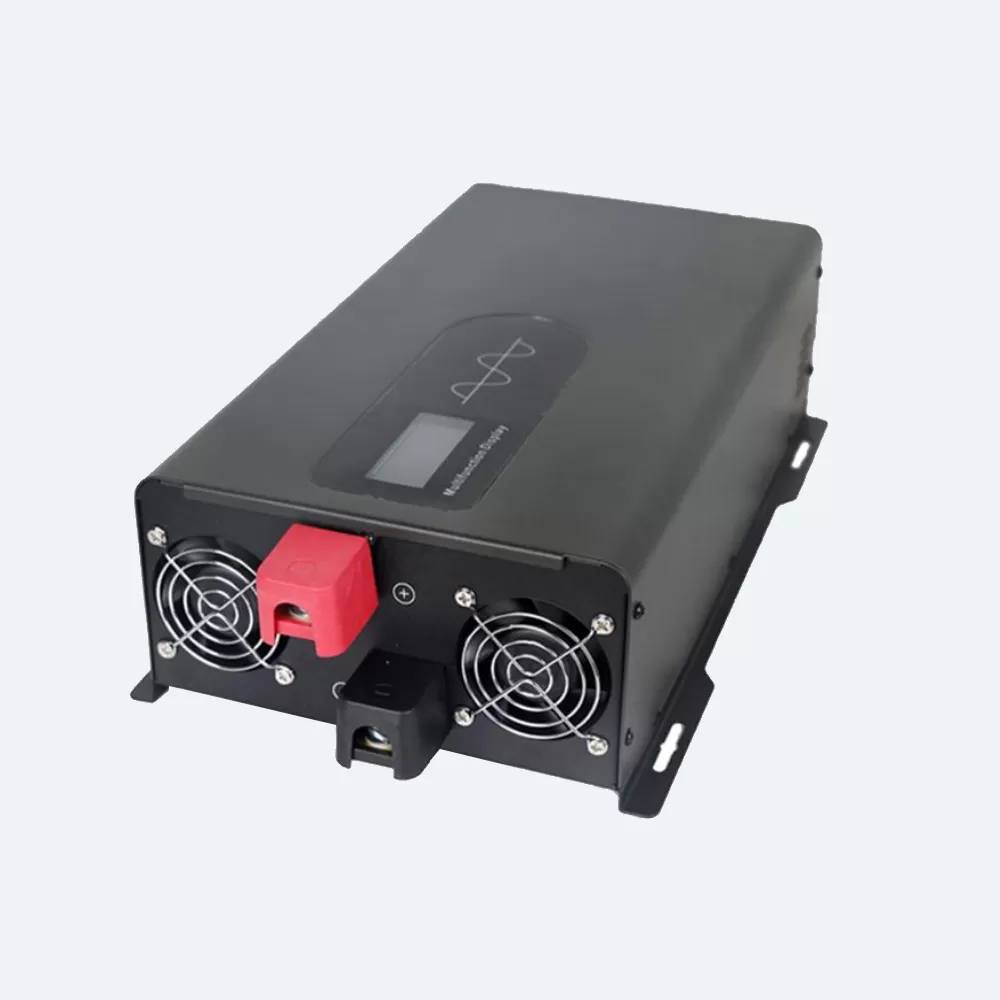
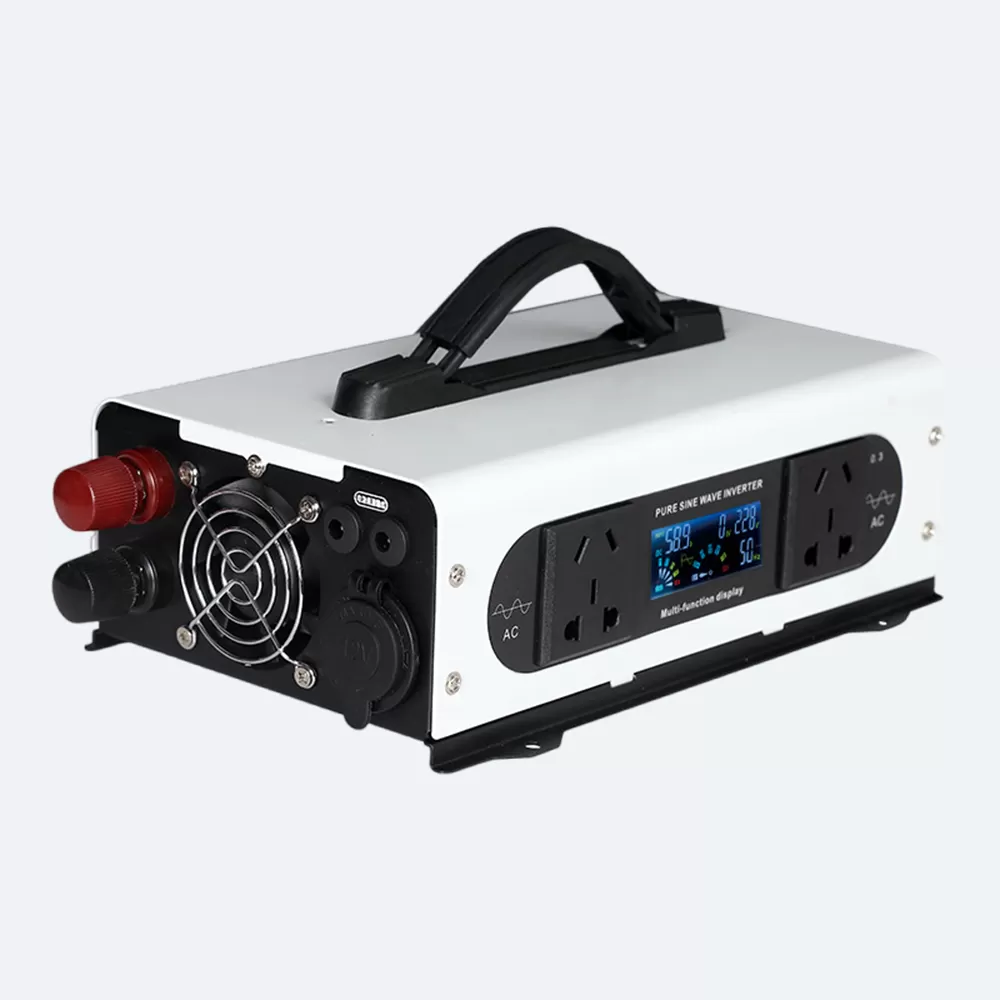
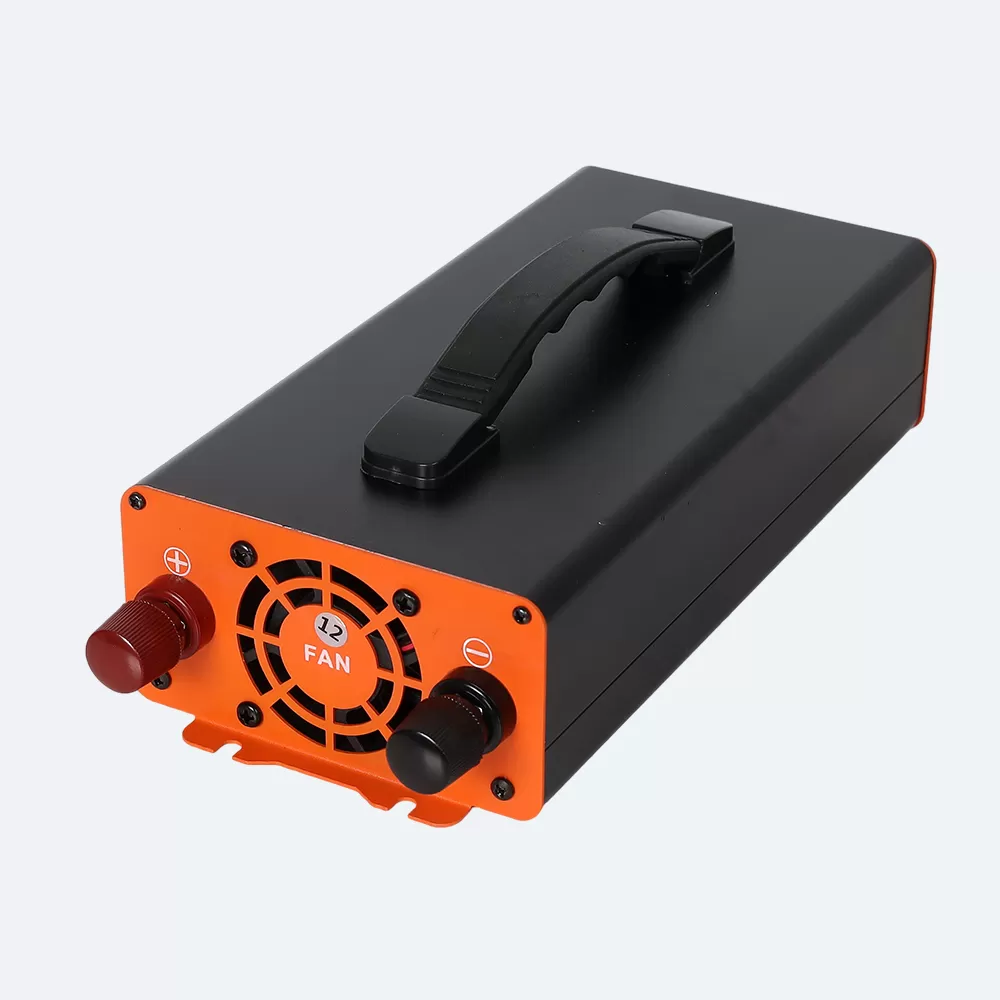
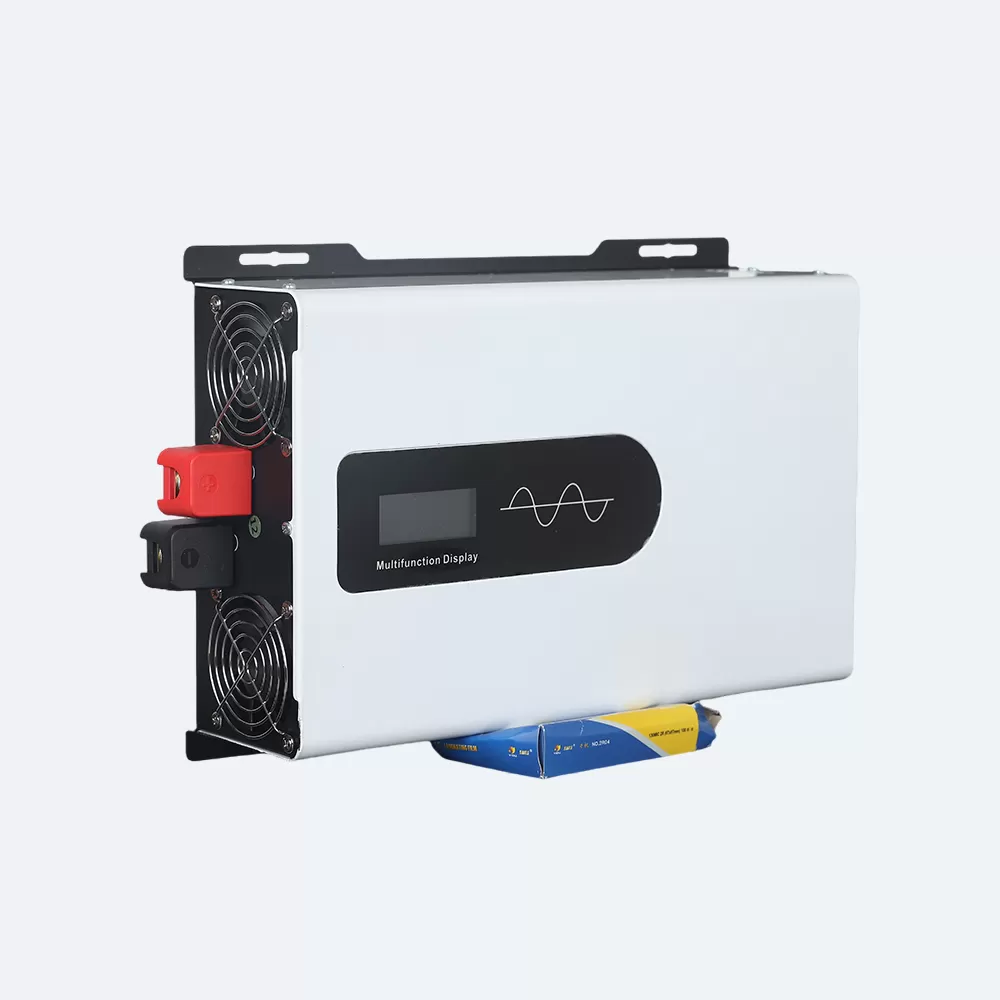
There are several models tailored to different usage scenarios, durations, and functional needs. You can pick different styles based on what you specifically require. This covers, but isn't limited to, battery capacity, output power, voltage, and plug types.
Key Features
Portable power solution
Designed for mobile energy use where flexible power supply is needed outside fixed grid-power environments.
Suitable for outdoor and backup applications
Can be used for camping, outdoor work, emergency backup, field maintenance, temporary power supply, and small energy storage projects.
Practical for solar energy use
Can be matched with suitable solar charging solutions depending on system configuration and project requirements.
Flexible device support
Suitable for powering compatible small appliances, lighting, communication devices, tools, and other electrical equipment within the product’s rated capacity.
Useful for B2B markets
Suitable for distributors, wholesalers, installers, outdoor equipment suppliers, emergency power dealers, and renewable energy solution providers.
Project matching support
Hongyi Electric can help buyers select suitable portable power solutions according to load type, working time, target market, and order requirements.
OEM/ODM cooperation
Hongyi Electric can support private-label supply, customized product cooperation, and wholesale projects according to buyer needs and order quantity.
Typical Applications
The Model D Portable Power Station can be used for outdoor camping, emergency home backup, mobile work sites, field maintenance, temporary lighting, communication equipment support, small off-grid power use, outdoor events, and renewable energy demonstration projects.
It is also suitable for distributors and wholesale buyers who need a portable power product for local markets such as outdoor recreation, household backup power, mobile energy, and solar-related applications.
How to Select the Right Solution
Before choosing the Model D Portable Power Station, buyers should confirm the device power, total load, expected working time, output voltage requirement, charging method, usage environment, and order quantity.
For devices with high startup power, such as motors, pumps, compressors, or power tools, the surge power requirement should be checked carefully before ordering. For project or wholesale orders, providing the full application details helps Hongyi Electric recommend a more suitable portable power solution.
Why Choose Hongyi Electric
Hongyi Electric supplies solar charge controllers, inverters, portable power stations, and power conversion solutions for global renewable energy and backup power markets. We support B2B customers with product selection, wholesale supply, OEM/ODM cooperation, private-label programs, and project-based matching.
For buyers looking for a practical portable power product, the Model D Portable Power Station provides a flexible option for outdoor, backup, mobile, and solar-related energy applications.