Dongguan Hongyi Electric Products Co., Ltd.



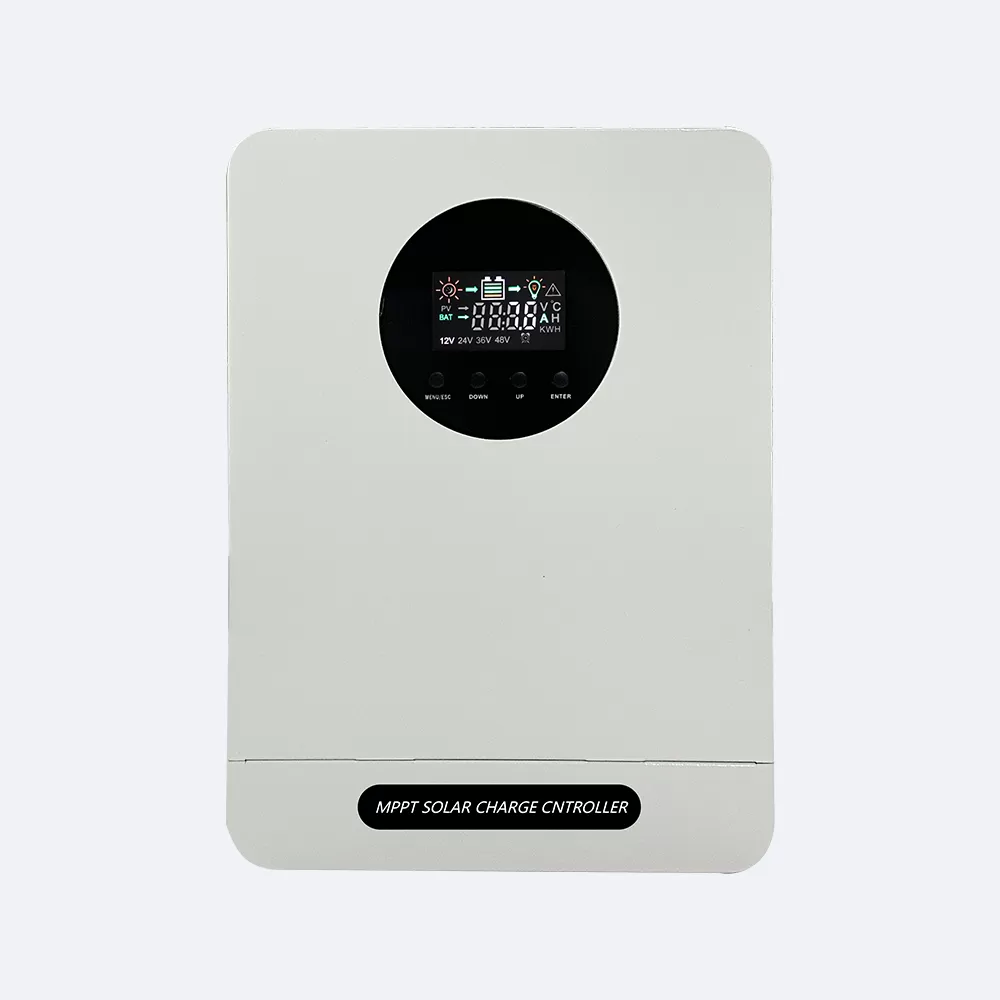
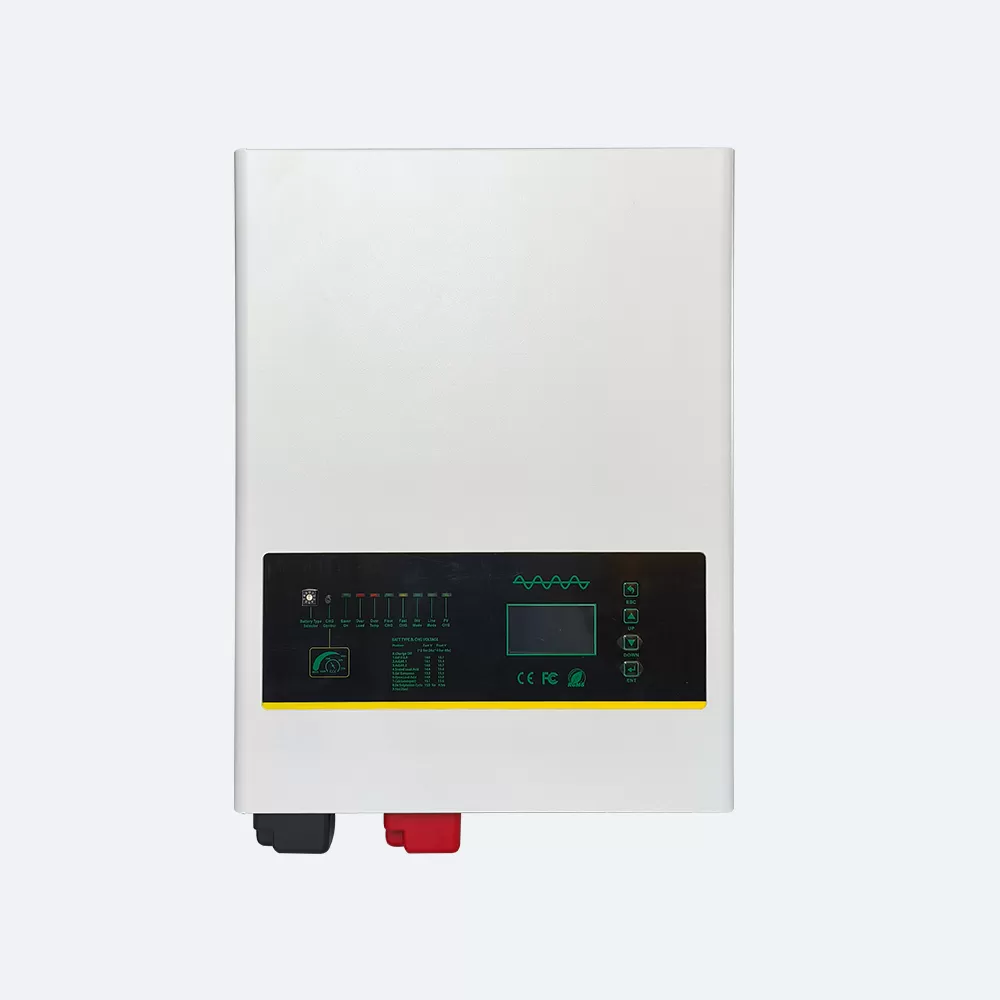
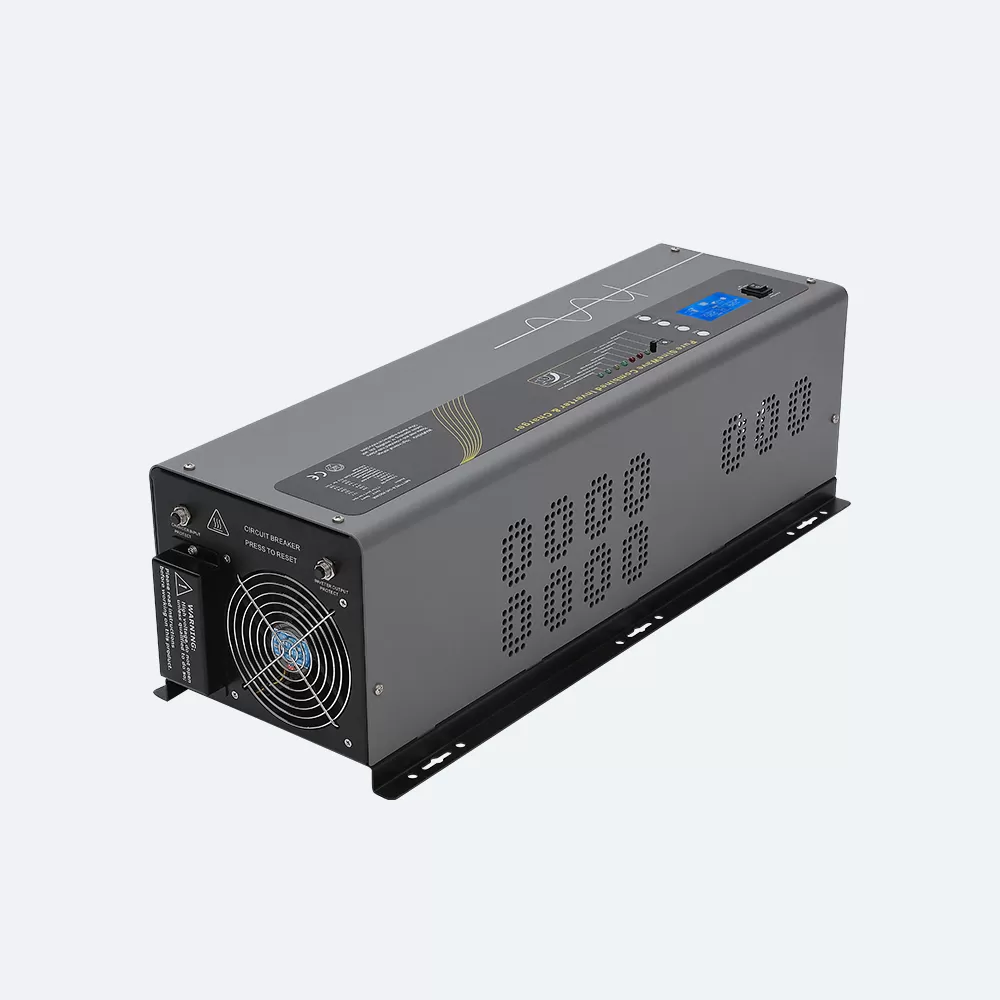
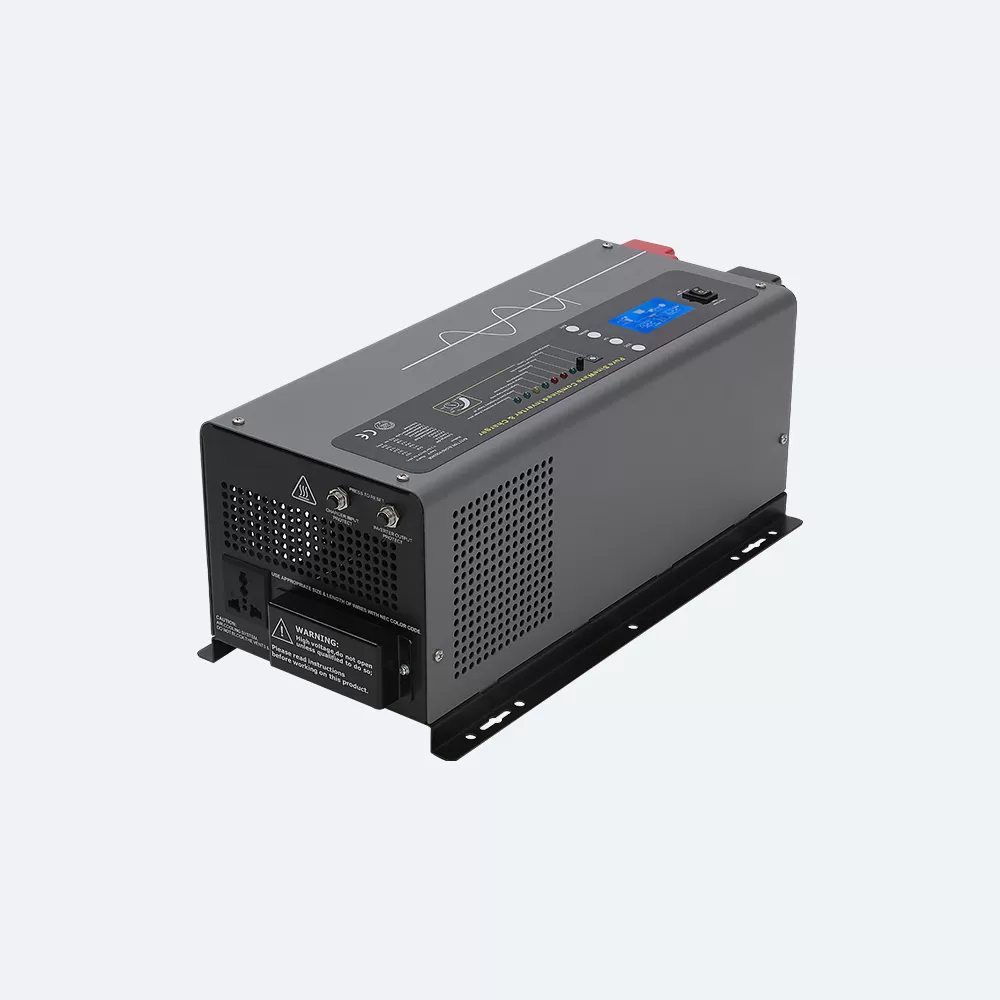
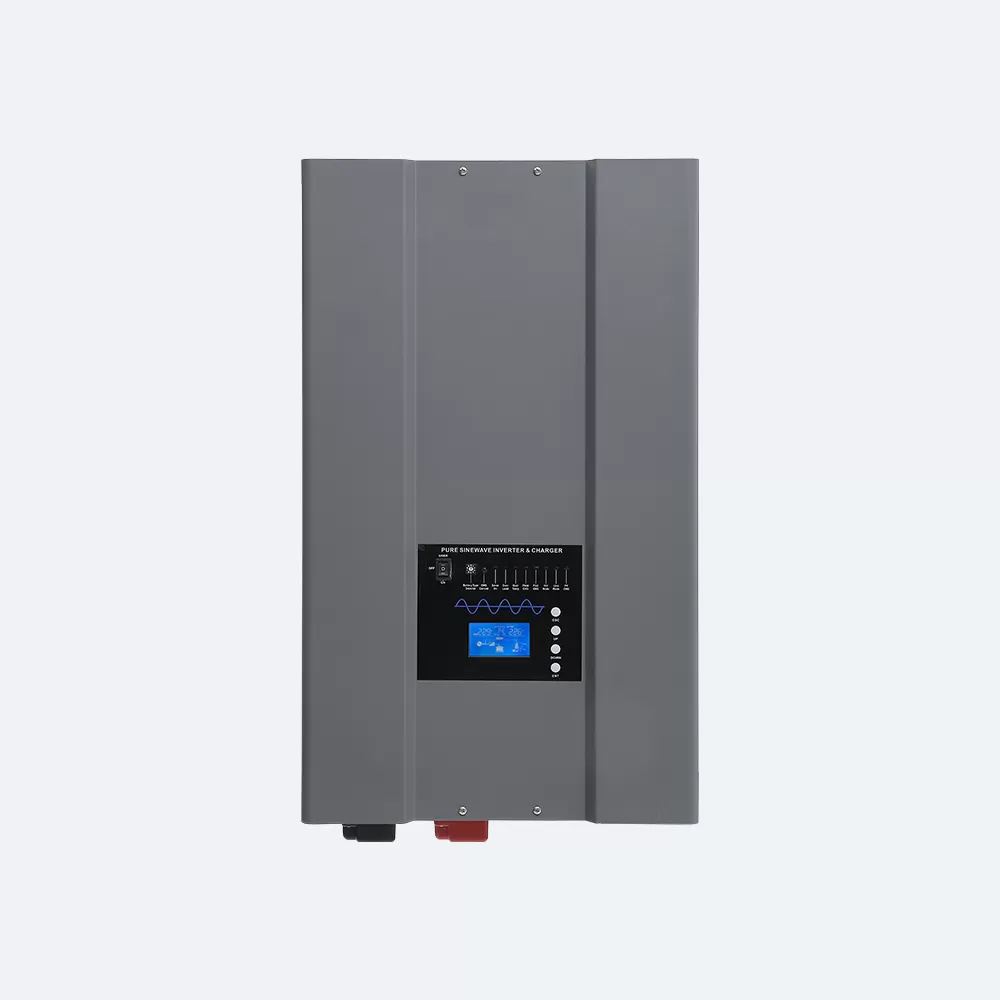
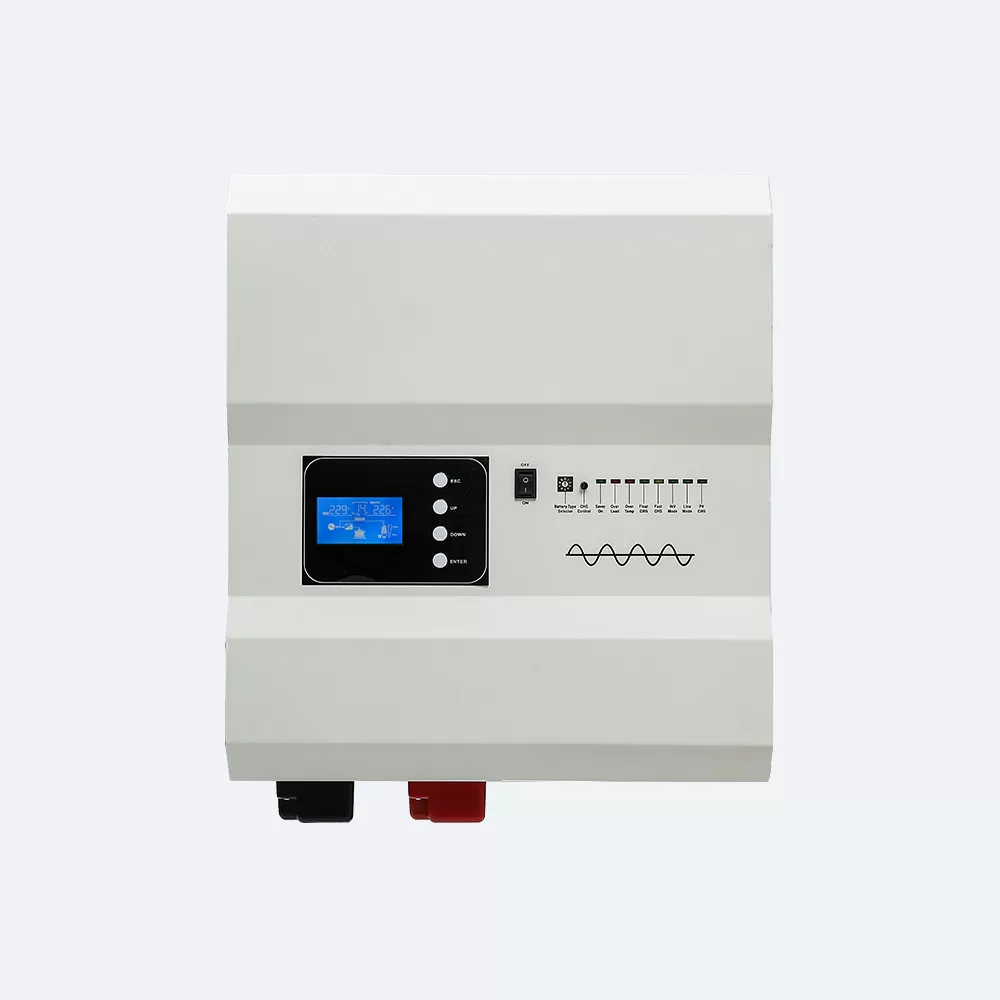
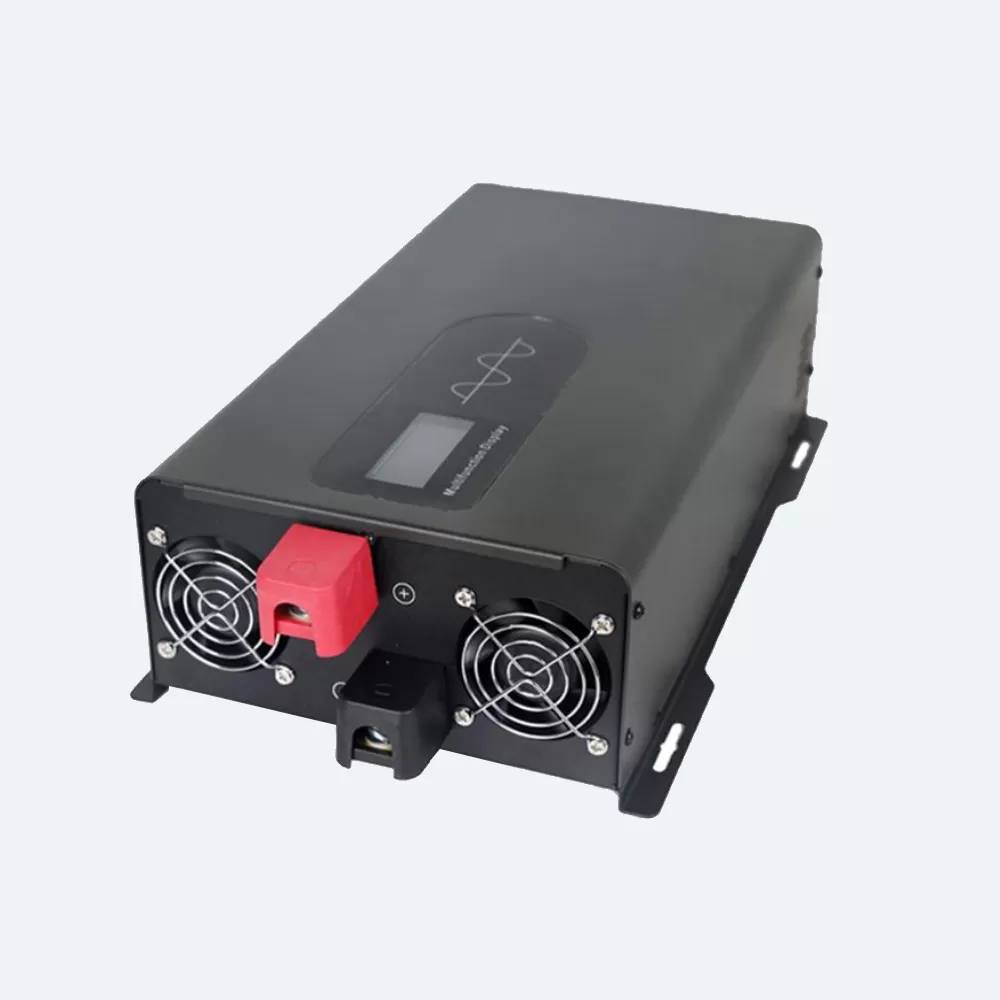
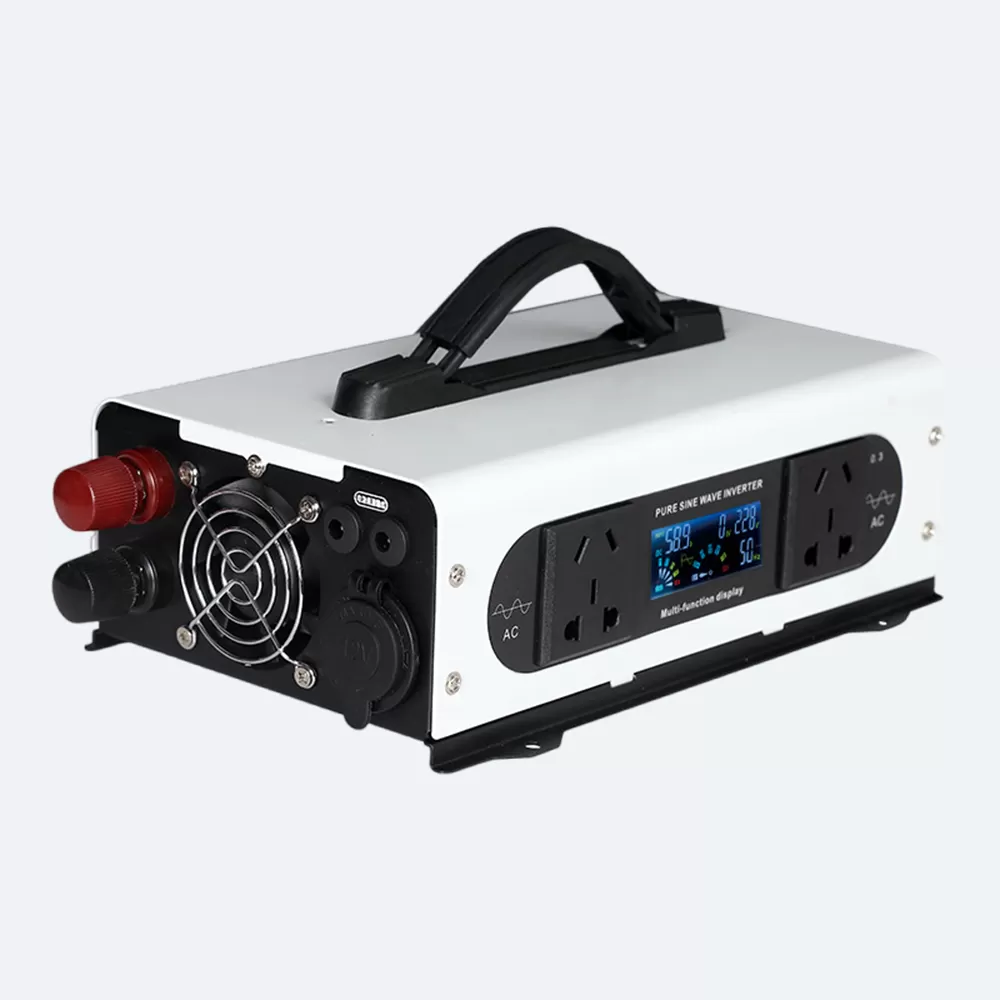
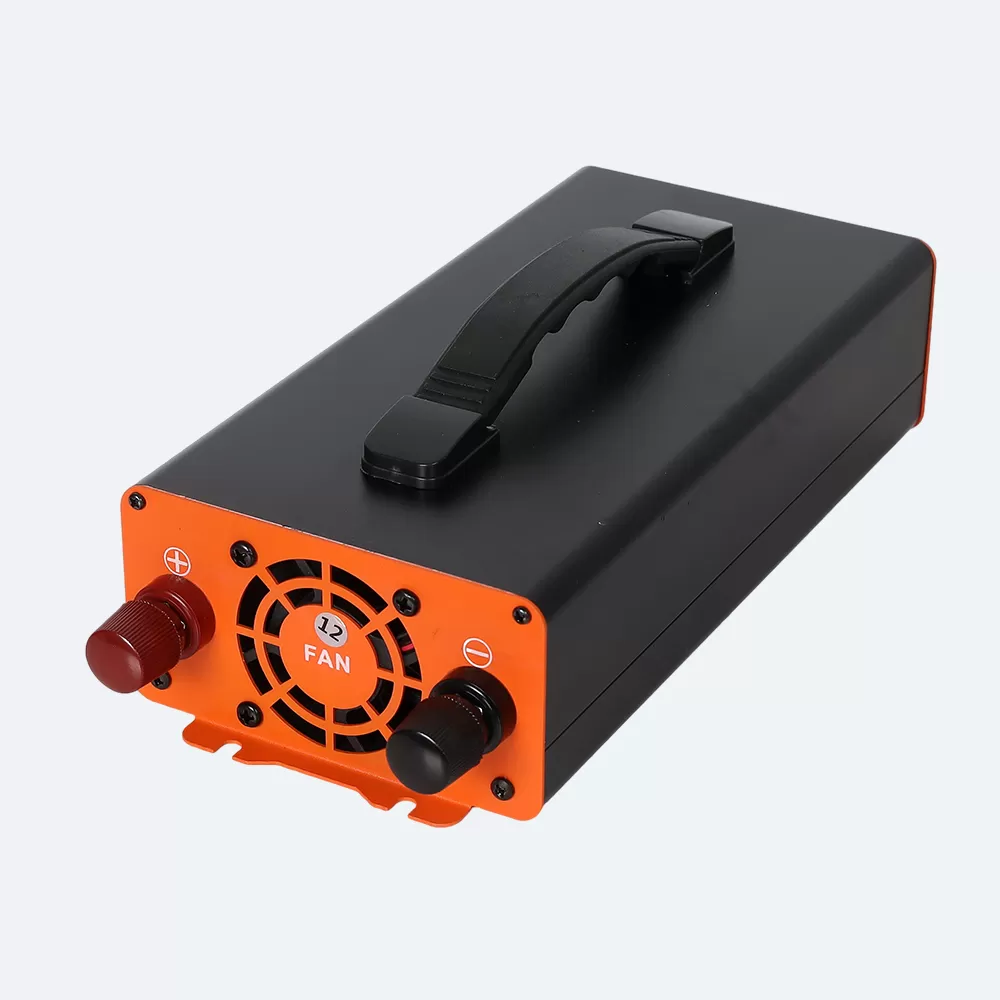
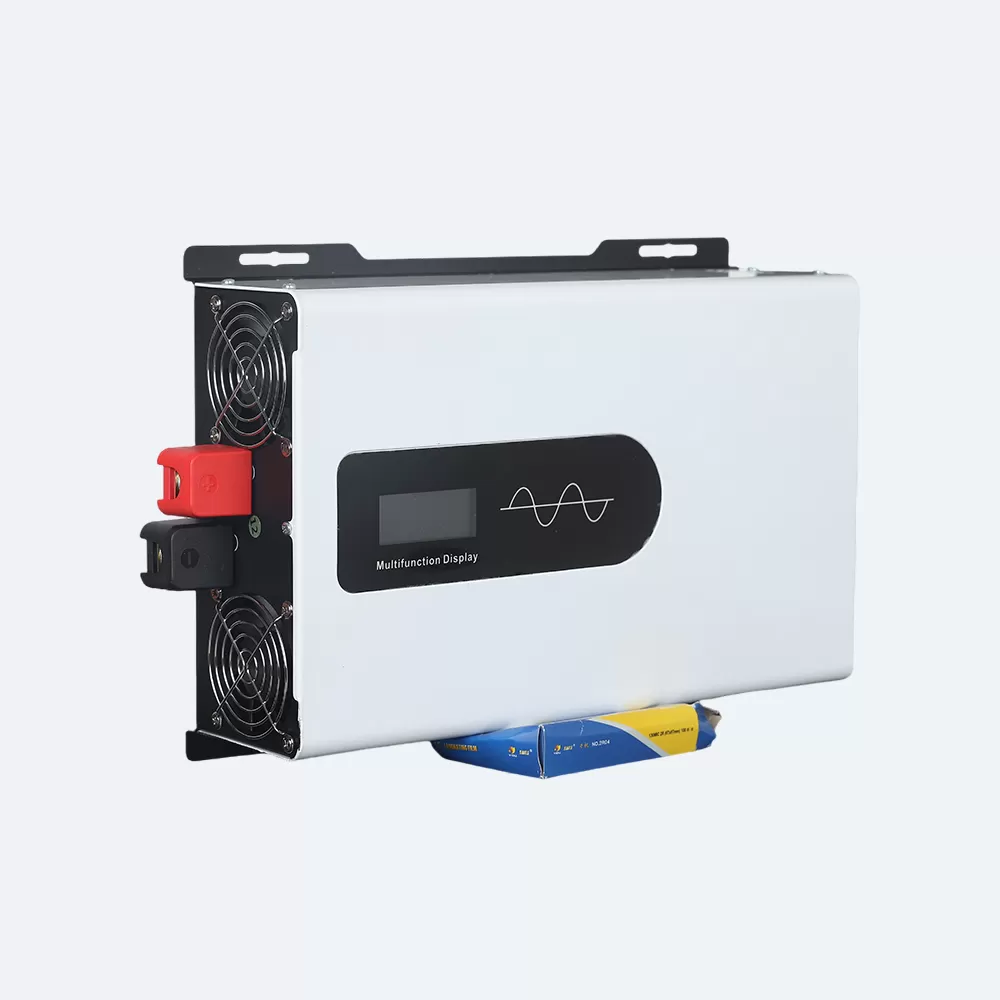
High-frequency MPPT solar charge controller


Solar Voltage Reduction Controller
Description


| Parameter Name | Parameter Value | ||
| Product Model | Step-down Solar Charge Controller | ||
| Input Voltage | 18V – 145V | ||
| Max Input Current | 25A – 100A | ||
| Input Power | 700W – 5600W | ||
| Battery Type | Lead-acid, Gel, Lithium | ||
| Solar Panel Type | Monocrystalline or Polycrystalline Silicon | ||
| Output Voltage | 12V / 24V / 48V | ||
| Max Output Current | 25A / 30A / 50A / 60A / 100A | ||
| Voltage Level | Switching Settings (Voltage & Type) | Configuration Details | Full Charge Voltage |
| 12V Level (Top Terminal) | 1. Lead-acid: 1pcs x 12V battery | Factory Default | 14.6V |
| 2. Lithium battery option - 4-cell lithium iron phosphate battery | 14.6V | ||
| 3. Lithium battery configuration - 3-cell ternary lithium battery | 12.6V | ||
| 4. Lithium battery option - 4-cell ternary lithium battery | 16.8V | ||
| 24V Level (Middle Terminal) | 1. Lead-acid setting - 2 lead-acid batteries | 29.2V | |
| 2. Lithium battery option - 8-cell lithium iron phosphate battery | 29.2V | ||
| 3. Lithium battery option - 7-cell ternary lithium battery | 29.4V | ||
| 4. Lithium Battery Mode — 6-Series Ternary Lithium Battery | 25.2V | ||
| 48V Level (Bottom Terminal) | 1. Lead-acid setting - 4 lead-acid batteries | 58.4V | |
| 2. Lithium battery option - 16-cell lithium iron phosphate battery | 58.4V | ||
| 3. Lithium Battery Mode — 15-Series Lithium Iron Phosphate Battery | 54.7V | ||
| 4. Lithium battery option - 14-cell ternary lithium battery | 58.8V | ||
The Solar Voltage Reduction Controller is a practical DC power management solution for solar energy systems and related battery-based applications. It is designed for situations where the system input voltage must be reduced or matched before connecting to compatible equipment, loads, or power components.
For solar distributors, installers, system integrators, and project buyers, a voltage reduction controller can help improve system compatibility and simplify power matching between different DC components. It is suitable for projects that require a controlled lower-voltage output rather than directly using the higher input voltage available in the system.
Product Overview
In solar and DC power systems, different components may operate at different voltage levels. Connecting equipment without confirming voltage compatibility can lead to unstable performance, equipment damage, or unnecessary installation risk.
The Solar Voltage Reduction Controller helps support proper voltage matching for suitable solar, battery, outdoor, mobile, and off-grid applications. Buyers should select the correct solution based on the actual input voltage, required output voltage, load current, cable condition, and installation environment.
Key Features
DC voltage reduction support
Designed for applications where a higher DC input voltage needs to be reduced to match a suitable operating voltage.
Solar system compatibility
Suitable for use in selected solar power, battery-based, and off-grid energy systems where voltage matching is required.
Improved component matching
Helps installers and project buyers match compatible DC power components within one energy system.
Practical for outdoor and mobile use
Suitable for outdoor power, mobile energy, field equipment, temporary installations, and renewable energy projects.
Flexible project application
Can be selected according to actual input conditions, output requirements, load demand, and installation scenarios.
B2B supply support
Suitable for distributors, installers, wholesale buyers, system integrators, and project contractors.
OEM/ODM cooperation
Hongyi Electric can support private-label, customized supply, and project-based cooperation according to market and order requirements.
Typical Applications
The Solar Voltage Reduction Controller can be used in solar power systems, battery-based backup power, outdoor energy projects, mobile power equipment, small off-grid systems, field maintenance, DC lighting applications, and renewable energy demonstration projects.
It is suitable for users who need to connect DC equipment with different operating voltage requirements and want to improve system compatibility through proper voltage reduction and matching.
How to Select the Right Solution
Before selecting a Solar Voltage Reduction Controller, buyers should confirm the input voltage range, required output voltage, load current, power demand, wiring distance, cable size, operating environment, and protection requirements.
For project applications, do not select the controller only by appearance or price. The voltage reduction solution must be matched with the actual solar system, battery system, and connected load. For larger orders, provide the complete application details to Hysolar Energy for product matching.
Why Choose Hongyi Electric
Hongyi Electric supplies solar charge controllers, inverters, portable power products, and DC power management solutions for global renewable energy markets. We support B2B customers with product selection, wholesale supply, system matching, OEM/ODM cooperation, and project-based solutions.
For buyers who need practical DC voltage matching in solar and battery applications, the Solar Voltage Reduction Controller provides a useful option for improving compatibility between power-system components.
FAQs
How to Choose the Right MPPT Controller Size?
What is the Correct Wiring Order?
Why is My Controller Not Charging?
What is Temperature Compensation?
What is an MPPT Solar Charge Controller?
REQUEST A QUOTE
RELATED PRODUCTS