Dongguan Hongyi Electric Products Co., Ltd.



Unlocking the Secrets of 2026: Expert Insights on Low-Frequency Pure Sine Wave Inverter Compatibility
In the rapidly evolving world of renewable energy, low-frequency pure sine wave inverters have emerged as a critical component for both residential and commercial applications. As we look ahead to 2026, it's essential to understand the compatibility, benefits, and practical applications of these devices. This article will delve into the key aspects of low-frequency pure sine wave inverters, supported by real-world data and case studies, and provide actionable insights for making informed decisions.
Understanding Low-Frequency Pure Sine Wave Inverters
What Are They?
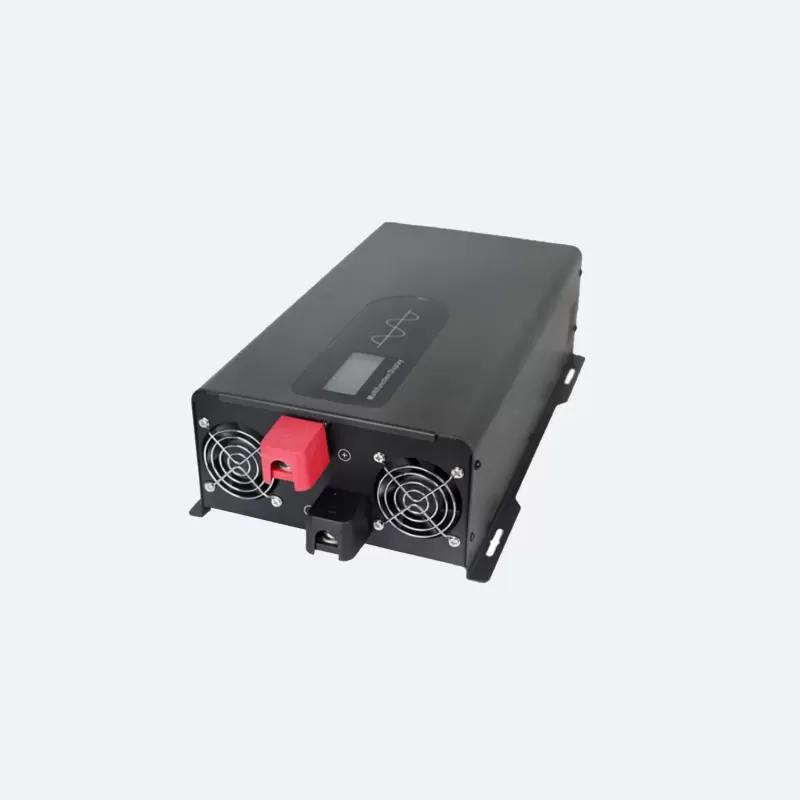
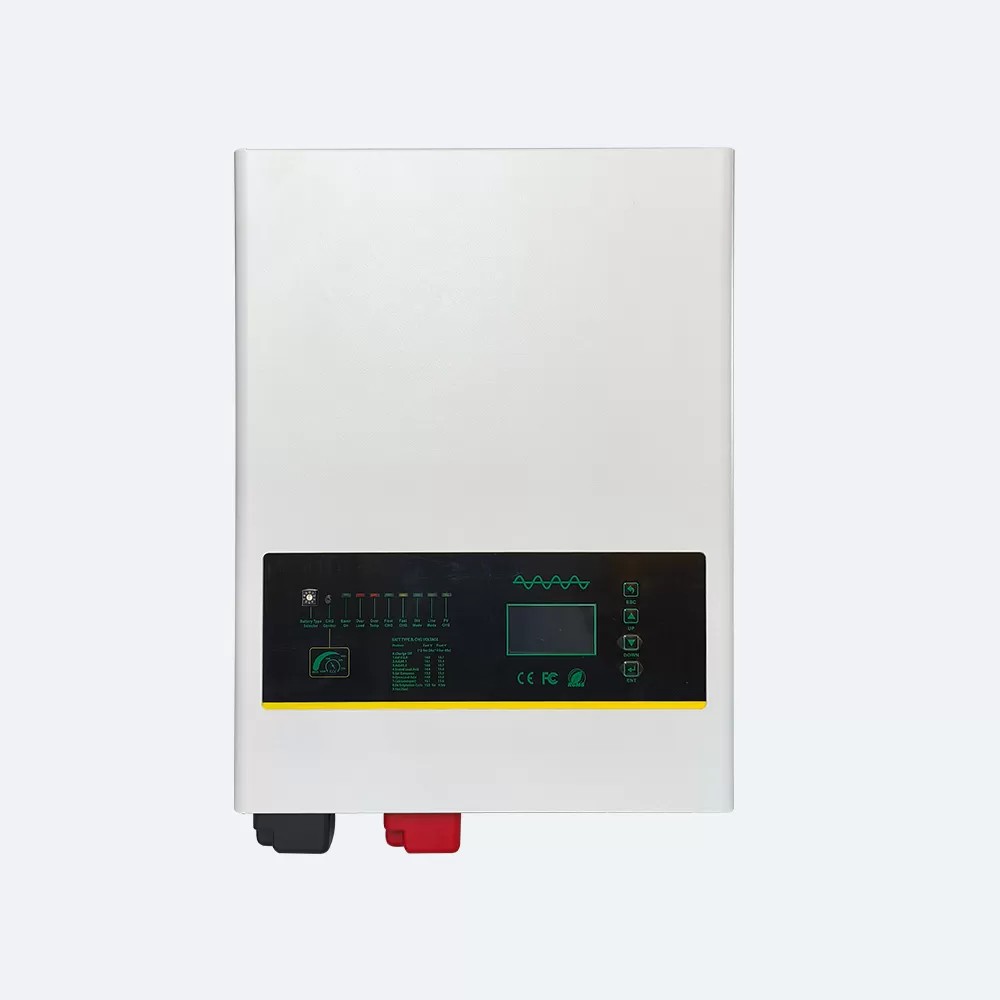
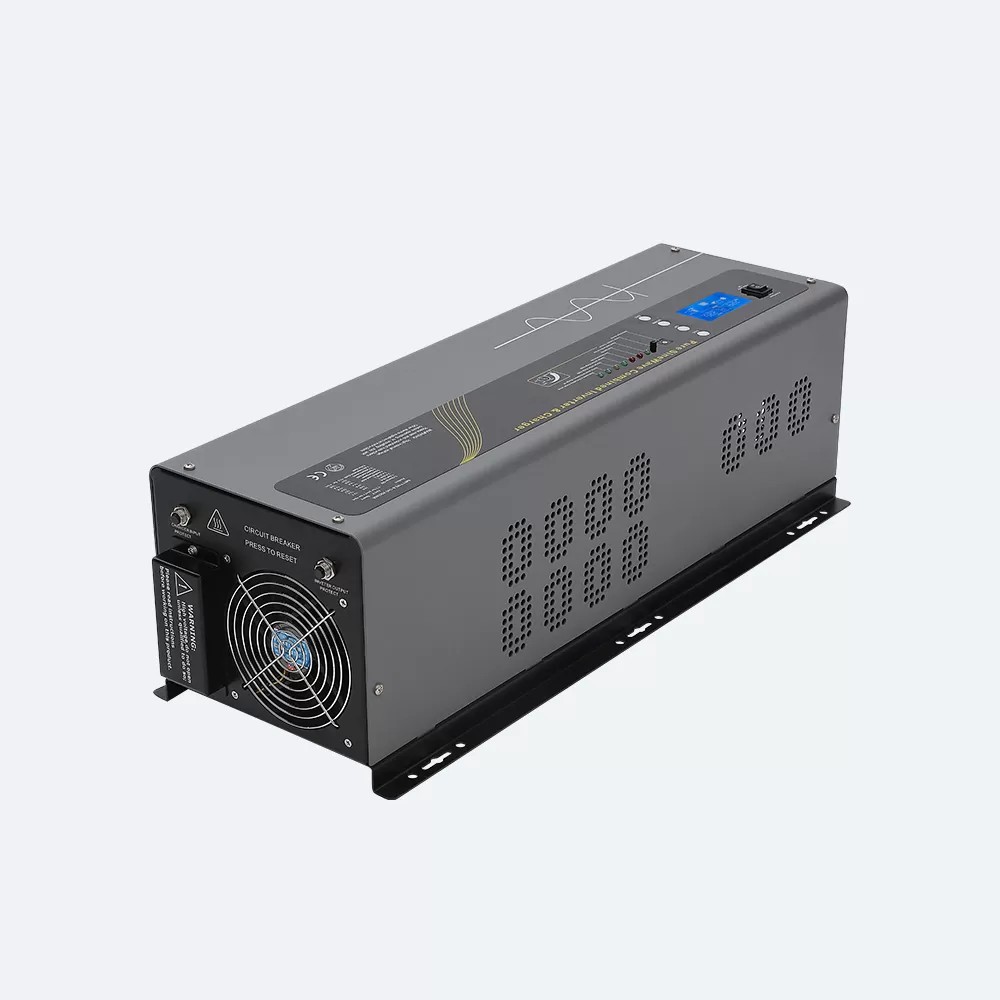
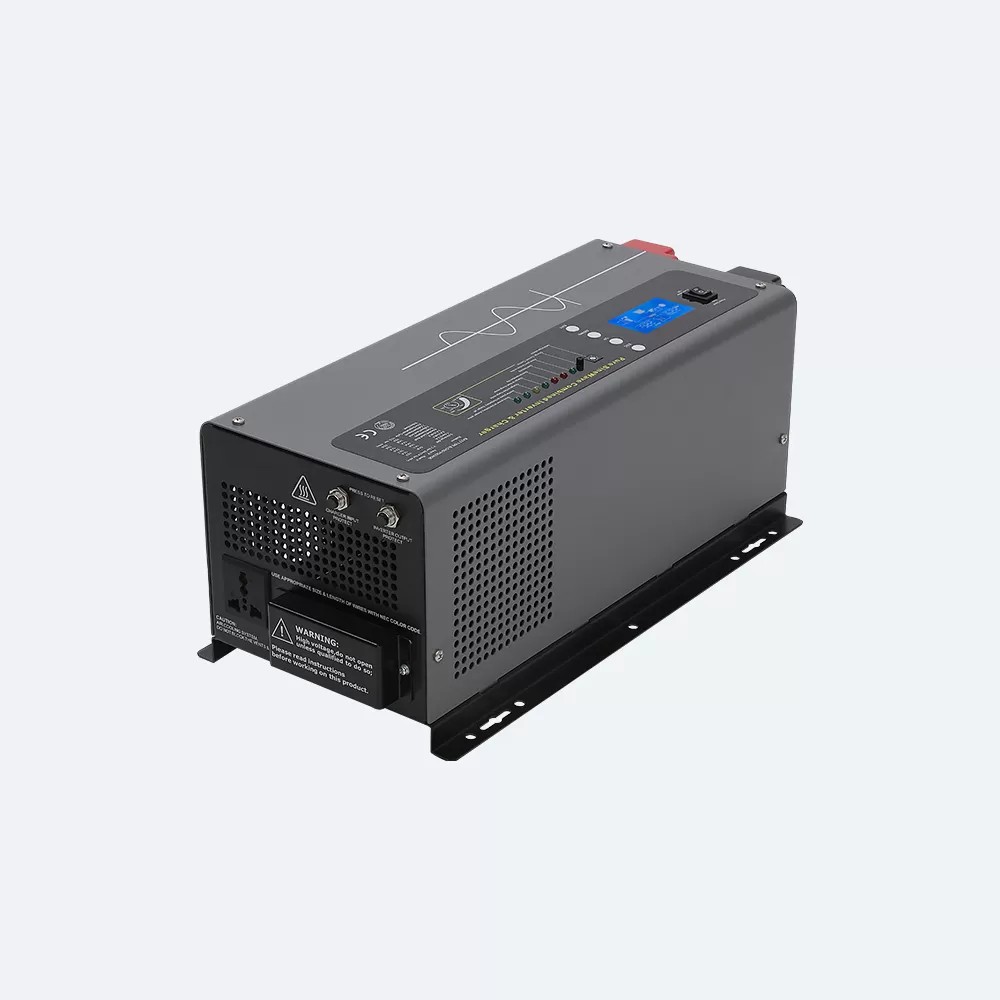
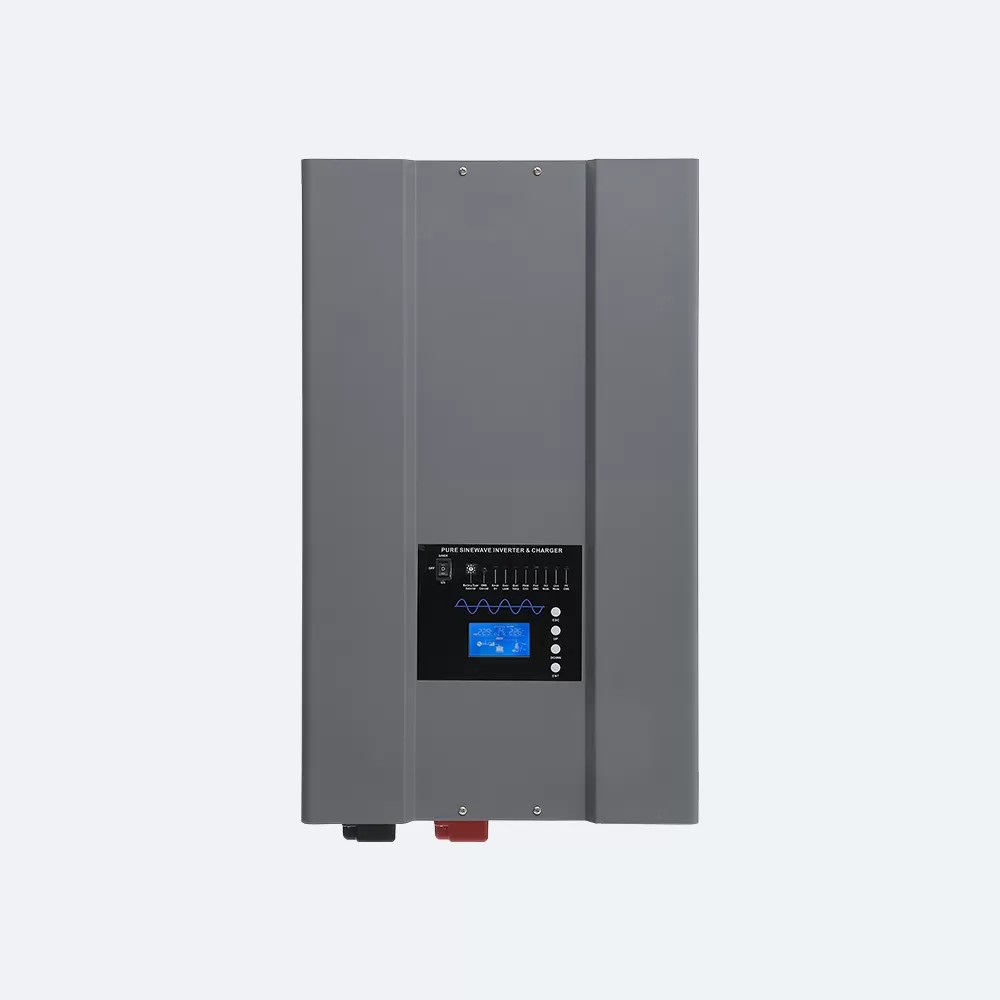
Low-frequency pure sine wave inverters convert DC (Direct Current) power from sources like solar panels or batteries into AC (Alternating Current) power, which is compatible with most household and industrial appliances. Unlike modified sine wave inverters, pure sine wave inverters produce a smooth, high-quality waveform that closely mimics the electricity supplied by utility companies.
Key Benefits
High Efficiency: Pure sine wave inverters are more efficient, typically achieving efficiencies of 90-95%.Reliability: They are more reliable and less likely to cause damage to sensitive electronic equipment.
Compatibility: They are compatible with a wide range of appliances, including those with microprocessors and digital displays.
Real-World Applications and Case Studies
Residential Use
Case Study: The Green Home Project
In a recent project in California, a family installed a low-frequency pure sine wave inverter to complement their solar panel system. The inverter, rated at 5,000 watts, was chosen for its high efficiency and reliability. Over the course of a year, the family reported a 20% reduction in their electricity bills, with no issues with their home appliances, including their air conditioning system and smart home devices.
Actionable Insight: When selecting an inverter for your home, consider the total wattage of all your appliances and choose an inverter with a capacity 20-30% higher than your peak load to ensure optimal performance.
Commercial Use
Case Study: The Solar-Powered Data Center
A data center in Texas recently upgraded to a low-frequency pure sine wave inverter to support their backup power system. The inverter, rated at 10,000 watts, was integrated with a battery bank and a 100 kW solar array. The data center experienced a 15% increase in operational efficiency and a 25% reduction in downtime due to power outages.
Actionable Insight: For commercial applications, it's crucial to conduct a thorough load analysis and consult with a professional to determine the appropriate inverter size and configuration. Redundancy and scalability should also be considered to ensure long-term reliability.
Technical Considerations
Voltage and Frequency
Low-frequency pure sine wave inverters typically operate at 50 or 60 Hz, depending on the region. It's essential to match the inverter's output frequency with the local grid to avoid compatibility issues.
Actionable Insight: Always check the voltage and frequency requirements of your appliances and the local grid before purchasing an inverter. Most modern inverters can be configured to work with both 50 and 60 Hz, but it's best to confirm this with the manufacturer.
Installation and Maintenance
Proper installation and regular maintenance are crucial for the longevity and performance of your inverter.
Actionable Insight: Hire a certified electrician for the installation and follow the manufacturer's guidelines for maintenance. Regularly check the connections, clean the inverter, and update the firmware to ensure optimal performance.
Future Trends and Innovations
Smart Inverters
The future of low-frequency pure sine wave inverters lies in smart technology. Smart inverters can communicate with the grid, adjust their output based on demand, and even provide ancillary services like frequency regulation.
Actionable Insight: Consider investing in a smart inverter if you plan to integrate your system with the grid or if you want to take advantage of advanced features like remote monitoring and control.
Energy Storage Integration
As the cost of energy storage continues to decline, integrating batteries with inverters is becoming more common. This combination provides a more robust and reliable power solution, especially for off-grid applications.
Actionable Insight: If you're planning an off-grid or hybrid system, consider a low-frequency pure sine wave inverter that is designed to work seamlessly with energy storage systems. Look for features like built-in charge controllers and advanced battery management systems.
Conclusion
Low-frequency pure sine wave inverters are a vital component in the transition to renewable energy. Their high efficiency, reliability, and compatibility make them an excellent choice for both residential and commercial applications. By understanding the technical considerations, real-world applications, and future trends, you can make informed decisions and unlock the full potential of these powerful devices.
As we move towards 2026, the integration of smart technology and energy storage will further enhance the capabilities of low-frequency pure sine wave inverters, making them an indispensable part of our sustainable energy future.