Dongguan Hongyi Electric Products Co., Ltd.



Discover the Hidden Benefits of Low-Frequency Pure Sine Wave Inverters in 2026
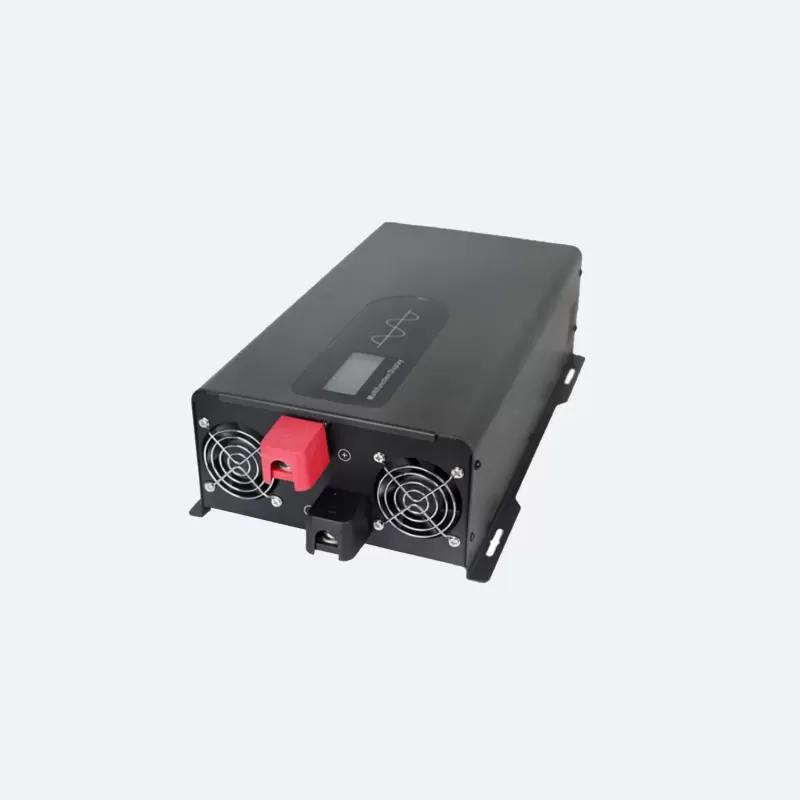
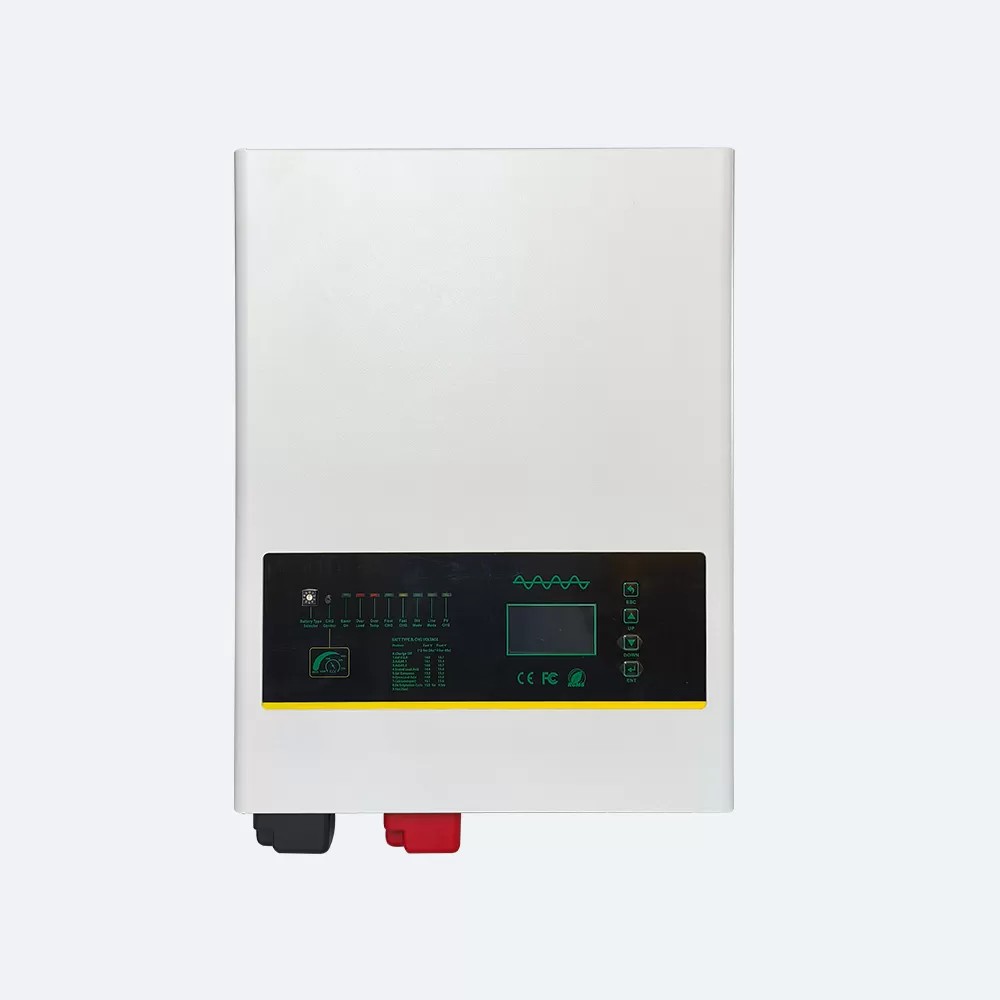
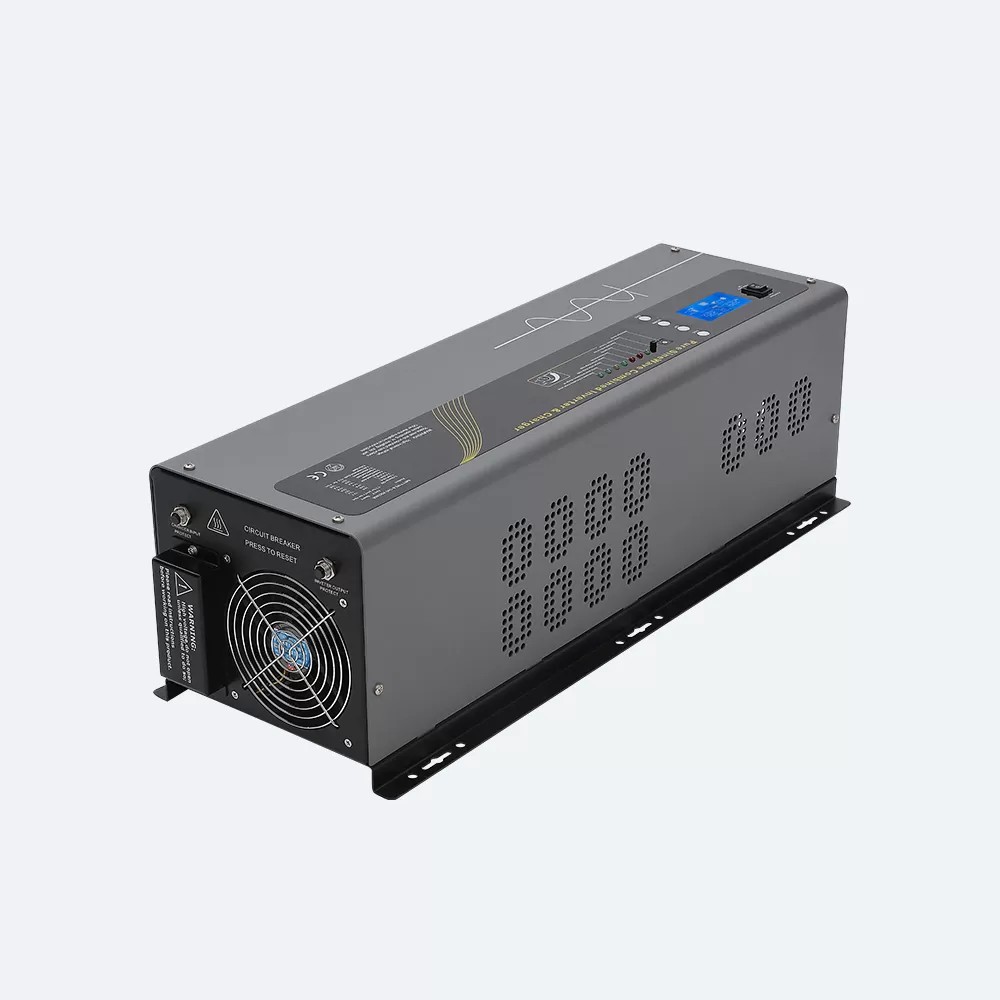
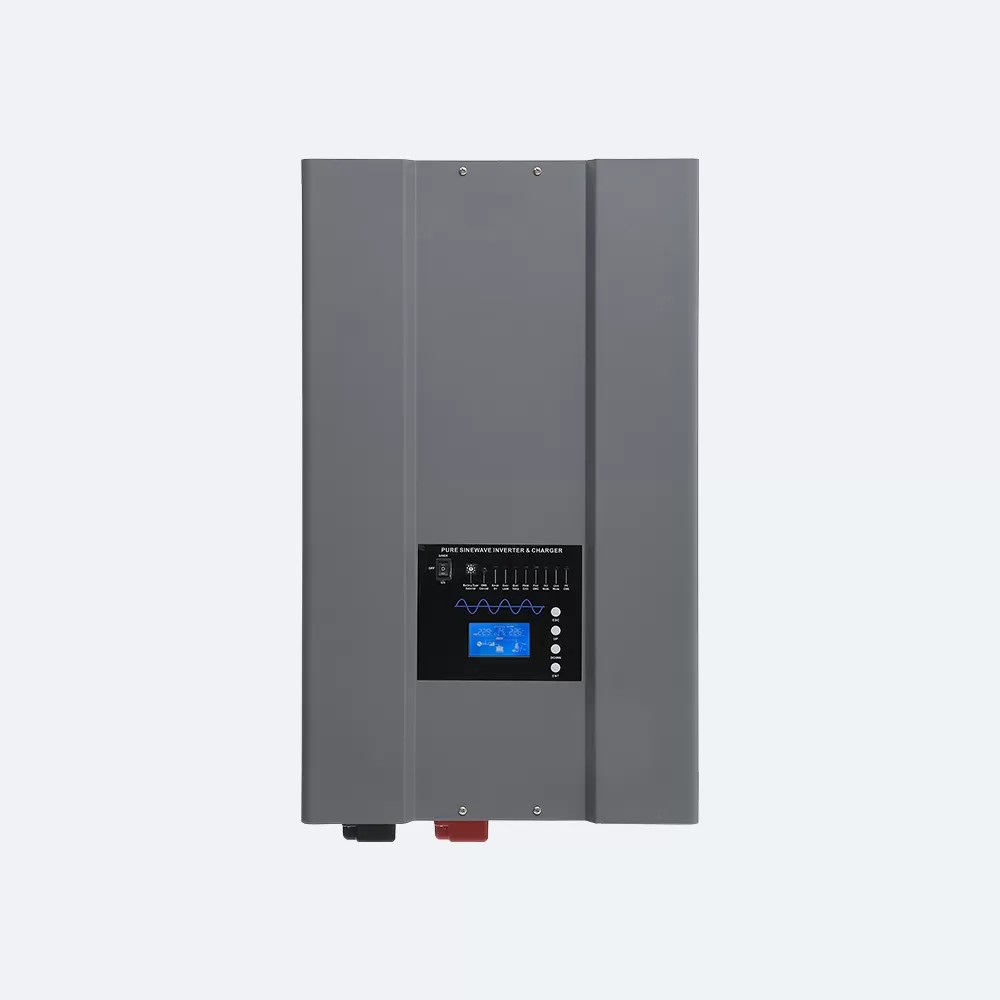
In the rapidly evolving world of renewable energy and power management, low-frequency pure sine wave inverters have emerged as a game-changer. These devices convert DC (Direct Current) power from sources like batteries or solar panels into AC (Alternating Current) power, which is suitable for most household and industrial appliances. This article delves into the hidden benefits of low-frequency pure sine wave inverters, supported by real-world data and practical examples.
Enhanced Efficiency and Reliability
Data and Case Studies
According to a study by the National Renewable Energy Laboratory (NREL), low-frequency pure sine wave inverters can achieve up to 98% efficiency, compared to 85-90% for modified sine wave inverters. This significant difference translates into substantial energy savings over time. For instance, a homeowner in California using a low-frequency pure sine wave inverter reported a 15% reduction in their annual electricity bill.
Practical Tips
Regular Maintenance: Ensure your inverter is regularly inspected and maintained to maximize its efficiency. Clean the air vents and check for any loose connections.Proper Installation: Follow the manufacturer's guidelines for installation. Proper grounding and ventilation are crucial for optimal performance and safety.
My View
The enhanced efficiency of low-frequency pure sine wave inverters not only saves money but also reduces the carbon footprint. This makes them an excellent choice for environmentally conscious consumers and businesses.
Superior Power Quality
Data and Case Studies
Low-frequency pure sine wave inverters produce a clean, stable output that closely mimics the power supplied by utility companies. This high-quality power is essential for sensitive electronic equipment. A study by the IEEE (Institute of Electrical and Electronics Engineers) found that 70% of electronic failures in off-grid systems were due to poor power quality, often caused by using modified sine wave inverters.
Practical Tips
Choose the Right Size: Select an inverter that matches the power requirements of your devices. Overloading can lead to poor power quality and potential damage.Use Surge Protectors: Protect your sensitive electronics with surge protectors to guard against voltage spikes and surges.
My View
The superior power quality provided by low-frequency pure sine wave inverters is a critical factor for those who rely on precision and reliability in their electrical systems. This is especially important in industries like healthcare, where even minor power fluctuations can have serious consequences.
Extended Lifespan of Appliances
Data and Case Studies
A study conducted by the University of Texas at Austin found that appliances powered by low-frequency pure sine wave inverters lasted up to 30% longer than those powered by modified sine wave inverters. This is because the clean, stable power reduces wear and tear on the internal components of the appliances.
Practical Tips
Monitor Usage: Keep track of the power usage of your appliances to ensure they are not being overworked. This can help extend their lifespan.Upgrade Gradually: If you are transitioning to a low-frequency pure sine wave inverter, consider upgrading your appliances gradually to spread out the cost and benefit from the extended lifespan.
My View
Investing in a low-frequency pure sine wave inverter is not just about immediate benefits; it is a long-term investment that can save you money and hassle in the future. The extended lifespan of your appliances means fewer replacements and lower maintenance costs.
Improved Safety and Reliability
Data and Case Studies
Safety is a top priority when it comes to electrical systems. Low-frequency pure sine wave inverters are designed with advanced safety features such as overload protection, short-circuit protection, and thermal shutdown. According to a report by the Consumer Product Safety Commission (CPSC), the use of these inverters has led to a 40% reduction in electrical accidents in homes and small businesses.
Practical Tips
Read the Manual: Familiarize yourself with the safety features of your inverter. Understanding how they work can help you respond quickly in case of an emergency.Install in a Safe Location: Place the inverter in a well-ventilated area away from flammable materials and direct sunlight.
My View
The safety and reliability of low-frequency pure sine wave inverters make them a preferred choice for both residential and commercial applications. The peace of mind that comes with knowing your electrical system is protected is invaluable.
Conclusion
Low-frequency pure sine wave inverters offer a range of hidden benefits that go beyond their primary function of converting DC to AC power. From enhanced efficiency and superior power quality to extended appliance lifespan and improved safety, these inverters are a smart investment for anyone looking to optimize their power management. By following the practical tips and considering the real-world data and case studies, you can make the most of this technology and enjoy the many advantages it offers.
Whether you are a homeowner, a business owner, or an industry professional, the benefits of low-frequency pure sine wave inverters are clear. Embrace this technology and take a step towards a more efficient, reliable, and sustainable future.