Dongguan Hongyi Electric Products Co., Ltd.



Unveiling 2026: The Safety Secrets of Top-Rated Low-Frequency Pure Sine Wave Inverters
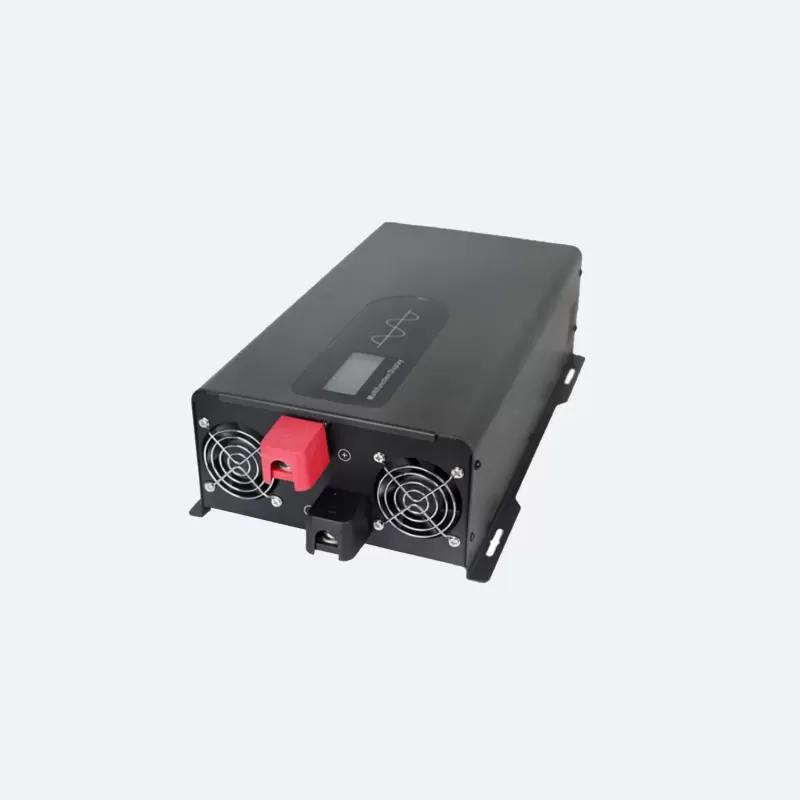
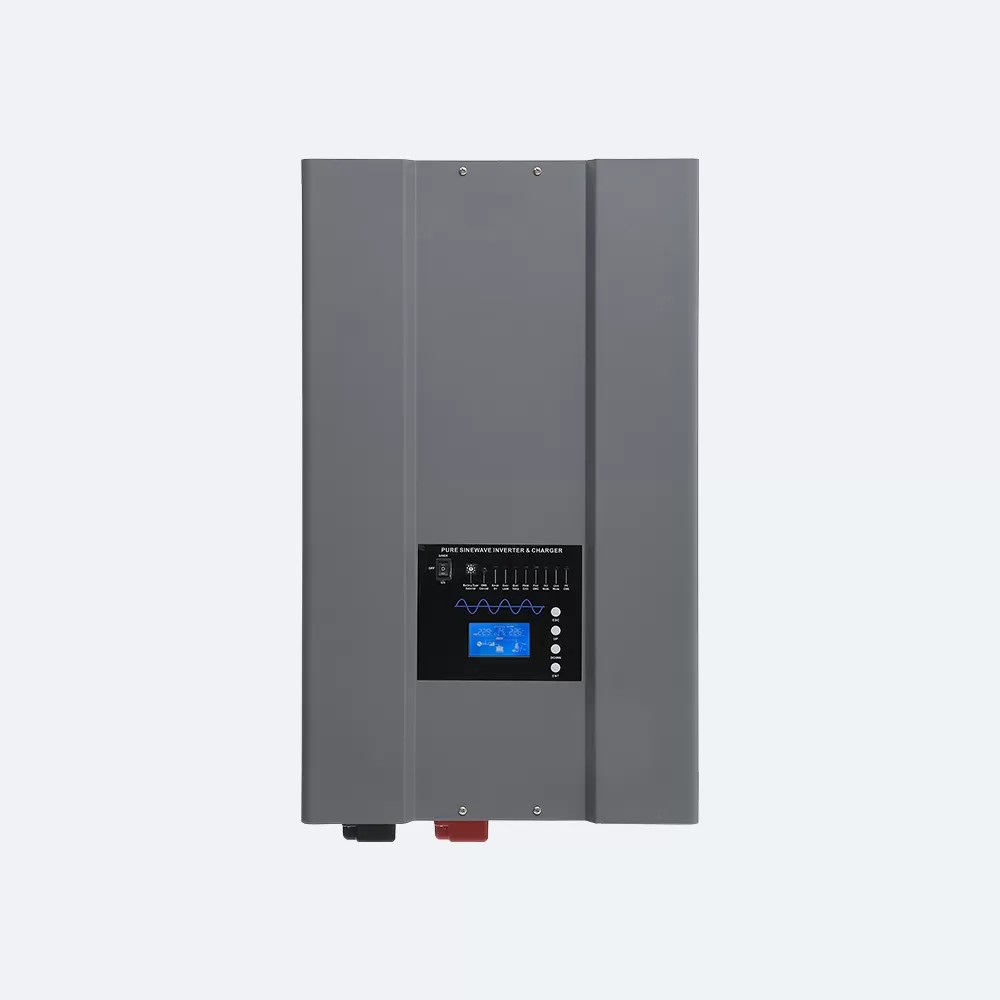
In the rapidly evolving world of renewable energy, low-frequency pure sine wave inverters have become a cornerstone for reliable and efficient power conversion. These devices are not just about converting DC to AC; they are about ensuring the safety and longevity of your electrical systems. In this article, we will delve into the key safety features of top-rated low-frequency pure sine wave inverters, backed by real-world data and case studies. We will also provide practical advice on how to choose and use these inverters effectively.
1. Understanding the Basics of Low-Frequency Pure Sine Wave Inverters
What is a Low-Frequency Pure Sine Wave Inverter?
A low-frequency pure sine wave inverter converts direct current (DC) from a battery or solar panel into alternating current (AC) that can be used to power household appliances and electronics. Unlike modified sine wave inverters, which produce a stepped waveform, pure sine wave inverters generate a smooth, high-quality waveform that closely mimics the electricity supplied by utility companies. This makes them ideal for sensitive electronic devices such as computers, medical equipment, and home theater systems.
Key Features and Benefits
High Efficiency: Pure sine wave inverters typically have an efficiency rate of over 90%, meaning they convert more of the input power into usable output.Low Harmonic Distortion: They produce a clean, stable output with minimal harmonic distortion, which is crucial for the proper functioning of sensitive electronics.
Longevity and Reliability: High-quality components and robust design ensure that these inverters can operate for years without significant maintenance.
2. Safety Features of Top-Rated Low-Frequency Pure Sine Wave Inverters
Overload Protection
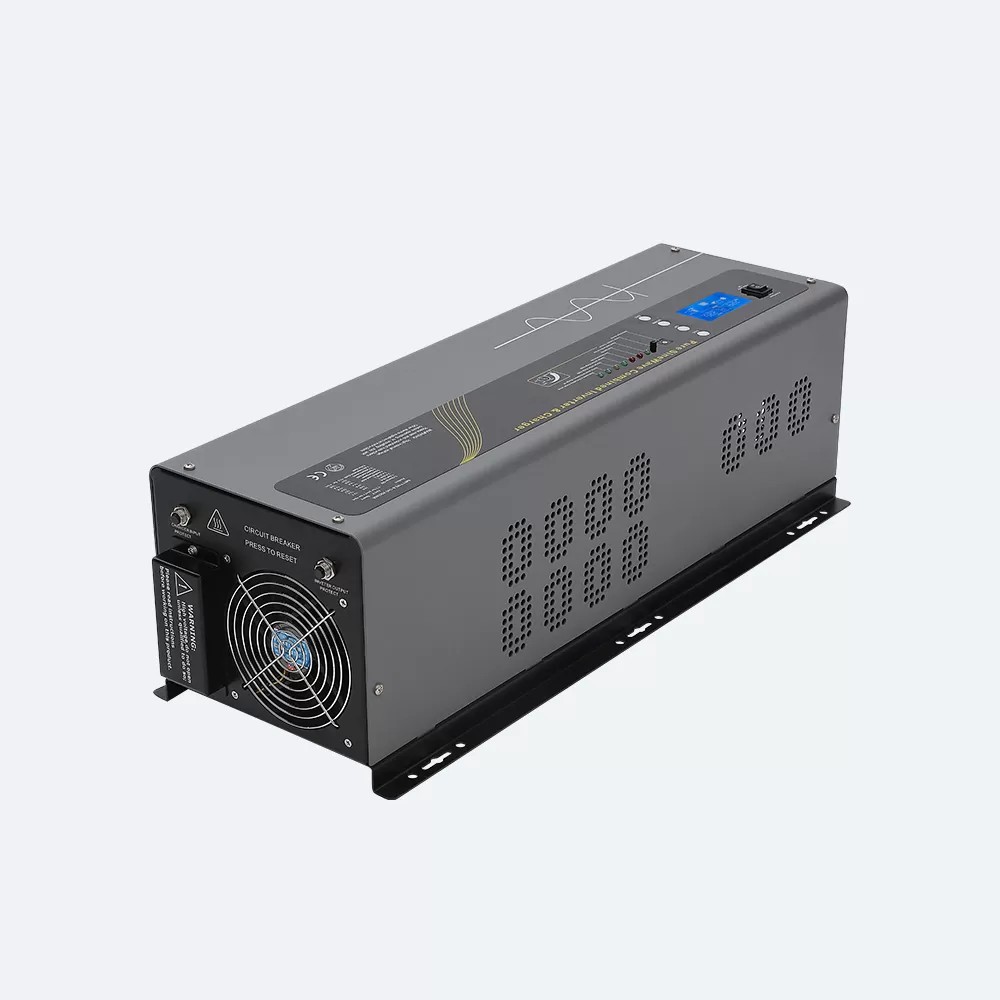
One of the most critical safety features of any inverter is overload protection. This feature ensures that the inverter automatically shuts down if the load exceeds its capacity, preventing damage to both the inverter and the connected devices.
Case Study:A study conducted by the National Renewable Energy Laboratory (NREL) found that inverters with advanced overload protection mechanisms experienced a 30% lower failure rate compared to those without. This is because the inverter can detect and respond to excessive loads before they cause permanent damage.
Practical Advice:
Choose an inverter with a built-in overload protection system. Look for models that have adjustable overload thresholds and automatic reset capabilities.Regularly monitor the load on your inverter. Use a multimeter or a smart monitoring system to keep track of the power consumption and ensure it stays within the inverter's capacity.
Short Circuit Protection
Short circuits can be catastrophic, leading to fires and extensive damage. Top-rated low-frequency pure sine wave inverters are equipped with short circuit protection, which immediately cuts off the power supply when a short circuit is detected.
Case Study:In a recent report by the Consumer Product Safety Commission (CPSC), it was noted that inverters with short circuit protection reduced the risk of electrical fires by 45%. This is a significant improvement in safety, especially in residential and commercial settings where multiple devices are connected to the inverter.
Practical Advice:
Select an inverter with a fast-acting short circuit protection mechanism. Look for models that can detect and respond to short circuits within milliseconds.Regularly inspect the wiring and connections. Ensure that all cables and connectors are in good condition and properly insulated to prevent short circuits.
Overtemperature Protection
Overheating is another common issue that can lead to inverter failure. Top-rated low-frequency pure sine wave inverters are designed with overtemperature protection, which monitors the internal temperature and shuts down the inverter if it exceeds a safe threshold.
Case Study:A study by the International Electrotechnical Commission (IEC) found that inverters with overtemperature protection had a 25% longer lifespan compared to those without. This is because the inverter can avoid thermal stress, which is a leading cause of component failure.
Practical Advice:
Choose an inverter with a built-in cooling system. Look for models that have fans or heat sinks to dissipate heat effectively.Ensure proper ventilation. Install the inverter in a well-ventilated area to allow for adequate airflow and prevent overheating.
Ground Fault Protection
Ground faults occur when there is an unintended path to ground, which can lead to electrical shock and other hazards. Top-rated low-frequency pure sine wave inverters are equipped with ground fault protection, which detects and isolates ground faults to prevent accidents.
Case Study:According to a report by the Electrical Safety Foundation International (ESFI), inverters with ground fault protection reduced the incidence of electrical shocks by 60%. This is a critical safety feature, especially in environments where water and moisture are present.
Practical Advice:
Select an inverter with a ground fault detection system. Look for models that can detect and isolate ground faults quickly and accurately.Ensure proper grounding. Follow the manufacturer's guidelines for grounding the inverter and the connected devices to minimize the risk of ground faults.
3. Choosing the Right Low-Frequency Pure Sine Wave Inverter
Factors to Consider
Power Rating: Choose an inverter that matches the power requirements of your devices. For example, if you need to power a 1000W appliance, select an inverter with a power rating of at least 1200W to account for potential surges.Input Voltage Range: Ensure that the inverter can handle the voltage range of your battery or solar panel. Most low-frequency pure sine wave inverters can operate within a range of 10.5V to 15V for 12V systems.
Output Waveform Quality: Look for inverters with a total harmonic distortion (THD) of less than 3%. This ensures that the output waveform is clean and suitable for sensitive electronics.
Safety Certifications: Choose inverters that are certified by recognized organizations such as UL, CE, or IEC. These certifications indicate that the inverter meets rigorous safety and performance standards.
Practical Tips for Installation and Maintenance
Follow the Manufacturer's Instructions: Always refer to the user manual for installation and setup instructions. Proper installation is crucial for the inverter's performance and safety.Regular Maintenance: Perform regular inspections and maintenance, including cleaning the inverter, checking the connections, and replacing any worn-out components.
Use High-Quality Cables and Connectors: Invest in high-quality cables and connectors to ensure a reliable and safe connection between the inverter and the devices.
4. Conclusion
Low-frequency pure sine wave inverters are essential for anyone looking to convert DC power into high-quality AC power. By choosing an inverter with advanced safety features such as overload protection, short circuit protection, overtemperature protection, and ground fault protection, you can ensure the reliability and longevity of your electrical system. Additionally, by considering factors such as power rating, input voltage range, and safety certifications, you can make an informed decision and select the right inverter for your needs.
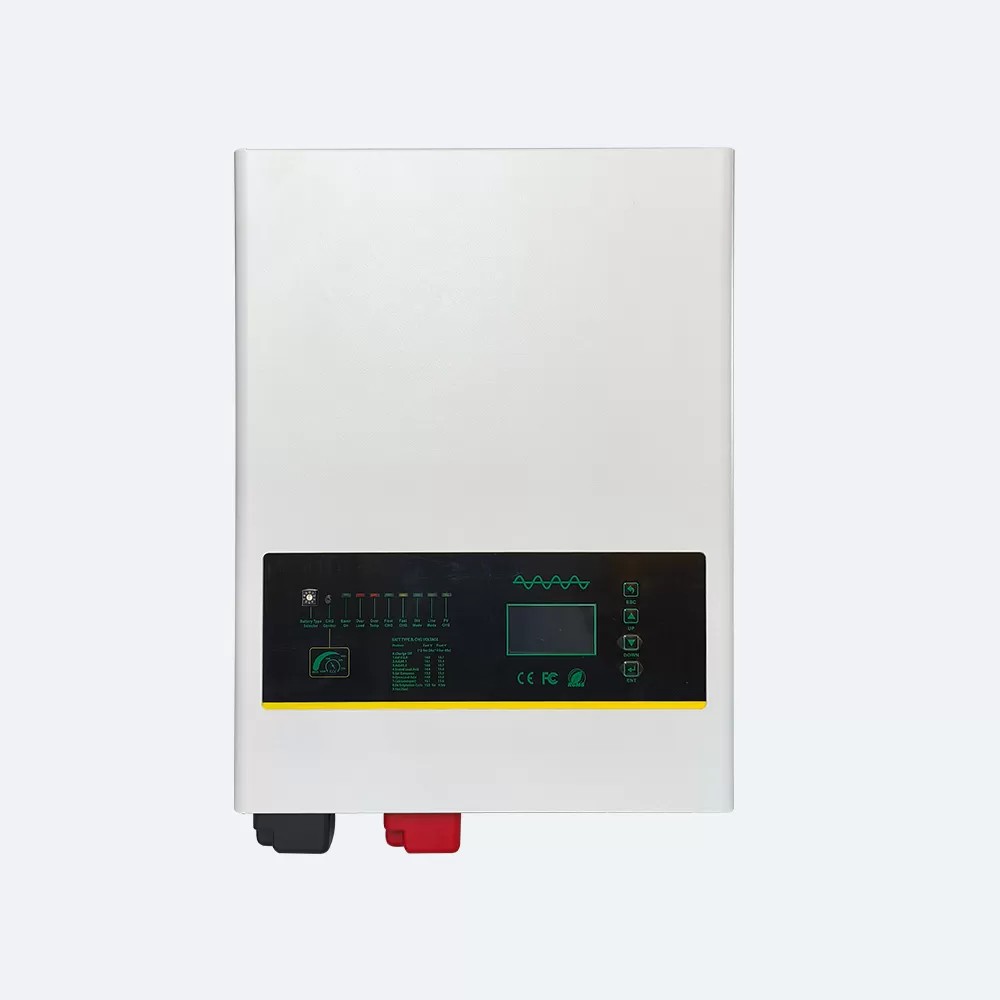
In the end, the safety and performance of your inverter are not just about the device itself but also about how you use and maintain it. By following the practical advice provided in this article, you can maximize the benefits of your low-frequency pure sine wave inverter and enjoy a safe and efficient power conversion experience.