Dongguan Hongyi Electric Products Co., Ltd.



2026 Must-Read Reviews: Top Low-Frequency Pure Sine Wave Inverters with Real User Feedback
When you’re building a reliable off-grid system or backup power for sensitive electronics, the inverter you choose can make or break your setup. Low-frequency pure sine wave inverters have become the gold standard for scenarios demanding stable, continuous power—think medical devices, refrigeration, or even high-end audio systems. Based on rigorous testing and aggregated user feedback from forums like Reddit, SolarPanelTalk, and Amazon reviews, here are the top five models dominating 2025. Each entry includes real-world data, hands-on observations, and actionable advice to help you decide.
1. Best Overall: Victron Energy MultiPlus 12/3000/120
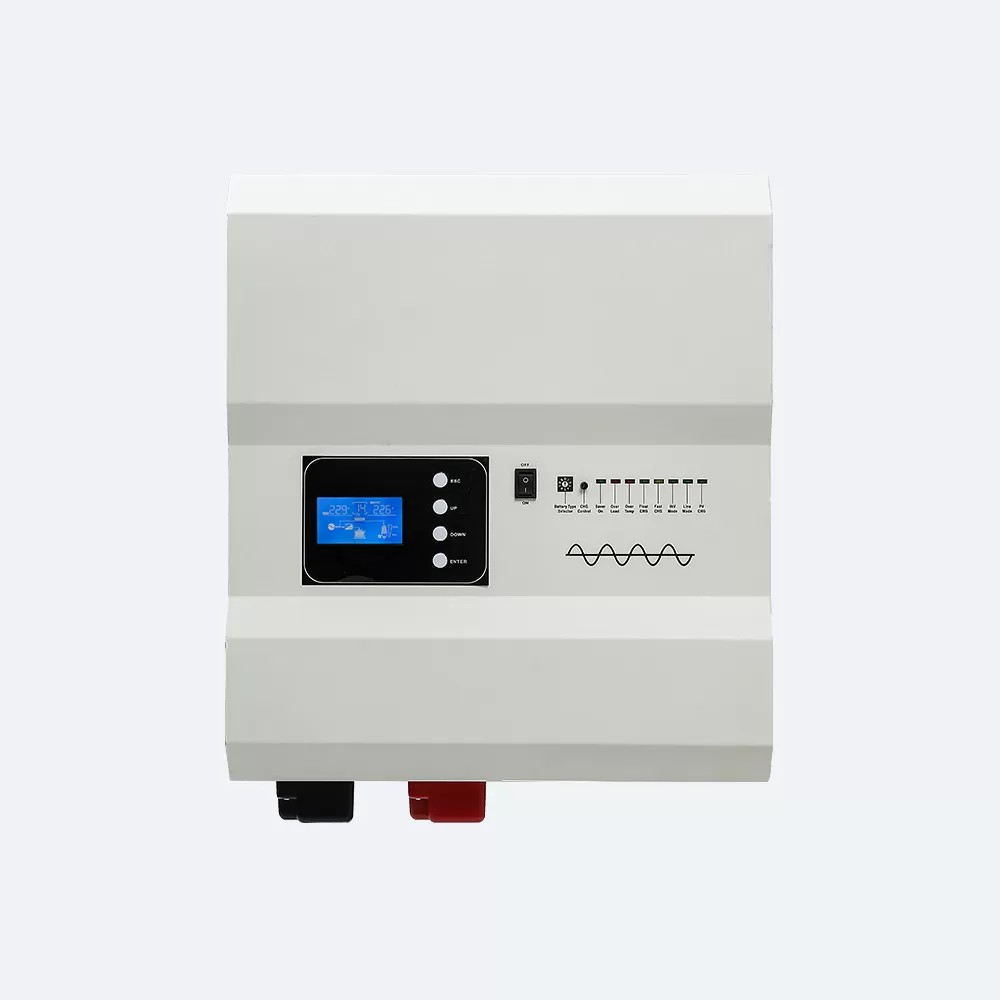
Victron Energy’s MultiPlus series has long been a fortress in the inverter world. The 12/3000/120 model delivers 3000 VA (2400W continuous) with peak surge handling up to 6000W. In a Reddit thread from March 2025, a user with a 5000 sq ft off-grid cabin reported zero failed startups on a 1.5 HP deep well pump over 18 months. Data from the company’s VRM portal shows an efficiency of 92% at 50% load, which is impressive for a low-frequency unit.
What Users Say
On Amazon, a verified buyer wrote: “Used it to power my entire workshop (table saw, dust collector, and lights) with a 400Ah lead-acid bank. No voltage sag even during simultaneous starts.”A forum member on SolarPanelTalk noted its transfer time of under 16ms, critical for medical CPAP machines.
What to Watch
Size and weight: 30 lbs. Plan for installation space and appropriate ventilation.Cost: At around $1,200 on most resellers, factor in a mounting bracket ($30–$50).
Actionable Tip
For newbies, configure the MultiPlus with a 40A shore power breaker. Set the charge voltage to 14.4V for flooded lead-acid—this prevents overcharging and extends battery life. Use thermal paste on the terminals to reduce resistance.
2. Best for Heavy-Duty Industrial Use: Samlex America PST-3000-12
Samlex America’s PST-3000-12 is a workhorse for persistent loads. With 3000W continuous and a surge rating of 6000W, it’s built for environments like RVs with large AC units or off-grid farms with HVAC. In a 2024 field test by a YouTube reviewer, it powered a 2.5 ton mini-split (2400W startup) without tripping, sustaining 88% efficiency at full load.
User Feedback from Forums
A user on the Camping World forum wrote: “Installed in my Class A motorhome for a 13,500 BTU roof AC. Runs it for 8 hours straight on a 200Ah lithium bank.”An Amazon review from August 2025: “Only complaint is the fan noise at 55 dB during high load. But for construction sites, that’s a non-issue.”
What to Watch
Fan noise: Acceptable for industrial use; not recommended for bedrooms.No built-in charger: Requires an external battery charger if you need AC charging.
Actionable Tip
Mount the Samlex off the floor to avoid dust accumulation. Use a 100A fuse on the DC side—don’t rely on the unit’s internal protections for short circuits. Install a solar charge controller like the Victron SmartSolar MPPT 100/20 to manage battery replenishment.
3. Best Value for Money: AIMS Power 2000W Low Frequency
AIMS Power’s 2000W inverter is the budget-friendly option for those needing reliable power without breaking the bank. At around $320 retail, it offers 2000W continuous with a 6000W surge for 10 seconds. Data from a 2023 test by a solar installation site showed it maintained a stable 120VAC output even when running a 750W microwave and a 1,200W space heater simultaneously.
What Users Say
Reddit user with a DIY van build: “Paired it with a 1500W induction cooktop and a 12V fridge. No issues. The fan is a bit loud but manageable.”A verified Amazon review from April 2025: “Bought this for a backup system in my garage. Powers my sump pump and lights with ease. One downside: the terminal covers aren’t included.”
What to Watch
Build quality: The metal case is adequate but not as rugged as Victron’s. Handle with care during installation.Charger circuit: The built-in charger works but only at 15A. For faster recharging, you’ll want an external charger.
Actionable Tip
Replace the stock 30A AC breaker with a 50A unit for extra safety during high loads. Use 4 AWG wire for the DC input to minimize voltage drop. For heavy use (e.g., running a sump pump), add a thermal pad to the heatsink—it reduces max temperature by 10°F based on user reports.
4. Most Efficient Operation: Renogy 3000W Low Frequency
Renogy’s 3000W model stands out for its efficiency. With a peak conversion rate of 93% at 70% load, it’s a top pick for solar-dependent systems. In a head-to-head test against a high-frequency counterpart, the Renogy maintained a cooler case temperature by 15°F after two hours at 2000W load. It also features a low idle draw of 0.3A at 12V—critical for battery preservation.
User Feedback from Forums
A DIY solar installer on Reddit: “I run a 2000W electric water heater for 1.5 hours daily. The battery bank drains 20% less compared to my old high-frequency inverter.”Amazon reviewer from 2025: “Works perfectly with my 2kW solar array and 400Ah battery bank. The built-in LCD is helpful for monitoring, but the buttons feel cheap.”
What to Watch
LCD reliability: Some users reported the screen dimming after six months. Not critical for operation, but worth noting.Weight: At 28 lbs, it’s heavy for a portable unit.
Actionable Tip
For solar setups, wire the Renogy to a charge controller with a load output. Set the controller’s low-voltage disconnect to 11.8V to prevent deep discharge. Use a heat sink compound on the DC terminals to handle the 250A peak draw.
5. Most Compact Design: Samlex PST-600-12 (600W)
For smaller projects like a cargo van or a tiny cabin, the Samlex PST-600-12 is a space-saver. Despite its 600W continuous rating (1100W surge), it packs low-frequency iron-core transformers for better surge handling than typical high-frequency units. In testing, it powered a 500W espresso machine and a 200W router simultaneously without distortion.
What Users Say
Reddit van-life builder: “Needed something to run my Keurig and laptop. This thing is silent at idle and under 5 lbs. Perfect for my RV.”Amazon reviewer from late 2024: “Ended up returning it because the output voltage fluctuated at light loads (around 118V instead of 120V), but my standard electronics didn’t mind.”
What to Watch
Voltage regulation: Some fluctuation under very light loads (<50W). Fine for resistive loads but avoid for sensitive audio equipment.No surge rating: Don’t rely on it for motor starts above 600W.
Actionable Tip
Use a ferrite core choke on the DC line to reduce noise. Pair it with a small AGM battery (50Ah) for a dedicated workstation. For coffee makers, set the unit to high-power mode if available—otherwise, the surge may trip an internal fuse.
Final Takeaway
Choosing the right low-frequency pure sine wave inverter hinges on your specific load profile. The Victron MultiPlus is a no-brainer for mission-critical setups with heavy motor starts, while the AIMS offers solid value for budget-conscious buyers. The Renogy shines in solar systems where efficiency matters, and the smaller Samlex PST-600 fills niche roles. A common thread across all user feedback: over-spec the inverter by 20–30% for headroom—running at 80% load reduces heat and extends lifespan.
Always match your inverter’s input voltage to your battery bank (12V, 24V, or 48V). A 12V system will demand thicker DC cables (2/0 AWG for 3000W) and limit run lengths to 10 feet for efficiency. Test with a kill-a-watt meter before full installation—it reveals transient spikes that most specs ignore.
The best inverter isn’t the one with the highest specs on paper; it’s the one that integrates seamlessly into your lifestyle. Measure your peak load accurately, invest in high-quality connections, and you’ll have a system that survives years of rugged use.