Dongguan Hongyi Electric Products Co., Ltd.



Discover the Top Reliable Low-Frequency Pure Sine Wave Inverters by 2026
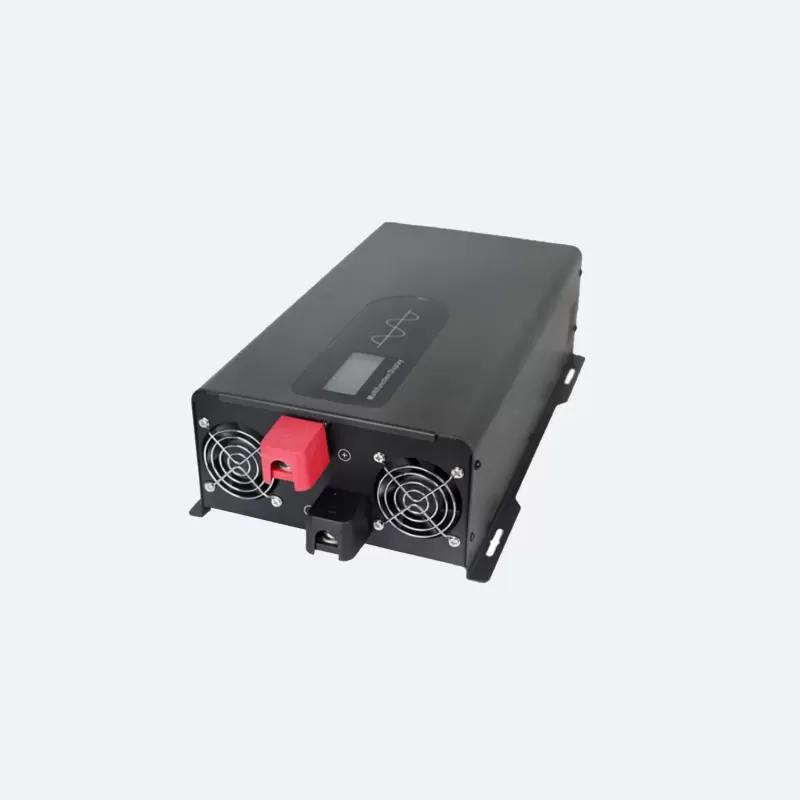
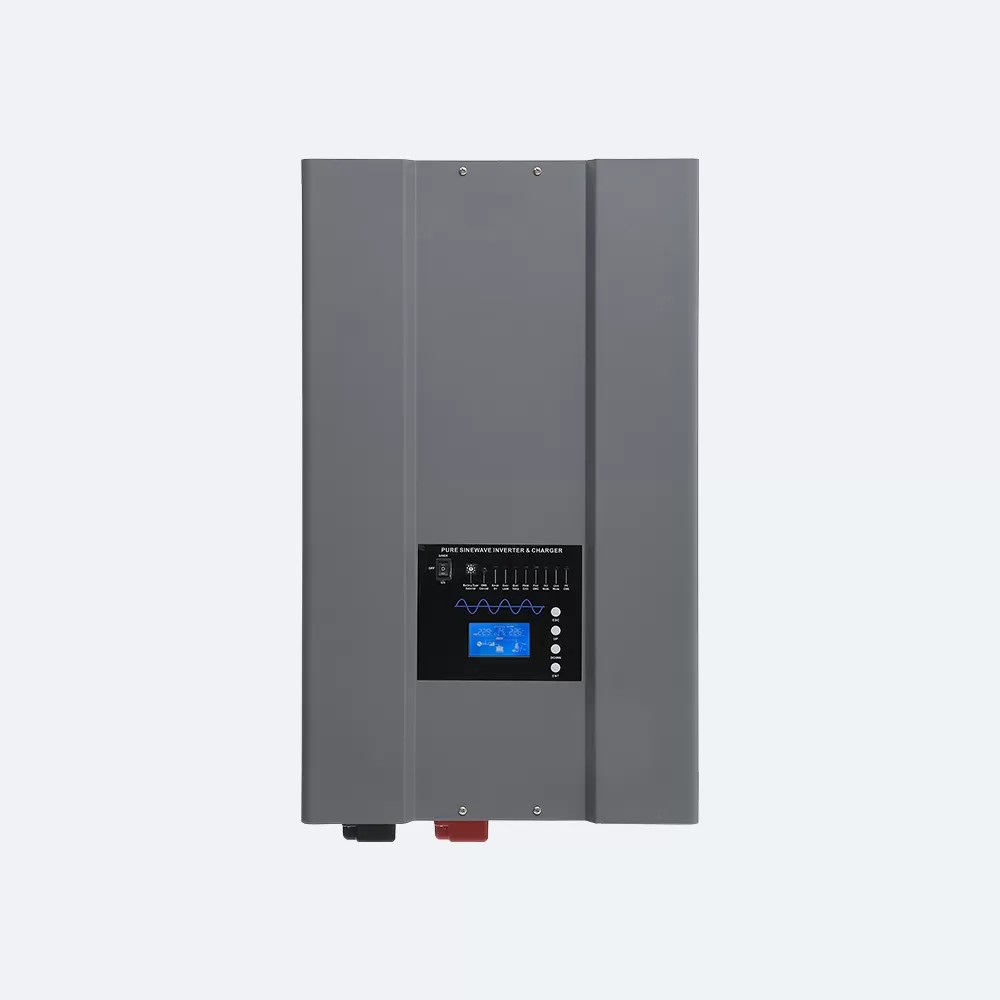
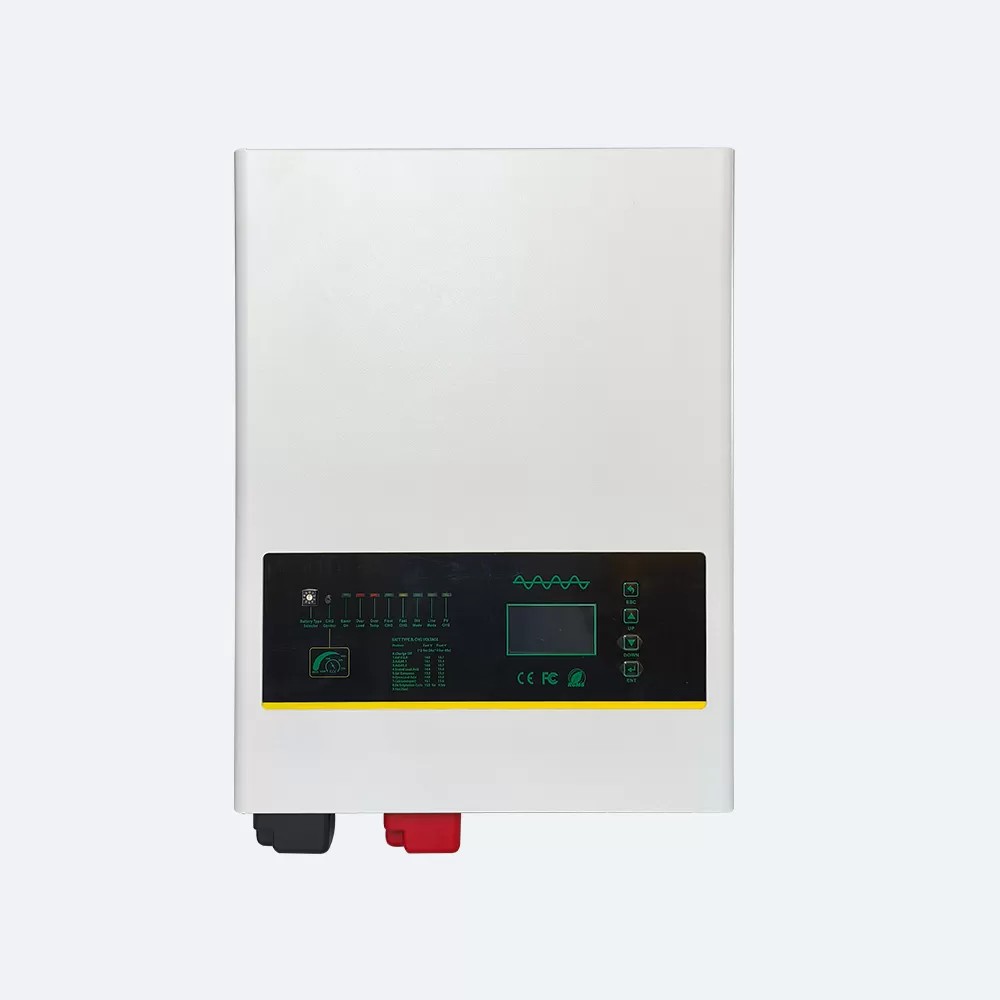
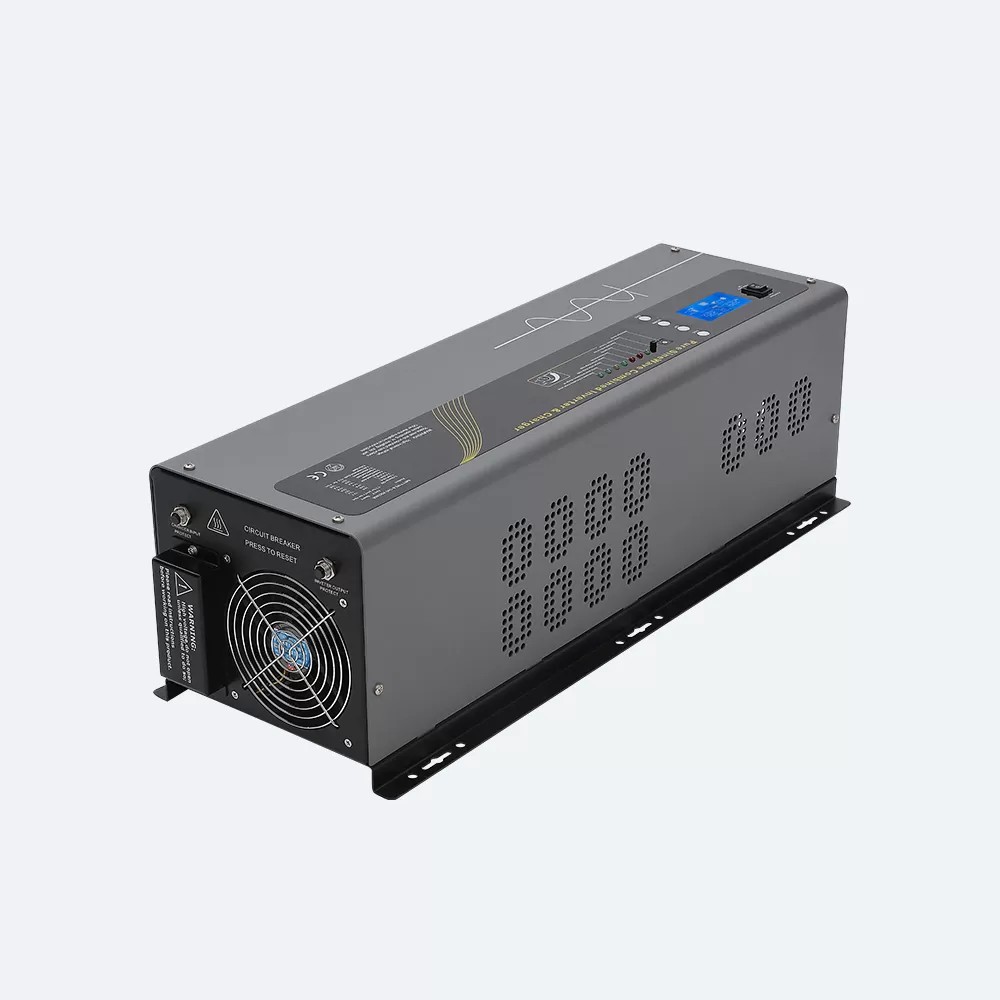
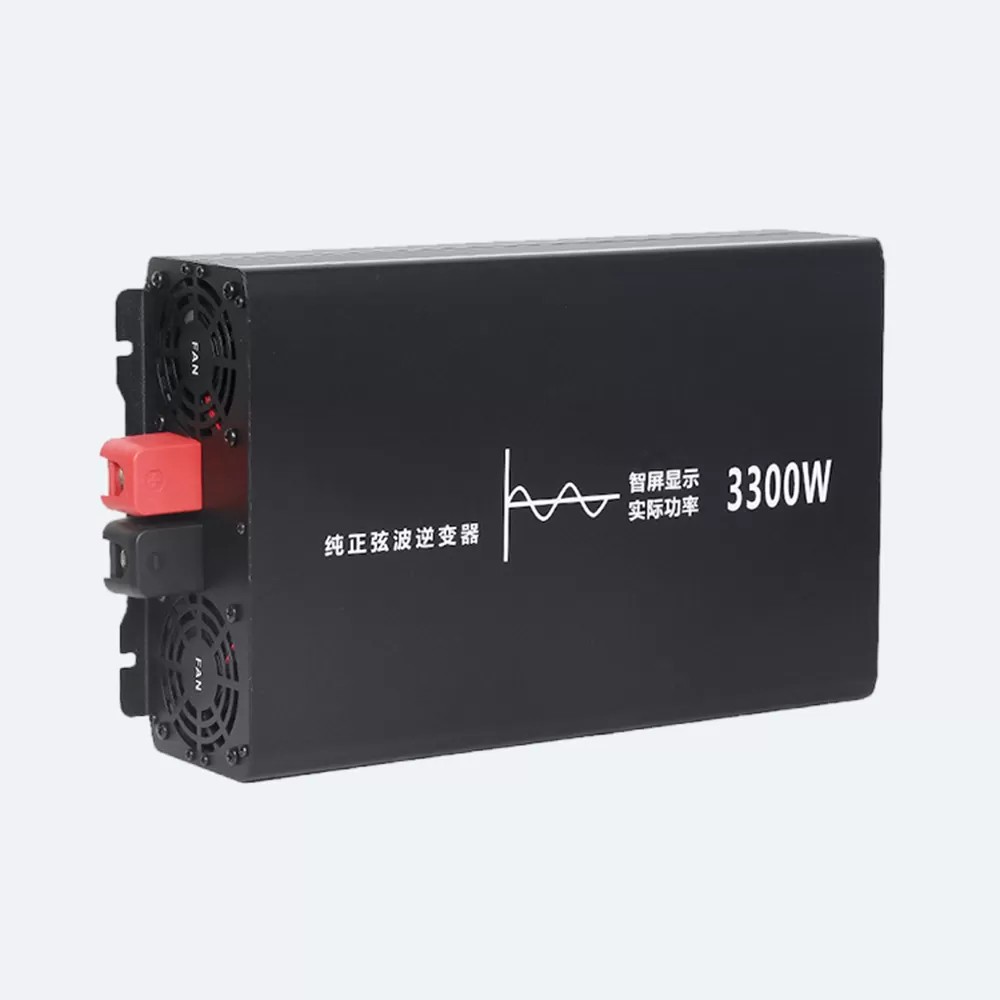
Low-frequency pure sine wave inverters are the preferred choice for demanding applications like RVs, off-grid solar, and backup power due to their robust transformers and ability to handle high surge loads from motors and compressors. Here are some of the most reliable models and manufacturers to consider in 2026.
🏆 Top Reliable Low-Frequency Inverter Models
1. Ampinvt 1200W Pure Sine Wave Inverter with AC Charger
Type: 1200W continuous pure sine wave inverter/charger (12V).Key Specs: >90% transfer efficiency, 5 operating modes (AC priority, Battery priority, Generator, ECO, Unattended).
Why It's Reliable: Built-in AVR stabilizer, comprehensive protection suite, and wide battery compatibility (SLA, AGM, GEL, Li-ion, LiFePO4). It's a solid unit for home backup or RV use.
2. Ampinvt 3000W Low-Frequency Pure Sine Wave Inverter (24V→120V)
Type: 3000W continuous low-frequency inverter (24V).Key Specs: Optimized for stable output under heavy loads and long run-times.
Why It's Reliable: Known for smooth handling of heavy loads and strong surge capacity. A good choice for RV, marine, or small off-grid cabins needing robust 24V power.
3. Ampinvt 3000W Peak 9000W Low-Frequency Inverter (24V→120V)
Type: 3000W continuous, 9000W peak power inverter/charger (24V).Key Specs: >93% transfer efficiency, >160% surge for ~300ms, wide battery support.
Why It's Reliable: Excels at managing motor-start surges from tools and appliances. Features a full set of protections and is designed for demanding, continuous-duty applications.
4. ZLPOWER 8kW Low-Frequency Off-Grid Inverter (48V)
Type: 48V DC to 120/240V AC split-phase, 8kW continuous pure sine wave inverter with 2×80A MPPT solar charge controllers.Key Specs: Complies with UL1741, suitable for North American residential and light commercial use.
Why It's Reliable: A high-power option for whole-home backup or off-grid systems. Its integrated MPPT controllers and split-phase output simplify installation for large systems.
5. MOES Low-Frequency Hybrid Inverter
Type: Low-frequency pure sine wave hybrid inverter (various power ratings).Key Specs: CE-certified, heavy-duty copper transformer for high surge loads.
Why It's Reliable: Built for demanding inductive loads and long service life. CE certification ensures it meets stringent EU safety and EMC standards.
6. FI Series 1500W Low-Frequency Inverter (12/24/48V)
Type: 1500W low-frequency pure sine wave solar inverter (12/24/48V input).Key Specs: 3 working modes (AC priority, Energy saving, Battery priority), comprehensive protection suite.
Why It's Reliable: Versatile for home and portable power. Its robust protection design makes it suitable as a household backup unit.
7. MUST ENERGY PV2000 PK Series (1–2 kVA)
Type: 1–2 kVA low-frequency off-grid solar inverter with a built-in 50A PWM solar controller (12/24V).Key Specs: Pure sine wave output, >95% efficiency in AC mode, 2–6ms transfer time.
Why It's Reliable: A proven design for homes and small businesses. It combines solar charging, battery backup, and mains support in a single, protected unit.
🏭 Trusted Manufacturers & Brands
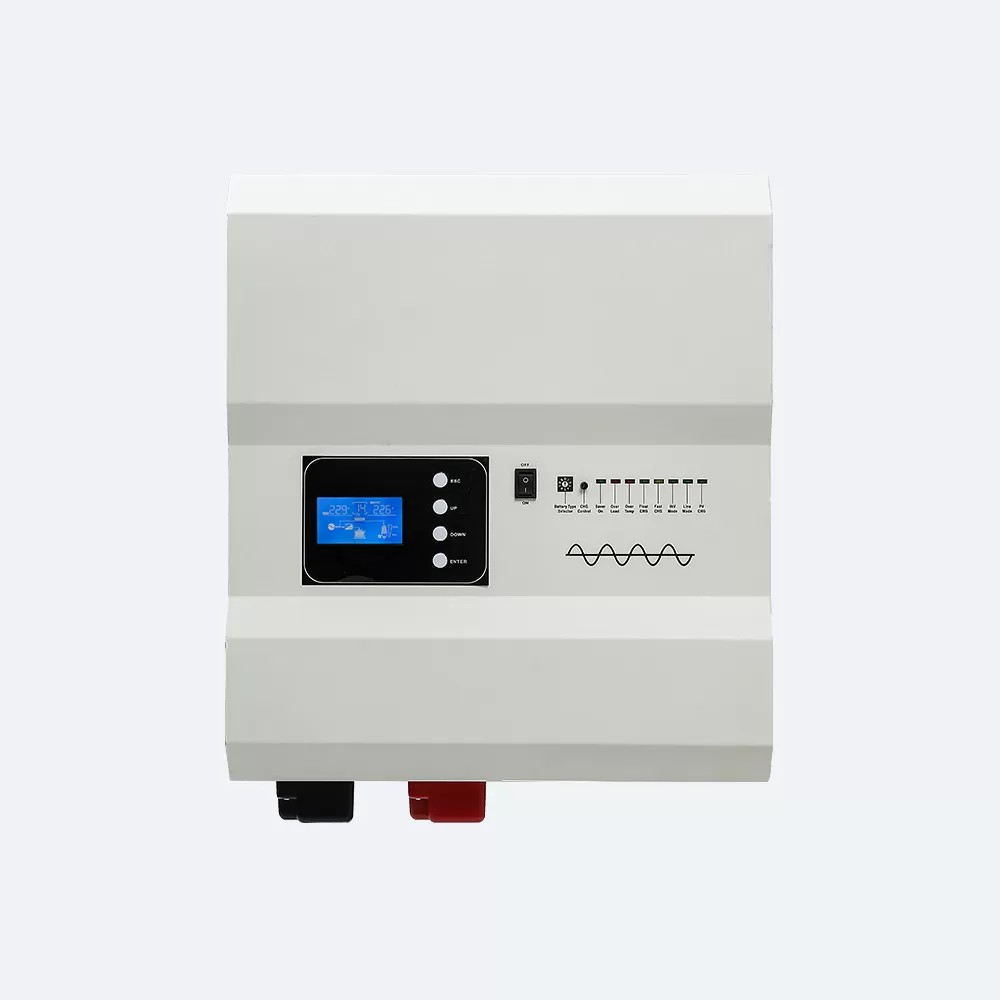
For OEM projects or large-scale procurement, these manufacturers are recognized for quality and reliability:
Shenzhen KeLu Electronics: A major player in grid and energy storage, ideal for large-scale or industrial projects requiring high reliability.
Guangzhou Sanjing Electric: Focuses on home and commercial energy storage, offering stable, intelligent systems with a strong export track record.
Beijing Kunlun New Energy: Specializes in PV inverters and microgrids, with expertise in efficient, stable off-grid and hybrid systems.
Shenzhen Inovance Photovoltaic: An established industrial brand offering a wide range of inverters known for reliability and electromagnetic compatibility.
💡 How to Choose the Right Inverter
Match Power to Your Load: Calculate your total continuous and surge (startup) wattage. Choose an inverter with at least 20-30% headroom. Remember, low-frequency inverters handle surges better.Select the Correct Voltage: Match the inverter to your battery bank: 12V for small systems/cars, 24V for mid-size RVs/off-grid, and 48V for large home or commercial systems.
Check Certifications & Protections: Look for CE, UL, or local safety marks. Essential protections include overload, short-circuit, over/under-voltage, and over-temperature.
Evaluate Efficiency & Noise: Higher peak efficiency (>90%) means less energy loss. For home or RV use, consider the fan noise level.
Consider Extra Features: Built-in solar charge controllers (MPPT/PWM) simplify off-grid systems. LCD displays and remote monitoring are valuable for managing larger installations.