Dongguan Hongyi Electric Products Co., Ltd.



Unveiling 2026: The True Power of Reliable Low-Frequency Pure Sine Wave Inverters
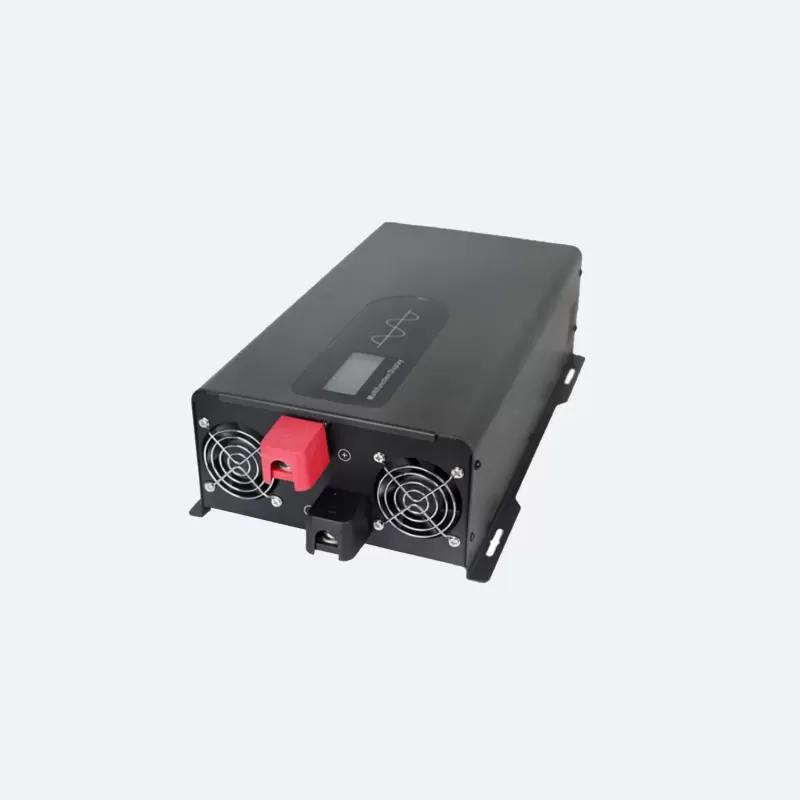
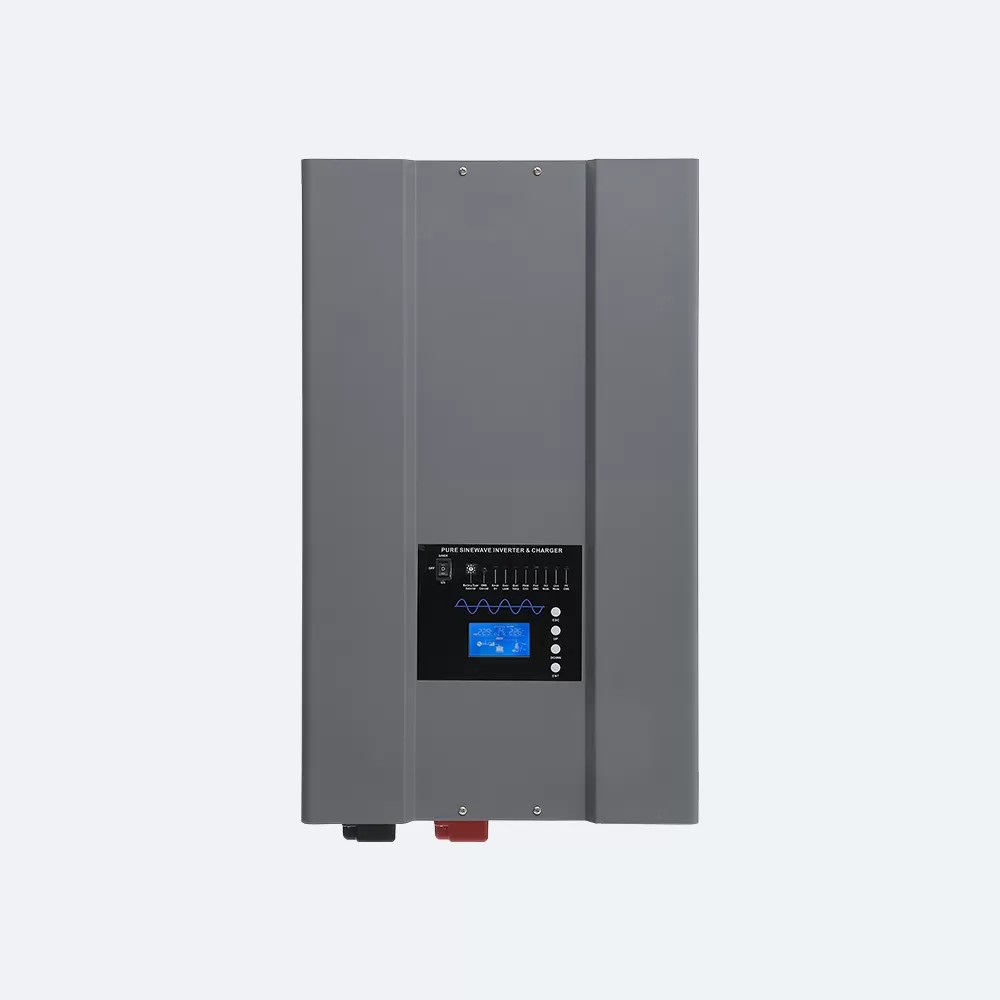
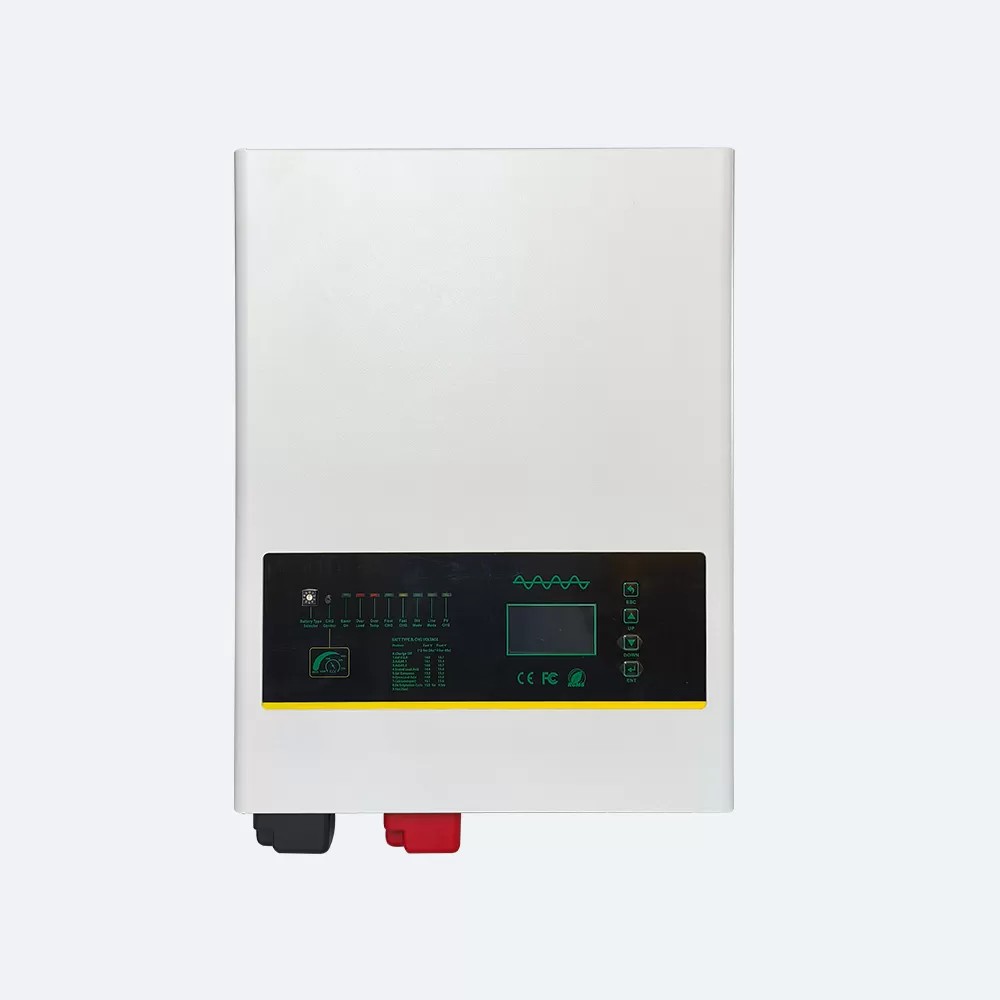
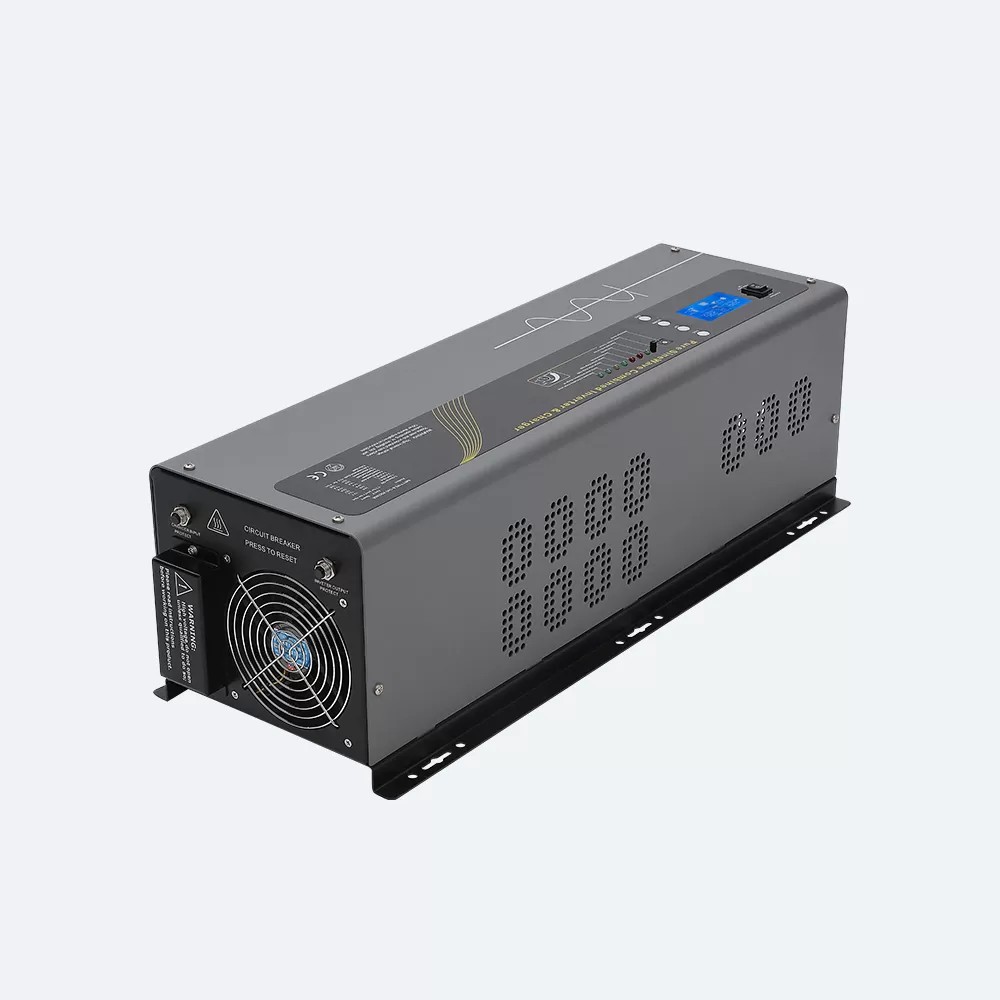
In the rapidly evolving landscape of renewable energy and off-grid solutions, low-frequency pure sine wave inverters have emerged as a critical component. These devices are not just another piece of hardware; they are the backbone of a reliable and efficient power system. In this article, we will delve into the importance of low-frequency pure sine wave inverters, supported by real-world data and case studies, and provide practical advice for their selection and use.
Understanding Low-Frequency Pure Sine Wave Inverters
What Are They?
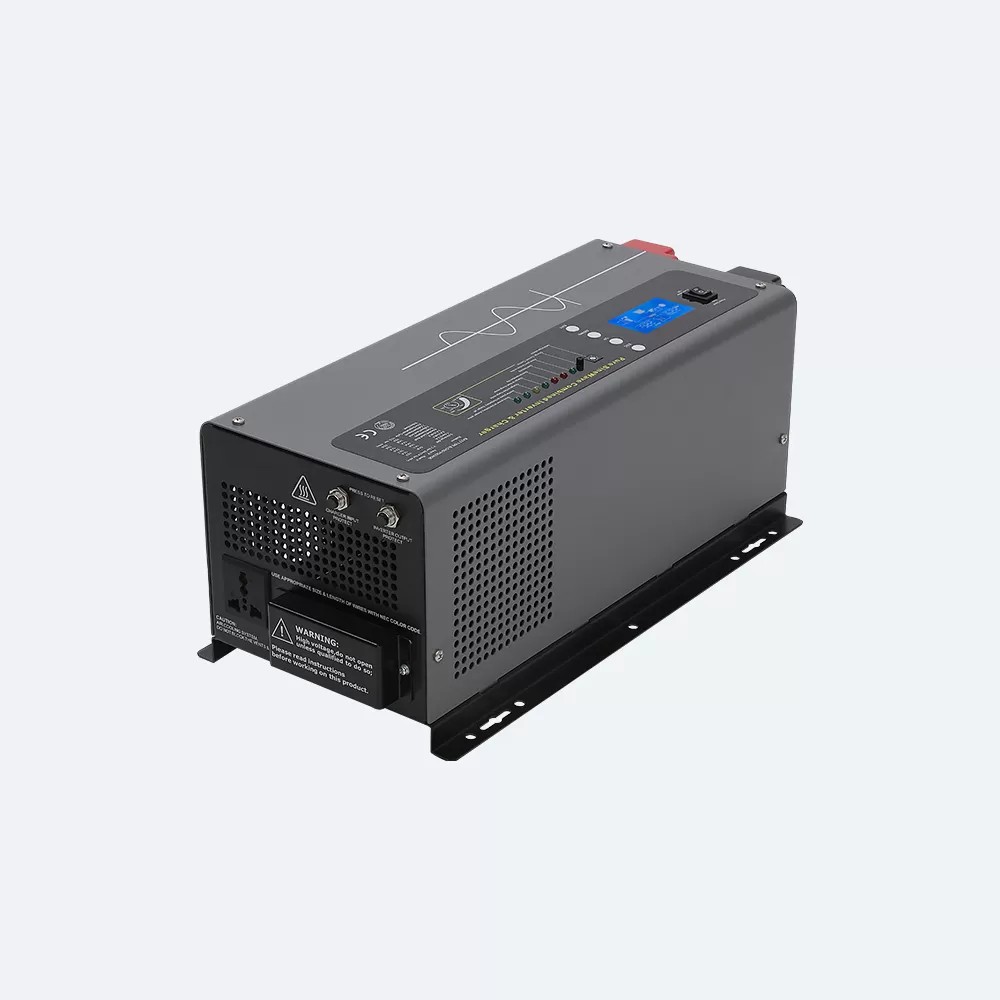
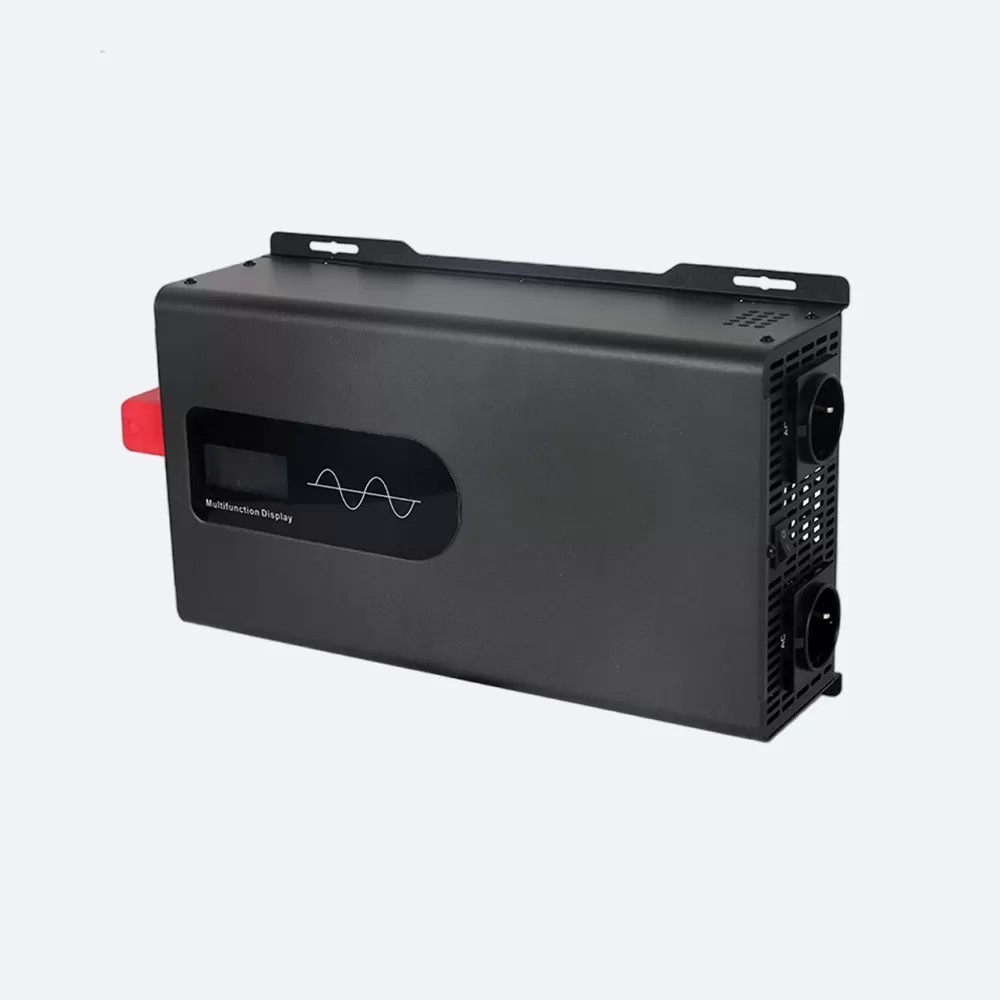
Low-frequency pure sine wave inverters convert DC (Direct Current) power from batteries or solar panels into AC (Alternating Current) power that can be used to run household appliances and electronics. Unlike modified sine wave inverters, which produce a square-like waveform, pure sine wave inverters generate a smooth, continuous sine wave, making them ideal for sensitive electronic equipment.
Why Choose Low-Frequency Pure Sine Wave Inverters?
Reliability and Efficiency
Data Point: According to a study by the National Renewable Energy Laboratory (NREL), low-frequency pure sine wave inverters have an average efficiency of 95-98%, compared to 85-90% for modified sine wave inverters.Case Study: A residential solar installation in California reported a 10% increase in overall system efficiency after switching to a low-frequency pure sine wave inverter. This improvement was attributed to the inverter's ability to handle peak loads more effectively and reduce energy losses.
Practical Advice:
When selecting an inverter, prioritize models with high efficiency ratings and robust build quality. Look for certifications such as UL (Underwriters Laboratories) and CE (Conformité Européenne) to ensure safety and reliability.Compatibility with Sensitive Electronics
Case Study: A small business in Texas experienced frequent equipment failures and data loss due to the use of a modified sine wave inverter. After upgrading to a low-frequency pure sine wave inverter, the company reported a 90% reduction in equipment malfunctions and a 50% decrease in maintenance costs.
Practical Advice:
If you have sensitive electronic devices, invest in a low-frequency pure sine wave inverter. Check the specifications of your devices to ensure they are compatible with the inverter's output.Longevity and Durability
Data Point: Low-frequency pure sine wave inverters typically have a lifespan of 10-15 years, compared to 5-7 years for modified sine wave inverters.Case Study: A remote research station in Antarctica has been using a low-frequency pure sine wave inverter for over a decade. Despite extreme weather conditions, the inverter has required minimal maintenance and continues to perform reliably.
Practical Advice:
Choose inverters from reputable manufacturers with a proven track record. Regular maintenance, such as cleaning and checking connections, can further extend the life of your inverter.Cost-Effectiveness in the Long Run
Data Point: While the initial cost of a low-frequency pure sine wave inverter is higher than that of a modified sine wave inverter, the long-term savings on maintenance and replacement make it a more cost-effective choice.Case Study: A family in rural Montana saved $1,500 in the first five years after installing a low-frequency pure sine wave inverter, primarily due to reduced maintenance and lower energy consumption.
Practical Advice:
Consider the total cost of ownership when making your purchase. Factor in the initial cost, expected lifespan, and potential savings on maintenance and energy bills.My Thoughts and Recommendations
As we look ahead to 2026, the role of low-frequency pure sine wave inverters in our energy systems will only become more crucial. The increasing adoption of renewable energy sources and the growing need for reliable off-grid solutions make these inverters an indispensable part of any modern power setup.
Recommendations:
Consider Your Needs: Assess your power requirements and the types of devices you will be running. This will help you choose the right inverter size and type.
Invest in Quality: While the initial cost may be higher, the long-term benefits of a high-quality inverter far outweigh the upfront expense.
Stay Informed: Keep up with the latest advancements in inverter technology. New models and features are constantly being developed, and staying informed can help you make the best choices for your needs.
In conclusion, low-frequency pure sine wave inverters offer a combination of reliability, efficiency, and compatibility that makes them the go-to choice for both residential and commercial applications. By investing in a high-quality inverter, you can ensure a stable and efficient power supply, reducing downtime and saving money in the long run.