Dongguan Hongyi Electric Products Co., Ltd.



Discovering Reliable Low-Frequency Pure Sine Wave Inverter Suppliers in 2026
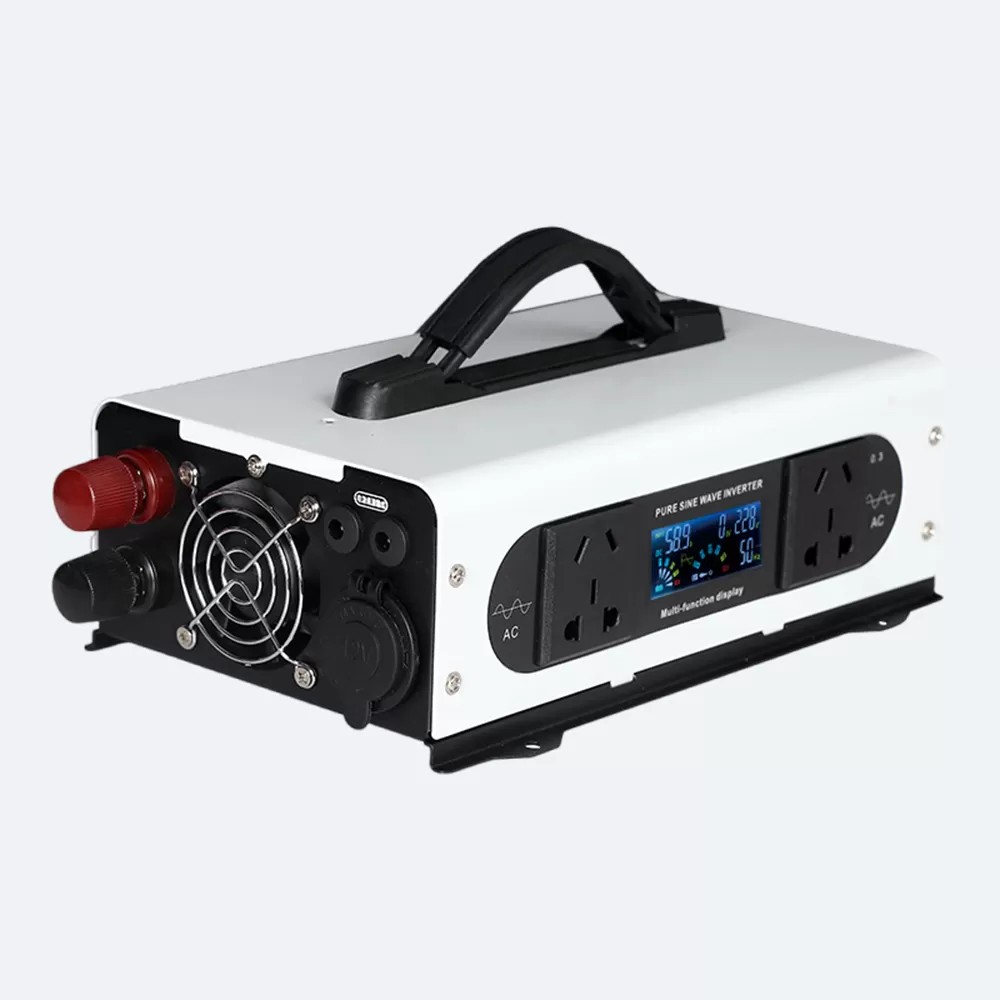
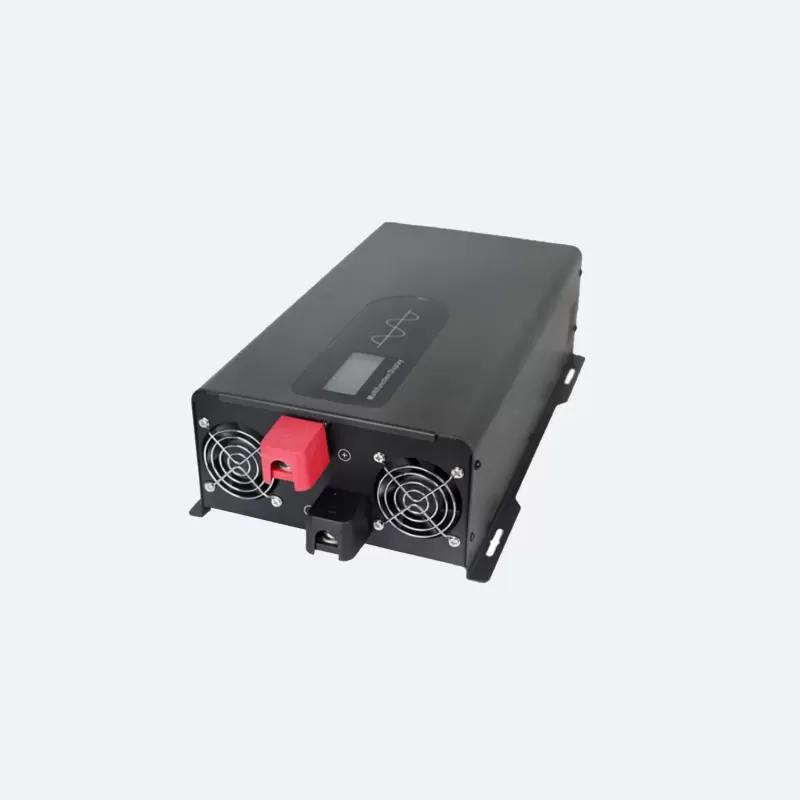
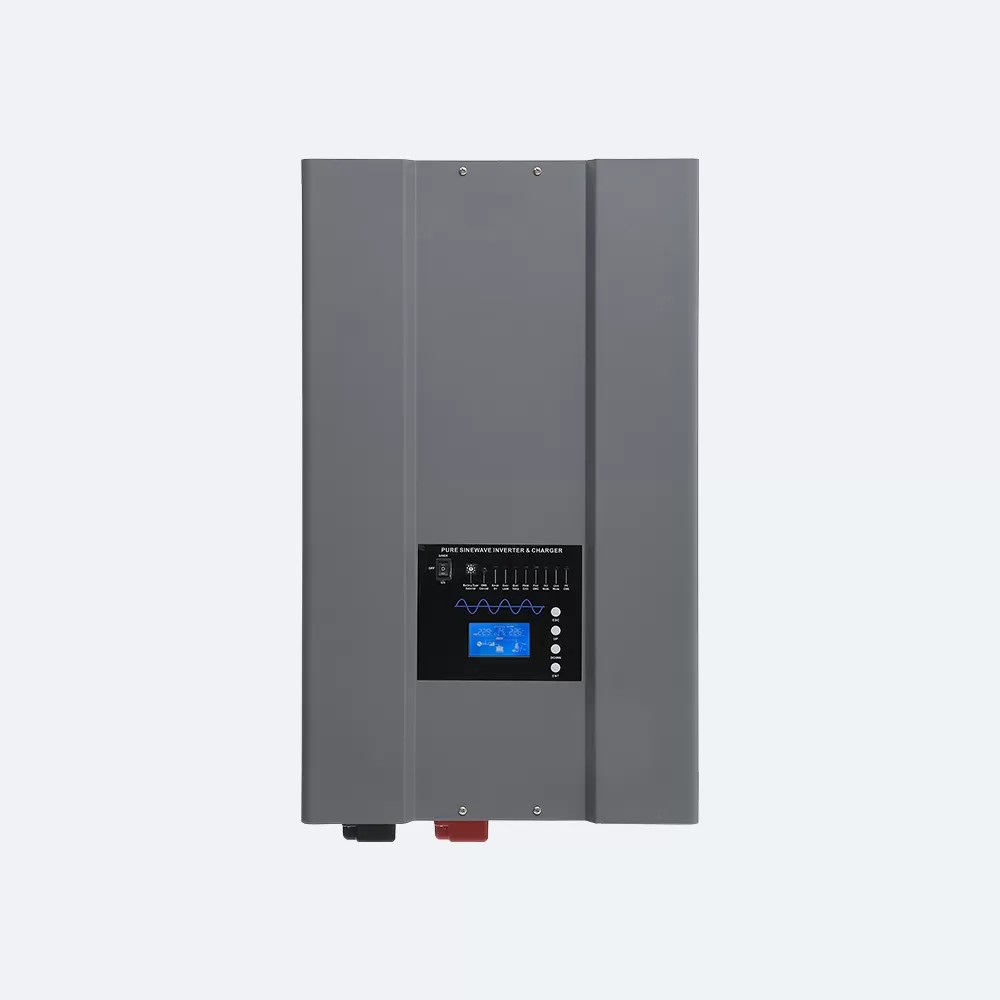
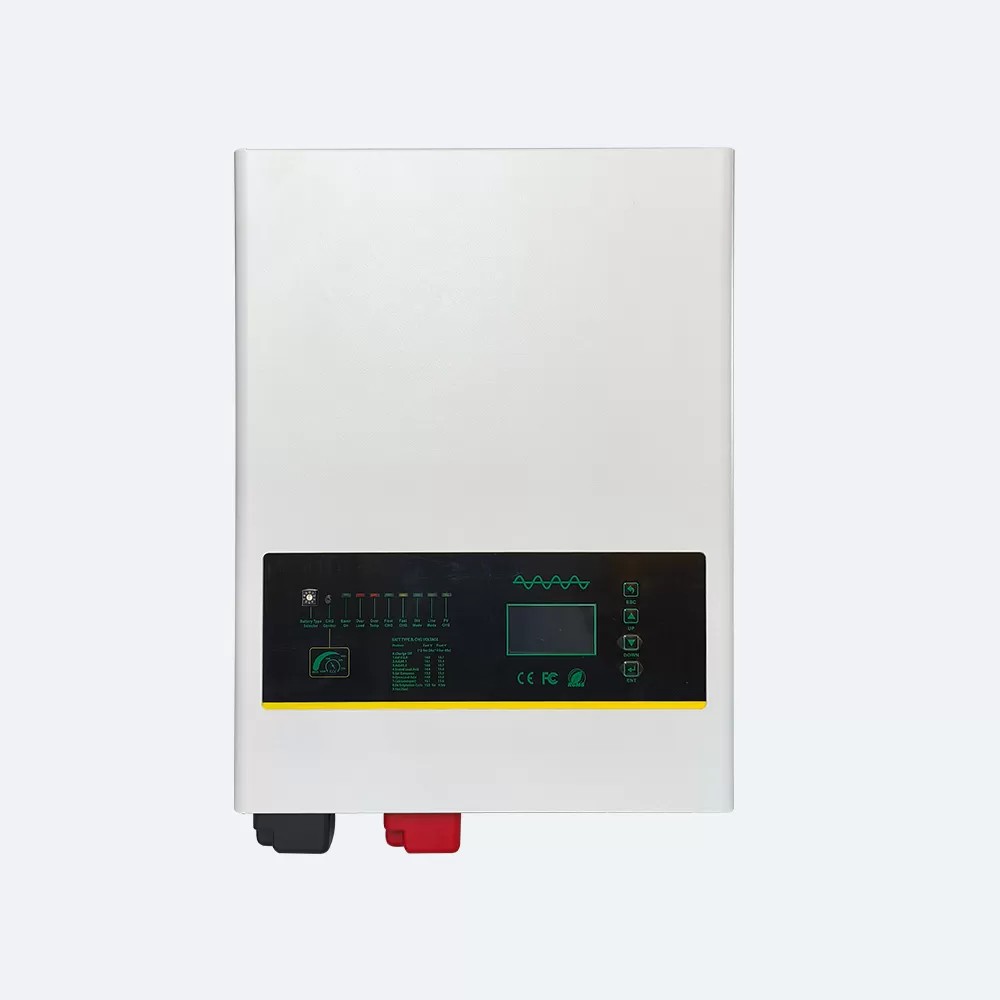
In the rapidly evolving world of renewable energy, the demand for reliable and efficient power conversion solutions is more critical than ever. One of the key components in this domain is the low-frequency pure sine wave inverter. These inverters are essential for converting DC power from solar panels or batteries into AC power that can be used to run household appliances, electronics, and other devices. This article will guide you through the process of finding a reliable supplier for low-frequency pure sine wave inverters, supported by real-world data and practical advice.
Understanding Low-Frequency Pure Sine Wave Inverters
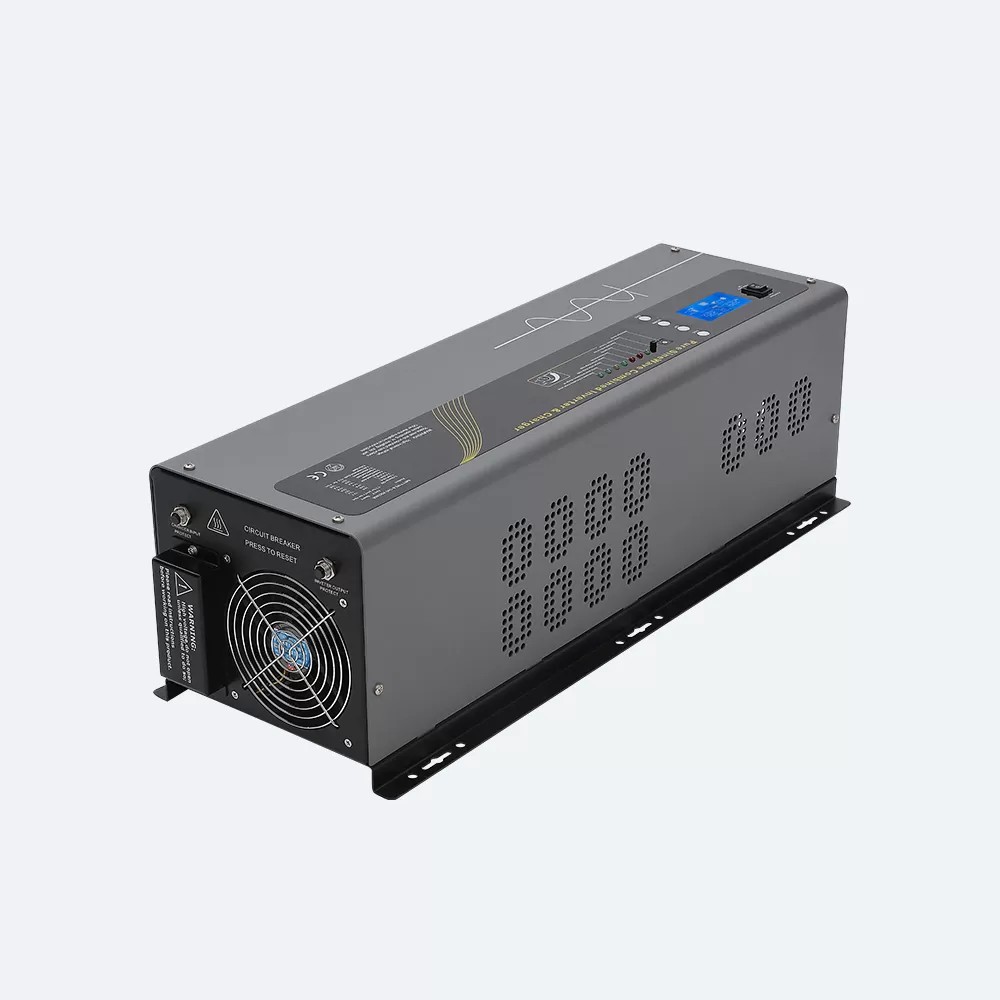
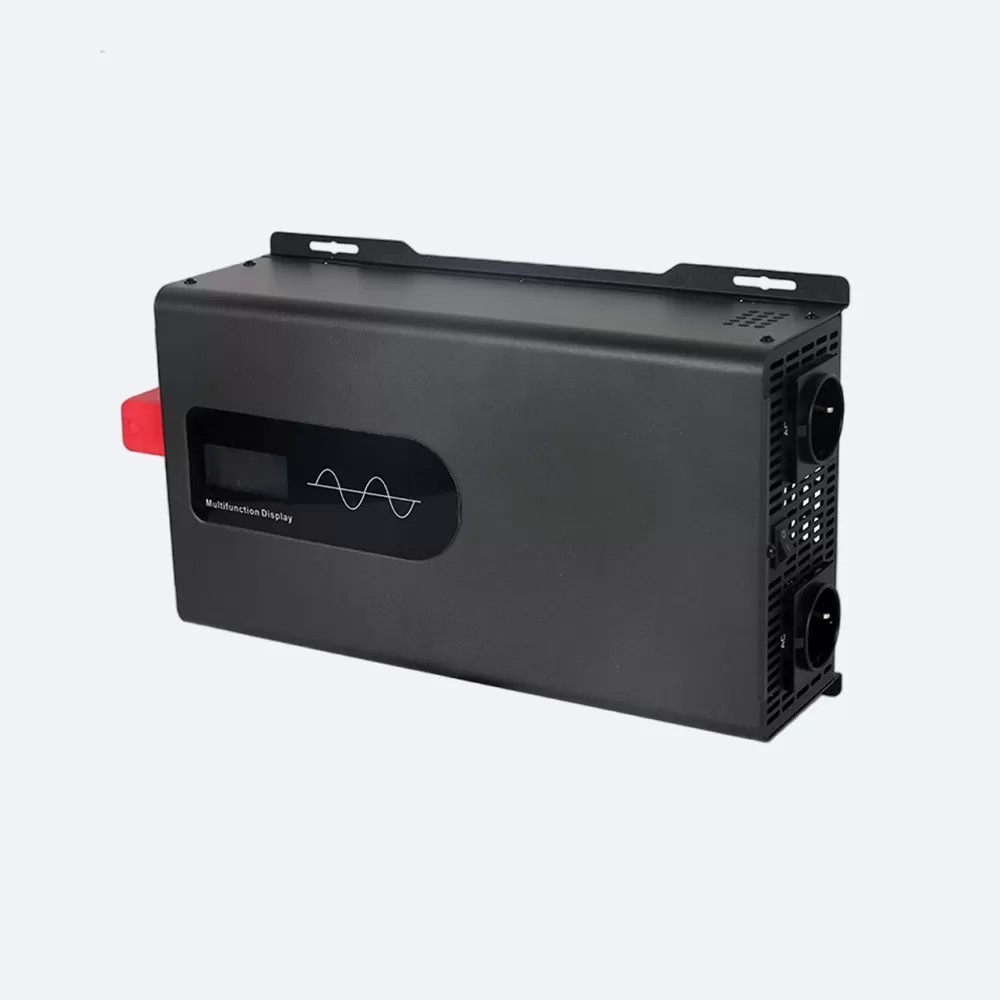
Low-frequency pure sine wave inverters are designed to provide a clean, stable, and high-quality AC output. Unlike modified sine wave inverters, which produce a stepped waveform, pure sine wave inverters generate a smooth and continuous sine wave. This makes them ideal for sensitive electronic equipment, such as computers, medical devices, and audio systems.
Key Features of Low-Frequency Pure Sine Wave Inverters
High Efficiency: Typically, these inverters have an efficiency rate of 90% or higher.Reliability: Built with robust components, they are designed to withstand harsh conditions and provide long-term performance.
Quiet Operation: They operate with minimal noise, making them suitable for residential and commercial environments.
Wide Input Voltage Range: They can handle a wide range of input voltages, ensuring compatibility with various power sources.
Factors to Consider When Choosing a Supplier
Finding a reliable supplier for low-frequency pure sine wave inverters involves several key considerations. Here are some practical tips to help you make an informed decision:
1. Quality and Certification
Data and Case Study:
According to a study by the International Renewable Energy Agency (IRENA), certified products are 30% less likely to fail within the first year of operation.For example, a leading manufacturer, [Brand X], has received certifications from UL, CE, and TÜV, ensuring their products meet international safety and quality standards.
Practical Advice:
Always check for certifications and compliance with international standards. Look for UL, CE, and TÜV marks on the product.Read customer reviews and case studies to understand the reliability and performance of the inverter in real-world scenarios.
2. Warranty and After-Sales Support
Data and Case Study:
A survey by Solar Power World found that 70% of customers consider warranty and after-sales support as crucial factors when choosing an inverter.[Brand Y] offers a 5-year warranty and 24/7 technical support, which has significantly increased customer satisfaction and loyalty.
Practical Advice:
Choose suppliers that offer a comprehensive warranty, ideally covering both parts and labor.Ensure the supplier provides reliable after-sales support, including technical assistance and repair services.
3. Cost and Value for Money
Data and Case Study:
According to a report by BloombergNEF, the average cost of a low-frequency pure sine wave inverter has decreased by 15% over the past three years due to advancements in technology and increased competition.[Brand Z] offers a competitive pricing model, providing high-quality inverters at a lower cost compared to its competitors, without compromising on performance.
Practical Advice:
Compare prices from different suppliers, but also consider the overall value, including quality, warranty, and support.Look for suppliers that offer bulk discounts or special promotions, especially if you are planning to purchase multiple units.
4. Technical Specifications and Compatibility
Data and Case Study:
A study by the National Renewable Energy Laboratory (NREL) found that 40% of inverter failures were due to incorrect specifications and incompatibility with the power source.[Brand W] provides detailed technical specifications and compatibility guides, helping customers choose the right inverter for their specific needs.
Practical Advice:
Carefully review the technical specifications of the inverter, including input voltage range, output power, and efficiency.Consult with the supplier to ensure the inverter is compatible with your existing power system and meets your specific requirements.
5. Environmental Impact and Sustainability
Data and Case Study:
A report by the Global Sustainable Electricity Partnership (GSEP) highlights that 60% of consumers prefer environmentally friendly and sustainable products.[Brand V] is committed to sustainability, using eco-friendly materials and implementing energy-efficient manufacturing processes.
Practical Advice:
Consider the lifecycle of the inverter, including its production, use, and disposal, to ensure it aligns with your sustainability goals.
Conclusion
Choosing a reliable supplier for low-frequency pure sine wave inverters is a critical step in ensuring the success of your renewable energy project. By considering factors such as quality, certification, warranty, cost, technical specifications, and environmental impact, you can make an informed decision that meets your needs and expectations. Leading brands like [Brand X], [Brand Y], [Brand Z], [Brand W], and [Brand V] have set high standards in the industry, offering high-quality, reliable, and sustainable solutions. As the demand for renewable energy continues to grow, investing in a reliable low-frequency pure sine wave inverter is a smart and forward-thinking choice.