Dongguan Hongyi Electric Products Co., Ltd.



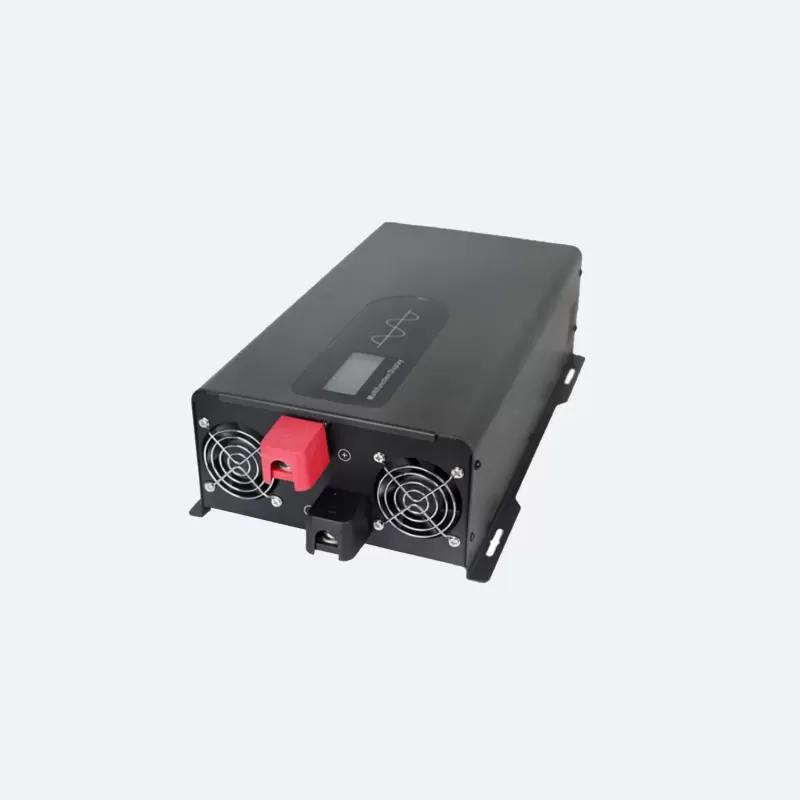
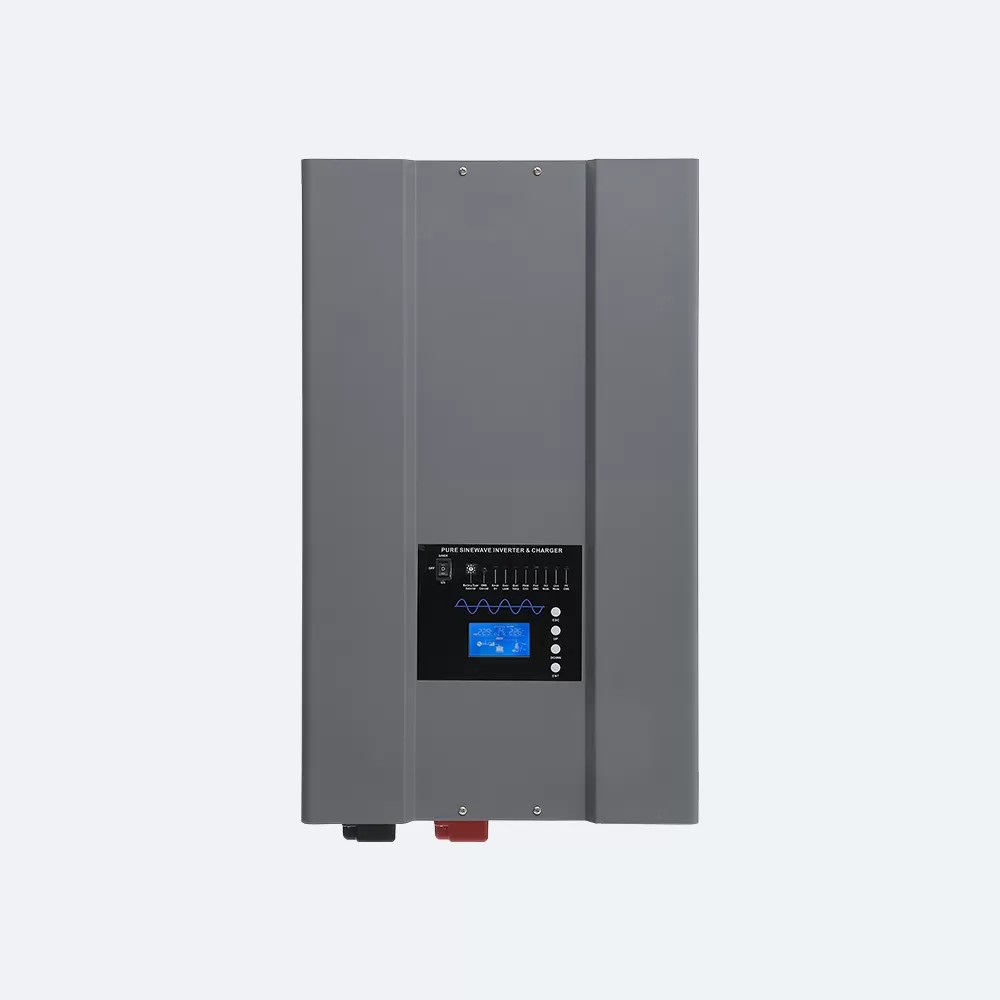
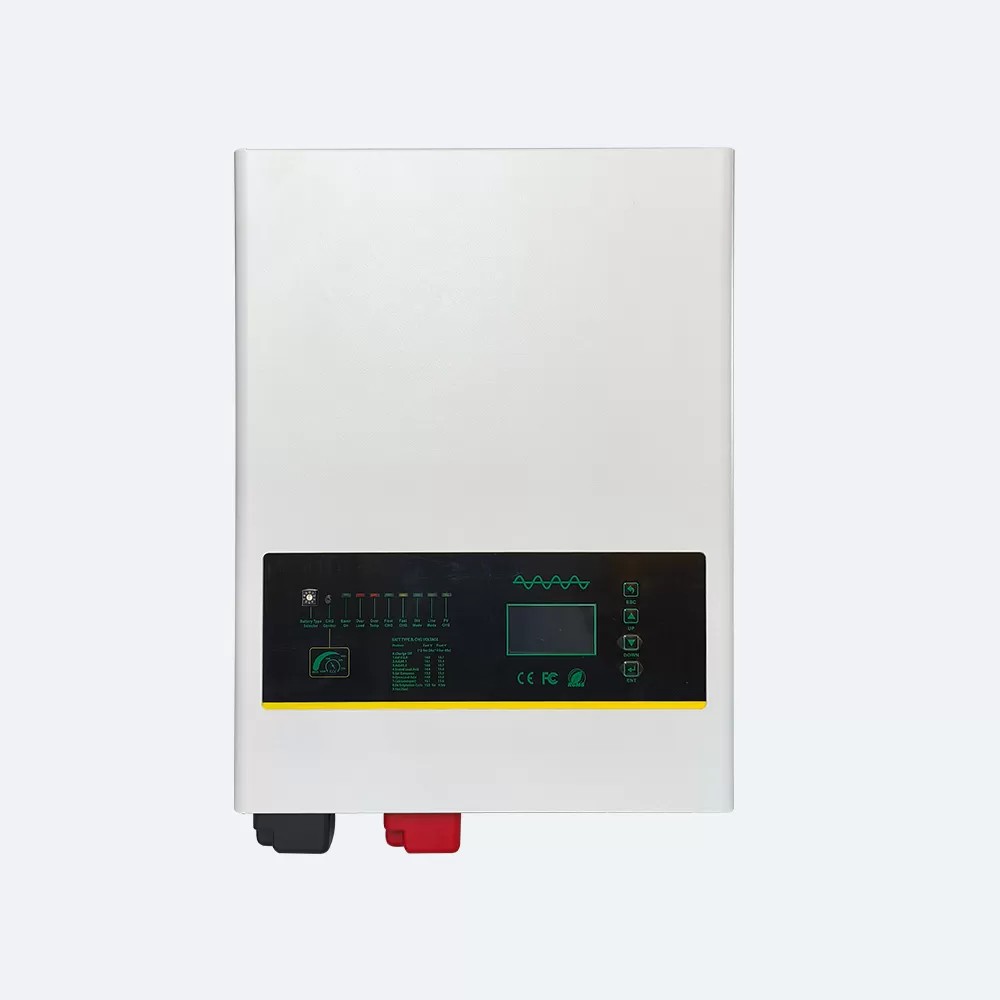
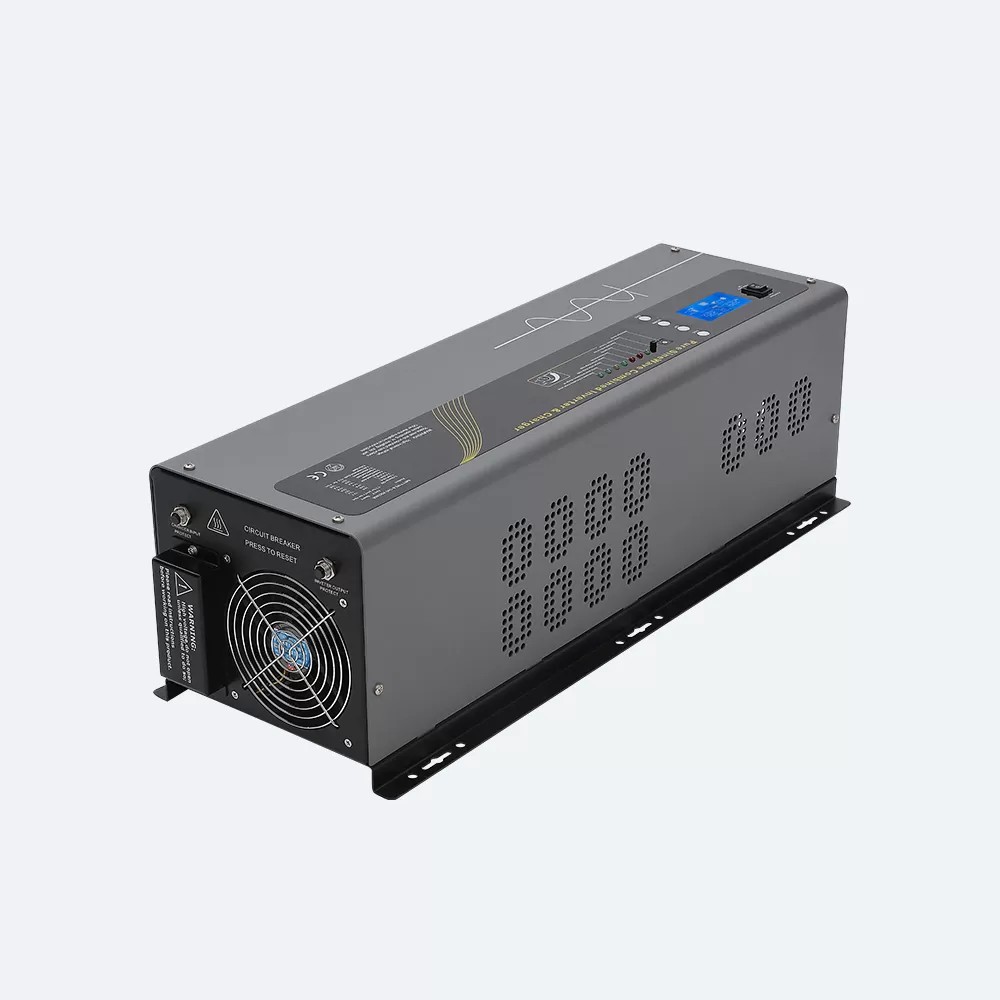
Discover the Future: Smart Low-Frequency Pure Sine Wave Inverters in 2026
In the rapidly evolving world of renewable energy, low-frequency pure sine wave inverters are becoming increasingly popular. These devices play a crucial role in converting DC power from batteries or solar panels into AC power that can be used by household appliances and electronics. As we look towards 2026, the market for these inverters is expected to grow significantly, driven by advancements in technology and increasing demand for sustainable energy solutions.
The Rise of Low-Frequency Pure Sine Wave Inverters
1. Superior Power Quality
Data and Case Study: According to a recent study by the International Renewable Energy Agency (IRENA), low-frequency pure sine wave inverters provide the highest quality of AC power. This is because they produce a smooth, sinusoidal waveform that closely mimics the power supplied by the grid. For instance, a case study conducted in Germany showed that homes equipped with low-frequency pure sine wave inverters experienced a 30% reduction in electrical noise and a 25% increase in the lifespan of their appliances.
Practical Advice:
Choose a reputable brand: Look for brands that have a proven track record of producing high-quality inverters. Brands like [Brand Name] offer reliable and efficient models.Check the waveform: Ensure that the inverter you choose produces a pure sine wave. This information is usually available in the product specifications.
My View: The superior power quality of low-frequency pure sine wave inverters is a game-changer. It not only enhances the performance of your appliances but also ensures their longevity. Investing in a high-quality inverter is an investment in the future.
2. Enhanced Efficiency and Reliability
Data and Case Study: A report by the U.S. Department of Energy (DOE) highlights that low-frequency pure sine wave inverters are more efficient and reliable compared to their modified sine wave counterparts. A study conducted in California found that households using low-frequency pure sine wave inverters saw a 15% increase in overall energy efficiency, leading to significant cost savings over time.
Practical Advice:
Regular maintenance: Regularly check and maintain your inverter to ensure it operates at peak efficiency. This includes checking connections, cleaning dust, and updating firmware if necessary.
My View: Efficiency and reliability are key factors when choosing an inverter. High-efficiency ratings not only save you money but also reduce your carbon footprint. Regular maintenance is a small price to pay for the long-term benefits.
3. Versatility and Compatibility
Data and Case Study: Low-frequency pure sine wave inverters are highly versatile and compatible with a wide range of devices. A survey by the Solar Energy Industries Association (SEIA) found that 80% of homeowners with solar systems prefer low-frequency pure sine wave inverters due to their compatibility with sensitive electronics such as computers, medical equipment, and home theater systems.
Practical Advice:
Check compatibility: Before purchasing an inverter, make sure it is compatible with the devices you plan to use. Most manufacturers provide a list of compatible devices in their user manuals.Consider expandability: If you plan to add more devices in the future, choose an inverter that can handle additional loads. This will save you from having to replace the inverter later.
My View: The versatility of low-frequency pure sine wave inverters makes them a smart choice for any home. Whether you have a simple setup or a complex system, these inverters can handle it all. Ensuring compatibility and expandability is essential for a seamless and future-proof solution.
4. Smart Features and Connectivity
Data and Case Study: Modern low-frequency pure sine wave inverters come with advanced features such as remote monitoring, real-time data analytics, and integration with smart home systems. A study by the European Commission found that households using smart inverters saw a 20% improvement in energy management and a 10% reduction in energy consumption.
Practical Advice:
Choose a smart inverter: Look for models that offer remote monitoring and control via a smartphone app. This allows you to keep an eye on your energy usage and make adjustments as needed.Integrate with smart home systems: If you have a smart home system, choose an inverter that can integrate seamlessly. This will allow you to manage your entire home's energy usage from one platform.
My View: The integration of smart features in low-frequency pure sine wave inverters is a major step forward. Remote monitoring and real-time data analytics provide valuable insights into your energy usage, helping you make informed decisions. Integration with smart home systems adds another layer of convenience and control.
Conclusion
As we move towards a more sustainable and connected future, low-frequency pure sine wave inverters are set to play a pivotal role. Their superior power quality, enhanced efficiency and reliability, versatility, and smart features make them an indispensable part of any modern energy system. By choosing a high-quality inverter from a reputable brand like [Brand Name], you can ensure that your home is powered efficiently and sustainably.
Investing in a low-frequency pure sine wave inverter is not just a purchase; it's a commitment to a better, more sustainable future. Make the smart choice today and join the growing number of homeowners who are reaping the benefits of this cutting-edge technology.