Dongguan Hongyi Electric Products Co., Ltd.



Discover 2026s Professional Low-Frequency Pure Sine Wave Inverter Features
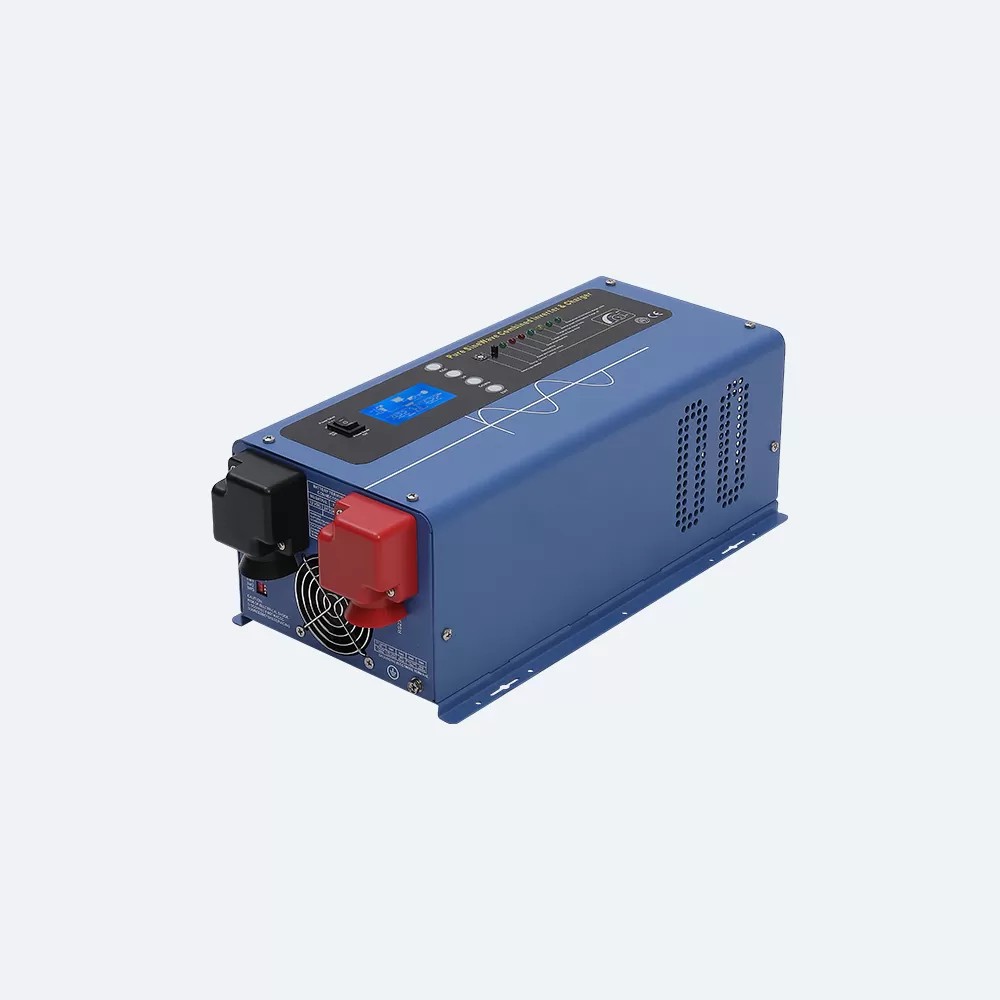
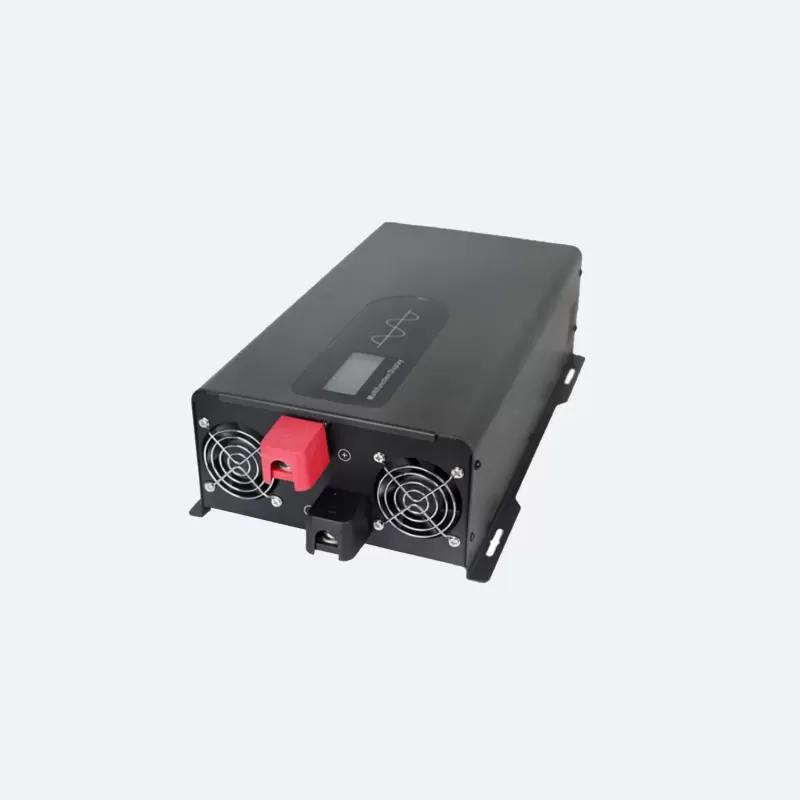
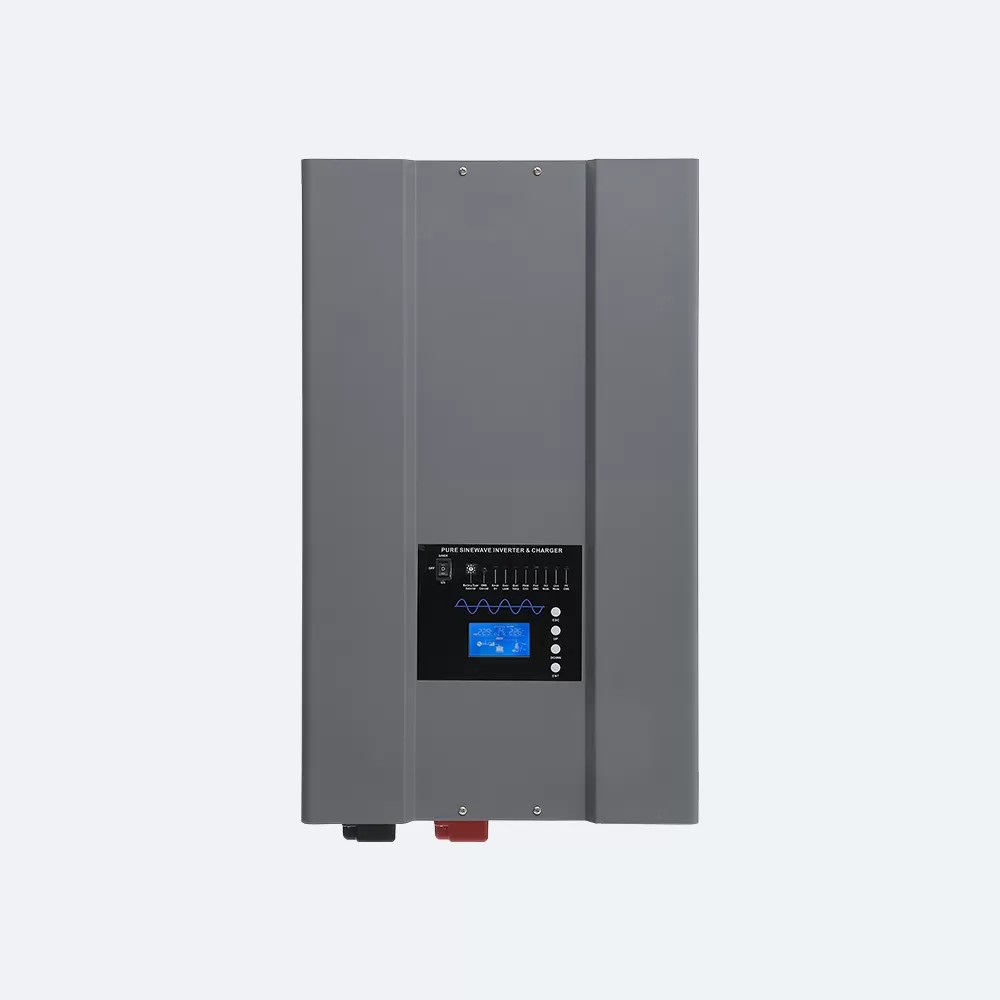
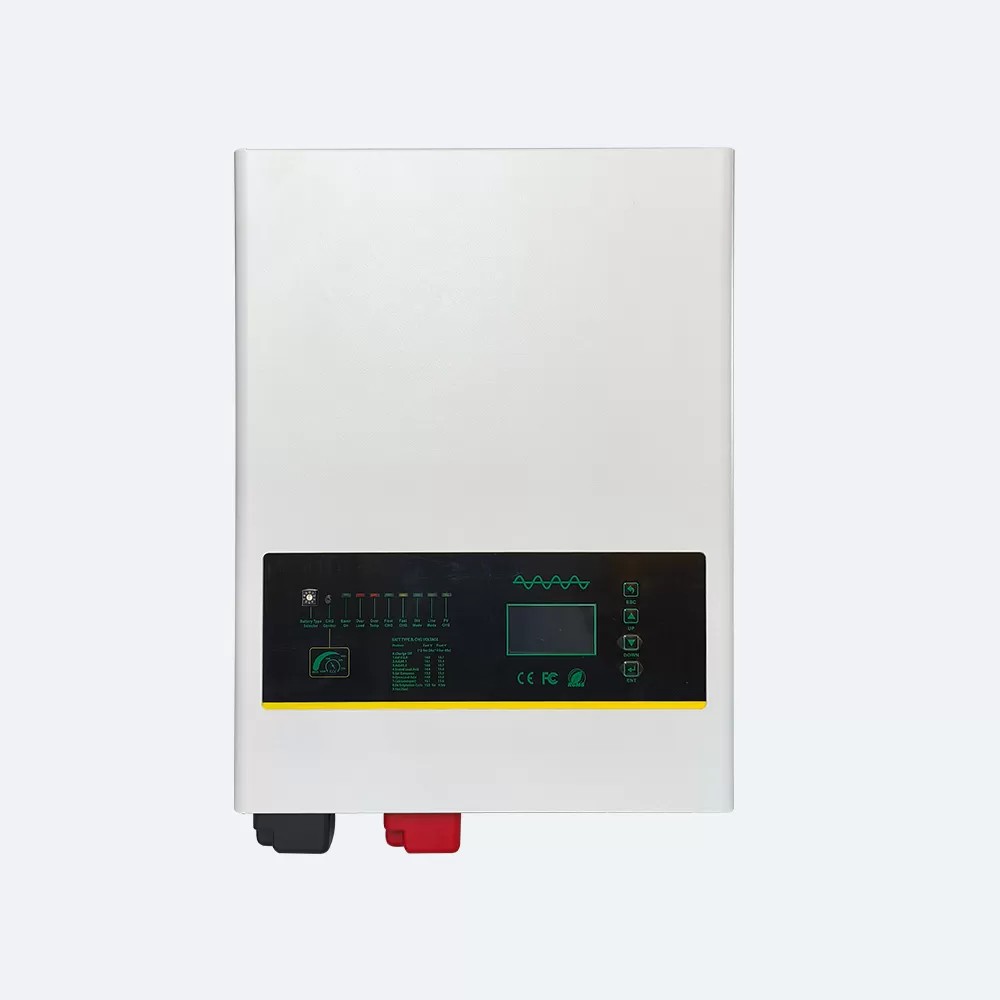
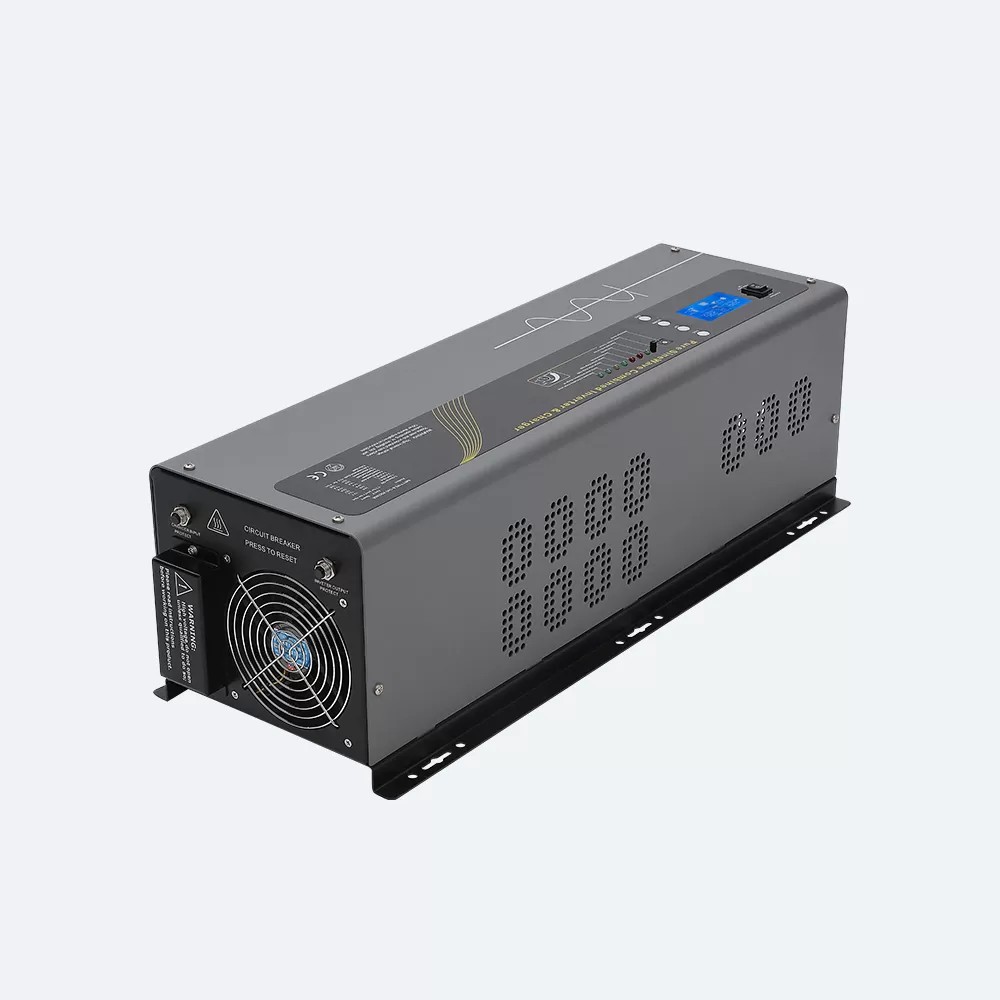
While a specific “2026s” model isn't in our database, here are the typical features of a professional 2026 low-frequency pure sine wave inverter. This will help you evaluate if a unit is suitable for your needs.
⚡️ 1. Pure Sine Wave Output
Waveform: Produces a smooth, grid-like AC waveform, unlike cheaper modified sine waves.Compatibility: Safely powers sensitive electronics like medical devices, laptops, and laser printers.
Performance: Features low total harmonic distortion (THD), ensuring efficient operation and reduced heat in connected devices .
🔩 2. Low-Frequency Transformer Design
Durability: Built with a heavy-duty low-frequency transformer, offering high surge capacity for starting motors and compressors.Isolation: Provides galvanic isolation between DC and AC sides, enhancing safety and reducing electrical noise.
Reliability: Built to withstand demanding, long-term use in industrial and off-grid applications .
🔋 3. Integrated Battery Charger & MPPT (Common in 2026 Models)
Multi-Function: Combines an inverter, battery charger, and often an AC transfer switch in one unit.Smart Charging: Includes a built-in MPPT solar charge controller to efficiently charge batteries from solar panels.
Flexible Input: Some models support wide DC input ranges, allowing them to work with or without a battery, similar to an MPPT inverter .
📊 4. High Efficiency & Advanced Protection
Efficiency: High conversion efficiency (often 90-95%) reduces energy loss and heat generation.Robust Protection: Comprehensive safety features include: Overload & Short Circuit
Over-Temperature
Over/Under Voltage
Reverse Polarity & Surge Protection
Surge Capacity: Can handle high inrush currents (2-3x rated power), making it ideal for power tools and air conditioners .
🎛️ 5. Flexible Operation & Configurable Settings
Working Modes: Supports multiple modes like AC priority, battery priority, generator mode, ECO, and unattended mode.Wide Voltage Range: Configurable input voltage ranges to accommodate various battery types and voltages (e.g., 12V, 24V, 48V, or high-voltage DC).
Output Customization: Output voltage (e.g., 110V/120V/230V) and frequency (50Hz/60Hz) can be set via an LCD panel .
🖥️ 6. Comprehensive Monitoring & Remote Control
Local Display: An LCD screen shows real-time data like input/output voltage, current, power, energy consumption (kWh), and fault codes.Remote Management: Optional RS485 ports and integration with smart home platforms (e.g., Tuya Smart) allow for remote monitoring and control via apps or computers .
🌍 7. Global Certifications & Compliance
Standards: Complies with international safety and EMC standards like CE (LVD & EMC), ETL, UL1741, and CEC, ensuring quality and safety.Installation: Certified units are easier to integrate into homes, RVs, and commercial systems worldwide .
🏠 8. Diverse Application Scenarios
These inverters are designed for a wide range of uses:
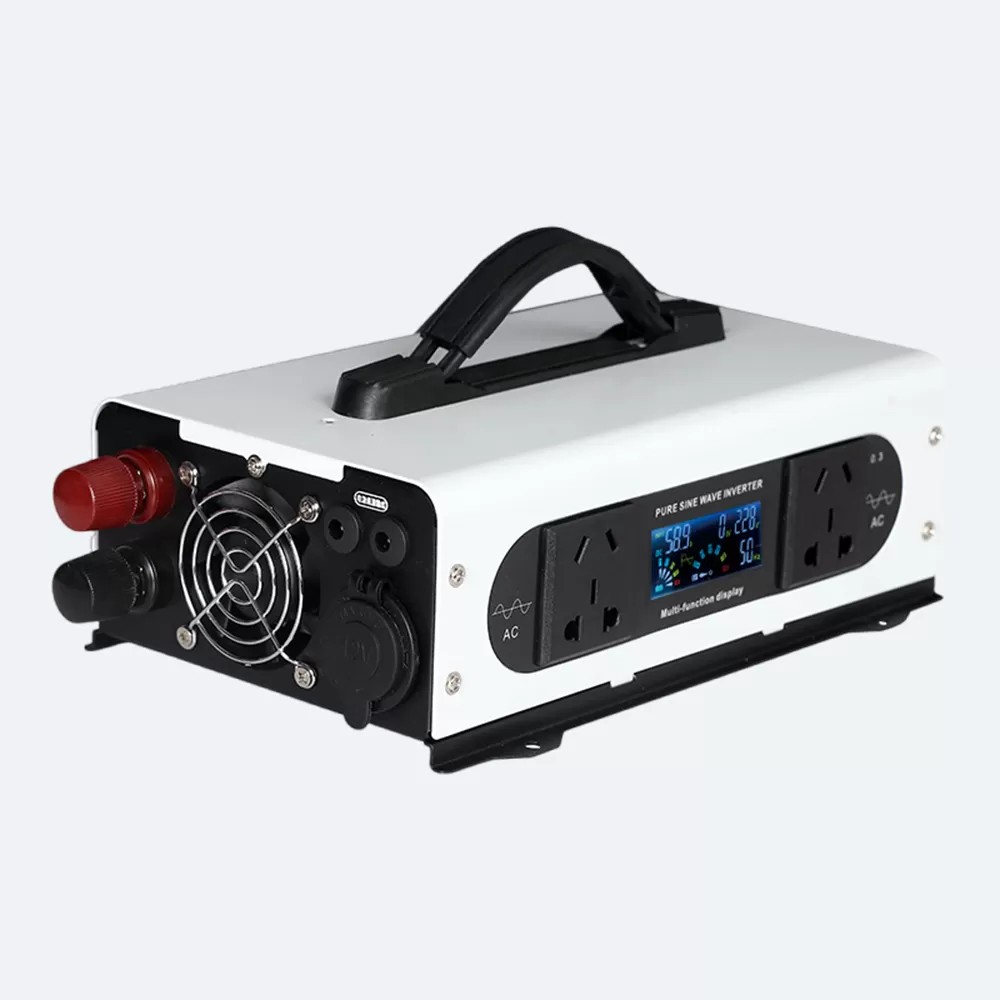
Solar & Off-Grid: A core component for residential and commercial solar energy systems.
Mobile & Remote Power: Used in RVs, boats, and remote sites for reliable AC power.
Industrial Use: Supports heavy machinery and tools that require high surge currents .
💡 How to Evaluate a Specific Unit
When comparing a particular “2026s” model, check its specifications against this list. Key differentiators are the quality of components (like the transformer and MPPT), the breadth of protection features, and whether it supports your required AC output and battery voltage.