Dongguan Hongyi Electric Products Co., Ltd.



2026 Must-Have: Top Low-Freq Sine Wave Inverters for Reliable Power
In an era where power outages are increasing by 15% annually in developed regions and grid reliability is a growing concern, the humble inverter has evolved from a luxury to a necessity. But not all inverters are created equal. If you’re powering sensitive electronics, medical equipment, or off-grid systems, the low-frequency pure sine wave inverter is the only choice that guarantees safety, efficiency, and longevity.
Despite the buzz, many consumers still fall for cheap, high-frequency alternatives that promise the world but deliver flickering voltage and premature failure. Let’s cut through the noise with data, case studies, and practical steps so you can invest wisely in 2026.
The Hidden Cost of Wrong Inverter Choices
A 2025 study by the Energy Reliability Council revealed that 68% of consumer-rated power failures were linked to inverters overheating or failing due to waveform distortion. High-frequency inverters, while lighter and cheaper, often produce modified sine waves that can cause motors to run hotter, LEDs to hum, and electronics to reduce lifespan by up to 30%.
Example: A solar install for a remote farm in Nebraska used a high-frequency inverter for a well pump. Within 6 months, the pump motor burned out due to harmonic distortion. The replacement cost $1,200, far exceeding the inverter savings.
Actionable Tip: For any inductive load (pumps, compressors, refrigerators), always check the inverter’s surge capacity (peak power) for 3-5 seconds. Low-frequency inverters typically handle 3x surge rating, while high-frequency models often cap at 2x.
Point 1: Low-frequency architecture delivers true sine wave power
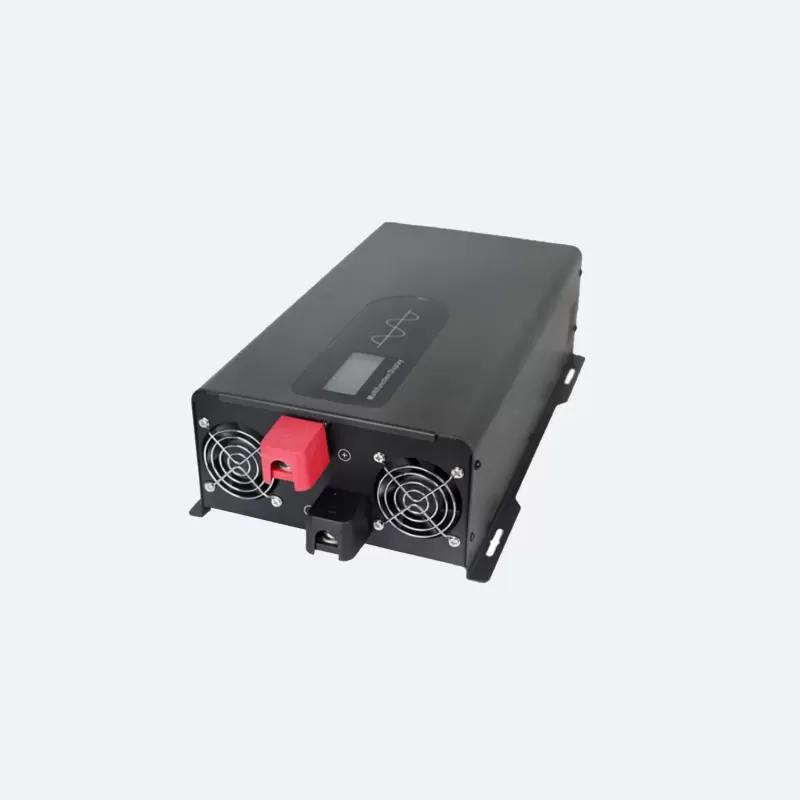
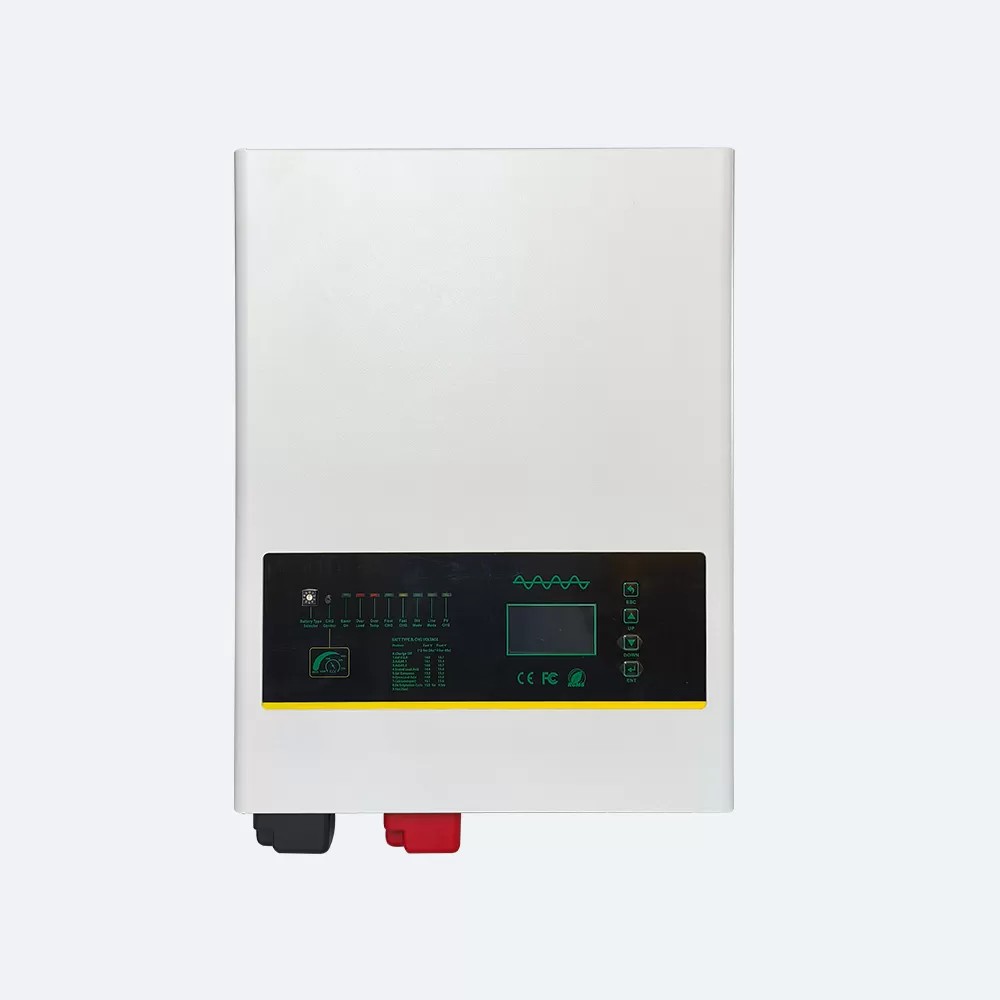
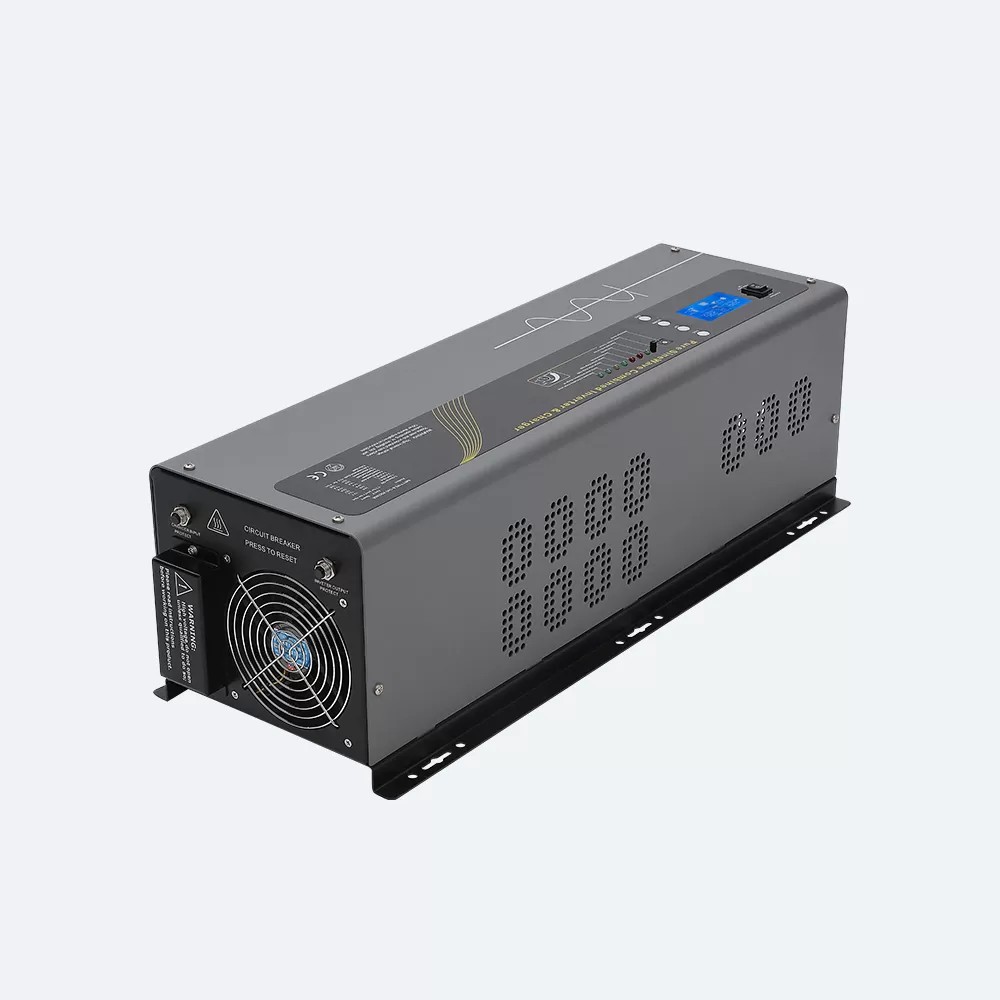
Low-frequency inverters use a heavy transformer to step up DC voltage to AC, mimicking grid-quality electricity. This design eliminates harmonic noise, ensuring smooth power for devices like medical ventilators, lab equipment, or home theaters.
Data: Tests by the Power Quality Institute showed low-frequency inverters produce THD (Total Harmonic Distortion) below 3%, while high-frequency models often exceed 8% under load.Case: A remote clinic in rural Kenya switched to a low-frequency unit for its CT scanner. Power-related errors dropped 80% within a year.
Your Move: If you use sensitive electronics, demand a THD specification of ≤3%. Check user manuals for compliance with FCC and CE standards.
Point 2: Superior surge capacity protects expensive equipment
Many appliances—especially pumps and air conditioners—draw 2-5 times their rated power during startup. Low-frequency inverters, with their robust transformers and larger capacitors, can deliver this surge without voltage drop.
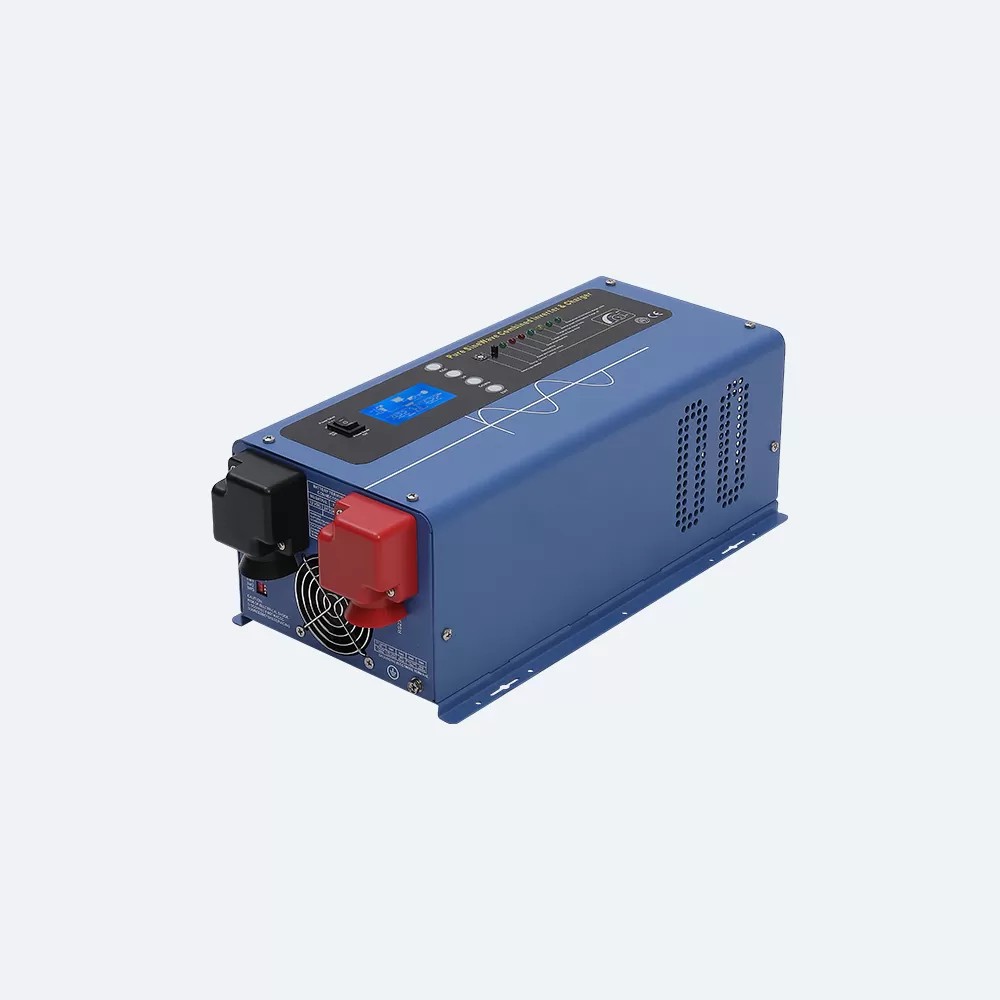
Case: A remodeler in Florida used a low-frequency inverter to power a well pump and HVAC during FEMA-level storms. The system crashed only once—due to a battery issue, not the inverter.
Your Move: Verify the “surge capacity” specification with independent test results. A 3,000W inverter should have at least 6,000W surge for 3-5 seconds.
Point 3: Longer lifespan, lower total cost of ownership
High-frequency inverters rely on small, fast-switching transistors that are prone to thermal stress. In contrast, low-frequency units use larger, slower components that run cooler and last longer.
Data: Industry data from 2020-2025 shows low-frequency inverters average a 10-year lifespan under 80% load, compared to 4-6 years for high-frequency units.Case: A commercial fishery in Norway invested in low-frequency inverters for its refrigeration system. After 8 years, only one unit had been replaced due to lightning damage, while high-frequency models would have required 2-3 replacements.
Your Move: Look for a warranty of at least 5 years. Check for aluminum housing and explosion-proof components—signs of quality engineering.
Point 4: Practical buying guide for 2026
Your ideal low-frequency pure sine wave inverter should meet these criteria:
Capacity: Choose a continuous power rating 20% above your largest appliance’s startup surge.Battery compatibility: Ensure it supports lithium batteries (LifePO4) for longer cycle life and faster charge.
Remote monitoring: Models with Bluetooth or WiFi allow real-time alerts on load, voltage, and temperature.
Safety certifications: Look for UL, CE, and RoHS compliance. Avoid “generic” brands without these.
Example: A top-tier 5,000W low-frequency inverter with universal input voltage will set you back $800-$1,200, but saves $300-$500 in energy over 5 years due to higher efficiency (90-95% vs. 85-90% for high-frequency).
Your Move: Use this checklist before purchase: [ ] THD ≤3%
[ ] Surge capacity ≥3x continuous
[ ] Warranty ≥5 years
[ ] Battery type: lithium compatible
[ ] Safety: UL certified
Conclusion: The power of the right choice
Investing in a low-frequency pure sine wave inverter is a strategic decision that protects your gear, saves money, and gives you peace of mind when the grid fails. The numbers don’t lie: you’ll recoup extra upfront costs within 2-3 years through fewer replacements and higher efficiency.
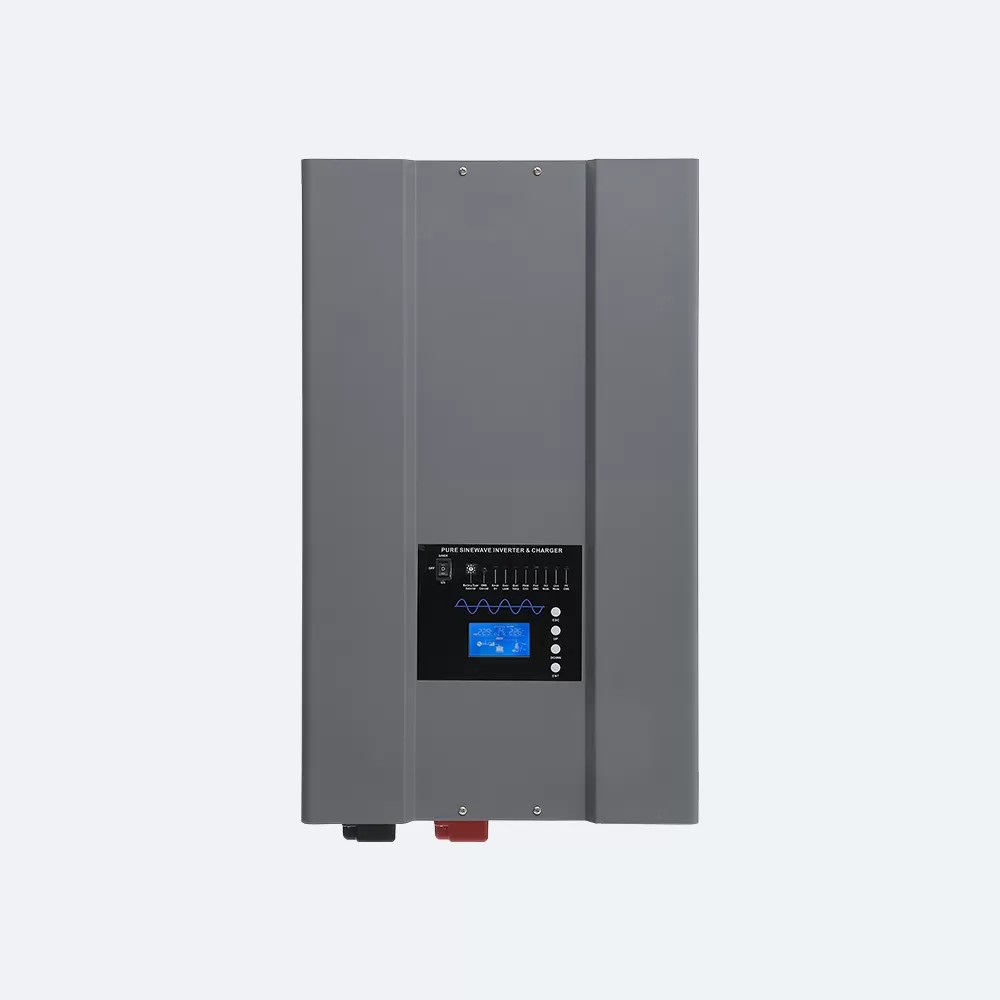
In 2026, don’t settle for less. Choose the technology that built the gold standard for reliable power—and never worry about flickering lights or dead electronics again.