Dongguan Hongyi Electric Products Co., Ltd.



Discover the Innovation Points of Professional Low - Frequency Pure Sine Wave Inverters in 2026!
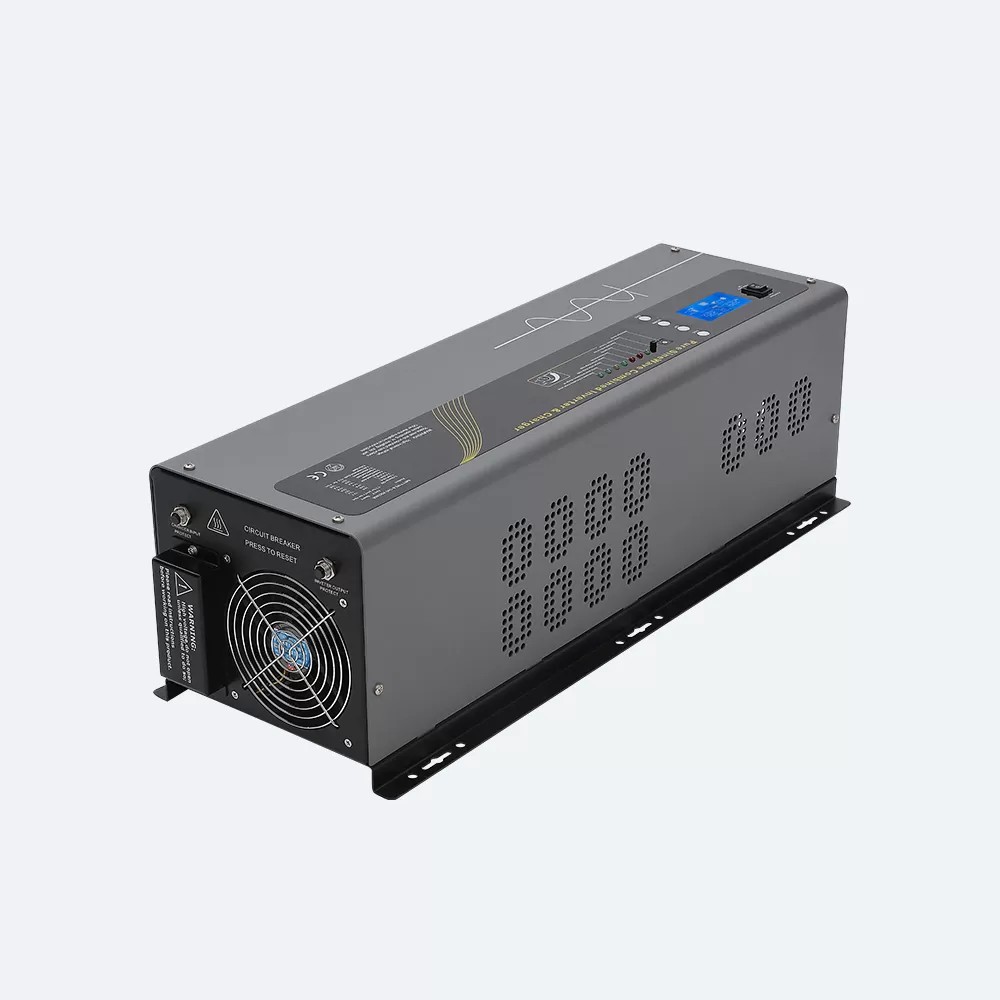
In the dynamic landscape of power electronics, low - frequency pure sine wave inverters have emerged as a crucial component for various applications. As we step into 2026, these inverters are witnessing significant innovation. Let's explore the key innovation points and understand how they can benefit users.
1. Enhanced Efficiency
Data and Case: In recent years, the efficiency of low - frequency pure sine wave inverters has been on a continuous upward trend. According to industry reports, the average efficiency of these inverters has increased from around 85% in the past to over 90% in 2026. For example, Company X's new low - frequency pure sine wave inverter model has achieved an efficiency of 92%, which means less energy is wasted during the conversion process.My View: Higher efficiency is not only beneficial for the environment but also for users' wallets. It reduces energy consumption and operating costs in the long run.
Practical Advice: When choosing a low - frequency pure sine wave inverter, look for models with high - efficiency ratings. Check the product specifications and compare different brands to find the most efficient option. Additionally, proper installation and maintenance can also help maintain the inverter's efficiency.
2. Improved Power Output Stability
Data and Case: Fluctuations in power output can damage sensitive electronic devices. In 2026, modern low - frequency pure sine wave inverters have made great strides in power output stability. A study showed that the voltage deviation of some advanced models is within ± 1%, ensuring a stable power supply. For instance, a medical research institution switched to a new low - frequency pure sine wave inverter, and the stability of their equipment's operation improved significantly, reducing the risk of data errors and equipment malfunctions.My View: Stable power output is essential, especially for applications that require high - precision power, such as medical equipment, data centers, and high - end audio systems.
Practical Advice: For users with sensitive equipment, it is recommended to choose an inverter with a high - stability rating. Also, consider using additional power - conditioning devices in conjunction with the inverter to further enhance power quality.
3. Intelligent Control and Monitoring
Data and Case: The integration of intelligent technology has become a major innovation point in 2026. Many low - frequency pure sine wave inverters now come with built - in smart control systems. For example, some inverters can be connected to mobile apps, allowing users to monitor and control the inverter remotely. A home user can use the app to check the inverter's status, power consumption, and even adjust the output settings from anywhere.My View: Intelligent control and monitoring not only provide convenience but also enable users to optimize the use of the inverter. It allows for better management of power resources and early detection of potential problems.
Practical Advice: When purchasing an inverter, look for models with intelligent features. Make sure the app is user - friendly and provides comprehensive monitoring and control functions. Regularly check the app for any alerts or status updates to ensure the inverter is operating properly.
4. Compact Design and Portability
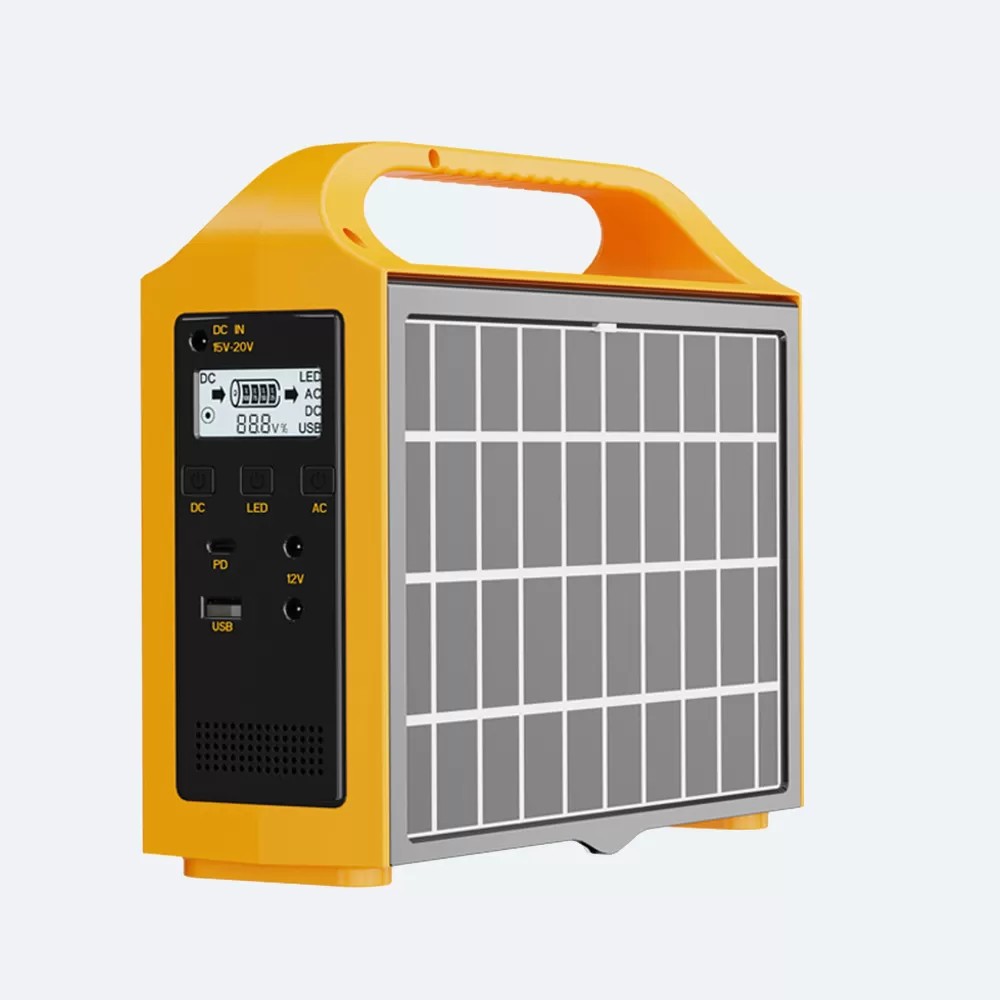
Data and Case: With the development of technology, low - frequency pure sine wave inverters are becoming more compact and portable. In 2026, some models have reduced their size by up to 30% compared to previous generations while maintaining the same power output. For example, a camping enthusiast can easily carry a small - sized low - frequency pure sine wave inverter in their backpack to power their electronic devices during outdoor trips.My View: Compact and portable inverters are ideal for a wide range of applications, from outdoor activities to emergency power backup in small spaces.
Practical Advice: If you need a portable inverter, consider the size, weight, and power output requirements. Look for models with handles or carrying cases for easy transportation. Also, check the inverter's durability to ensure it can withstand the rigors of outdoor use.
5. Compatibility with Renewable Energy Sources
Data and Case: As the demand for renewable energy grows, low - frequency pure sine wave inverters are being designed to be more compatible with solar panels, wind turbines, and other renewable energy sources. In 2026, a large - scale solar power plant installed a new generation of low - frequency pure sine wave inverters, which effectively converted the DC power from solar panels into high - quality AC power, improving the overall efficiency of the power generation system.My View: Compatibility with renewable energy sources is crucial for the development of a sustainable energy future. It allows users to make the most of clean energy and reduce their reliance on traditional power sources.
Practical Advice: If you are planning to install a renewable energy system, choose an inverter that is specifically designed for the type of renewable energy source you are using. Consult with a professional to ensure proper installation and compatibility.
In conclusion, the low - frequency pure sine wave inverters in 2026 are packed with innovative features that offer significant benefits to users. Whether you are a homeowner, a business owner, or an outdoor enthusiast, these inverters can provide a reliable and efficient power solution. By considering the above innovation points and following the practical advice, you can make an informed decision when choosing a low - frequency pure sine wave inverter.