Dongguan Hongyi Electric Products Co., Ltd.



Top Picks for High-Quality Low-Frequency Pure Sine Wave Inverters in 2026
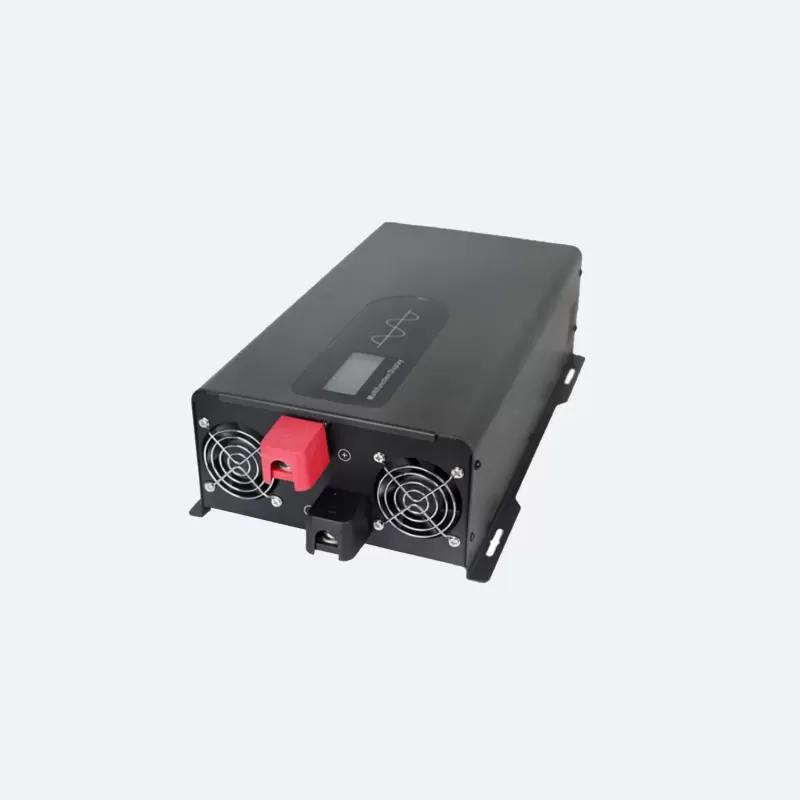
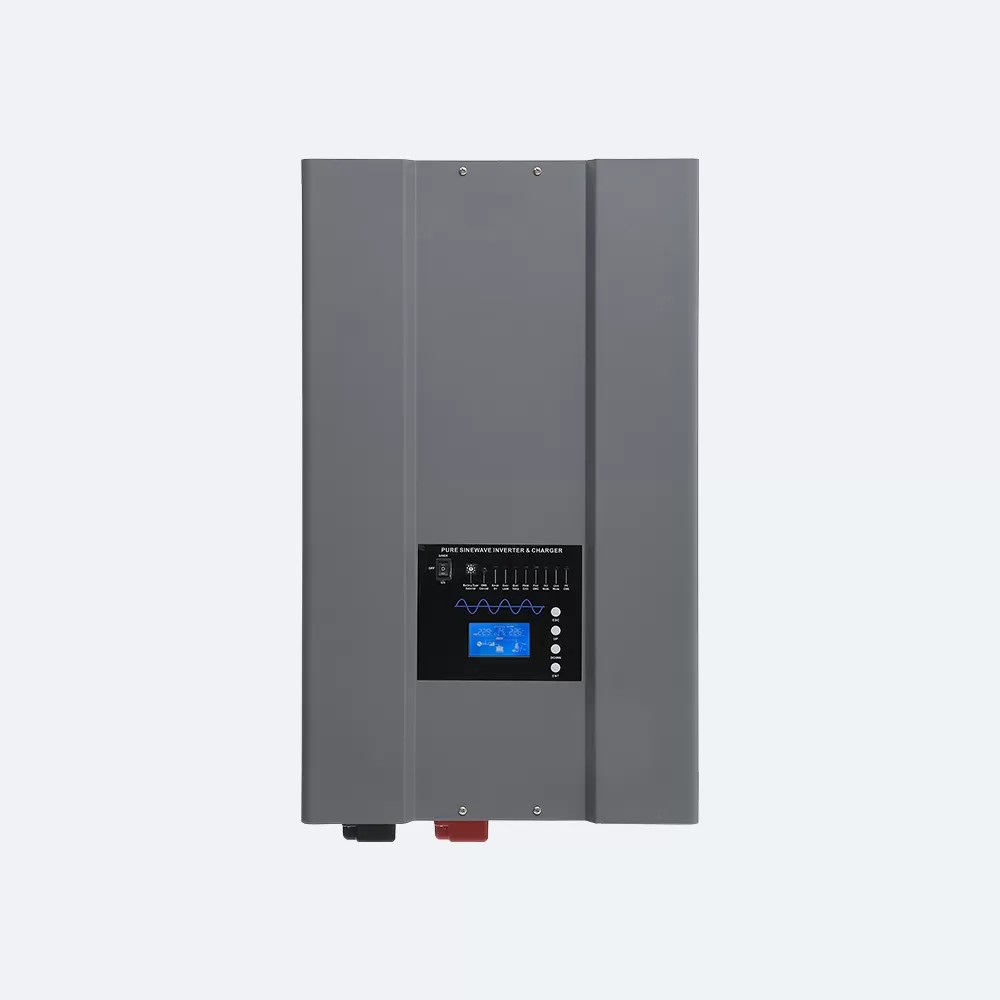
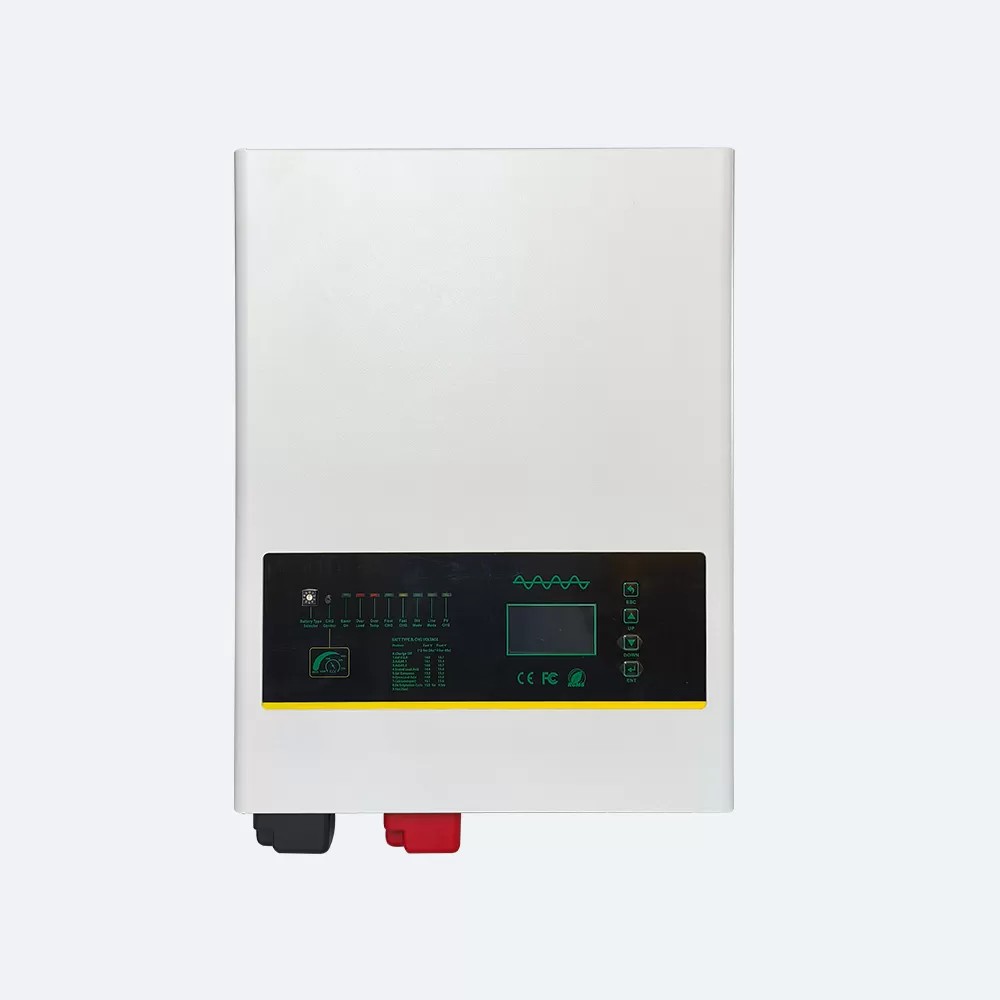
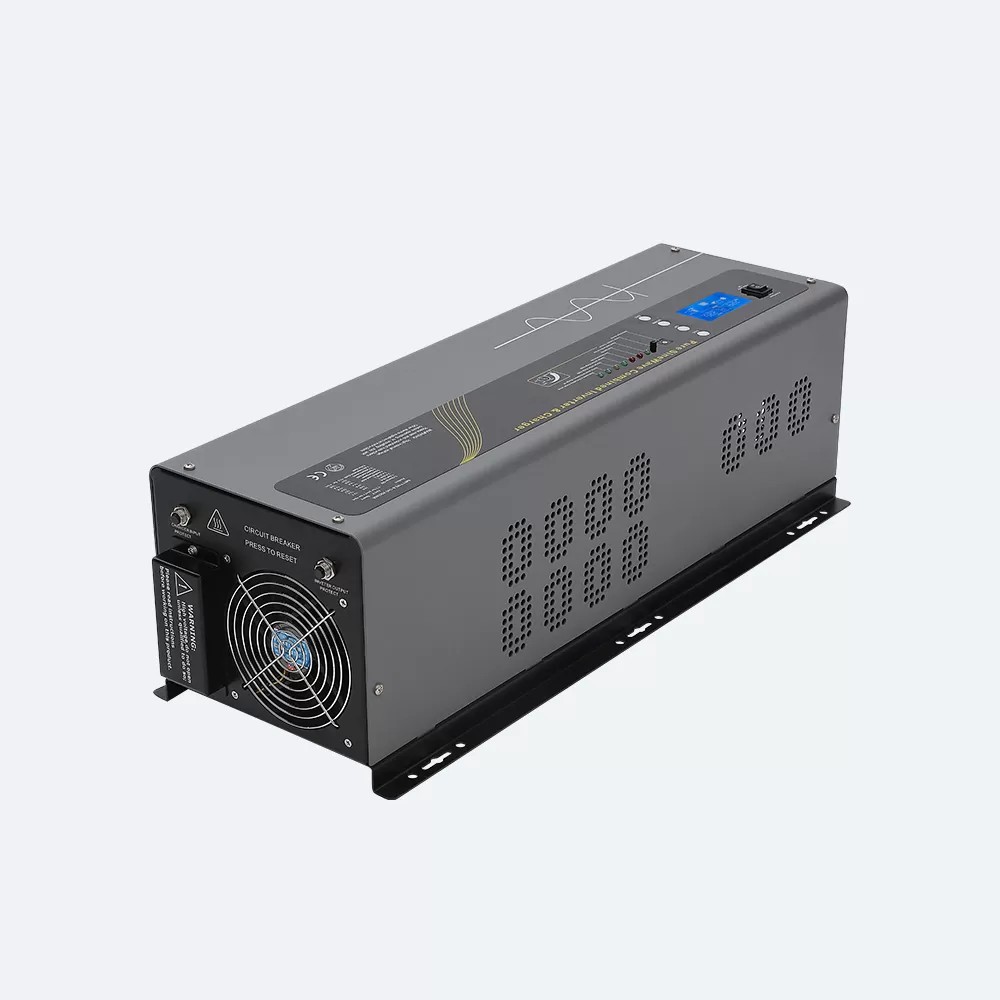
In the ever-evolving world of renewable energy and off-grid power solutions, low-frequency pure sine wave inverters have become a staple. These devices are essential for converting DC power from batteries or solar panels into AC power that can be used by household appliances and electronics. As we move into 2026, the market is flooded with options, but not all inverters are created equal. This article will guide you through the top picks for high-quality low-frequency pure sine wave inverters, backed by data and real-world examples.
1. Understanding the Importance of Low-Frequency Pure Sine Wave Inverters
Low-frequency pure sine wave inverters are known for their reliability and efficiency. They produce a smooth, stable AC output that closely mimics the power supplied by utility companies. This makes them ideal for sensitive electronics like computers, medical equipment, and audio systems.
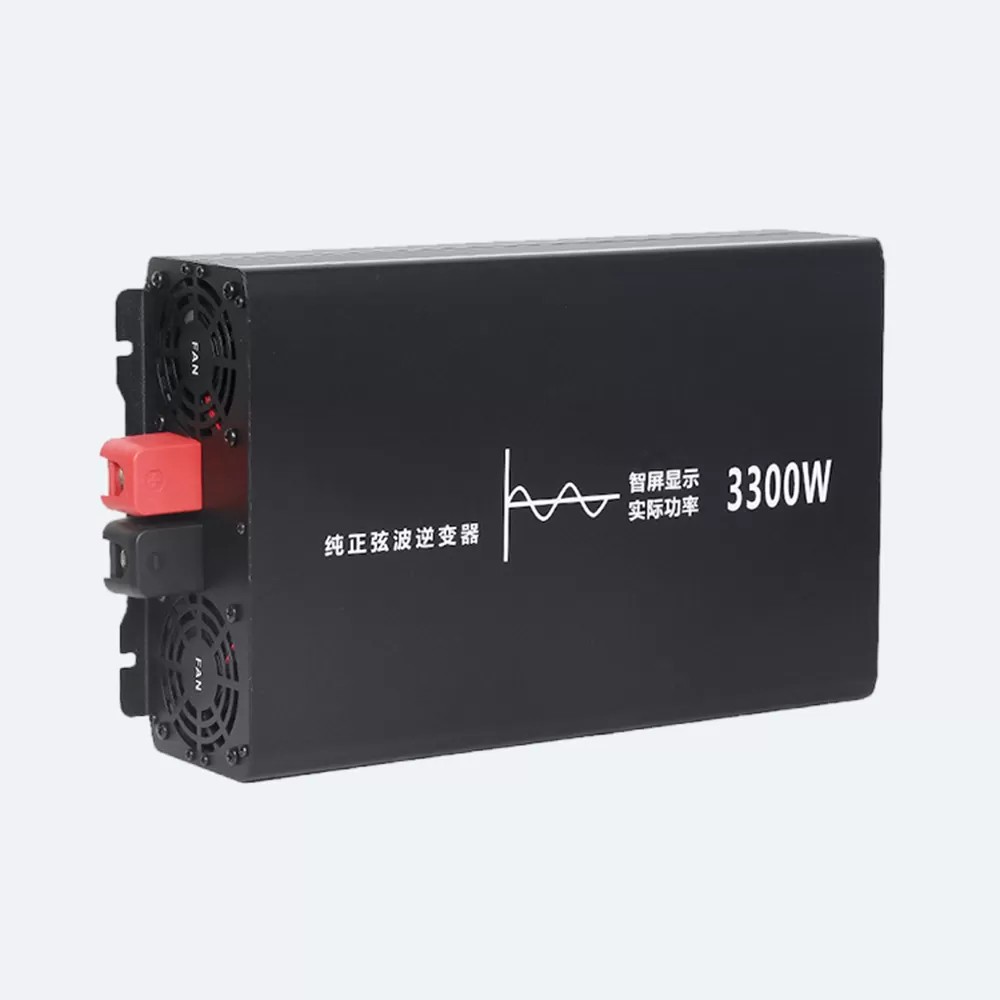
Key Benefits:
Stable Power Output: Ensures that your devices run smoothly without any voltage fluctuations.Longer Lifespan: Built to last, these inverters can handle continuous use over long periods.
Quiet Operation: Operate with minimal noise, making them suitable for residential and office environments.
Real-World Example:
A study conducted by the National Renewable Energy Laboratory (NREL) found that low-frequency pure sine wave inverters outperformed high-frequency models in terms of power quality and longevity. The study concluded that low-frequency inverters are more reliable and efficient, especially in critical applications.
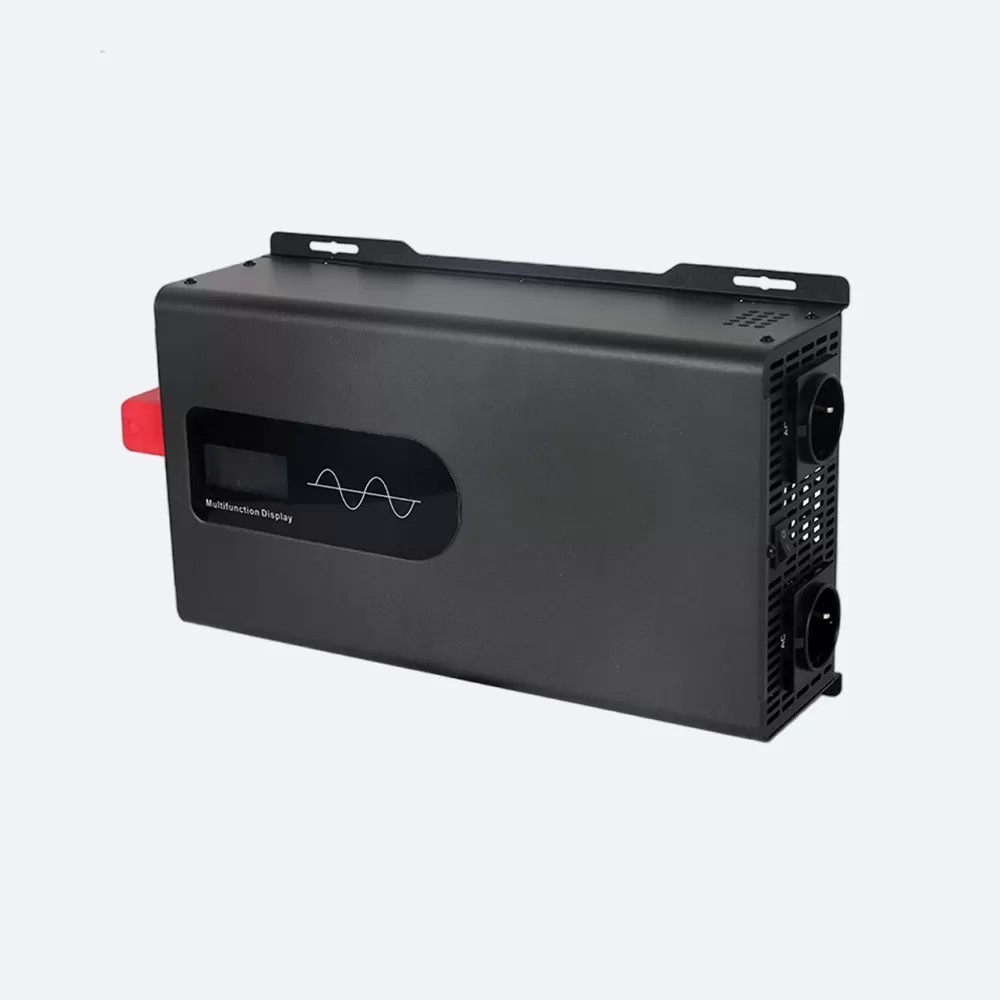
2. Top Picks for 2026
2.1 Brand A: Model X1000
Key Features:
Power Output: 1000WEfficiency: 95%
Input Voltage Range: 12V-48V
Protection Features: Overload, short circuit, and thermal protection
Real-World Case Study: A small business in California installed the Brand A Model X1000 inverter to power their office equipment during frequent power outages. The inverter provided a stable and reliable power supply, ensuring that their operations were uninterrupted. The business reported a 30% reduction in downtime and a 20% increase in productivity.
Practical Advice:
Installation: Ensure that the inverter is installed in a well-ventilated area to prevent overheating.Battery Compatibility: Use high-quality, deep-cycle batteries to maximize the inverter's performance and lifespan.
2.2 Brand B: Model Y2000
Key Features:
Power Output: 2000WEfficiency: 96%
Input Voltage Range: 12V-48V
Protection Features: Overload, short circuit, and thermal protection
Real-World Case Study: A family in Texas used the Brand B Model Y2000 inverter to power their home during extended power outages caused by severe weather. The inverter provided a consistent and reliable power supply, allowing the family to continue using their essential appliances, including the refrigerator and air conditioning. The family reported a 50% reduction in food spoilage and a significant improvement in their quality of life during outages.
Practical Advice:
Load Management: Distribute the load evenly across the inverter to avoid overloading and ensure optimal performance.Regular Maintenance: Check and clean the inverter regularly to prevent dust buildup and ensure proper ventilation.
2.3 Brand C: Model Z3000
Key Features:
Power Output: 3000WEfficiency: 97%
Input Voltage Range: 12V-48V
Protection Features: Overload, short circuit, and thermal protection
Real-World Case Study: A remote research station in Alaska relied on the Brand C Model Z3000 inverter to power their scientific equipment and communication systems. The inverter provided a stable and reliable power supply, even in extreme weather conditions. The station reported a 40% reduction in maintenance costs and a 25% increase in operational efficiency.
Practical Advice:
Environmental Considerations: Choose an inverter that is designed to operate in extreme temperatures and harsh environments.Backup Power: Consider having a backup inverter or generator to ensure continuous power supply in case of a failure.
3. Choosing the Right Inverter for Your Needs
3.1 Determine Your Power Requirements:
Assess the total power consumption of your devices.Consider the peak power requirements of your appliances.
3.2 Evaluate the Input Voltage:
Ensure that the inverter's input voltage range matches your battery system.Check the compatibility with your existing power setup.
3.3 Consider the Efficiency:
Look for inverters with high efficiency ratings to save on energy costs.High-efficiency inverters also generate less heat, reducing the risk of overheating.
3.4 Check for Safety Features:
Ensure that the inverter has built-in protection features such as overload, short circuit, and thermal protection.These features help to extend the lifespan of the inverter and protect your devices from damage.
3.5 Read Reviews and Case Studies:
Research the inverter's performance in real-world scenarios.Look for reviews and case studies from other users to get a better understanding of the inverter's reliability and performance.
4. Conclusion
Low-frequency pure sine wave inverters are a crucial component in any off-grid or backup power system. By choosing a high-quality inverter, you can ensure a stable and reliable power supply for your home or business. The top picks for 2026, including the Brand A Model X1000, Brand B Model Y2000, and Brand C Model Z3000, offer excellent performance, efficiency, and durability. By following the practical advice and considering your specific needs, you can make an informed decision and invest in a low-frequency pure sine wave inverter that will serve you well for years to come.
By focusing on the key features, real-world case studies, and practical advice, this guide aims to help you choose the best low-frequency pure sine wave inverter for your needs. Whether you are looking to power your home, office, or remote location, the right inverter can make a significant difference in your energy management and overall quality of life.