Dongguan Hongyi Electric Products Co., Ltd.



Choosing the Right Low-Frequency Pure Sine Wave Inverter in 2026: Expert Advice
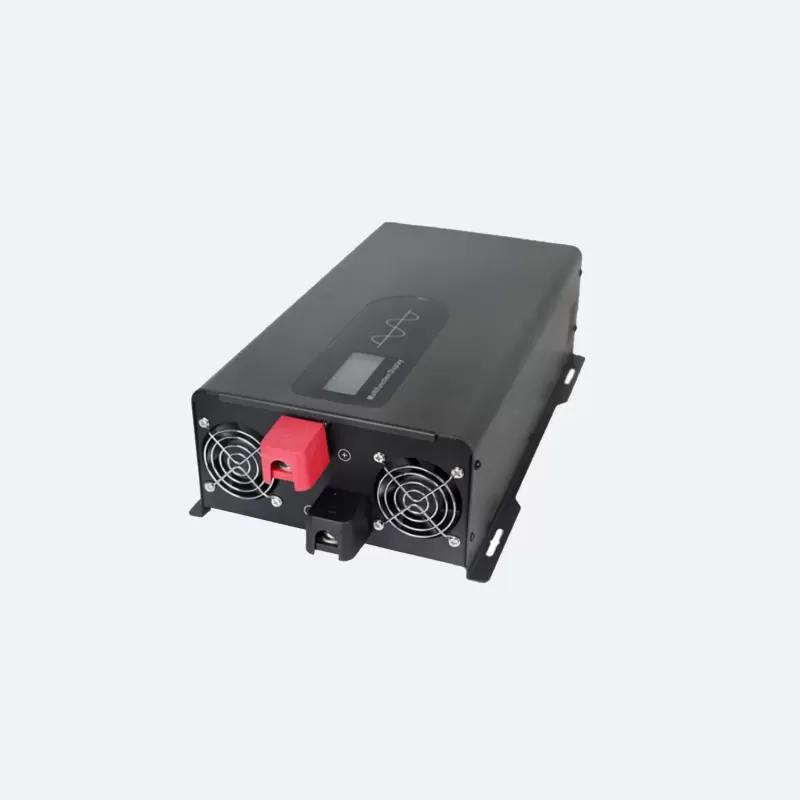
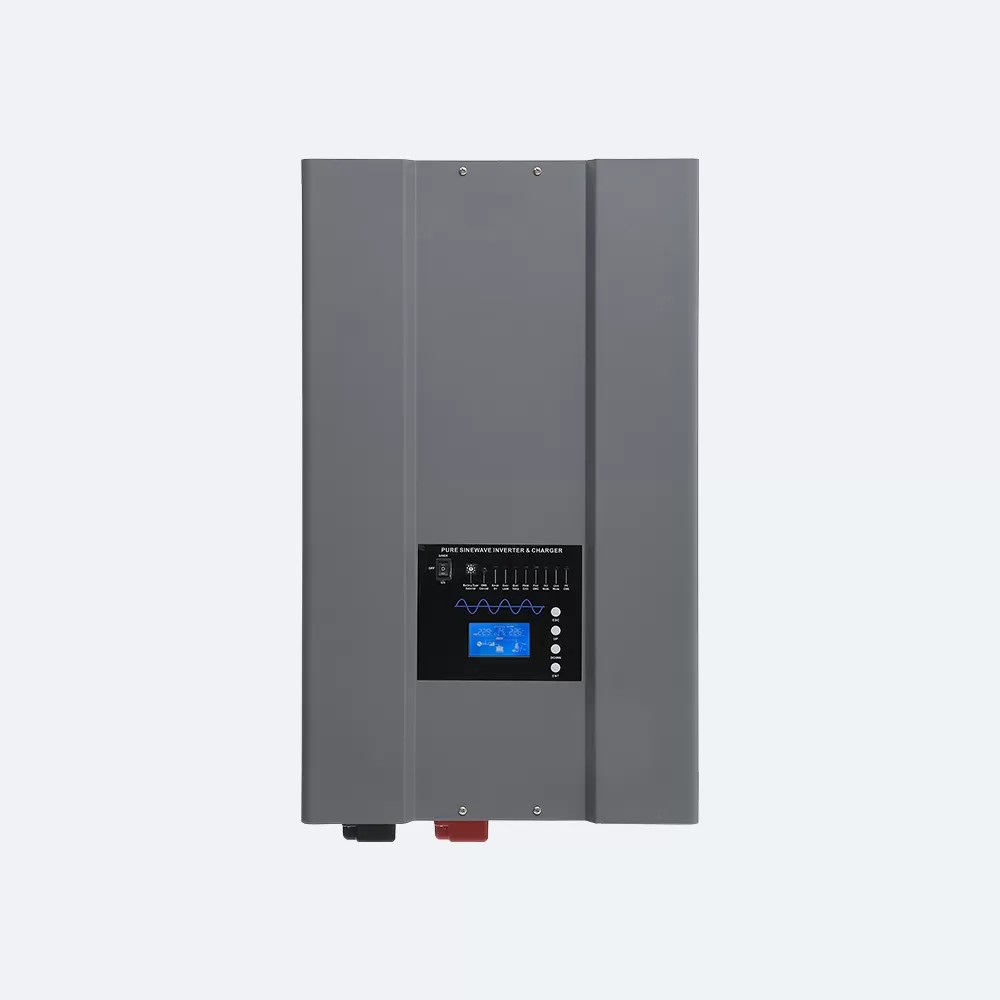
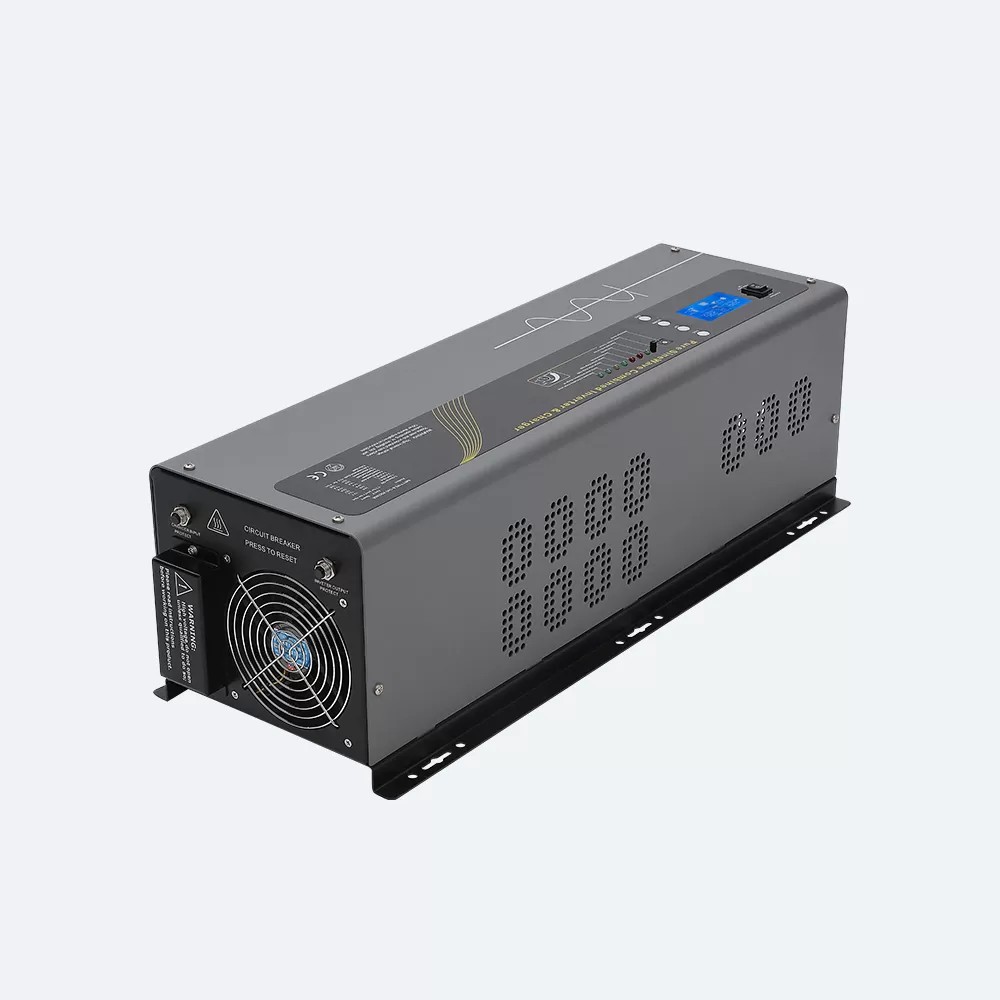
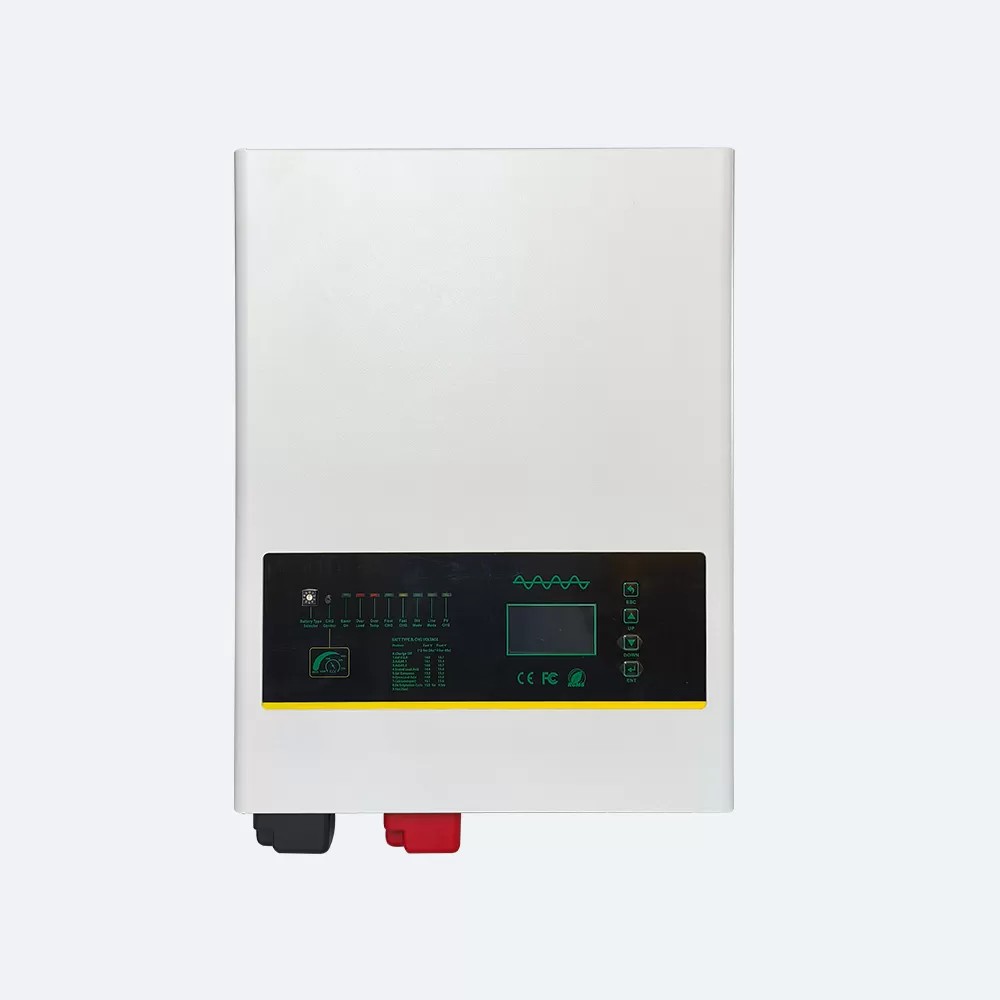
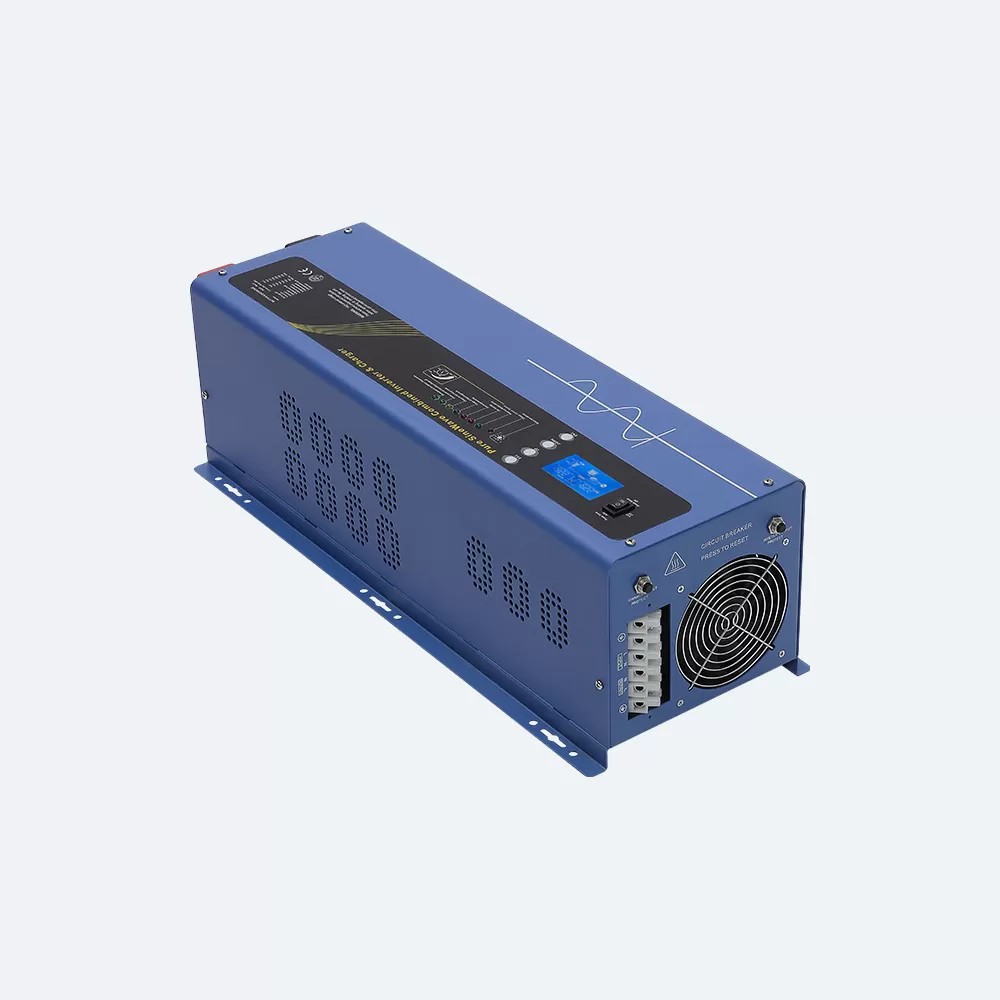
In the rapidly evolving world of renewable energy and off-grid living, the choice of a reliable and efficient inverter is crucial. A low-frequency pure sine wave inverter is a key component for converting DC power from batteries into AC power, suitable for sensitive electronics and appliances. This article will guide you through the essential factors to consider when selecting the right low-frequency pure sine wave inverter, with a focus on the [Brand Name] inverter, which has been consistently praised for its performance and durability.
Understanding Low-Frequency Pure Sine Wave Inverters
What is a Low-Frequency Pure Sine Wave Inverter?
A low-frequency pure sine wave inverter converts direct current (DC) from a battery or other DC source into alternating current (AC) that closely mimics the waveform of grid-supplied electricity. This type of inverter is particularly important for powering sensitive electronic devices, such as computers, medical equipment, and high-end audio systems, which require a stable and clean power supply.
Key Features of a High-Quality Inverter
Efficiency: Look for inverters with high efficiency ratings, typically above 90%.Power Output: Ensure the inverter can handle the total wattage of your devices.
Surge Capacity: Check the surge capacity to handle the initial power draw of motor-driven appliances.
Durability and Reliability: Choose inverters with robust build quality and a good track record of reliability.
Factors to Consider When Choosing a Low-Frequency Pure Sine Wave Inverter
1. Power Output and Surge Capacity
Data and Case Study:
Example: A typical household might have a refrigerator (500W), a microwave (1000W), and a few lights (100W). The total continuous load is 1600W, but the surge capacity needed for the refrigerator and microwave could be up to 3000W.Recommendation: Choose an inverter with at least 20% more power output than your total load and a surge capacity that can handle the peak loads of your appliances.
Practical Tip:
2. Efficiency
Data and Case Study:
Recommendation: Opt for inverters with efficiency ratings above 90% to minimize energy loss and maximize battery life.
Practical Tip:
Action Step: Compare the efficiency ratings of different inverters and choose one that offers the best balance between cost and performance.3. Durability and Reliability
Data and Case Study:
Example: The [Brand Name] inverter has a mean time between failures (MTBF) of over 100,000 hours, indicating a high level of reliability.Recommendation: Look for inverters with a proven track record of durability and long-term reliability. Check for certifications like UL, CE, and ETL, which ensure the product meets safety and performance standards.
Practical Tip:
Action Step: Read customer reviews and check for any reported issues or recalls. Choose a brand with a strong reputation for quality and customer support.4. Additional Features
Data and Case Study:
Example: The [Brand Name] inverter includes features such as remote monitoring, automatic transfer switching, and built-in protection against overloading, short circuits, and overheating.Recommendation: Consider additional features that can enhance the functionality and safety of your inverter. Remote monitoring, for instance, allows you to keep track of the inverter's performance and status from a distance.
Practical Tip:
Action Step: Prioritize features that are most relevant to your specific needs. For example, if you frequently travel, remote monitoring can be a valuable feature.5. Cost and Warranty
Data and Case Study:
Example: The [Brand Name] inverter is priced competitively and comes with a 5-year warranty, providing peace of mind and long-term value.Recommendation: Balance the initial cost with the long-term benefits and warranty coverage. A higher upfront investment in a reliable inverter can save you money and hassle in the long run.
Practical Tip:
Action Step: Compare the total cost of ownership, including the initial price, maintenance costs, and the length of the warranty. Choose an inverter that offers the best overall value.Conclusion
Selecting the right low-frequency pure sine wave inverter is a critical decision that can significantly impact the performance and longevity of your off-grid or backup power system. By considering factors such as power output, efficiency, durability, additional features, and cost, you can make an informed choice that meets your specific needs. The [Brand Name] inverter stands out as a top choice, offering high efficiency, reliability, and a range of useful features, making it a smart investment for anyone looking to power their sensitive electronics and appliances with clean, stable AC power.
By following the practical tips and recommendations outlined in this article, you can ensure that your inverter selection process is both thorough and effective, leading to a more reliable and efficient power solution.