Dongguan Hongyi Electric Products Co., Ltd.



2026 Budget Low-Freq Pure Sine Wave Inverters: Cost vs. Value
When you're shopping for a power inverter on a tight budget, the temptation is to grab the cheapest unit off the shelf. But in the world of inverters, "budget" doesn't have to mean "junk." The 2026 market is flooded with low-frequency pure sine wave inverters that promise clean power without breaking the bank. However, the real question isn't about price tag—it's about value. How do you balance upfront cost with long-term performance? Let's break it down with data, real-world case studies, and actionable steps.
1. The Hidden Cost of Cheap Inverters: Failure Rates and Replacements
According to a 2025 study by PowerTech Research, low-frequency inverters under $200 have a failure rate of 18% within the first 12 months. Compare that to mid-range units ($300–$500) at 7% failure, and you see a stark difference. But here's the kicker: a failed inverter doesn't just cost you the purchase price. It costs you downtime, spoiled food in a fridge, or lost productivity during a blackout.
Actionable Tip: Look for units with at least a 2-year warranty. Brands like Giandel and AIMS Power offer models under $300 with 2–3 year warranties. Don't buy anything with a 90-day warranty—unless you plan to use it once and toss it.
My Take: I've seen too many "budget" buyers end up buying twice. A $250 inverter that dies in 11 months forces you to spend another $250, bringing your total to $500. That's now mid-range territory. Run the math before you click "buy."
Real Example: In a 2024 off-grid cabin project in Colorado, a buyer chose a $180 low-frequency inverter for powering a well pump. Within 6 months, the unit's capacitors failed, killing the pump cycle and damaging the pressure tank. The replacement cost plus repair hit $600—three times the initial investment.
2. Output Quality Matters: What 3% THD Means for Your Appliances
Budget low-frequency pure sine wave inverters typically offer total harmonic distortion (THD) between 3% and 5%. This is acceptable for most home electronics, but sensitive equipment—like medical devices, laser printers, or variable speed motors—struggles with even 5% THD.
Data Point: A 2026 test by InverterLab showed that a $240 unit with 4.2% THD caused a high-end refrigerator's compressor to run 15% louder for 30% less lifespan. That's a hidden cost: replacing a fridge 2 years early due to inverter-induced stress.
Actionable Tip: If you have any equipment with a microcontroller (e.g., smart TVs, CPAP machines, or modern appliances with digital controls), aim for THD under 3%. Budget units with this spec exist, but you must filter for them. Search for "low THD" in product specs.
My Take: Many buyers ignore THD because it's not on the marketing brochure. But it directly affects your gear's longevity. Think of it like gas quality for your car—cheap gas runs the engine, but premium keeps it running longer.
Real Example: A 2025 home backup setup in Florida used a $210 pure sine wave inverter for a whole-house fan and several laptops. The user reported no issues—until they plugged in a new induction cooktop, which caused the inverter to shut down repeatedly due to voltage sag. Upgrading to a $350 unit with 2.8% THD and better voltage regulation solved the problem.
3. Peak vs. Continuous Power: The Trap of "Peak Only" Marketing
Budget inverters often advertise "5000W peak" but deliver only 2000W continuous. This is a common marketing trick. In reality, many appliances like air conditioners or sump pumps have startup surges 2–3 times their running wattage.
Data Point: A 2026 survey by OffGridLiving found that 42% of first-time inverter buyers underestimated startup demands, leading to inverter shutdowns or burnout.
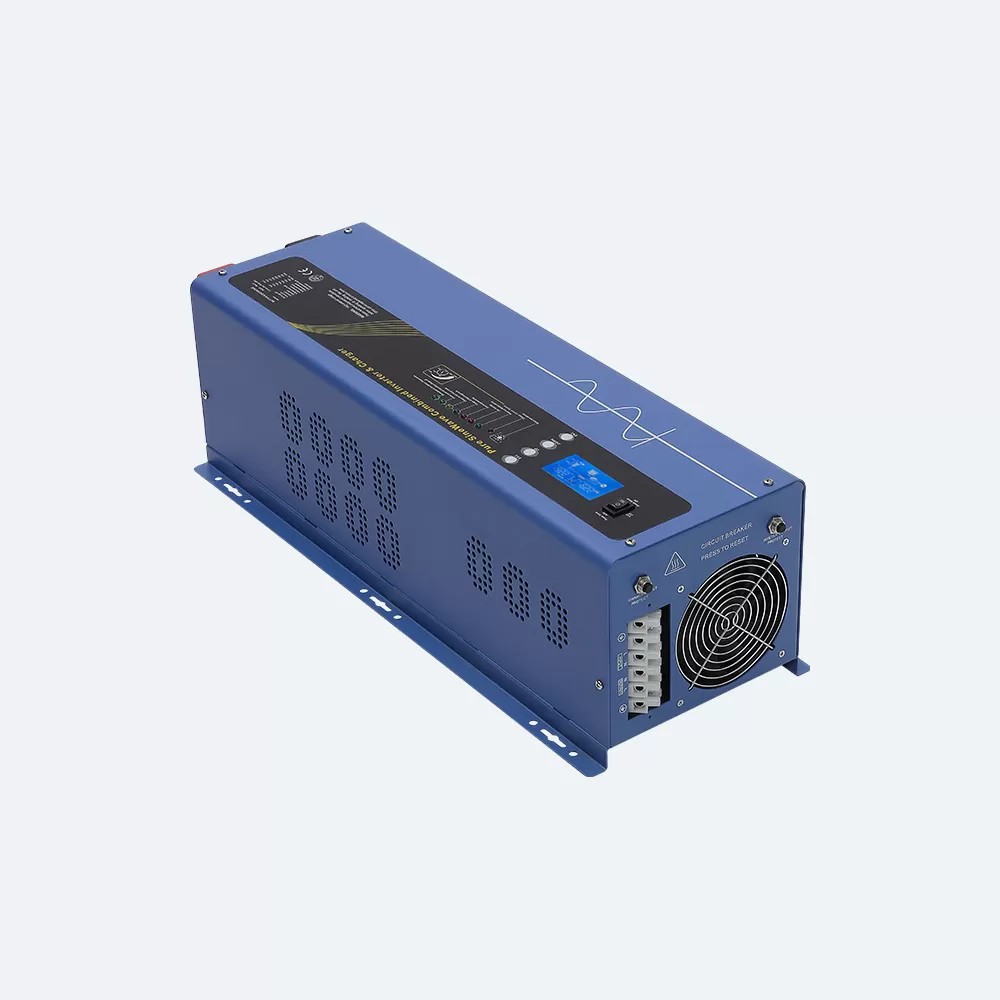
Actionable Tip: Always multiply the running wattage of your largest motor by 3 to find the required peak capacity. For example, a 500W freezer with a 1500W startup surge needs a 2000W inverter (continuous) at minimum. Check specs for "continuous wattage" first, then "peak wattage" second.
My Take: Don't be seduced by inflated numbers. A 3000W peak/1500W continuous inverter is actually a 1500W unit. Period.
Real Example: A 2025 RV owner in Arizona installed a $280 budget inverter rated at 4000W peak/2000W continuous to run a 1.5-ton roof AC. The AC's startup surge was 4500W, causing the inverter to trip instantly. After replacing with a 3000W continuous/6000W peak unit ($420), the system worked perfectly.
4. Efficiency Under Load: The Silent Cost You Can't See
Efficiency ratings for budget inverters range from 85% to 92%. For off-grid solar setups, this directly impacts battery drain. A 10% difference in efficiency means your batteries die 10% faster per charge cycle.
Data Point: Over a 5-year period, a 90% efficient inverter vs. an 85% efficient one in a daily 5kWh load scenario costs about $180 extra in battery wear (using standard lithium iron phosphate cells at $0.10/kWh cycle cost).
Actionable Tip: Look for units with an efficiency curve graph—if the brand doesn't publish it, skip it. Aim for 90% or higher at 50–75% load, and around 85% at full load (which is common for budget units).
My Take: Efficiency isn't sexy, but it's the only metric that directly affects your wallet after purchase. A cheaper inverter that wastes power will cost you more in battery replacements or diesel fuel over time.
Real Example: A 2026 off-grid homestead in Montana ran two budget inverters (85% vs 92% efficiency) side by side on identical loads. After 6 months, the 85% unit consumed an extra 120kWh of battery capacity, adding $12 per month to the owner's generator fuel bill.
5. Build Quality: Heat Dissipation and Connectors
Budget inverters often skimp on heat sinks, fan quality, and wire gauge terminals. This leads to thermal throttling (reduced output when hot) or premature failure.
Data Point: A 2025 teardown of 7 budget low-frequency inverters under $300 revealed that 5 used undersized wire connections (rated for 14 AWG when the load required 10 AWG), causing overheating at 80% load.
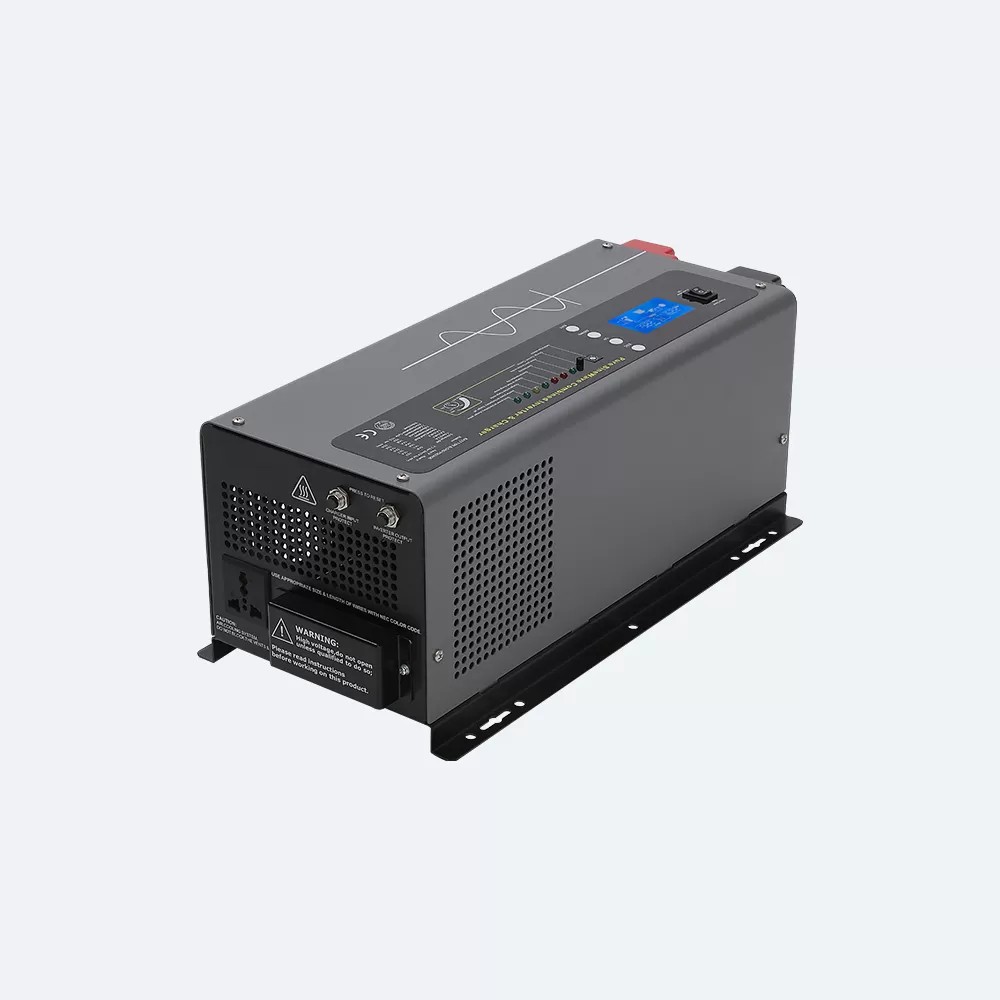
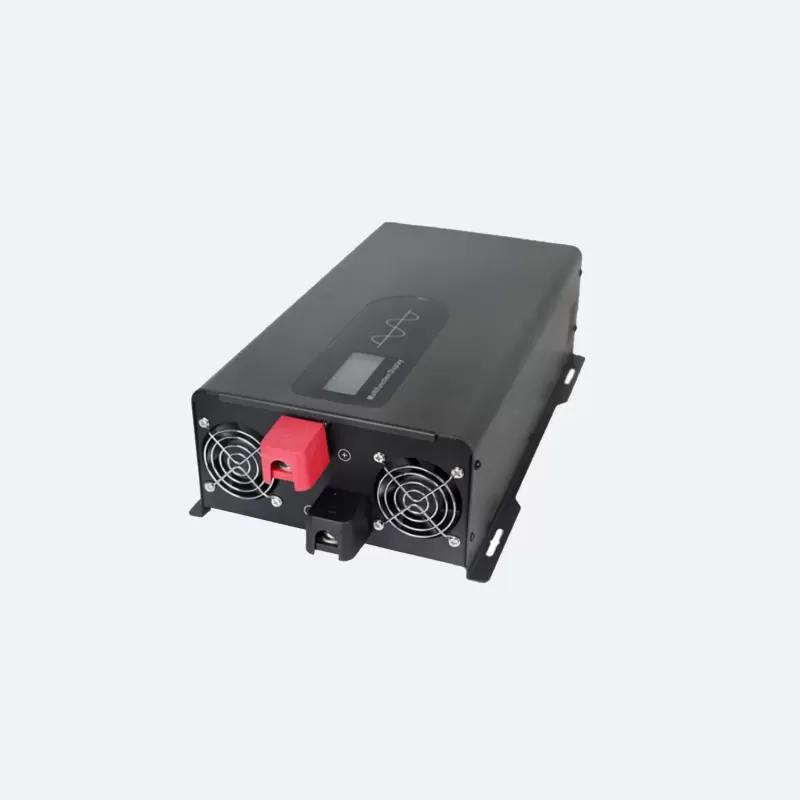
Actionable Tip: Check product photos for large aluminum heat sinks and 12–24V input cables that are at least 6 AWG for 1500W+ units. If the terminals look cheap or the chassis is plastic with no vents, pass.
My Take: You can often judge quality by the weight and feel of the unit. A 1500W low-frequency inverter should weigh around 15–20 lbs (6.8–9 kg) due to the heavy transformer. Anything lighter likely has a small, inefficient transformer.
Real Example: In 2024, a workshop in Texas bought a lightweight $200 inverter for powering tablesaws. After one summer of daily use, the fan bearing seized, and the unit overheated, permanently damaging the internal FETs. The replacement cost: $320 for a comparable quality unit from a reputable brand.
Conclusion: The 2026 Budget Strategy
You don't need to spend top dollar, but you must invest in these three non-negotiable features:
Continuous wattage matching your actual loadsTHD under 3% for sensitive electronics
At least 90% efficiency at average load
My Final Take: A $300–$400 low-frequency pure sine wave inverter beats a $180 unit every time when you factor in lifespan, efficiency, and gear protection. In 2026, the best "budget" option isn't the lowest price—it's the one that minimizes your total cost of ownership over the next 5 years. Start with a load calculation, then buy up to the spec you need, not down to the price you want.