Dongguan Hongyi Electric Products Co., Ltd.


Whats the Efficiency of Cost - effective Low - frequency Pure Sine Wave Inverters in 2026?
In the ever - evolving landscape of power electronics, low - frequency pure sine wave inverters have emerged as a crucial component for a wide range of applications. As we look ahead to 2026, understanding their cost - effectiveness and efficiency is essential for consumers and businesses alike.
1. Efficiency Metrics of Low - frequency Pure Sine Wave Inverters
Conversion Efficiency
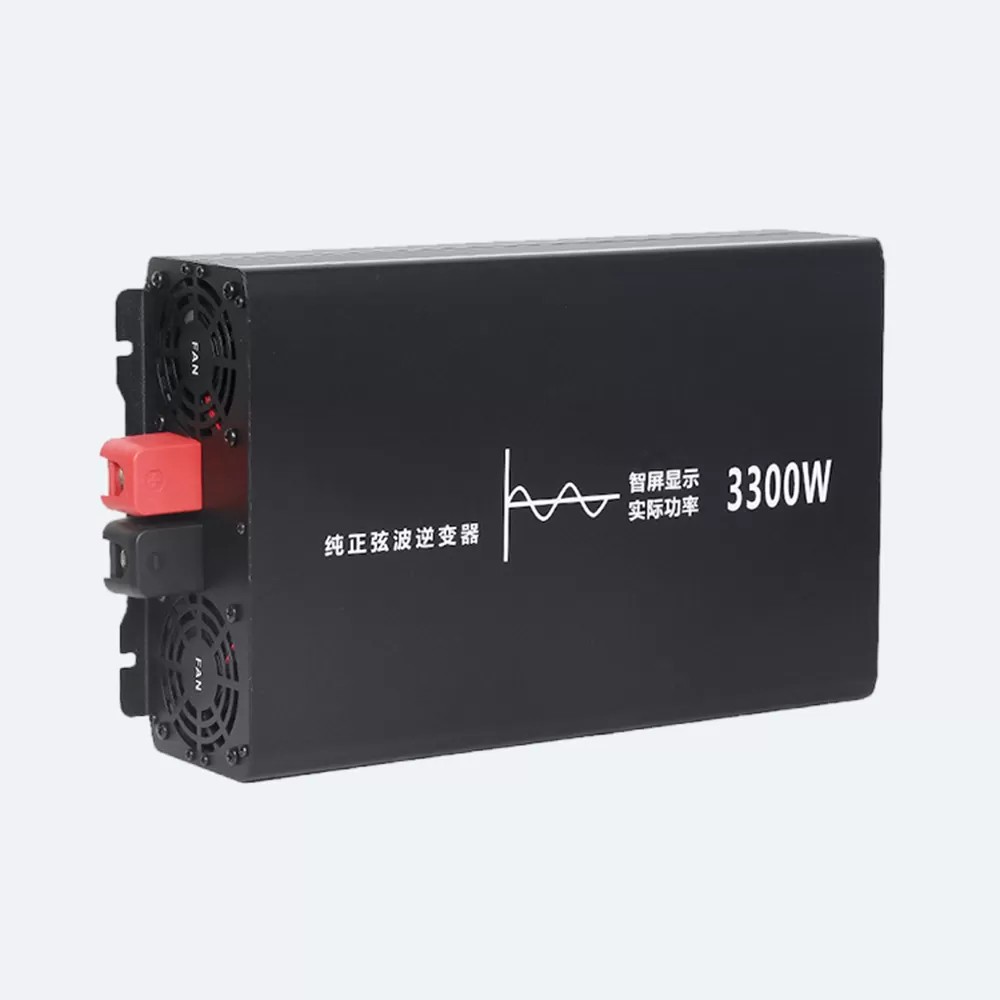
Conversion efficiency is a key metric for any inverter. In 2026, leading low - frequency pure sine wave inverters are expected to achieve conversion efficiencies of up to 90% or even higher. For example, some high - end models from well - known brands can convert up to 92% of the DC input power into AC output power. This high efficiency means less power is wasted as heat, resulting in lower energy costs over time. 实操建议: When choosing an inverter, look for models with high conversion efficiency ratings. Check the product specifications provided by the manufacturer. You can also compare different brands and models based on their efficiency data to make an informed decision.
Load Efficiency
Load efficiency refers to how well the inverter performs under different load conditions. Low - frequency pure sine wave inverters typically have better load efficiency at medium to high loads. In 2026, inverters are designed to maintain high efficiency even when the load is not at full capacity. For instance, a 1000 - watt inverter may have an efficiency of 88% at 50% load. 实操建议: Determine your typical load requirements. If you have a variable load, choose an inverter that can maintain good efficiency across a wide range of load levels. This will ensure that you get the most out of your inverter, regardless of the power demand.
2. Cost - effectiveness Analysis
Initial Cost
The initial cost of low - frequency pure sine wave inverters has been decreasing over the years. In 2026, you can find cost - effective models starting from around $200 for smaller capacities (e.g., 300 - 500 watts). Larger capacity inverters (1000 - 2000 watts) may cost between $500 - $1000. However, the price can vary depending on the brand, features, and quality. 实操建议: Set a budget based on your power needs. Compare prices from different retailers and online platforms. Look for sales and promotions to get the best deal on your inverter.
Long - term Savings
Due to their high efficiency, low - frequency pure sine wave inverters can lead to significant long - term savings on energy bills. For example, if you use a 1000 - watt inverter with an efficiency of 90% instead of an inverter with 80% efficiency, you can save up to 10% on your energy consumption over time. 实操建议: Calculate the potential long - term savings based on your energy usage and the efficiency of the inverter. Consider the payback period of the initial investment. In most cases, the savings on energy bills will offset the initial cost of the inverter within a few years.
3. Applications and Suitability
Home Use
In 2026, low - frequency pure sine wave inverters are increasingly being used in homes for backup power during outages or to power off - grid systems. For example, a small 500 - watt inverter can power essential appliances such as a refrigerator, a few lights, and a small TV. 实操建议: Assess your home's power needs during an outage or for off - grid use. Choose an inverter with the appropriate capacity to meet those needs. Make sure to also consider the surge capacity of the inverter, as some appliances may require a higher initial power surge to start.
Industrial Use
In industrial settings, low - frequency pure sine wave inverters are used to power sensitive equipment such as computers, medical devices, and industrial machinery. Their ability to provide a stable and clean power supply is crucial for the proper functioning of these devices. 实操建议: For industrial applications, choose an inverter with high reliability and durability. Look for models that are certified for industrial use and have features such as over - voltage protection, over - current protection, and short - circuit protection.
4. Future Trends and Innovations
Improved Efficiency
In 2026, we can expect to see further improvements in the efficiency of low - frequency pure sine wave inverters. Manufacturers are constantly researching and developing new technologies to reduce power losses and increase conversion efficiency. For example, the use of advanced semiconductor materials and improved circuit designs can lead to even higher efficiency levels. 实操建议: Keep an eye on the latest technological advancements in the inverter industry. Follow industry news and product reviews to stay informed about new and improved models.
Integration with Renewable Energy Sources
As the demand for renewable energy grows, low - frequency pure sine wave inverters will play a crucial role in integrating solar panels, wind turbines, and other renewable energy sources into the power grid. In 2026, we can expect to see more inverters with built - in features for seamless integration with renewable energy systems. 实操建议: If you are planning to install a renewable energy system, choose an inverter that is compatible with your specific renewable energy source. Look for inverters with features such as maximum power point tracking (MPPT) to optimize the energy harvest from your renewable energy system.
In conclusion, low - frequency pure sine wave inverters in 2026 offer high efficiency and cost - effectiveness for a variety of applications. By understanding their efficiency metrics, cost - effectiveness, applications, and future trends, consumers and businesses can make informed decisions when choosing an inverter. Whether for home use or industrial applications, these inverters are a reliable and efficient solution for powering our modern world.