Dongguan Hongyi Electric Products Co., Ltd.



Low Frequency Pure Sine Wave Inverters: The Backbone of Stable Off-Grid Power
In the world of off-grid power systems, reliability, stability, and compatibility are non-negotiable—whether powering a remote cabin, an RV, emergency backup systems, or industrial equipment. Among the various inverter technologies available, the Low Frequency Pure Sine Wave Inverter stands out as the gold standard for high-performance, heavy-duty applications. Unlike modified sine wave inverters or even high-frequency pure sine wave models, these inverters are engineered to deliver consistent, grid-like power, withstand harsh conditions, and support demanding electrical loads, making them indispensable for anyone relying on off-grid or backup power solutions.
To understand the value of a Low Frequency Pure Sine Wave Inverter, it’s first essential to grasp the basics of what an inverter does. Inverters convert direct current (DC) power—stored in batteries (lithium-ion, lead-acid, etc.) or generated by solar panels or wind turbines—into alternating current (AC) power, which is the type of electricity used by most household appliances, electronic devices, and industrial machinery. What sets pure sine wave inverters apart from modified sine wave versions is the quality of the AC waveform they produce: a pure sine wave matches the smooth, consistent waveform of grid electricity, while modified sine wave inverters produce a choppy, square-like waveform that can damage sensitive electronics and reduce the efficiency of motor-driven devices.
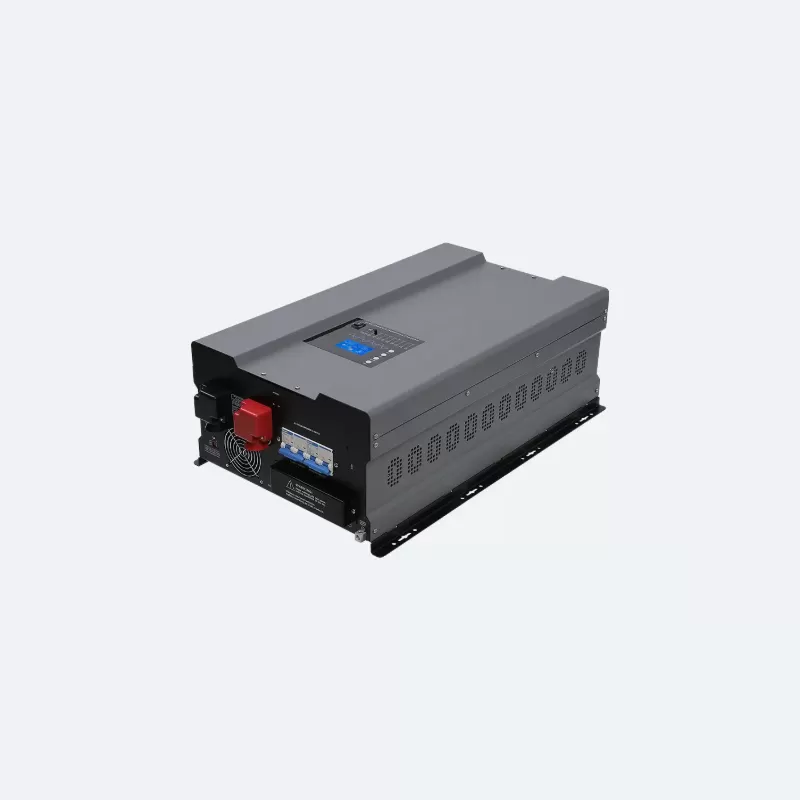
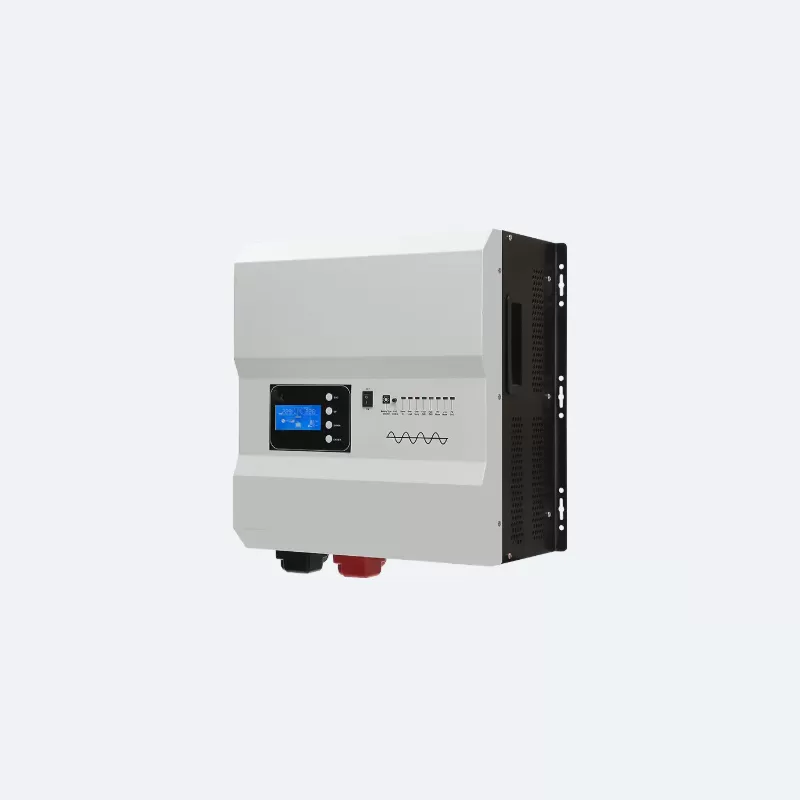
The "low frequency" distinction refers to the inverter’s internal design, specifically the frequency of the transformer used. Low Frequency Pure Sine Wave Inverters utilize a heavy-duty, iron-core transformer that operates at 50Hz or 60Hz (matching standard grid frequency), as opposed to the high-frequency transformers (20kHz to 50kHz) used in smaller, lighter inverter models. This transformer design is the cornerstone of the inverter’s superior performance, as it provides greater durability, better load handling, and enhanced protection against electrical surges and overloads.
One of the most significant advantages of Low Frequency Pure Sine Wave Inverters is their ability to handle high surge loads and continuous heavy-duty operation. Motor-driven appliances—such as refrigerators, air conditioners, electric drills, pumps, and compressors—require a sudden burst of power (surge current) when they start up, often 2-3 times their continuous operating current. High-frequency inverters or modified sine wave inverters may struggle to handle these surges, leading to shutdowns or damage, but low frequency models are built to absorb these spikes effortlessly, thanks to their robust transformer and larger internal components. This makes them ideal for applications where heavy machinery or multiple high-demand devices are in use, such as RVs with full kitchens, remote workshops, or off-grid homes.
Another key benefit is their compatibility with sensitive electronics and medical equipment. Devices like laptops, smartphones, televisions, audio systems, and medical devices (CPAP machines, oxygen concentrators, monitors) require stable, clean power to operate correctly. The pure sine wave output of these inverters eliminates waveform distortion, preventing overheating, noise, or permanent damage to delicate components. Unlike modified sine wave inverters, which can cause static in audio equipment, blurry screens on televisions, or errors in computer systems, Low Frequency Pure Sine Wave Inverters deliver power that is indistinguishable from grid electricity, ensuring optimal performance for all connected devices.
Durability and longevity are also hallmarks of Low Frequency Pure Sine Wave Inverters. The iron-core transformer and heavy-duty circuitry make them more resistant to physical damage, temperature fluctuations, and electrical stress compared to high-frequency models. They can operate in a wider range of environmental conditions—from extreme cold to high heat—and are less prone to wear and tear even with continuous use. Additionally, most low frequency inverters come equipped with comprehensive protection features, including over-voltage protection, under-voltage protection, overload protection, short-circuit protection, and over-temperature protection, which extend the lifespan of the inverter and the connected batteries and devices.
While Low Frequency Pure Sine Wave Inverters offer numerous advantages, they do have a few tradeoffs—most notably size and weight. The iron-core transformer makes them bulkier and heavier than high-frequency inverters, which can be a consideration for applications where portability is a top priority (such as small camping setups). However, for stationary or heavy-duty use—off-grid homes, RV parks, industrial sites, emergency backup systems—this tradeoff is well worth it for the reliability and performance they provide. Additionally, modern technological advancements have led to more compact and efficient low frequency models, narrowing the gap in size and weight while retaining all their core benefits.
The applications of Low Frequency Pure Sine Wave Inverters are diverse and far-reaching. In the residential sector, they are the backbone of off-grid and hybrid solar power systems, providing reliable power to homes in areas without access to the electrical grid. For RV and boat owners, they power all onboard appliances—from refrigerators and microwaves to air conditioners and entertainment systems—ensuring comfort and convenience while on the road or water. In the industrial and commercial sector, they are used to power remote workshops, construction sites, and backup systems for critical equipment, minimizing downtime during power outages.
In emergency preparedness, Low Frequency Pure Sine Wave Inverters play a life-saving role. During natural disasters like hurricanes, earthquakes, or snowstorms, when grid power is lost for extended periods, these inverters (paired with backup batteries or solar panels) provide stable power to medical devices, refrigerators (to prevent food spoilage), lighting, and communication tools, ensuring households and communities can function safely until power is restored. Their ability to handle high surge loads and continuous operation makes them more reliable than other inverter types in these high-stakes situations.
Looking ahead, the future of Low Frequency Pure Sine Wave Inverters is tied to the growth of renewable energy and off-grid living. As more people embrace sustainable lifestyles and seek energy independence, the demand for reliable, high-performance inverters will continue to rise. Technological innovations will focus on improving efficiency, reducing size and weight, and integrating smart features—such as remote monitoring, app connectivity, and compatibility with advanced battery technologies (like solid-state batteries)—making these inverters even more user-friendly and versatile.
In conclusion, Low Frequency Pure Sine Wave Inverters are more than just a component of off-grid power systems—they are the foundation of stable, reliable, and efficient power delivery. Their robust design, ability to handle heavy loads, compatibility with sensitive electronics, and long lifespan make them the ideal choice for anyone who cannot afford power interruptions or equipment damage. Whether powering an off-grid home, an RV, a workshop, or an emergency backup system, these inverters deliver the consistency and performance needed to keep life and work running smoothly, even when the grid fails. For those prioritizing reliability over portability, a Low Frequency Pure Sine Wave Inverter is an investment that pays off in peace of mind and long-term functionality.