Dongguan Hongyi Electric Products Co., Ltd.



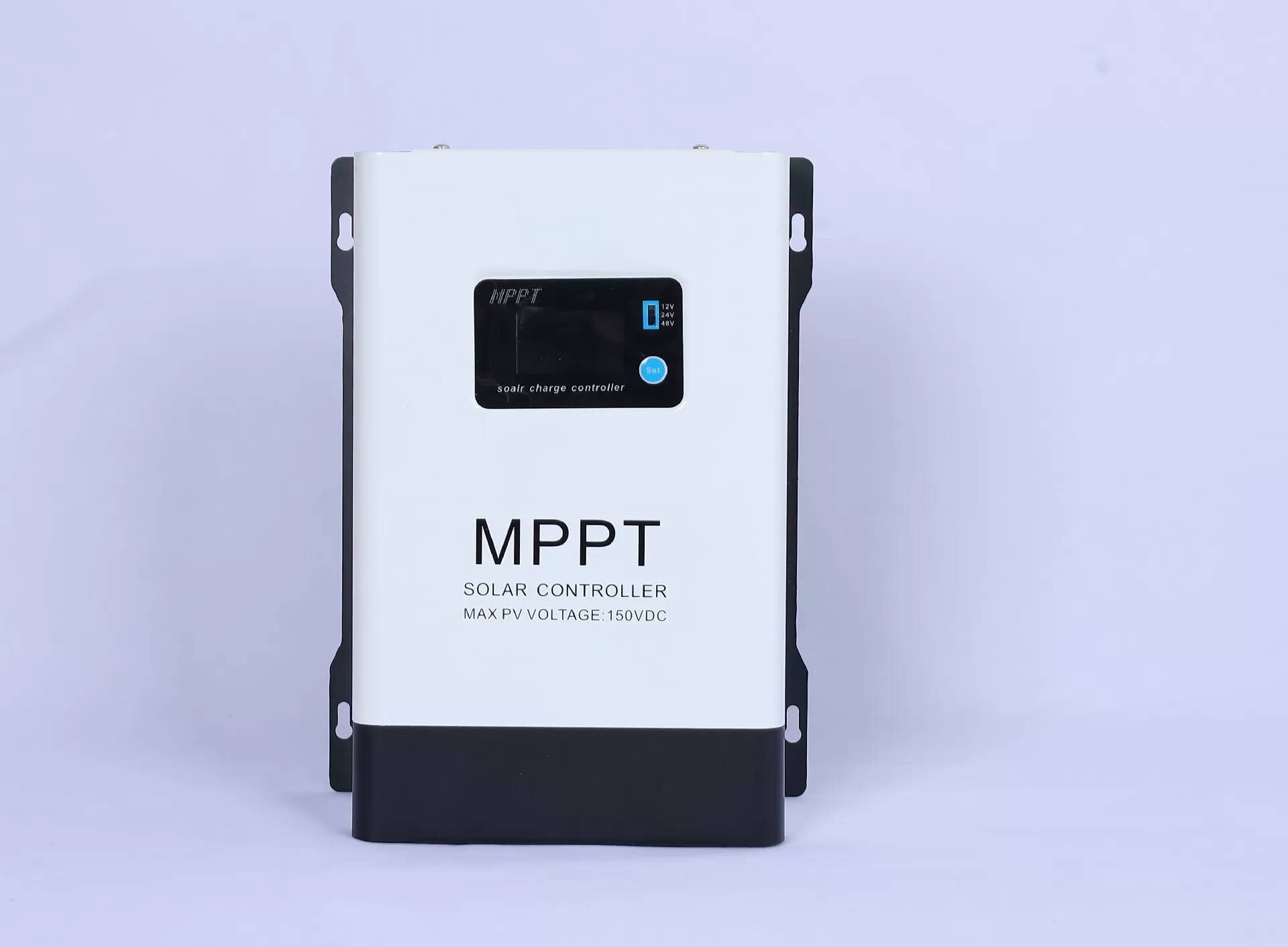
MPPT Solar Charge Controllers: Maximizing Efficiency for Solar Power Systems
As solar energy becomes an increasingly popular choice for renewable power—powering homes, businesses, off-grid setups, and portable systems—the need for efficient energy management has never been greater. At the heart of any high-performance solar power system lies the MPPT Solar Charge Controller, or Maximum Power Point Tracking Solar Charge Controller. Unlike traditional PWM (Pulse Width Modulation) charge controllers, MPPT controllers are engineered to extract the maximum possible power from solar panels, optimize battery charging, and extend the lifespan of both solar panels and batteries. This innovative device is a game-changer for anyone relying on solar energy, delivering greater efficiency, reliability, and cost savings in the long run.
To understand the value of an MPPT Solar Charge Controller, it’s first essential to grasp the basics of how solar power systems work. Solar panels generate direct current (DC) power, but the amount of power they produce varies depending on external factors—most notably sunlight intensity, temperature, and shading. The "maximum power point" (MPP) of a solar panel is the specific voltage and current combination at which the panel produces the highest amount of power. However, this MPP is not fixed; it shifts constantly as environmental conditions change. A standard PWM charge controller is unable to track these shifts, meaning it often wastes a significant portion of the power generated by the solar panels.
This is where MPPT technology comes in. An MPPT Solar Charge Controller continuously monitors the voltage and current output of the solar panels, dynamically tracking the maximum power point in real time. When it identifies the MPP, the controller uses a DC-to-DC converter to adjust the voltage and current from the solar panels to match the optimal charging requirements of the connected batteries. For example, if a solar panel’s MPP is 30V, but the battery bank requires 12V for charging, the MPPT controller will convert the 30V DC power from the panels into 12V DC power for the batteries—while preserving the maximum possible power. This conversion process is highly efficient, ensuring that nearly all the power generated by the solar panels is used to charge the batteries, rather than being wasted as heat.
One of the most significant advantages of MPPT Solar Charge Controllers is their superior energy efficiency. On average, MPPT controllers can extract 15% to 30% more power from solar panels compared to PWM controllers, especially in less-than-ideal conditions (such as partial shading, low light, or extreme temperatures). This increased efficiency translates to faster battery charging times, more usable power for connected devices, and reduced reliance on backup power sources. For off-grid systems—where every watt of power counts—this difference can be transformative, allowing users to power more devices, extend the runtime of their systems, or even downsize their solar panel array (reducing upfront costs) while maintaining the same level of performance.
Another key benefit of MPPT controllers is their ability to handle higher voltage solar panel setups. Unlike PWM controllers, which are limited to low-voltage solar panels (typically 12V or 24V), MPPT controllers can accommodate high-voltage solar arrays (up to 60V, 100V, or even 200V, depending on the model). This makes them ideal for larger solar power systems, such as those used in homes, businesses, or industrial settings. High-voltage solar arrays require thinner wiring, which reduces installation costs and minimizes power loss during transmission—further enhancing the overall efficiency of the system.
MPPT Solar Charge Controllers also excel at protecting and extending the lifespan of batteries. Batteries are one of the most expensive components of a solar power system, and improper charging is a leading cause of premature battery failure. MPPT controllers feature advanced battery charging algorithms that deliver a precise, controlled charge to the batteries, following a three-stage charging process: bulk charging, absorption charging, and float charging. During bulk charging, the controller delivers maximum current to the batteries to quickly bring them up to a high charge level. In the absorption stage, the voltage is held constant while the current gradually decreases, ensuring the batteries are fully charged without overcharging. Finally, the float stage maintains a low, constant voltage to keep the batteries fully charged without damaging them. This optimized charging process prevents overcharging, undercharging, and battery sulfation (a common issue that reduces battery capacity), significantly extending the lifespan of lead-acid, lithium-ion, and other types of rechargeable batteries.
Durability and versatility are also hallmarks of high-quality MPPT Solar Charge Controllers. Most models are built with rugged, weather-resistant enclosures, making them suitable for both indoor and outdoor installations—from residential rooftops to remote off-grid cabins, RVs, and marine vessels. They also come equipped with comprehensive protection features to safeguard the solar panels, batteries, and connected devices. These features typically include over-voltage protection, under-voltage protection, over-current protection, short-circuit protection, reverse polarity protection, and over-temperature protection. Some advanced models also include additional features like LCD displays (to monitor system performance), data logging (to track power generation and battery status), and remote monitoring capabilities (via smartphone apps or computer software), making it easy for users to manage and maintain their solar power systems.
While MPPT Solar Charge Controllers offer numerous advantages, they do have a higher upfront cost compared to PWM controllers. However, this investment is quickly offset by the increased energy efficiency and extended lifespan of the solar system components. For most users—especially those with medium to large solar arrays or off-grid setups—the long-term savings in energy costs and replacement parts far outweigh the initial price difference. Additionally, as MPPT technology has become more widespread, the cost of these controllers has decreased in recent years, making them more accessible to homeowners, small businesses, and outdoor enthusiasts.
The applications of MPPT Solar Charge Controllers are diverse and far-reaching, spanning residential, commercial, industrial, and portable use cases. In residential settings, they are a key component of off-grid and grid-tied solar power systems, ensuring that homeowners maximize the power generated by their rooftop solar panels and reduce their reliance on utility grids. For off-grid homes, cabins, and cottages, MPPT controllers are essential for providing reliable power, even in remote areas with limited sunlight.
For outdoor enthusiasts and travelers, MPPT controllers are a must-have for portable solar systems. RV owners, boaters, campers, and hikers use portable solar panels paired with MPPT controllers to charge batteries, power onboard appliances, and keep electronic devices charged while on the go. The high efficiency of MPPT controllers ensures that even small portable solar panels can generate enough power to meet their needs, even in low-light conditions.
In the commercial and industrial sector, MPPT Solar Charge Controllers are used in large-scale solar power systems, such as those installed on warehouses, factories, and commercial buildings. They help businesses reduce their energy costs, lower their carbon footprint, and improve their sustainability credentials. Additionally, MPPT controllers are used in remote industrial settings—such as construction sites, mining operations, and telecommunications towers—to power critical equipment using solar energy, eliminating the need for expensive diesel generators.
Looking ahead, the future of MPPT Solar Charge Controllers is closely tied to the growth of renewable energy and the increasing demand for efficient, sustainable power solutions. Technological advancements will focus on improving efficiency even further, reducing size and weight, and integrating more advanced smart features (such as AI-driven power optimization and seamless integration with energy storage systems). As solar energy becomes more mainstream, MPPT controllers will continue to play a critical role in maximizing the potential of solar power, making it a more reliable, affordable, and accessible energy source for people around the world.
In conclusion, the MPPT Solar Charge Controller is an essential component of any high-performance solar power system. Its ability to track the maximum power point of solar panels, optimize battery charging, and deliver superior efficiency makes it a superior choice to traditional PWM controllers. Whether you’re powering a home, an RV, a remote cabin, or a commercial building, an MPPT Solar Charge Controller ensures that you get the most out of your solar panels, extend the lifespan of your batteries, and enjoy reliable, clean solar power for years to come. While it may require a slightly higher upfront investment, the long-term benefits—greater efficiency, cost savings, and peace of mind—make it a worthwhile addition to any solar power system.