Dongguan Hongyi Electric Products Co., Ltd.



High-Frequency vs Power-Frequency Inverter: Key Differences Explained
Compare high-frequency and power-frequency inverters by design, size, surge capability, motor-load performance, efficiency, application, and system value before choosing the right inverter for your solar or backup power project.
The Right Inverter Depends on the Load: A practical guide for homeowners, installers, distributors, system integrators, contractors, and OEM buyers.
Why Inverter Frequency Matters
A solar inverter converts direct current from a battery or photovoltaic system into alternating current for appliances, tools, motors, and electronic equipment. High-frequency and power-frequency inverters perform this basic function through different internal designs, and those designs affect real-world performance.
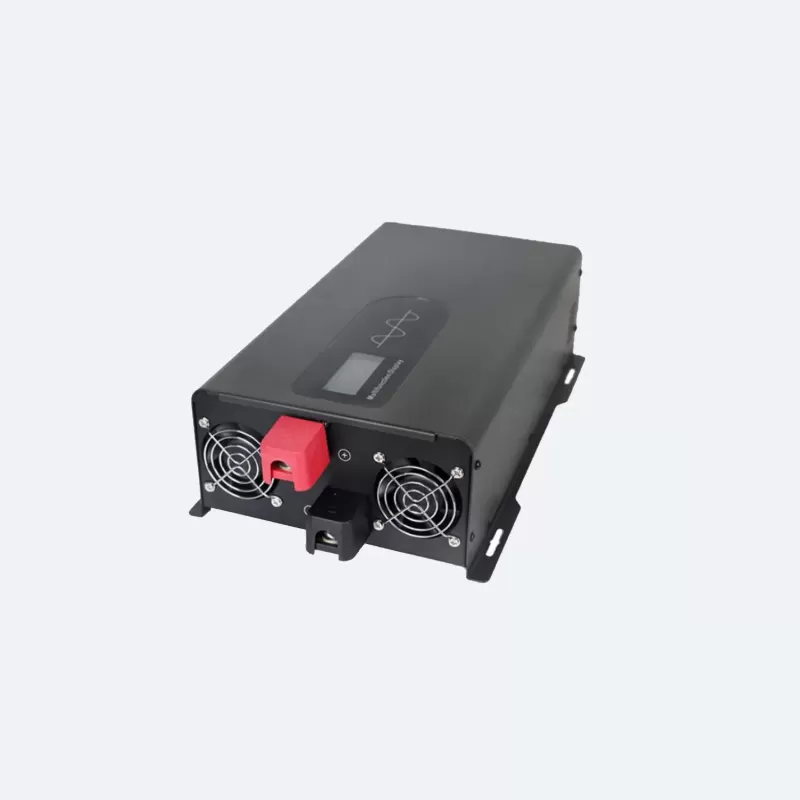
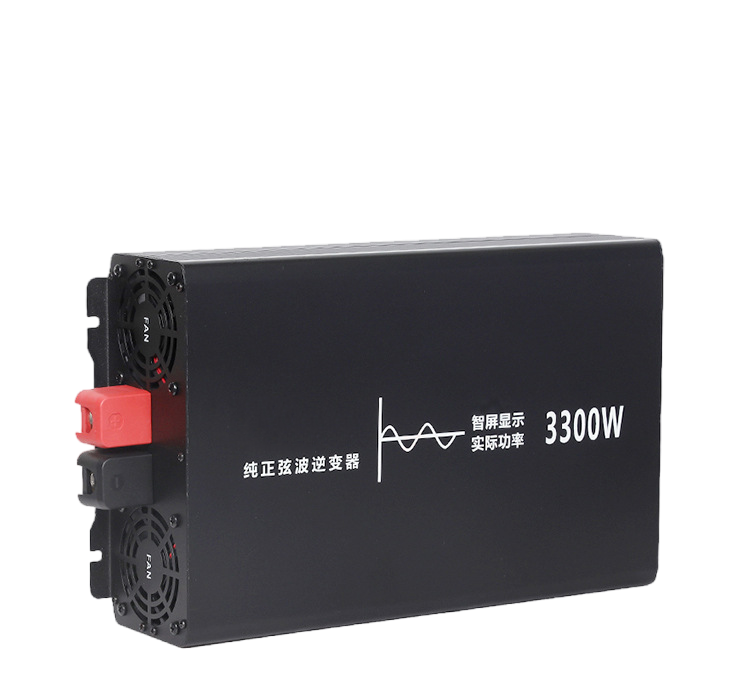
A high-frequency inverter usually uses rapid electronic switching and compact power-conversion components. A power-frequency inverter, also called a low-frequency inverter, commonly uses a larger transformer designed for heavy-duty conversion and isolation.
Neither architecture is automatically the best choice. The correct product depends on running power, starting current, waveform requirements, battery voltage, installation space, operating temperature, expected duty cycle, and budget.
What Is a High-Frequency Inverter?
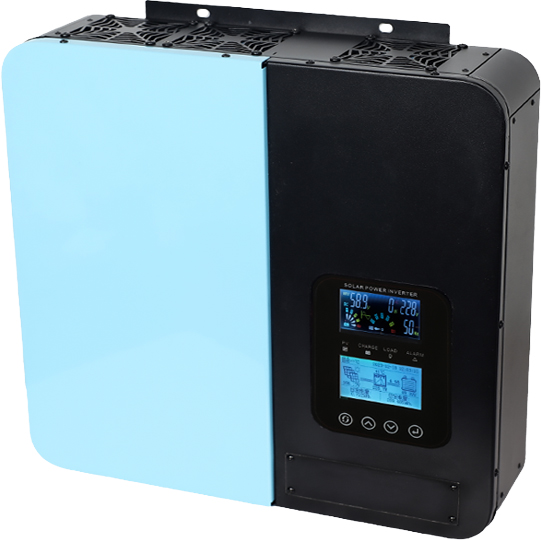
A high-frequency inverter uses high-speed switching to convert DC power into a controlled AC output. Because high-frequency components can be smaller, the inverter may be lighter and more compact than a transformer-heavy design with a similar nominal power rating.
High-frequency pure sine wave inverters are often used in residential backup systems, portable power products, RVs, mobile applications, and installations where cabinet space or shipping weight is limited. Depending on the model, they may include battery charging, MPPT solar charging, automatic transfer, remote monitoring, and multiple protection functions.
Typical advantage
A compact and lightweight structure can simplify transport, wall mounting, product integration, and installation in space-limited systems.
What Is a Power-Frequency Inverter?
A power-frequency inverter commonly uses a larger transformer designed to operate at the utility frequency or a closely related frequency. The transformer adds weight and volume, but it can also provide strong overload support, electrical isolation, and starting-current capability.
Power-frequency pure sine wave inverters are commonly considered for off-grid homes, pumps, motors, compressors, refrigerators, air conditioners, agricultural equipment, industrial loads, and heavy-duty backup systems.
Typical advantage
A heavy-duty transformer can support demanding inductive loads, although the actual surge rating and operating limits must always be verified from the product datasheet.
High-Frequency vs Power-Frequency Inverter Comparison
| Comparison Point | High-Frequency Inverter | Power-Frequency Inverter |
|---|---|---|
| Structure | High-speed switching and compact conversion components. | Larger low-frequency transformer and heavy-duty power components. |
| Size and weight | Usually lighter and smaller for comparable power classes. | Usually heavier and larger because of the transformer. |
| Surge performance | Depends strongly on switching design, control software, and published surge duration. | Often selected for strong starting support for inductive loads. |
| Typical loads | Electronics, lighting, moderate household loads, mobile systems, and backup equipment. | Motors, pumps, compressors, refrigerators, air conditioners, and industrial equipment. |
| Portability | Compact structure is useful for RVs, portable power, and space-limited installations. | Requires stronger mounting and more transportation space. |
| Light-load behavior | May provide good light-load performance, depending on the control system. | Transformer magnetizing losses may affect idle consumption. |
| Best buying priority | Low weight, compact size, integration, and flexible installation. | Surge capability, robustness, isolation, and heavy-load compatibility. |
Important: These are general design tendencies. Always check the exact model’s continuous power, surge power, surge duration, waveform, battery voltage, protection, and thermal specifications.
Continuous Power, Surge Power, and Motor Loads
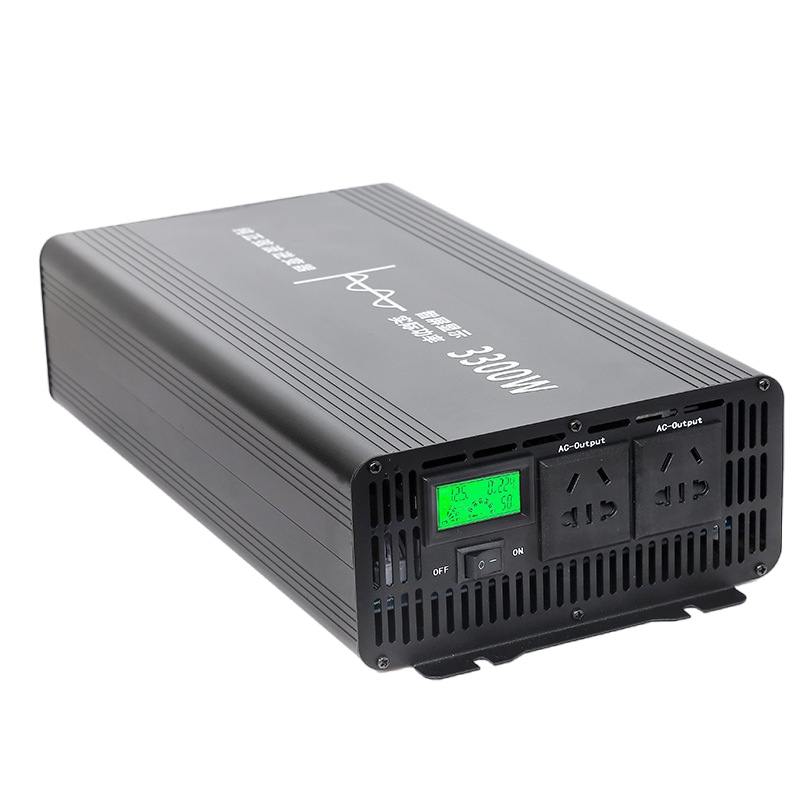
Inverter selection should not be based only on the running wattage printed on an appliance. Motors, compressors, pumps, refrigerators, freezers, and air conditioners can draw much more power when they start.
Continuous Power
Continuous power is the AC output an inverter can provide for an extended period under stated conditions. Ambient temperature, cooling, battery voltage, cable resistance, and installation clearance can affect continuous output.
Surge Power
Surge power is temporary output available during startup or a short overload event. A high surge number is useful only when its duration matches the starting requirement of the appliance.
Pure Sine Wave Output
Pure sine wave output is generally preferred for computers, audio equipment, medical devices, appliances with electronic controls, motors, and sensitive power supplies. Always check voltage regulation, frequency stability, and waveform information for the selected model.
Required inverter capacity = Running load + Starting demand + Design margin
For example, a pump may use 900W while running but require 2,700W at startup. If lighting and electronic equipment add another 300W, the inverter must support the normal combined load and the pump’s starting event. A power-frequency inverter may be considered for strong motor starting, while a high-frequency inverter can also work if its verified surge rating is sufficient.
Which Inverter Is Better for Different Applications?
Residential Backup
A high-frequency pure sine wave inverter can suit lighting, electronics, communication equipment, and moderate household loads when the surge specification is adequate.
Off-Grid Homes
Homes with refrigerators, pumps, tools, and air conditioners may benefit from a power-frequency design or a high-frequency model with verified motor-starting capability.
Water Pumps and Motors
Check running current, starting current, duty cycle, and surge duration. Heavy inductive loads require careful matching.
Refrigerators and Freezers
Compressor startup can be much higher than normal consumption. Pure sine wave output and sufficient surge capability are important.
RV and Mobile Power
Compact size, low weight, battery capacity, ventilation, and noise may make a high-frequency inverter attractive for mobile applications.
Agricultural and Industrial Loads
Pumps, compressors, control equipment, and workshop tools may require the robust surge support associated with power-frequency designs.
How to Choose the Right Inverter
Use this selection process before buying a high-frequency or power-frequency inverter.
List all important loads. Record running wattage, starting wattage, operating hours, and appliance type.
Identify the most demanding startup. A single pump or compressor may determine the inverter’s surge requirement.
Calculate simultaneous continuous power. Add the loads that may run at the same time and include a reasonable margin.
Check the battery voltage. Confirm that the inverter matches the 12V, 24V, 48V, or other battery system.
Choose pure sine wave output. This is generally the safer choice for sensitive electronics and motor-driven equipment.
Review thermal conditions. Check temperature range, ventilation, mounting clearance, humidity, dust, and altitude.
Compare protection and monitoring. Review low-voltage shutdown, overload, short circuit, over-temperature, remote monitoring, and transfer functions.
Evaluate total value. Include equipment cost, shipping, cables, protection devices, installation, service, warranty, and replacement parts.
Practical rule: Choose a high-frequency inverter when compact size and flexible integration are important and its surge rating matches the load. Consider a power-frequency inverter when strong motor starting, transformer isolation, and heavy-duty operation are higher priorities.
Questions to Ask a Solar Inverter Supplier
Distributors, installers, system integrators, and OEM buyers should evaluate technical data and supplier support together.
Is the model high-frequency, power-frequency, transformer-isolated, or based on another topology?
What are the continuous output power, peak power, surge duration, and overload behavior?
What waveform, voltage regulation, frequency stability, and protection functions are provided?
Which battery voltages and battery chemistries are supported?
What are the no-load consumption and efficiency values at different load levels?
Which motors, pumps, compressors, or appliances have been tested?
Are solar charging, MPPT charging, automatic transfer, parallel operation, and remote monitoring available?
Can the supplier provide samples, OEM branding, private-label packaging, manuals, and product labels?
What are the lead time, warranty process, spare-parts policy, and technical response time?
Provide complete application information
Share the load list, running and starting power, battery voltage, solar input, operating hours, ambient temperature, installation location, destination market, and estimated order quantity. Accurate information helps the supplier recommend a product based on real operating conditions rather than a single headline wattage.
Frequently Asked Questions
What is the main difference between high-frequency and power-frequency inverters?
High-frequency inverters use rapid electronic switching and usually have a compact structure. Power-frequency inverters commonly use a larger transformer and are often selected for strong surge support and heavy inductive loads.
Which inverter is better for a refrigerator or pump?
Both types may work if they provide pure sine wave output and sufficient continuous and surge power. The appliance’s startup requirement must be compared with the inverter’s verified surge duration.
Are power-frequency inverters more reliable?
Reliability depends on component quality, thermal design, manufacturing, installation, maintenance, and load conditions. A power-frequency design can be robust for heavy loads, while a well-designed high-frequency inverter can perform reliably in compact systems.
Are high-frequency inverters more efficient?
They may provide strong efficiency in certain load ranges, but actual performance varies by model. Compare efficiency at expected loads and check no-load consumption instead of relying on a general design claim.
Can a high-frequency inverter run sensitive electronics?
Yes, when it provides stable pure sine wave output, suitable voltage regulation, frequency stability, and correct protection. Always verify the model-specific output specifications.
Why are power-frequency inverters heavier?
The larger transformer and related mechanical components add weight and volume. The transformer can also provide strong energy storage and electrical isolation for demanding loads.
Does a larger inverter always provide better performance?
No. An oversized inverter may cost more and consume more energy at idle. It should be large enough for running loads and startup demand while remaining compatible with the battery, cables, and protection devices.
What information should I provide when requesting a quotation?
Provide the load list, running and starting power, battery voltage, solar array details, output voltage and frequency, installation environment, monitoring needs, destination market, and estimated quantity.
Choose the Inverter Architecture That Matches the Load
High-frequency and power-frequency inverters use different engineering approaches to deliver AC power. High-frequency designs can provide compact size, low weight, and flexible integration. Power-frequency designs can provide strong starting support, transformer-based isolation, and robust performance for demanding inductive loads.
The best choice depends on the complete system: running power, starting current, waveform requirements, battery voltage, operating hours, installation conditions, and maintenance needs. Compare verified technical data instead of selecting a product from one headline specification.
Hysolar Energy supplies high-frequency and power-frequency inverters, MPPT solar charge controllers, pure sine wave inverter systems, and portable power products for residential, off-grid, commercial, and OEM applications.