Dongguan Hongyi Electric Products Co., Ltd.



How to Choose a Solar Inverter for an Off-Grid Solar System
Learn how to select the right off-grid solar inverter by evaluating load power, starting current, battery voltage, waveform, solar charging, protection, installation conditions, and long-term system reliability.
Start with the Loads, Not the Marketing Number. A practical selection guide for homeowners, installers, distributors, system integrators, contractors, and OEM buyers.
What an Off-Grid Solar Inverter Does
An off-grid solar system operates without a dependable connection to the public electricity grid. Solar panels generate DC power, a battery stores energy, and an inverter converts that stored DC power into AC electricity for appliances, tools, lighting, pumps, communication equipment, and other loads.
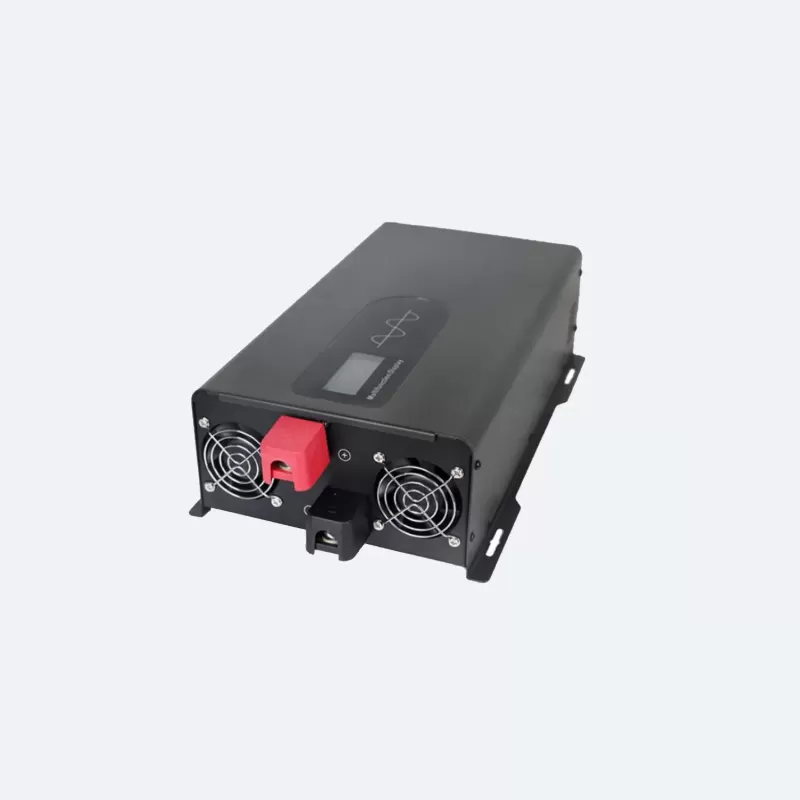
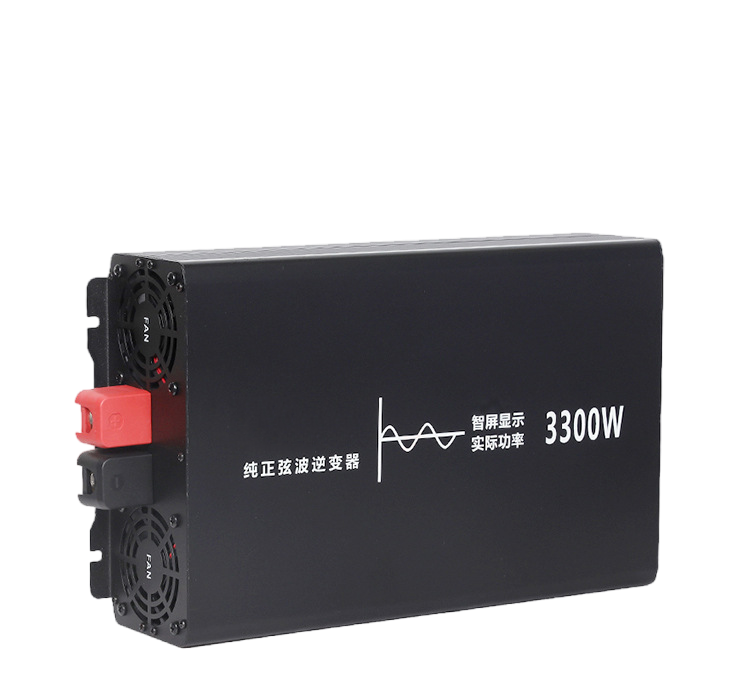
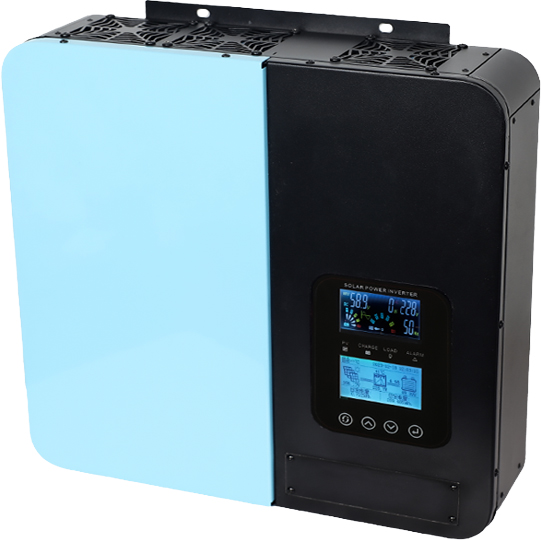
The inverter is often the control center of the system. Depending on the model, it may include a pure sine wave output stage, battery charger, MPPT solar charge controller, automatic transfer function, remote monitoring, and multiple protection features.
Choosing the correct inverter requires more than adding appliance wattages. You must understand simultaneous loads, motor starting current, battery voltage, daily energy use, solar input, environmental conditions, and the difference between continuous and surge power.
Four Decisions Before Buying an Inverter
Power Requirement
Calculate the appliances that may run at the same time and add a sensible design margin.
Starting Requirement
Motors, pumps, refrigerators, and compressors may need several times their normal running power.
Battery System
Match inverter input voltage with the 12V, 24V, 48V, or other battery bank used in the project.
Solar Charging
Decide whether you need a separate MPPT controller or an inverter with a built-in solar charge controller.
Step 1: Calculate Continuous and Surge Power
Start by listing every appliance and electrical device that may be connected to the off-grid solar system. Record running wattage, starting wattage, operating hours, and whether the load contains a motor, compressor, transformer, heating element, or electronic power supply.
Continuous Output
Continuous power is the output an inverter can deliver for an extended period. Add only the loads that may operate simultaneously. Do not add every appliance in the building if they will never run at the same time.
Surge Output
Surge power is temporary output available during startup. Refrigerators, freezers, water pumps, air conditioners, workshop tools, and other motor-driven equipment may require a high starting current.
Required inverter capacity = Simultaneous running load + Starting demand + Design margin
For example, a pump may run at 900W but need 2,700W during startup. If lighting and electronics add 300W, a 1,200W inverter may not start the pump even though the running total appears low. Compare the appliance startup requirement with the inverter’s published surge power and surge duration.
Use Pure Sine Wave Output
A pure sine wave inverter is generally recommended for computers, audio equipment, medical devices, refrigerators, motors, appliances with electronic controls, and sensitive power supplies. It can reduce compatibility problems compared with less suitable waveform types.
Step 2: Estimate Daily Energy Use
Power tells you how large the inverter must be at one moment. Energy tells you how much electricity the battery and solar panels must provide each day. Both values are essential in an off-grid system.
Daily energy use = Appliance power × Operating hours
If a 100W device runs for five hours, it consumes approximately 500Wh before system losses. Repeat this calculation for the important loads and add an allowance for inverter, battery, cable, and conversion losses.
Why Energy Use Affects Inverter Selection
An inverter that can start a load may still be unsuitable if the battery cannot supply the required energy overnight. Long operating hours, high standby consumption, and low solar production can reduce battery state of charge and cause low-voltage shutdown.
Check inverter no-load or standby consumption.
Estimate energy use for essential loads separately from optional loads.
Consider cloudy days and seasonal changes in solar production.
Make sure battery capacity and charging power match the expected daily energy demand.
Use energy-saving operating schedules where possible.
Step 3: Match the Battery Voltage and Capacity
The inverter must match the battery bank voltage. Common off-grid systems use 12V, 24V, or 48V batteries. Higher-power systems often use higher battery voltage to reduce DC, cable size, and voltage drop.
| Battery System | Common Use | Important Consideration |
|---|---|---|
| 12V | Small backup systems, RVs, lighting, and portable power. | High inverter power can create very high DC current. |
| 24V | Medium-sized residential, mobile, and off-grid systems. | Offers lower current than 12V for the same AC output. |
| 48V | Larger homes, commercial systems, and higher-power applications. | Requires compatible inverter, battery, protection, and installation design. |
Battery Chemistry
Confirm whether the inverter supports the selected lead-acid, AGM, gel, lithium, or other battery type. Charging voltage, low-voltage cutoff, temperature behavior, and communication requirements may differ between battery technologies.
Battery reminder: The battery must supply the inverter’s DC current without excessive voltage drop. Check battery capacity, maximum continuous discharge current, cable size, fuse rating, and battery management system requirements.
Step 4: Choose Separate or Built-In MPPT Solar Charging
An off-grid solar inverter may work with a separate solar charge controller or include an MPPT solar charge controller inside the inverter. Both approaches can be suitable when the electrical limits are correctly matched.
Inverter with Built-In MPPT
An integrated design can simplify installation, reduce the number of separate devices, and provide centralized monitoring. Check the maximum PV voltage, PV current, recommended PV power, battery voltage, and MPPT tracking range.
Separate MPPT Solar Charge Controller
A separate controller can provide more flexibility for multiple solar arrays, staged expansion, independent troubleshooting, or systems that use different inverter and charging requirements.
Never exceed the controller’s maximum PV voltage, PV current, battery voltage, or recommended PV power.
Check solar panel Voc in cold conditions.
Check Vmp against the MPPT operating range.
Check Isc for all parallel strings.
Confirm the battery charging current is acceptable.
Verify whether the inverter can charge from solar and an external AC source.
Important Inverter Features for Off-Grid Systems
Pure Sine Wave Output
Recommended for sensitive electronics, motors, compressors, medical equipment, and appliances with electronic controls.
Low-Voltage Shutdown
Protects the battery from excessive discharge. Check whether the cutoff level suits the battery chemistry.
Overload and Short-Circuit Protection
Helps protect the inverter and connected equipment during faults or excessive demand.
Over-Temperature Protection
Reduces output or shuts down the inverter when internal temperature becomes too high.
Automatic Transfer
Allows selected models to switch between solar battery power, grid power, and a generator where supported.
Remote Monitoring
Displays voltage, power, battery status, alarms, and operating history for easier service and maintenance.
Installation and Safety Checklist
A correctly selected inverter can still fail early if it is installed in a hot, damp, dusty, or poorly ventilated location. Follow the product manual and local electrical requirements.
Confirm battery polarity and voltage before connecting the inverter.
Use correctly sized DC cables, fuses, breakers, connectors, and isolation devices.
Keep DC cables short where practical to reduce voltage drop.
Provide ventilation and clearance around cooling openings.
Protect the inverter from water, condensation, corrosive vapors, and excessive dust.
Connect loads gradually and test the most demanding appliance separately.
Record inverter settings, battery type, wiring, alarms, and commissioning results.
Safety notice: Battery banks and AC inverter outputs can deliver dangerous electrical energy. High-power systems should be installed, tested, and serviced by qualified personnel.
Questions to Ask an Off-Grid Inverter Supplier
What are the continuous output power, surge power, and surge duration?
Which battery voltage and battery chemistries are supported?
Is the output pure sine wave, and what are the voltage and frequency tolerances?
Does the model include an MPPT solar charge controller?
What are the maximum PV voltage, PV current, and recommended PV power?
What protection functions and fault codes are included?
What are the no-load consumption, efficiency, cooling method, and operating temperature?
Are remote monitoring, automatic transfer, parallel operation, or OEM functions available?
Can the supplier provide samples, manuals, labels, private-label packaging, warranty, and spare-parts support?
Provide complete project information
Share the load list, running and starting power, daily energy use, battery voltage, solar panel details, installation environment, destination market, and estimated quantity. Accurate information leads to a more useful inverter recommendation.
Frequently Asked Questions
What size inverter do I need for an off-grid solar system?
Choose a model that supports the simultaneous running load plus the highest starting demand. Battery voltage, daily energy use, temperature, and future expansion must also be considered.
Is a pure sine wave inverter necessary off-grid?
Pure sine wave output is generally recommended for computers, motors, refrigerators, audio equipment, medical devices, and sensitive electronic loads because it provides cleaner AC power.
Should I choose an inverter with a built-in MPPT controller?
An integrated MPPT controller can simplify installation and monitoring. Confirm that its PV voltage, PV current, charging current, and battery limits match the complete solar array and battery bank.
Is a 48V off-grid system better than a 12V system?
Higher-voltage systems can reduce DC and voltage drop for larger loads, but the inverter, battery, protection devices, and installation must all be designed for the selected voltage.
Can an off-grid inverter run a water pump?
Yes, if the inverter supports the pump’s continuous and starting requirements. Check motor startup current, surge duration, battery capacity, and cable sizing before installation.
What causes an off-grid inverter to shut down?
Common causes include low battery voltage, overload, short circuit, over-temperature, insufficient ventilation, incorrect settings, weak batteries, or excessive cable voltage drop.
What information should I provide when requesting a quotation?
Provide the load list, running and starting power, battery voltage, solar array size, expected operating hours, environment, output requirements, destination market, and estimated quantity.
Choose an Inverter for the Complete Off-Grid System
The best off-grid solar inverter is not simply the model with the largest wattage number. It must match the running loads, starting current, battery voltage, daily energy demand, solar charging design, waveform requirements, installation environment, and protection strategy.
Start with accurate load data, select pure sine wave output for sensitive equipment, verify continuous and surge power, and confirm every electrical limit with the product datasheet. A complete system approach improves reliability and helps avoid unnecessary shutdowns, battery stress, and installation problems.
Hysolar Energy supplies pure sine wave inverters, power-frequency inverters, high-frequency solar products, MPPT solar charge controllers, and portable power solutions for off-grid, residential, commercial, and OEM applications.