Dongguan Hongyi Electric Products Co., Ltd.



How to Choose a Reliable MPPT Solar Charge Controller Manufacturer
Learn how to evaluate an MPPT solar charge controller manufacturer by technical capability, product quality, factory experience, documentation, customization, testing, delivery, and after-sales support.
Choose a Manufacturing Partner, Not Just a Product A practical guide for distributors, installers, system integrators, project contractors, importers, and private-label solar brands.
Why the Manufacturer Matters
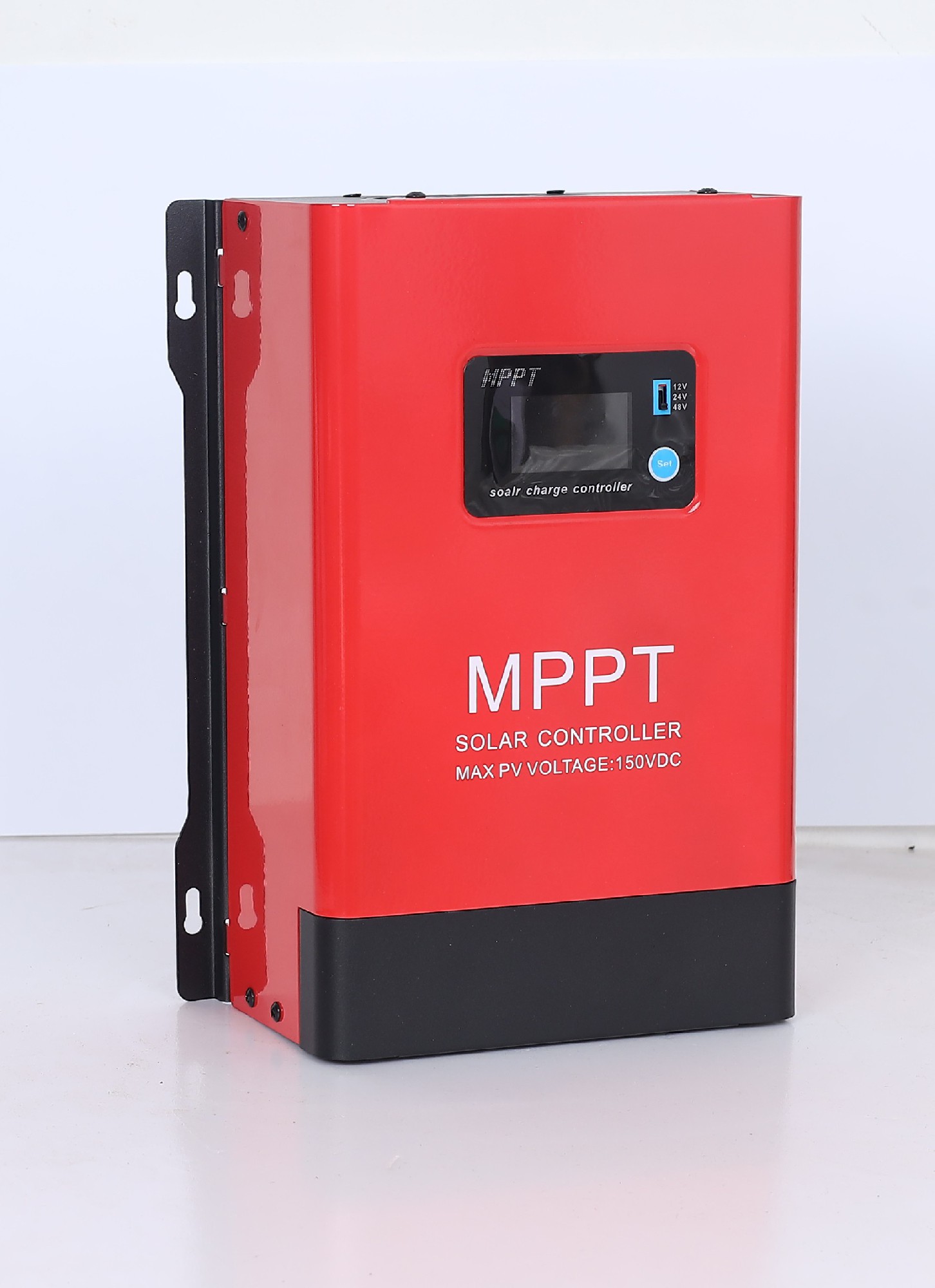
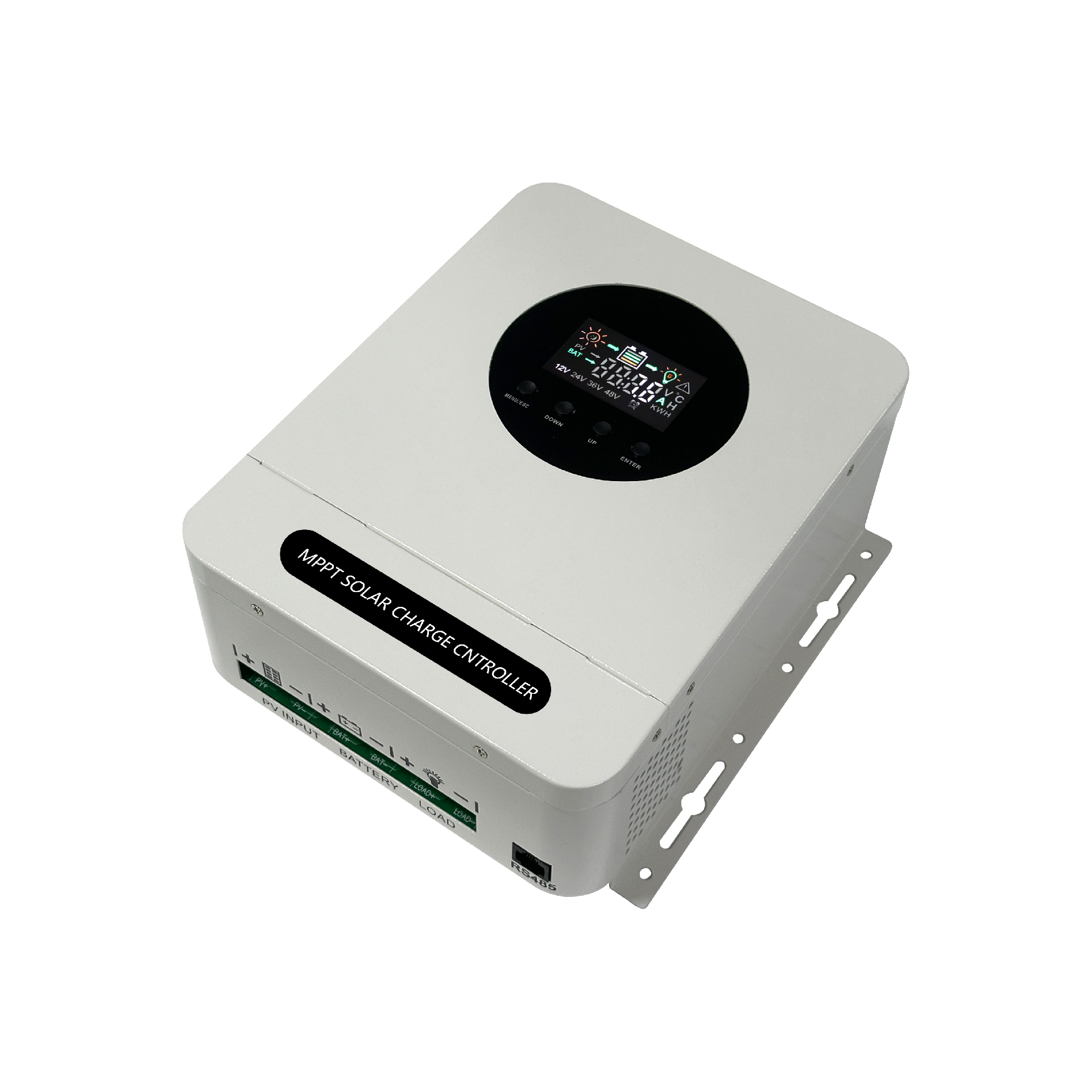
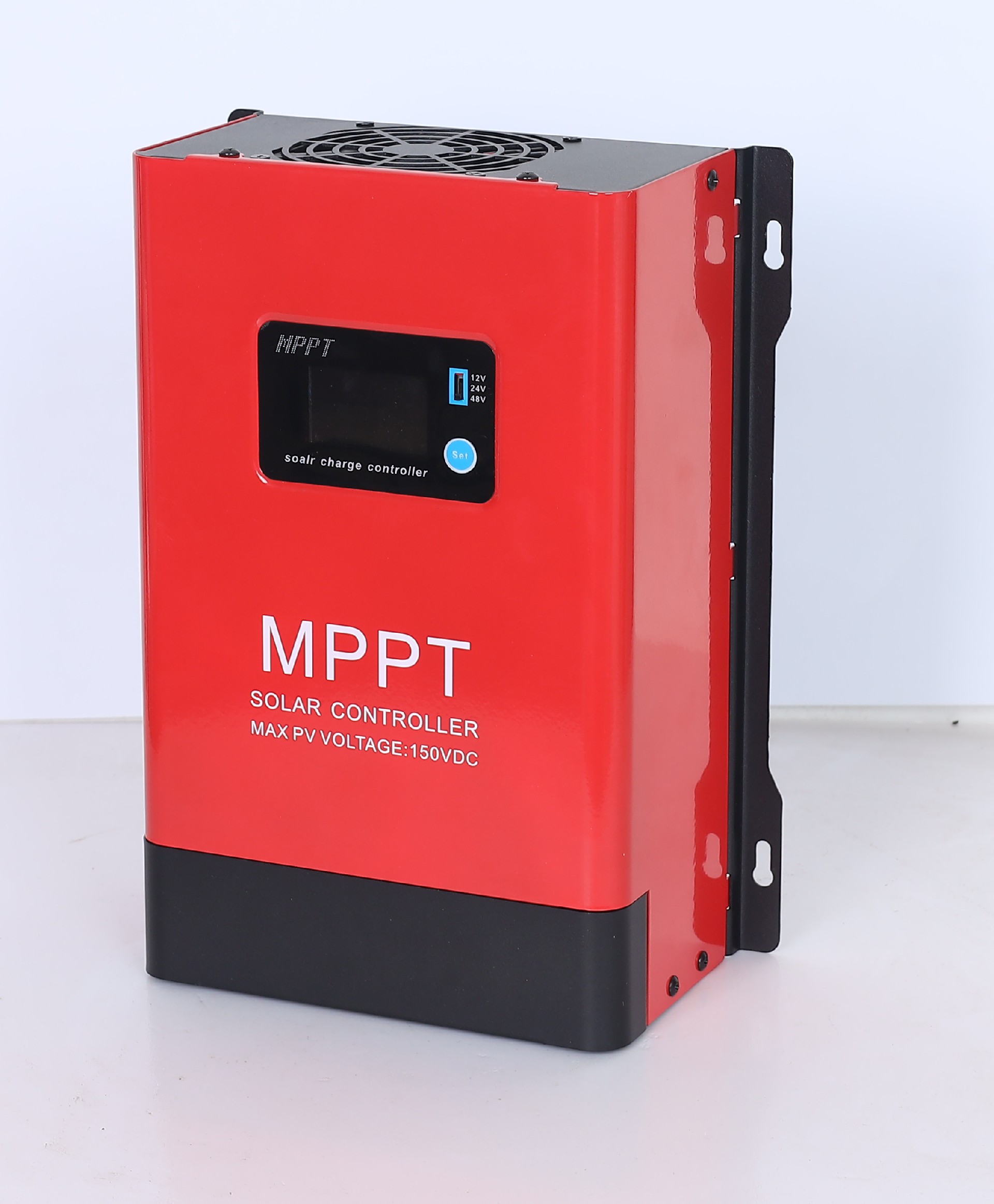
An MPPT solar charge controller is a critical part of a battery-based solar system. It tracks the photovoltaic array’s maximum power point, converts voltage when necessary, regulates battery charging, and helps protect the connected system.
However, two controllers with similar labels may perform very differently. Differences in component quality, thermal design, firmware, calibration, protection functions, production control, and technical support can affect system reliability and customer satisfaction.
A reliable MPPT solar charge controller manufacturer should be able to explain the product’s electrical limits, provide consistent documentation, support sample testing, and offer a clear process for warranty and technical issues. This is especially important when you plan to purchase repeatedly or sell the controller under your own brand.
Eight Areas to Evaluate Before You Buy
Product Engineering
Check whether the supplier understands PV voltage, charging current, battery chemistry, thermal design, and system integration.
Factory Capability
Review production equipment, assembly processes, quality inspection, testing capacity, and manufacturing consistency.
Electrical Safety
Confirm protection functions, wiring instructions, enclosure requirements, and model-specific operating limits.
Documentation
A complete datasheet, manual, wiring diagram, fault-code guide, and product label are essential for installation and sales.
Sample Testing
Test representative samples under realistic voltage, current, temperature, and battery conditions before placing a large order.
Customization
OEM and ODM buyers should check private-label, packaging, display, communication, firmware, and language options.
Delivery Stability
Evaluate lead times, production capacity, component continuity, packaging control, and repeat-order performance.
After-Sales Support
Ask how the manufacturer handles troubleshooting, spare parts, warranty claims, replacements, and technical training.
Manufacturer Evaluation Checklist
| Evaluation Area | What to Request | Why It Matters |
|---|---|---|
| Electrical specifications | Maximum PV voltage, PV current, charging current, MPPT range, battery voltage, and recommended PV power. | These values determine whether the controller fits your solar array and battery system. |
| Battery compatibility | Supported battery chemistry, charging stages, temperature compensation, and communication requirements. | Incorrect charging settings can reduce battery performance or create safety concerns. |
| Protection functions | Reverse polarity, overcurrent, short circuit, over-temperature, PV overvoltage, and battery protection. | Protection features help reduce damage caused by faults, wiring errors, or abnormal conditions. |
| Testing process | Production inspection, load testing, aging procedures, calibration, and final quality checks. | A repeatable test process improves consistency between samples and production orders. |
| Documentation | Datasheet, installation manual, wiring diagram, fault codes, labels, and packaging details. | Clear information supports installation, compliance review, customer service, and product marketing. |
| Commercial support | Minimum order quantity, lead time, sample policy, warranty, spare parts, and technical response. | Commercial terms affect inventory planning, project delivery, and long-term customer support. |
Important: Do not judge a manufacturer only by a low quotation or a high headline efficiency claim. Technical transparency and repeatable quality are usually more valuable than a short-term price difference.
How to Verify Product Quality
Website information is useful for creating a shortlist, but it is not enough to verify manufacturing quality. A serious evaluation should combine documents, factory communication, samples, and application testing.
Review Model-Specific Documentation
Ask for the exact datasheet and manual of the model you plan to purchase. Confirm the maximum PV input voltage, charging current, recommended PV power, battery settings, operating temperature, enclosure requirements, and protection functions.
Test Representative Samples
Run samples with the intended solar panel configuration and battery type. Check startup behavior, charging stability, temperature, display information, communication, fault recovery, and performance under changing sunlight or load conditions.
Inspect Production Consistency
If possible, compare more than one sample from different production batches. Look at terminals, labels, connectors, enclosure quality, cooling paths, firmware version, and measured operating values.
Reliable sourcing process = Documentation review + Sample testing + Factory verification + Production follow-up
Testing does not need to be complicated to be useful. The goal is to confirm that the product you receive matches the product described by the manufacturer and that it performs correctly in your target application.
What OEM and ODM Buyers Should Check
Distributors and private-label brands need more than a standard product. The manufacturer must be able to support the commercial requirements of the target market while keeping the core electrical design stable.
Customization Options
Brand logo, model name, display language, and product label.
Retail packaging, carton markings, user manuals, and installation guides.
Communication interface, connector selection, cable length, or accessory package.
Firmware settings, battery profiles, alarm behavior, or system integration where technically feasible.
Commercial Capability
Clear minimum order quantity and sample process.
Stable component sourcing and repeat production capacity.
Defined lead time for samples, first orders, and repeat orders.
Consistent inspection records and shipment documentation.
Technical training and support for local installers or service teams.
Practical advice: Start with a small sample order, test three representative units, review draft labels and manuals, and approve the final specification before scaling up.
Warning Signs During Supplier Evaluation
Unclear Ratings
The supplier lists only a large wattage number but cannot explain PV voltage, charging current, MPPT range, or battery limits.
Generic Documents
The manual does not match the model, product images, connectors, display, or technical specifications.
No Sample Testing
The supplier discourages electrical testing or cannot provide representative samples before a large order.
Unverified Claims
The manufacturer promises universal compatibility, extreme efficiency, or certifications without model-specific evidence.
Weak Communication
Technical questions receive vague answers or are repeatedly redirected to sales language.
No Warranty Process
The supplier cannot explain troubleshooting, replacement, repair, spare parts, or response procedures.
Questions to Ask an MPPT Solar Charge Controller Manufacturer
What are the maximum PV voltage, PV current, charging current, and recommended PV power for the exact model?
Which battery chemistries and battery voltage classes are supported?
Can charging parameters be adjusted for different battery brands?
Which protections are included, and how are faults displayed or recorded?
What are the operating temperature, cooling, humidity, enclosure, and mounting requirements?
Are RS485, CAN, Bluetooth, display, or other monitoring interfaces available?
Can the supplier provide samples, manuals, labels, test records, and packaging specifications?
What are the standard lead time, minimum order quantity, warranty policy, and spare-parts process?
Can the manufacturer support OEM branding, private-label packaging, and local market requirements?
Prepare your project information before contacting suppliers.
Include the solar panel model, series-parallel layout, battery chemistry and voltage, expected charging current, installation environment, communication needs, destination market, and estimated purchase quantity. Complete information helps the manufacturer recommend a suitable controller instead of a generic model.
Frequently Asked Questions
What makes a reliable MPPT solar charge controller manufacturer?
A reliable manufacturer provides accurate model-specific specifications, consistent production, documented testing, clear manuals, sample support, stable delivery, and a practical after-sales process.
How can I verify an MPPT controller supplier?
Review company information, product documents, factory capability, sample quality, communication, inspection procedures, customer support, and repeat-order performance.
Should I request samples before placing a bulk order?
Yes. Sample testing helps confirm electrical ratings, battery compatibility, thermal behavior, communication, packaging, and consistency before you commit to a larger order.
Can an MPPT manufacturer provide OEM services?
Many manufacturers offer OEM or ODM services, but the available options vary. Confirm branding, packaging, firmware, labels, manuals, minimum order quantity, and engineering support in writing.
What is more important: price or efficiency?
Neither should be considered alone. Compare verified efficiency, protection, thermal design, product life, technical support, warranty, delivery reliability, and total ownership cost.
What documents should a manufacturer provide?
Request the exact datasheet, installation manual, wiring diagram, fault-code guide, product label, charging parameters, warranty terms, and any applicable model-specific test information.
How do I choose a manufacturer for a private-label solar product?
Choose a supplier that can maintain stable product specifications, support packaging and documentation, provide samples, meet production schedules, and communicate clearly after delivery.
Build a Reliable Solar Product Supply Chain
Choosing a reliable MPPT solar charge controller manufacturer requires more than comparing prices or product photos. Evaluate electrical specifications, battery compatibility, protection functions, testing, factory capability, documentation, customization, delivery, and after-sales support together.
Start with verified project data, request representative samples, test the controller under realistic conditions, and approve the final specification before scaling up. This process can reduce product mismatch, installation problems, warranty claims, and customer dissatisfaction.
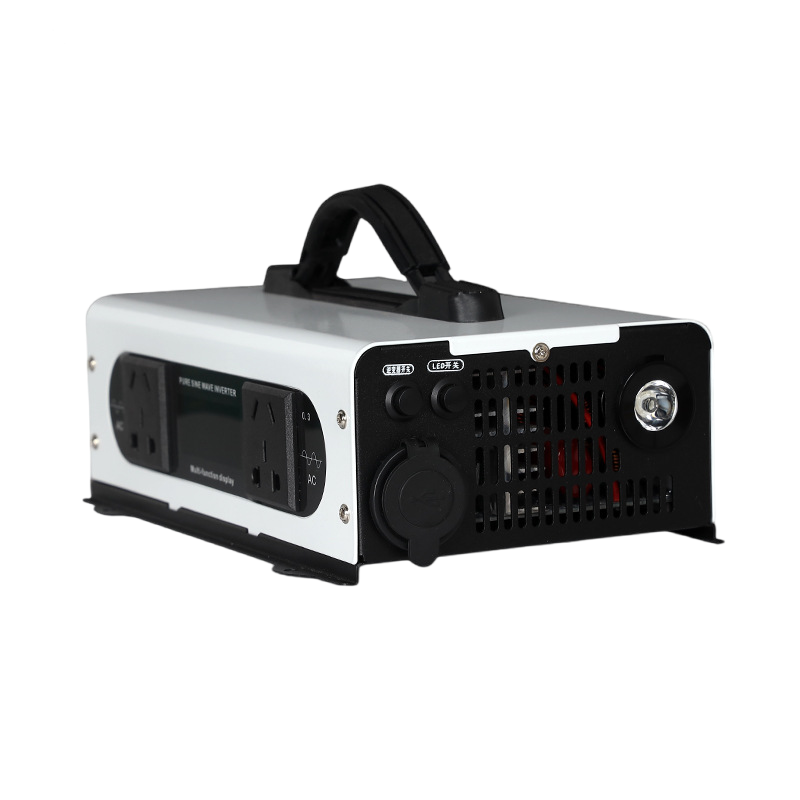
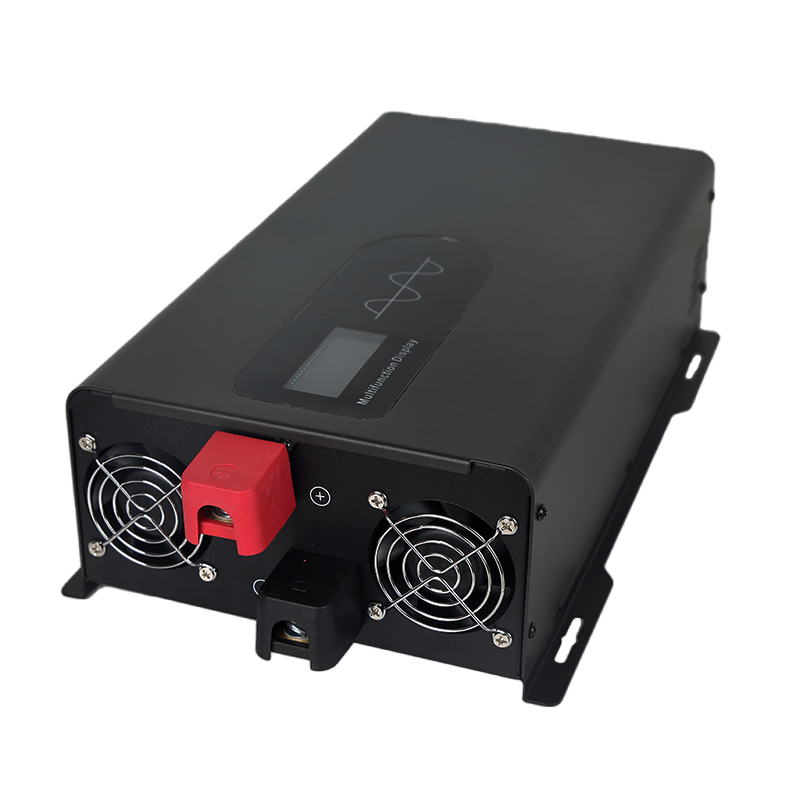
Hysolar Energy supplies MPPT solar charge controllers, power-frequency MPPT solutions, pure sine wave inverters, and portable power products for distributors, installers, system integrators, and OEM customers.