Dongguan Hongyi Electric Products Co., Ltd.



How to Build a Reliable Solar Product Line for Your Local Market
Why a Product Line Matters More Than One Product
A successful solar business rarely depends on one inverter or one charge controller. Local buyers have different budgets, battery voltages, applications, installation environments, and performance expectations. A well-planned product line gives customers a clear path from small backup systems to larger off-grid and commercial projects.
For a distributor or private-label brand, the goal is not to list as many products as possible. The goal is to offer a focused range that is easy to explain, easy to install, technically compatible, and commercially profitable.
A reliable solar product line should combine strong core products, clear specifications, dependable suppliers, local service, and a consistent customer experience.
Step 1: Understand Your Local Market
Before choosing products, identify who will buy them and what problems they need to solve. A solar product line for rural households may be different from a product line for telecom installers, RV dealers, agricultural projects, or commercial backup systems.
Study the Main Customer Groups
Homeowners looking for backup power and lower electricity costs.
Installers who need reliable products with simple wiring and documentation.
Distributors who need stable inventory and repeat-order support.
Project contractors who require technical matching and predictable delivery.
Private-label brands that need OEM packaging and local-language documents.
Review Local Buying Factors
Research common battery voltages, household appliance types, solar radiation, weather conditions, grid reliability, import rules, warranty expectations, and competitor price levels. Ask installers which products create the most service problems and which specifications customers frequently misunderstand.
Market planning principle:
Choose products based on repeated local demand, not only on the largest catalogue or the lowest factory quotation.
Step 2: Create a Clear Product Architecture
Customers should understand the difference between products without studying a complicated catalogue. Organize the line by application, power range, battery voltage, and customer level.
| Product Category | Typical Customer Need | Recommended Product Role |
|---|---|---|
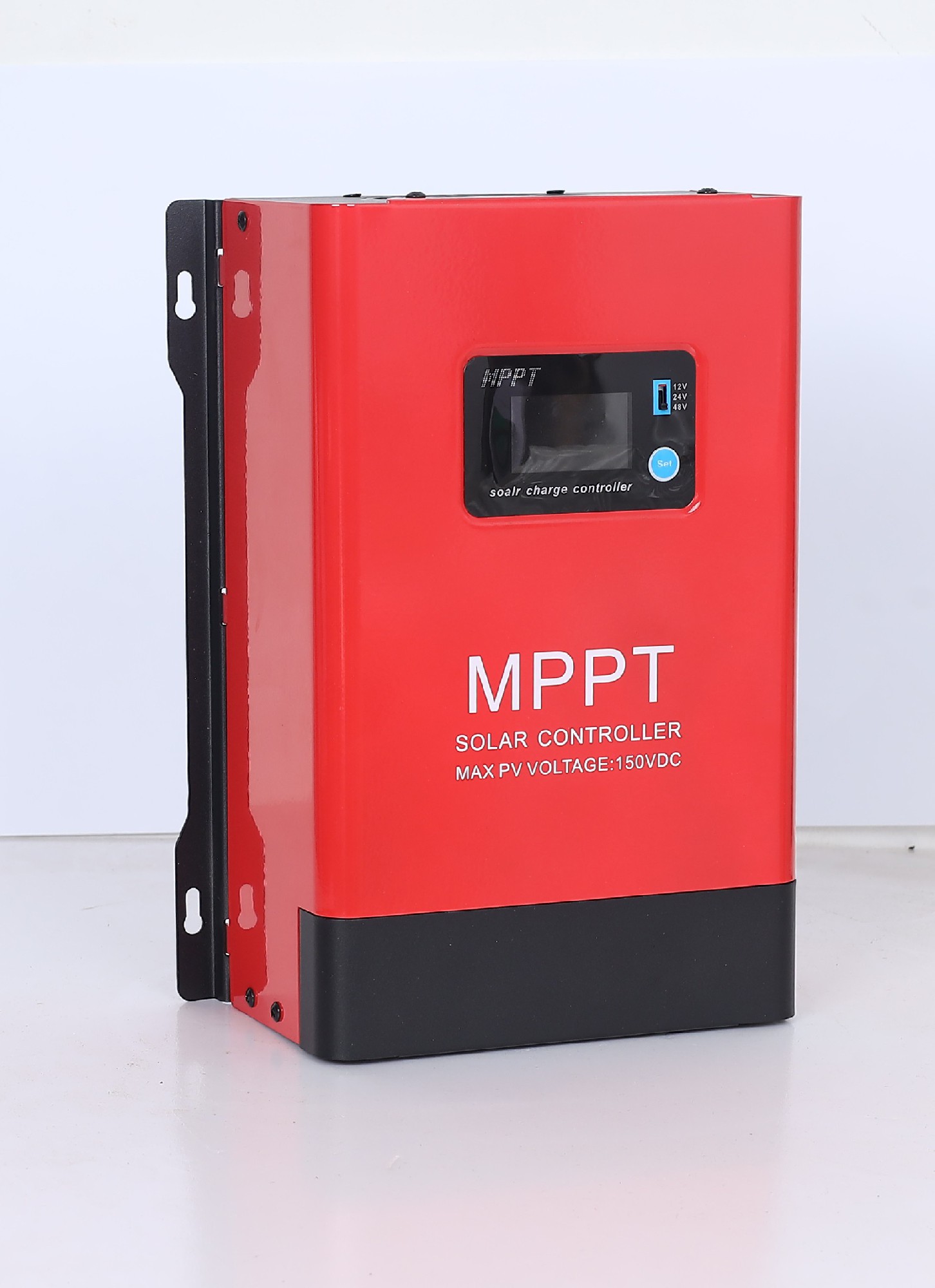
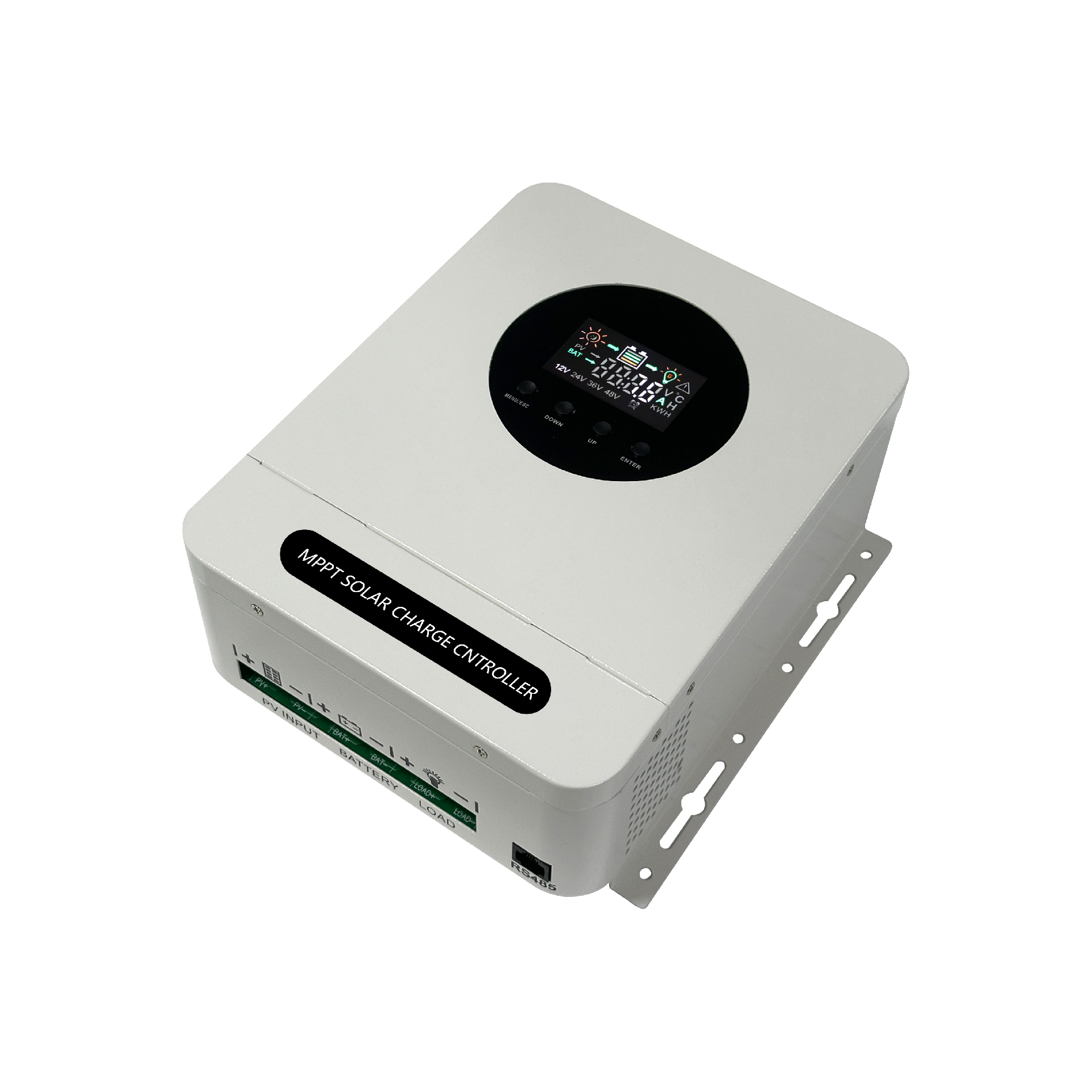
| MPPT solar charge controllers | Efficient charging for battery-based solar systems. | Core product for installers, off-grid homes, telecom, RV, and agricultural applications. |
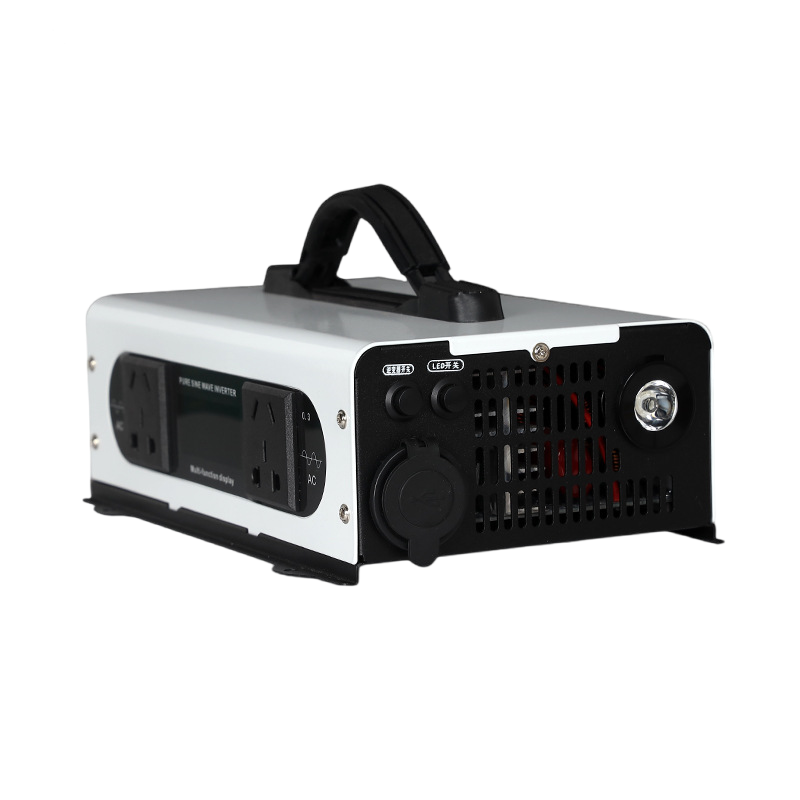
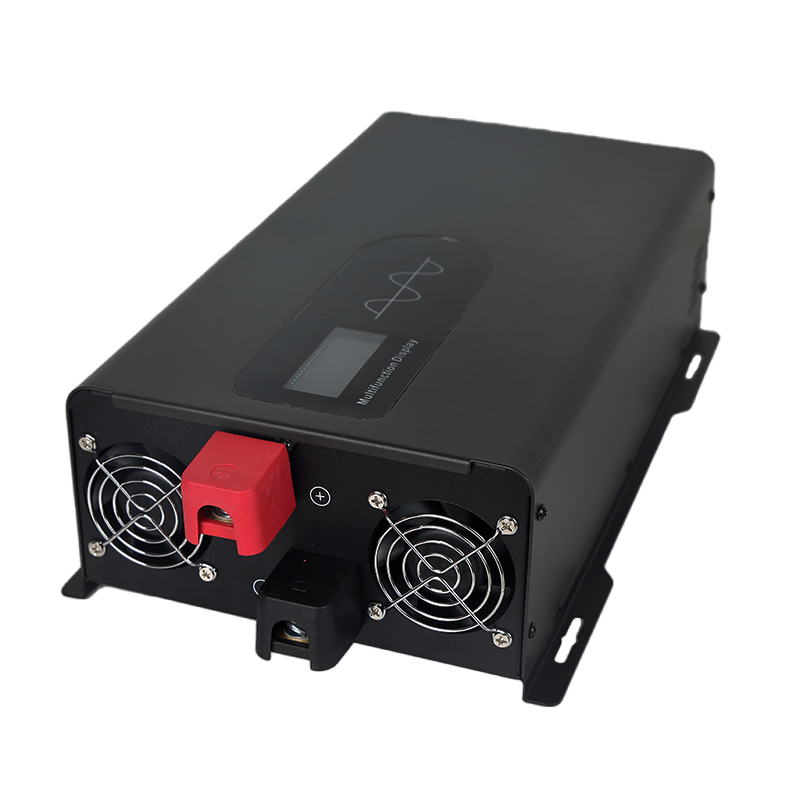
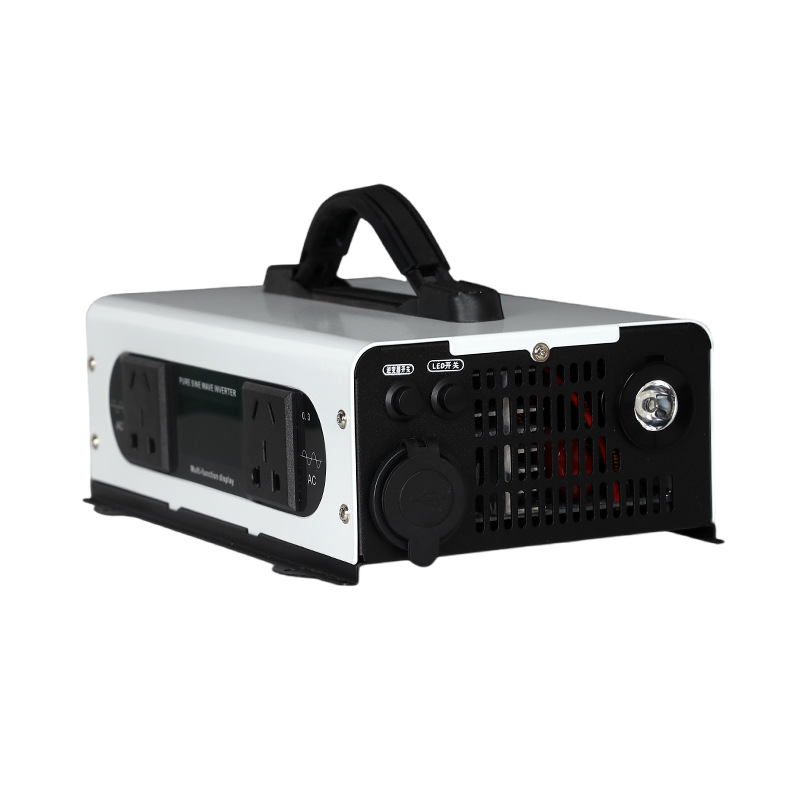
| Pure sine wave inverters | Clean AC power for appliances, electronics, motors, and backup loads. | Offer several power ranges and battery voltage options. |
| Power-frequency inverters | Strong surge support for pumps, compressors, refrigerators, and motors. | Target heavy-duty, off-grid, agricultural, and industrial applications. |
| High-frequency inverters | Compact and lightweight power conversion. | Target residential backup, mobile power, RV, and space-limited installations. |
| Portable power stations | Convenient energy for camping, emergency backup, and mobile work. | Serve retail customers and users who prefer integrated systems. |
| Accessories and protection | Safe installation and easier maintenance. | Include cables, fuses, breakers, monitoring devices, and mounting accessories where appropriate. |
Keep the range focused: A smaller group of well-documented products is usually easier to stock, sell, install, and support than dozens of overlapping models.
Step 3: Define Technical Specifications Clearly
Every product in the line should have accurate, model-specific information. Clear specifications help customers compare products and help installers avoid incorrect system designs.
For MPPT Solar Charge Controllers
Maximum PV input voltage and MPPT tracking range.
Maximum PV input current and recommended PV power.
Continuous charging current and supported battery voltage.
Battery chemistry, charging stages, and temperature compensation.
Protection functions, communication options, cooling, and operating temperature.
For Solar Inverters
Continuous output power, peak power, and surge duration.
Pure sine wave output, voltage, frequency, and regulation.
Battery voltage, no-load consumption, efficiency, and low-voltage cutoff.
Overload, short-circuit, reverse-polarity, and over-temperature protection.
Optional MPPT charging, automatic transfer, parallel operation, and remote monitoring.
Good product information = Accurate data + Clear application guidance + Consistent terminology
Step 4: Select Reliable Manufacturing Partners
Your product line is only as reliable as the supply chain behind it. Evaluate manufacturers by technical capability, quality control, communication, production capacity, and after-sales support.
Request model-specific datasheets, manuals, wiring diagrams, and protection information.
Confirm factory experience with MPPT controllers, pure sine wave inverters, or related products.
Order representative samples and test them under realistic voltage, current, temperature, and load conditions.
Check product consistency across multiple samples or production batches.
Review minimum order quantity, lead time, packaging, component continuity, and repeat-order capacity.
Confirm OEM branding, private-label packaging, language support, and documentation options.
Ask how the manufacturer handles faults, replacements, spare parts, and warranty claims.
Do not choose only by price: A low purchase price can become expensive when products generate installation failures, returns, customer complaints, or long support delays.
Step 5: Localize the Product and Customer Experience
Voltage and Frequency
Match local AC voltage, frequency, battery voltage, plug types, and installation conventions.
Language
Provide manuals, labels, fault explanations, and safety information in the language used by installers and customers.
Compliance
Review the electrical, import, labeling, recycling, packaging, and documentation requirements of the destination market.
Climate
Consider heat, cold, humidity, dust, altitude, coastal air, and seasonal weather when selecting enclosure and cooling requirements.
Installation Habits
Use clear wiring diagrams and accessories that match common local installation methods.
Service Expectations
Offer local troubleshooting guidance, spare parts, response procedures, and realistic warranty communication.
Step 6: Plan Pricing, Inventory, and Profitability
A product line should be commercially sustainable. Calculate the complete cost of bringing a product to market, not only the factory unit price.
Include the Full Cost
Product price, packaging, shipping, insurance, duties, and local taxes.
Testing, certification, translation, labeling, and compliance expenses.
Warehouse storage, spare parts, warranty replacements, and technical support.
Marketing, sales commissions, installation training, and customer education.
Use a Tiered Product Strategy
Many local markets benefit from three simple levels: an entry product for price-sensitive customers, a main product for the largest customer group, and a premium product for demanding loads or advanced monitoring.
Inventory principle:
Stock the products with predictable demand first. Add specialized models after sales data and installer feedback show a clear need.
Step 7: Build Content That Helps Customers Choose
Solar products can be difficult to compare. Your website and sales materials should answer the questions customers ask before contacting a supplier.
Explain MPPT versus PWM in simple language.
Show how to size an MPPT solar charge controller.
Explain continuous power, surge power, and motor starting.
Compare high-frequency and power-frequency inverter designs.
Provide battery voltage, wiring, installation, and troubleshooting guidance.
Use product comparison tables with accurate, model-specific data.
Create pages for installers, distributors, OEM buyers, and project contractors.
SEO opportunity: Build helpful articles around real search intent, then link naturally to the relevant MPPT controller, pure sine wave inverter, portable power station, application, and contact pages.
Common Product-Line Mistakes
Too Many Similar SKUs
Overlapping models confuse customers and increase inventory pressure.
Choosing Only by Price
Low-cost products can create higher service, return, and warranty costs.
Generic Specifications
Unclear or inconsistent data makes installers lose confidence in the product line.
Ignoring Local Loads
Products may fail to start the pumps, compressors, or appliances common in the target market.
Weak After-Sales Support
Even good products can damage a brand when troubleshooting and replacements are slow.
No Product Feedback Loop
Without installer feedback and sales data, the product range may not improve over time.
Frequently Asked Questions
What products should a new solar distributor offer first?
Start with products that solve the most common local applications, such as MPPT solar charge controllers, pure sine wave inverters, battery accessories, and selected portable power products.
How many inverter models should be in a product line?
There is no universal number. A focused range covering the main battery voltages, power levels, and application types is usually easier to stock and support than a large catalogue of overlapping models.
Should I sell high-frequency or power-frequency inverters?
Many markets need both. High-frequency inverters can suit compact and mobile systems, while power-frequency inverters are often considered for strong surge performance and heavy inductive loads.
How can I find a reliable solar product supplier?
Review technical documents, factory capability, sample quality, production consistency, communication, lead time, customization, warranty, and after-sales support before placing a larger order.
Is OEM packaging enough to create a private-label product?
No. A complete private-label program may also require stable specifications, manuals, labels, testing, packaging control, technical support, and repeat production capacity.
How should I improve the product line over time?
Use sales data, installer feedback, return reasons, warranty records, customer questions, and market changes to add, remove, or improve products.
Build a Solar Product Line Customers Can Trust
A reliable local solar product line begins with market research and continues through product architecture, accurate specifications, supplier testing, localization, inventory planning, content marketing, and after-sales support.
Focus on the applications your market actually needs. Offer clear choices, verify every technical claim, test representative samples, and maintain a direct feedback loop with installers and customers.
Hysolar Energy supplies MPPT solar charge controllers, pure sine wave inverters, power-frequency inverters, portable power products, and OEM solutions for distributors, installers, system integrators, and private-label brands.