Dongguan Hongyi Electric Products Co., Ltd.



The Future of Low-Frequency Pure Sine Wave Inverters: A 2026 Perspective
Introduction
Low-frequency pure sine wave inverters have become increasingly popular in recent years, driven by the growing demand for reliable and efficient power solutions. As we look towards 2026, it's essential to understand the current trends, challenges, and opportunities that will shape the future of this technology. This article will explore the key factors influencing the adoption of low-frequency pure sine wave inverters, supported by real-world data and case studies.
Understanding Low-Frequency Pure Sine Wave Inverters
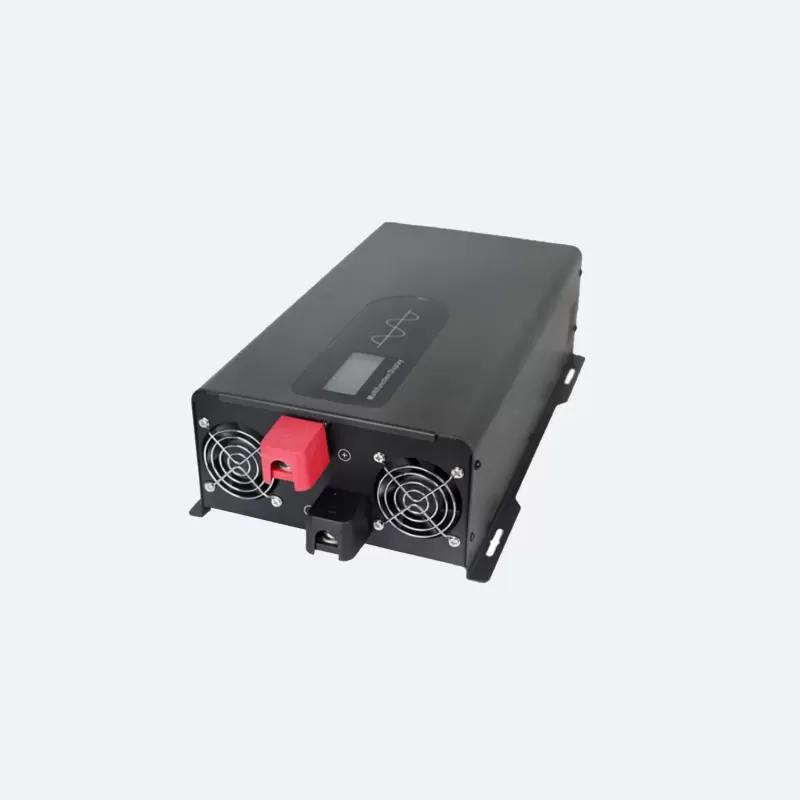
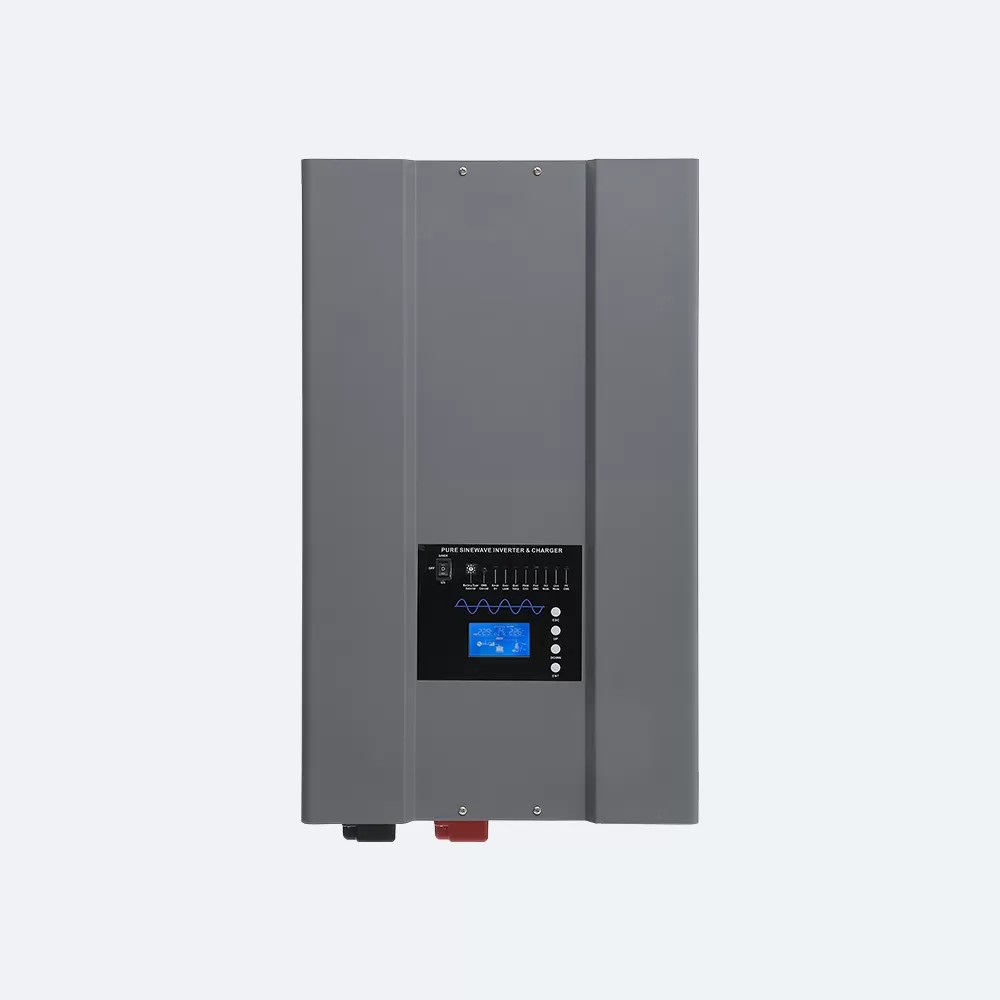
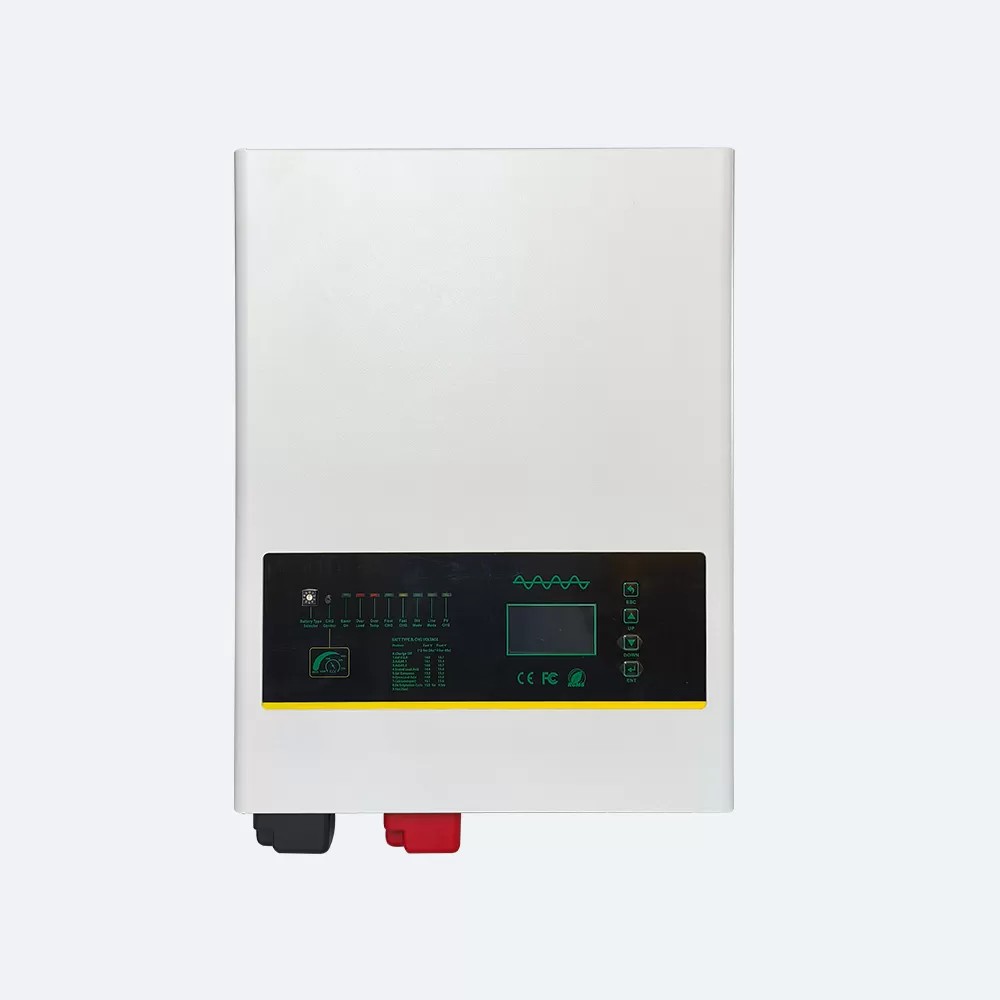
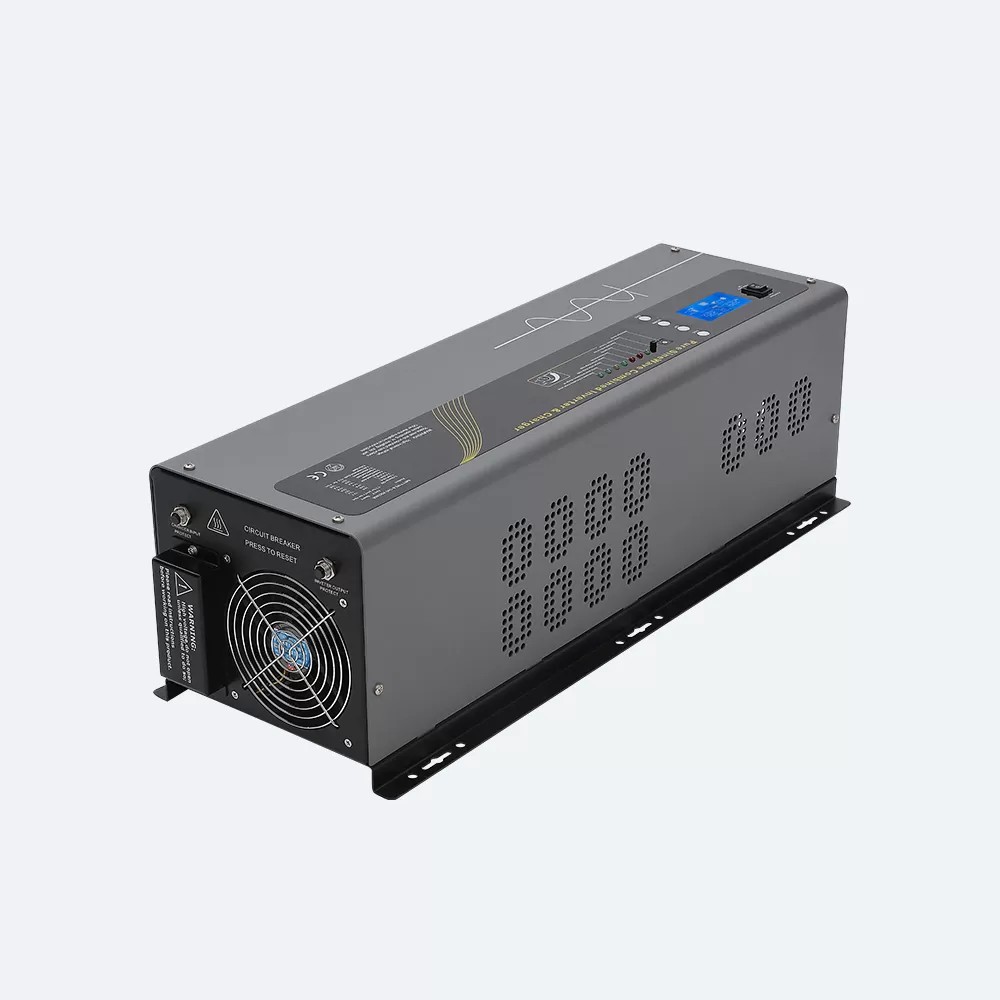
Low-frequency pure sine wave inverters are devices that convert direct current (DC) from a battery or solar panel into alternating current (AC) that can be used to power household appliances and other electronic devices. Unlike modified sine wave inverters, which produce a stepped waveform, pure sine wave inverters generate a smooth, high-quality AC output that is suitable for sensitive electronics.
Key Features
High Efficiency: Pure sine wave inverters typically have an efficiency rate of over 90%.Reliability: They provide a stable and consistent power supply, reducing the risk of damage to connected devices.
Compatibility: They can power a wide range of devices, including medical equipment, computers, and audio systems.
Market Trends and Growth
The global market for low-frequency pure sine wave inverters is expected to grow significantly in the coming years. According to a report by MarketsandMarkets, the inverter market size is projected to reach $34.5 billion by 2026, with a CAGR of 7.1% from 2021 to 2026.
Driving Factors
Renewable Energy Adoption:
The increasing use of solar and wind energy has driven the demand for inverters that can efficiently convert DC to AC.Case Study: In Germany, the government's Energiewende (energy transition) policy has led to a significant increase in the installation of solar panels, with over 1.5 million photovoltaic systems installed as of 2021. This has created a strong market for high-quality inverters.
Off-Grid Applications:
Remote areas and developing regions often lack access to reliable grid power, making off-grid solutions essential.Case Study: In rural India, the government's Saubhagya scheme aims to provide electricity to all households by 2022. Many of these installations rely on solar-powered systems with pure sine wave inverters to ensure a stable power supply.
Consumer Awareness:
There is a growing awareness among consumers about the benefits of using pure sine wave inverters, particularly for powering sensitive electronics.Case Study: A survey conducted by a leading inverter manufacturer found that 80% of respondents preferred pure sine wave inverters over modified sine wave inverters due to their superior performance and reliability.
Technological Advancements
Advancements in inverter technology are continuously improving the performance and efficiency of low-frequency pure sine wave inverters.
Key Innovations
Smart Inverters:
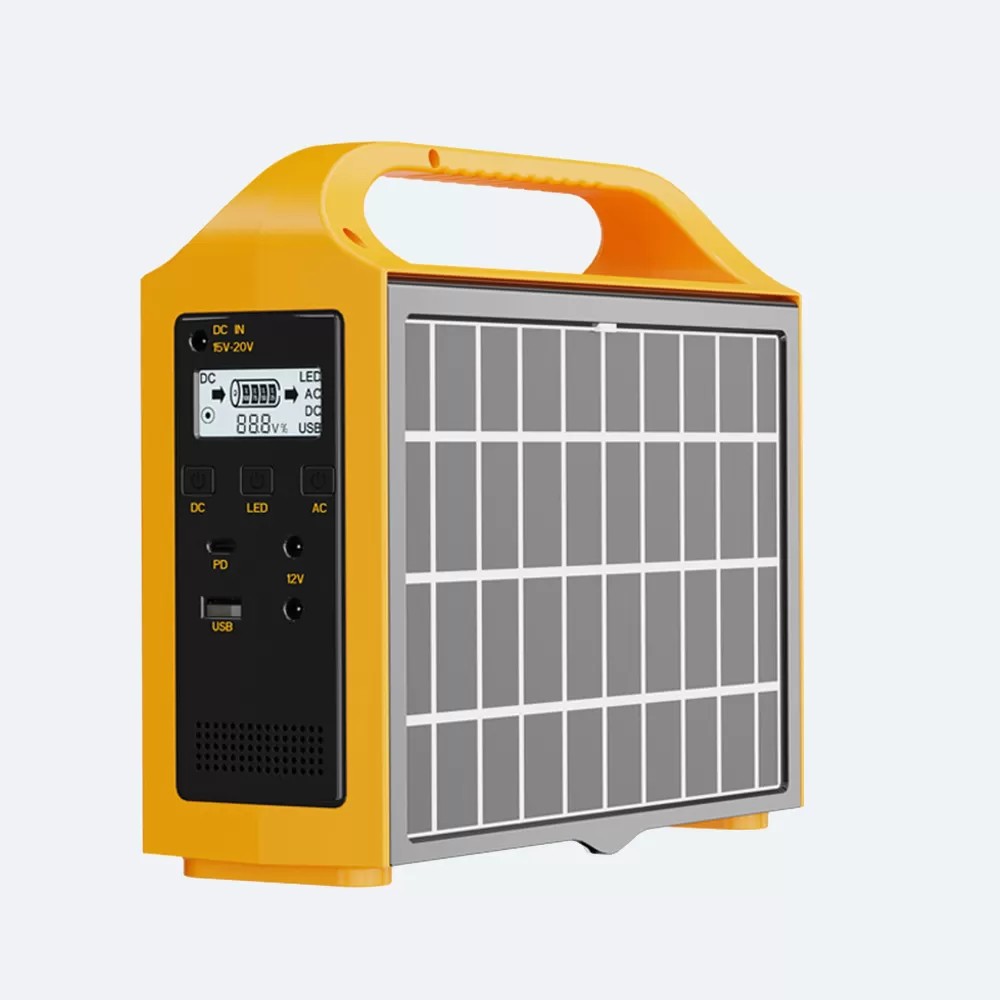
Practical Tip: Consider investing in a smart inverter if you want to monitor and manage your power usage more effectively. Look for models that offer mobile app integration and real-time data analytics.
Energy Storage Integration:
The integration of energy storage systems (ESS) with inverters allows for better energy management and increased self-consumption of renewable energy.Practical Tip: When choosing an inverter, opt for models that support energy storage. This will enable you to store excess energy generated during the day and use it during peak hours or when the grid is down.
Modular Design:
Modular inverters allow for easy scalability and maintenance, making them ideal for both residential and commercial applications.Practical Tip: If you anticipate future expansion or changes in your power requirements, consider a modular inverter. These systems can be easily upgraded or expanded without the need for a complete replacement.
Challenges and Solutions
Despite the numerous benefits, there are several challenges that need to be addressed to fully realize the potential of low-frequency pure sine wave inverters.
Key Challenges
Cost:
Pure sine wave inverters are generally more expensive than modified sine wave inverters, which can be a barrier to adoption for some consumers.Solution: While the initial cost may be higher, the long-term savings in terms of energy efficiency and reduced maintenance costs make pure sine wave inverters a worthwhile investment. Additionally, many governments offer incentives and rebates for the purchase of energy-efficient devices.
Installation Complexity:
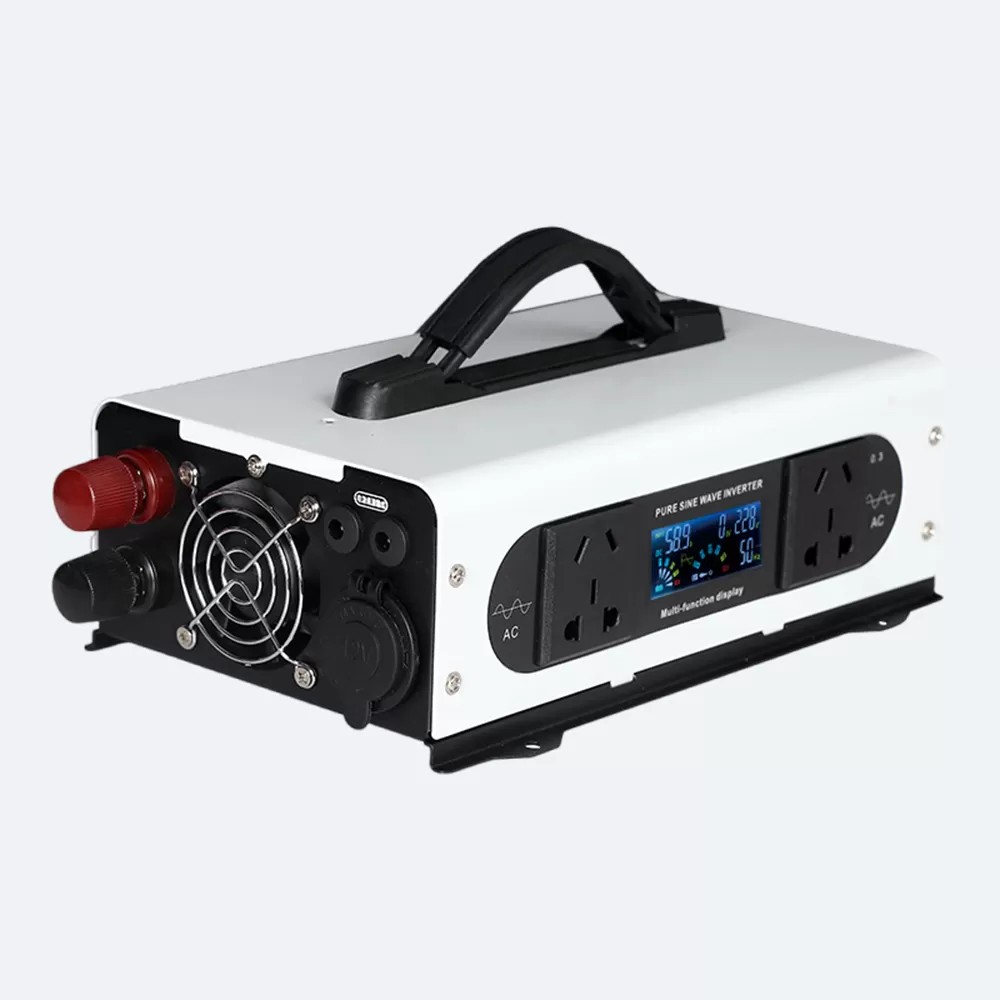
Solution: It is recommended to consult with a professional installer to ensure that the inverter is set up correctly. Many manufacturers also offer detailed installation guides and customer support to assist with the process.
Regulatory Compliance:
Different countries have varying regulations and standards for inverter installations, which can complicate the deployment of new systems.Solution: Stay informed about local regulations and choose inverters that are certified and compliant with relevant standards. Working with a reputable supplier can also help ensure that all regulatory requirements are met.
Conclusion
The future of low-frequency pure sine wave inverters looks promising, with a growing market, technological advancements, and increasing consumer awareness. By understanding the key trends, challenges, and solutions, you can make informed decisions about adopting this technology. Whether you are looking to power your home, business, or off-grid application, a low-frequency pure sine wave inverter is a reliable and efficient choice.
As we move towards 2026, the continued innovation and improvement in inverter technology will only enhance their performance and accessibility, making them an indispensable part of our energy infrastructure.