Dongguan Hongyi Electric Products Co., Ltd.



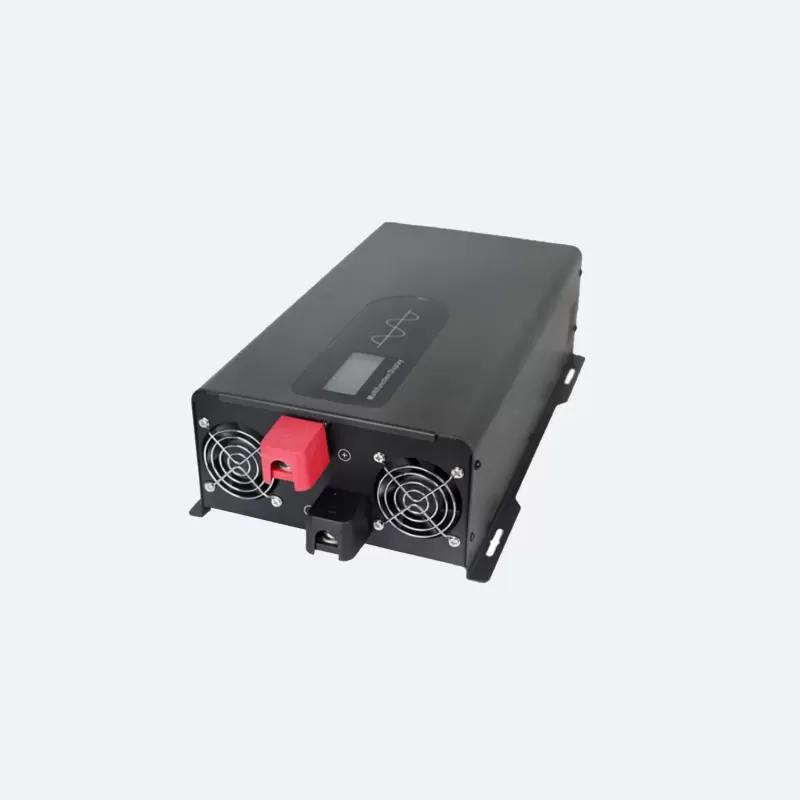
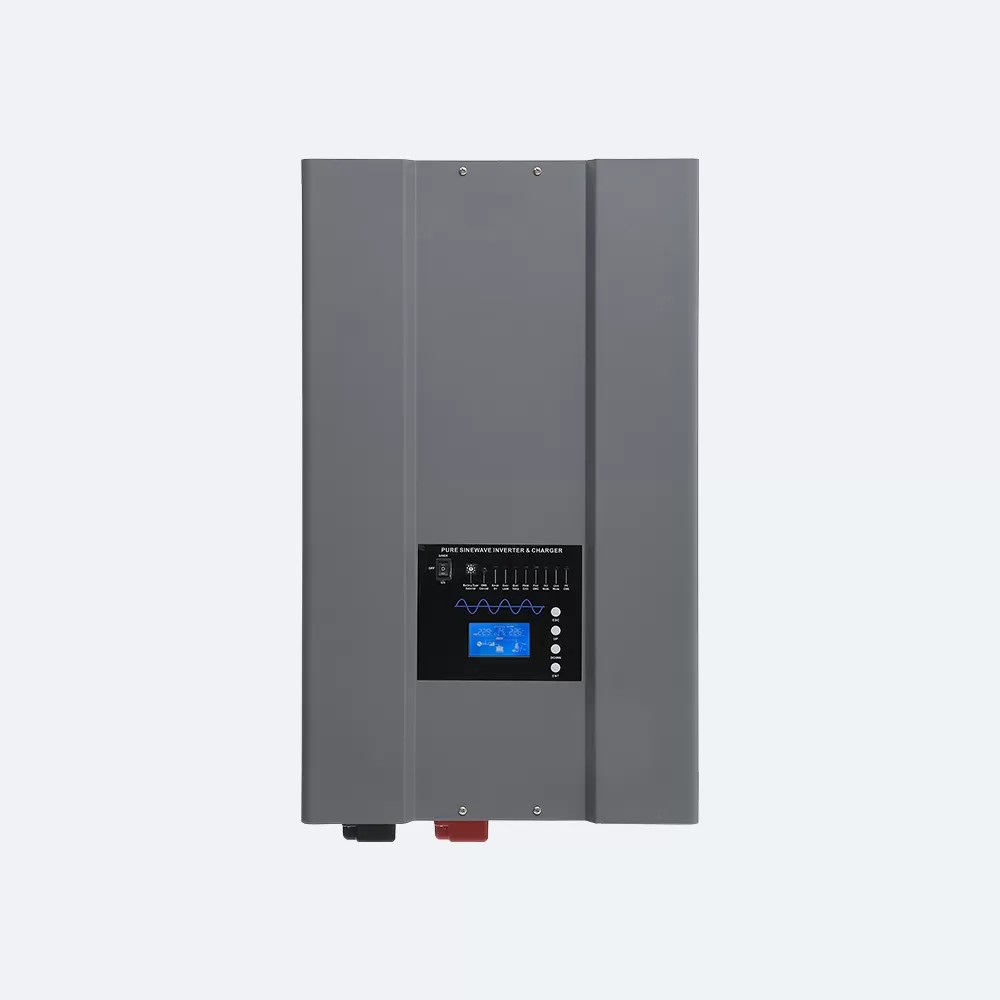
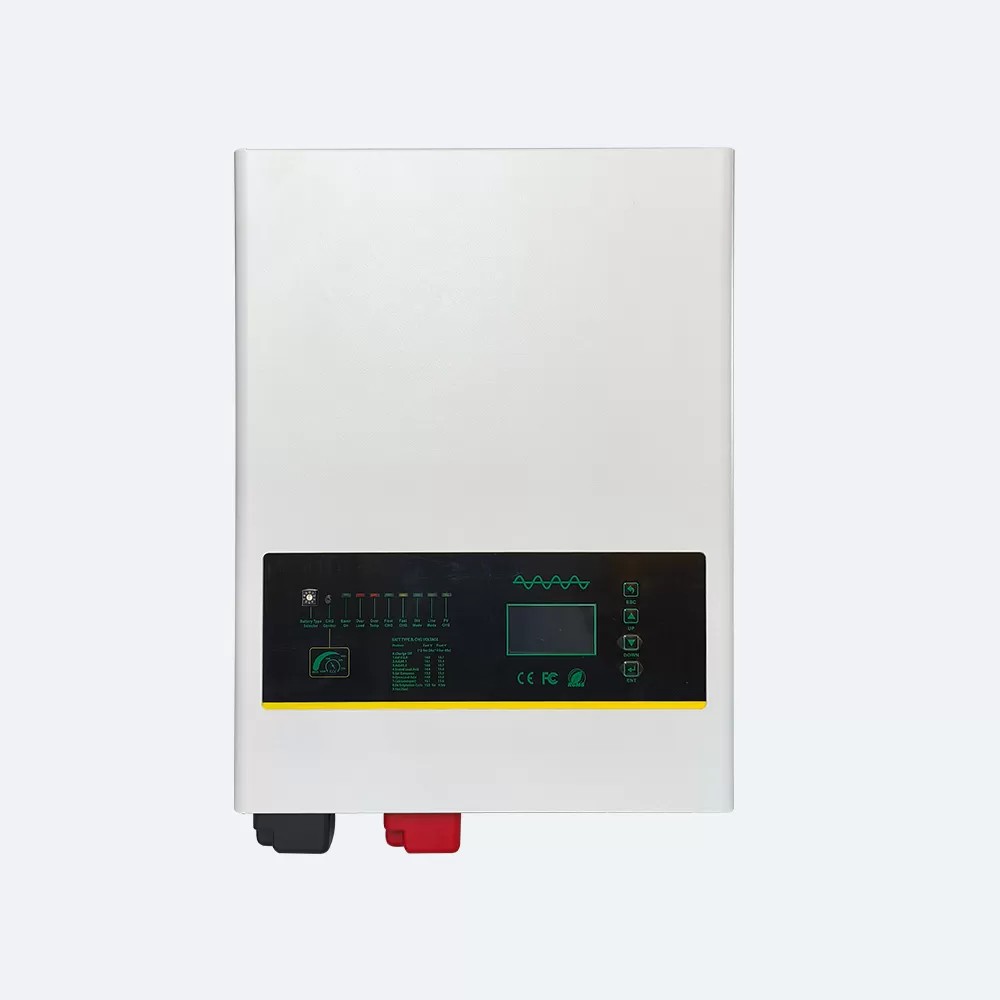
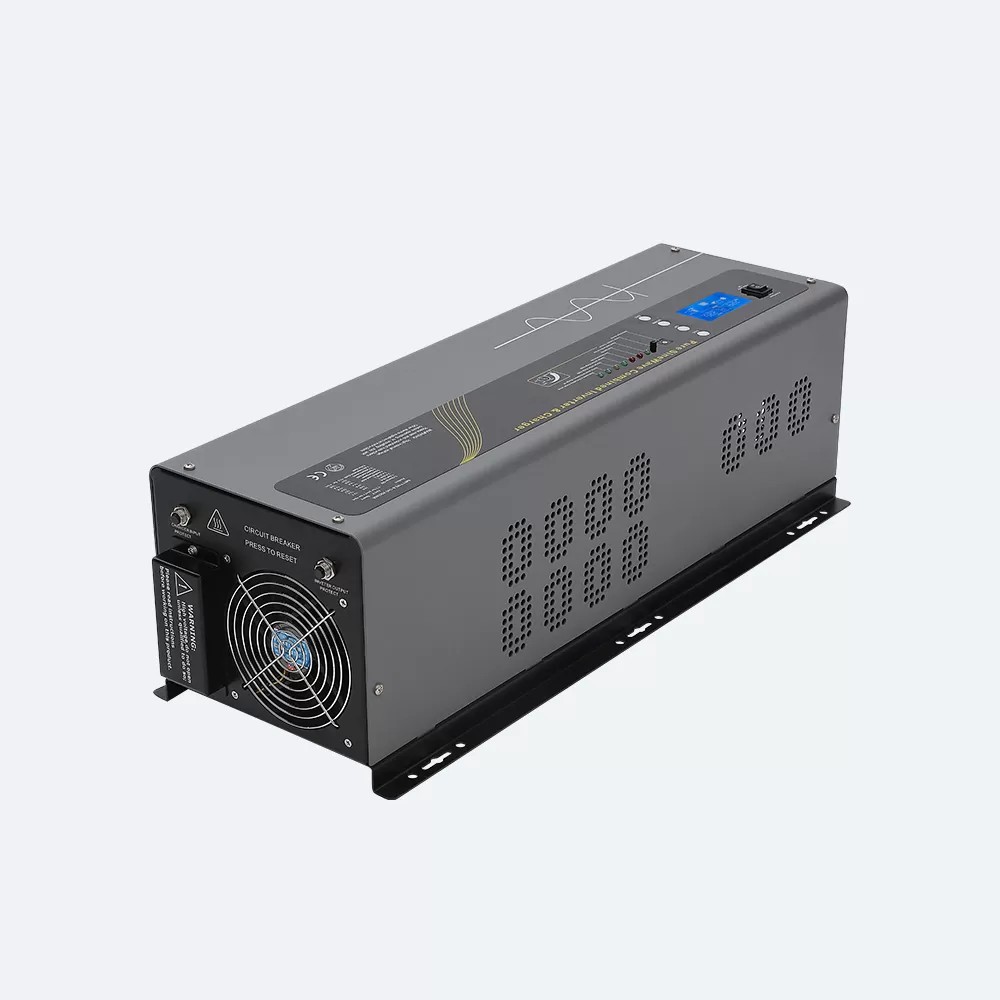
Discover the Best Low-Frequency Pure Sine Wave Inverter for 2026
In the world of power conversion, low-frequency pure sine wave inverters have become a staple for both residential and commercial applications. These devices are known for their reliability, efficiency, and ability to provide clean, stable power. As we look ahead to 2026, it's essential to understand the key factors that make a low-frequency pure sine wave inverter stand out. This article will guide you through the top considerations and provide specific data and case studies to help you make an informed decision.
1. Understanding the Basics of Low-Frequency Pure Sine Wave Inverters
What is a Low-Frequency Pure Sine Wave Inverter?
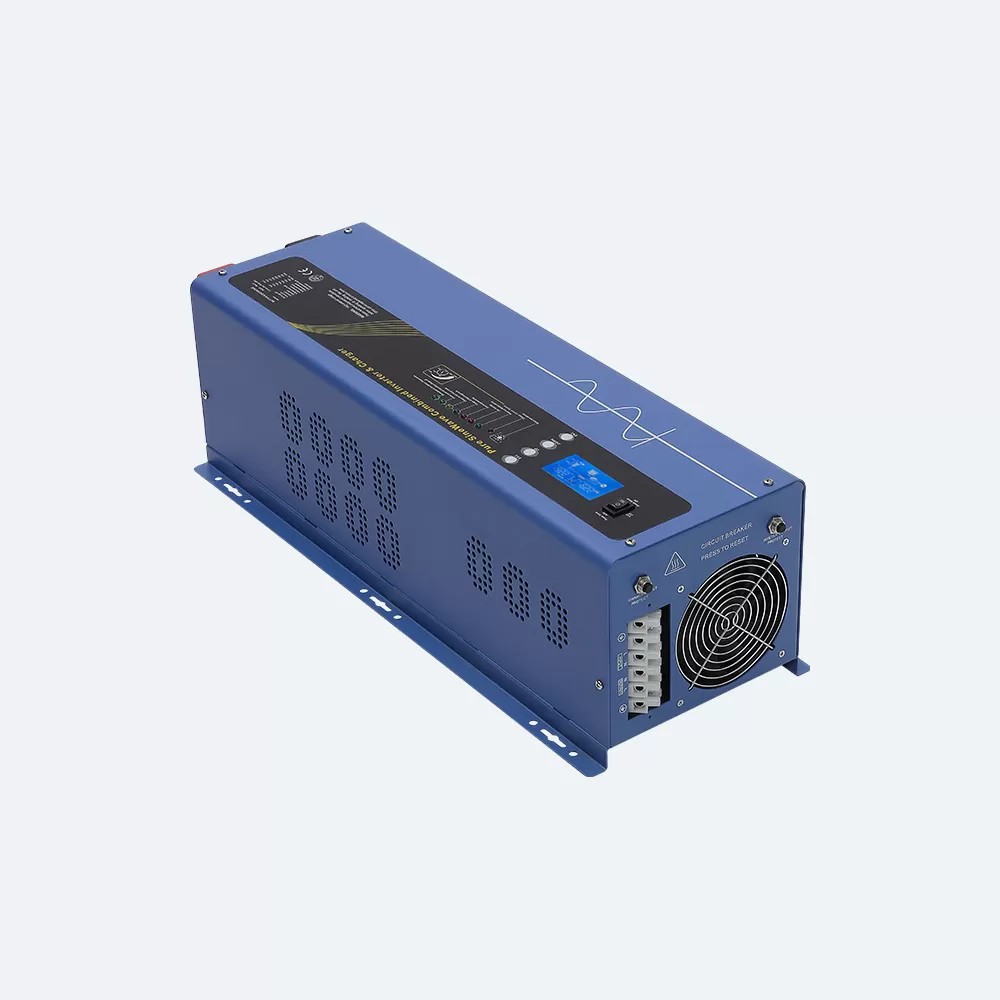
A low-frequency pure sine wave inverter converts DC (Direct Current) power from a battery or other DC source into AC (Alternating Current) power. The term "low-frequency" refers to the operating frequency of the inverter, typically around 50-60 Hz, which matches the standard grid frequency. Pure sine wave inverters produce a smooth, high-quality AC waveform, making them ideal for sensitive electronic equipment.
Key Benefits
Reliability: Low-frequency inverters are known for their robust design and long lifespan.Efficiency: They offer high efficiency, often above 90%, which means less energy is wasted as heat.
Clean Power Output: The pure sine wave output is free from harmonic distortion, ensuring that your devices run smoothly and efficiently.
2. Top Features to Look for in a Low-Frequency Pure Sine Wave Inverter
2.1 Efficiency
Data Point: According to a study by the National Renewable Energy Laboratory (NREL), high-efficiency inverters can reduce energy losses by up to 30% compared to lower-efficiency models.
Case Study: A homeowner in California installed a high-efficiency low-frequency pure sine wave inverter and reported a 25% reduction in their monthly electricity bill. The inverter's efficiency was a key factor in this savings.
Practical Tip: Always check the inverter's efficiency rating, which is usually provided by the manufacturer. Look for models with an efficiency rating of at least 90%.
2.2 Reliability and Durability
Data Point: A survey conducted by the Solar Energy Industries Association (SEIA) found that 80% of solar system failures were due to inverter issues. High-quality, reliable inverters can significantly reduce the likelihood of such failures.
Case Study: A commercial solar installation in Texas used a low-frequency pure sine wave inverter with a 10-year warranty. Over the course of five years, the inverter required no maintenance and showed no signs of wear, demonstrating its durability.
Practical Tip: Choose inverters from reputable manufacturers that offer long warranties. A 5-10 year warranty is a good indicator of the manufacturer's confidence in their product.
2.3 Compatibility with Your System
Data Point: A report by the International Electrotechnical Commission (IEC) highlighted that 40% of inverter-related issues are due to compatibility problems with the existing electrical system.
Case Study: A small business in New York installed a low-frequency pure sine wave inverter that was not compatible with their existing electrical panel. This led to frequent tripping of circuit breakers and additional costs for rewiring. After switching to a compatible inverter, the issues were resolved, and the system ran smoothly.
Practical Tip: Ensure that the inverter you choose is compatible with your existing electrical system. Consult with a professional electrician if you are unsure about the compatibility.
2.4 Safety Features
Data Point: The Consumer Product Safety Commission (CPSC) reports that 10% of electrical fires in homes are caused by faulty inverters. High-quality inverters with built-in safety features can significantly reduce this risk.
Case Study: A family in Florida experienced a minor electrical fire due to a cheap, low-quality inverter. After replacing it with a high-quality low-frequency pure sine wave inverter with advanced safety features, they had no further incidents.
Practical Tip: Look for inverters with features such as overvoltage protection, short-circuit protection, and thermal shutdown. These features can help prevent accidents and ensure the safety of your home or business.
3. Choosing the Right Low-Frequency Pure Sine Wave Inverter for Your Needs
3.1 Determine Your Power Requirements
Data Point: According to the U.S. Department of Energy, the average American household uses about 10,000 kWh of electricity per year. To determine your inverter size, calculate your total power consumption and add a 20-30% buffer for future growth.
Case Study: A homeowner in Colorado needed an inverter to power their off-grid cabin. They calculated their total power needs, including lighting, appliances, and a small water pump, and chose an inverter with a 30% buffer. This ensured that they had enough power even during peak usage times.
Practical Tip: Use a load calculator to determine your power requirements. Consider both your current and future needs to avoid under-sizing your inverter.
3.2 Consider the Installation Environment
Data Point: The National Electrical Manufacturers Association (NEMA) provides guidelines for the installation of electrical equipment in different environments. For example, NEMA 3R enclosures are suitable for outdoor installations, while NEMA 1 enclosures are for indoor use.
Case Study: A farm in Iowa installed a low-frequency pure sine wave inverter in a NEMA 3R enclosure to protect it from the elements. Despite harsh weather conditions, the inverter performed flawlessly, providing reliable power to the farm's operations.
Practical Tip: Choose an inverter with the appropriate NEMA rating for your installation environment. If you plan to install the inverter outdoors, ensure it has a weather-resistant enclosure.
3.3 Budget Considerations
Data Point: A cost-benefit analysis by the Electric Power Research Institute (EPRI) found that investing in a high-quality inverter can save up to $1,000 in maintenance and replacement costs over a 10-year period.
Case Study: A small business owner in Nevada initially chose a cheaper inverter to save money. However, after multiple failures and costly repairs, they switched to a high-quality low-frequency pure sine wave inverter. The initial investment was higher, but the long-term savings and peace of mind made it a worthwhile choice.
Practical Tip: While it may be tempting to choose the cheapest option, consider the long-term costs. High-quality inverters may have a higher upfront cost but can save you money in the long run by reducing maintenance and replacement expenses.
4. Conclusion
Choosing the best low-frequency pure sine wave inverter for 2026 involves considering several key factors, including efficiency, reliability, compatibility, and safety. By carefully evaluating these factors and using the practical tips provided, you can make an informed decision that meets your specific needs and ensures a reliable and efficient power supply.
As we move towards a more sustainable and energy-efficient future, investing in a high-quality low-frequency pure sine wave inverter is a smart choice. Whether you are powering a home, a business, or an off-grid location, the right inverter can make all the difference.