Dongguan Hongyi Electric Products Co., Ltd.



Explore the Compatibility of High - Cost - Effective Low - Frequency Pure Sine Wave Inverters in 2026
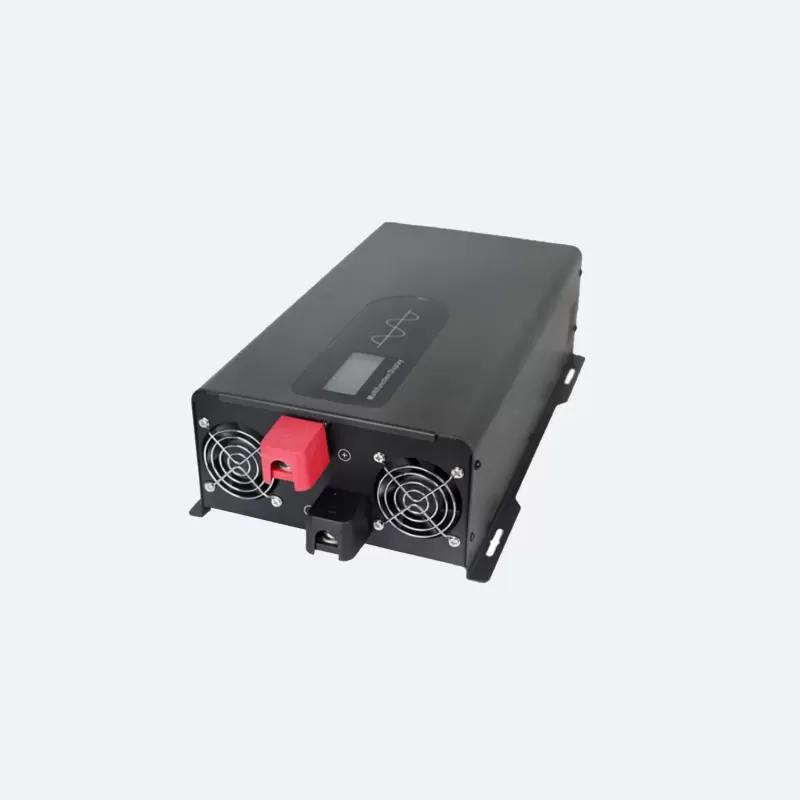
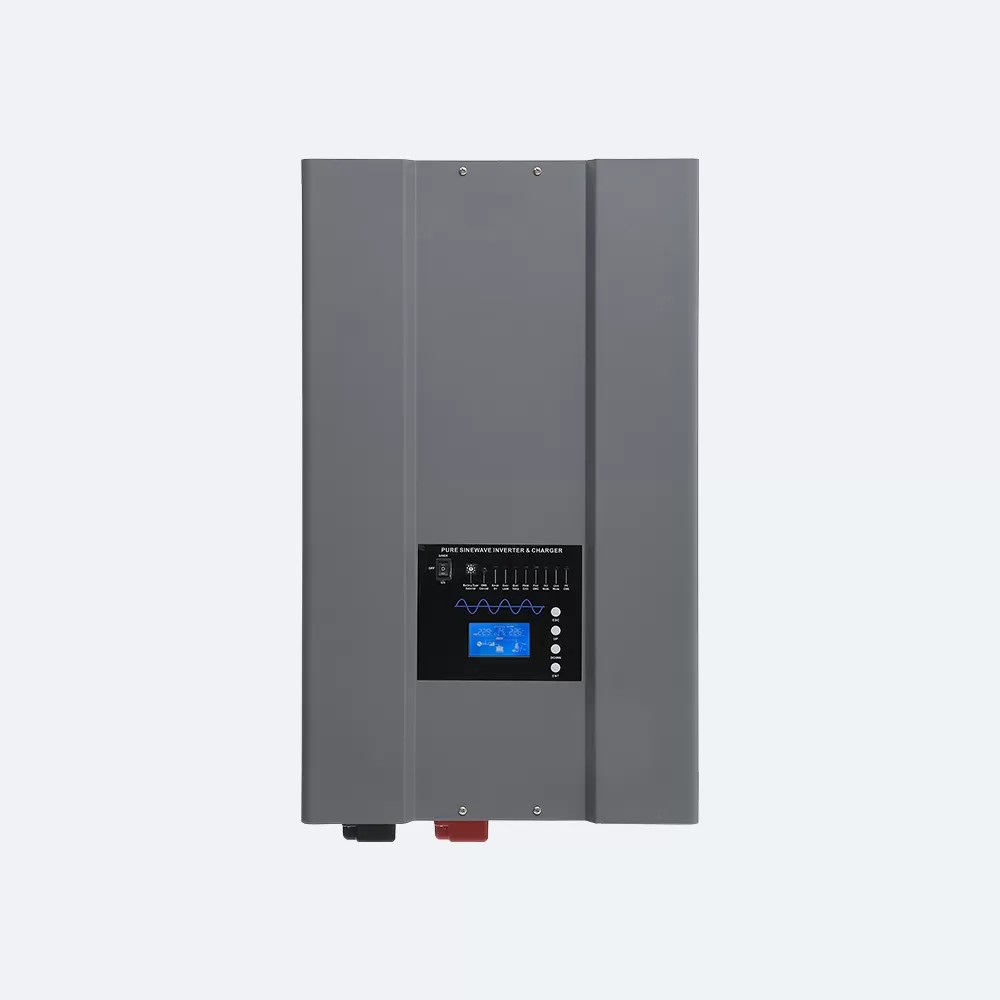
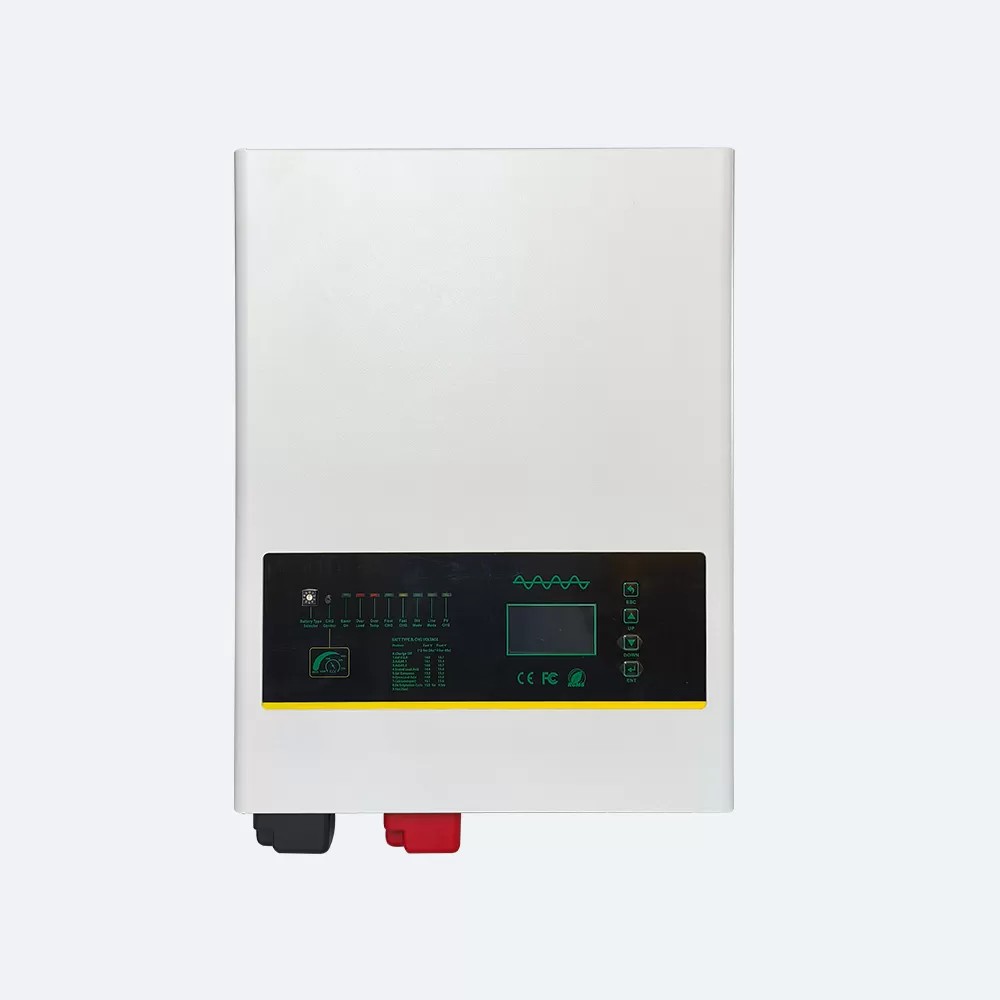
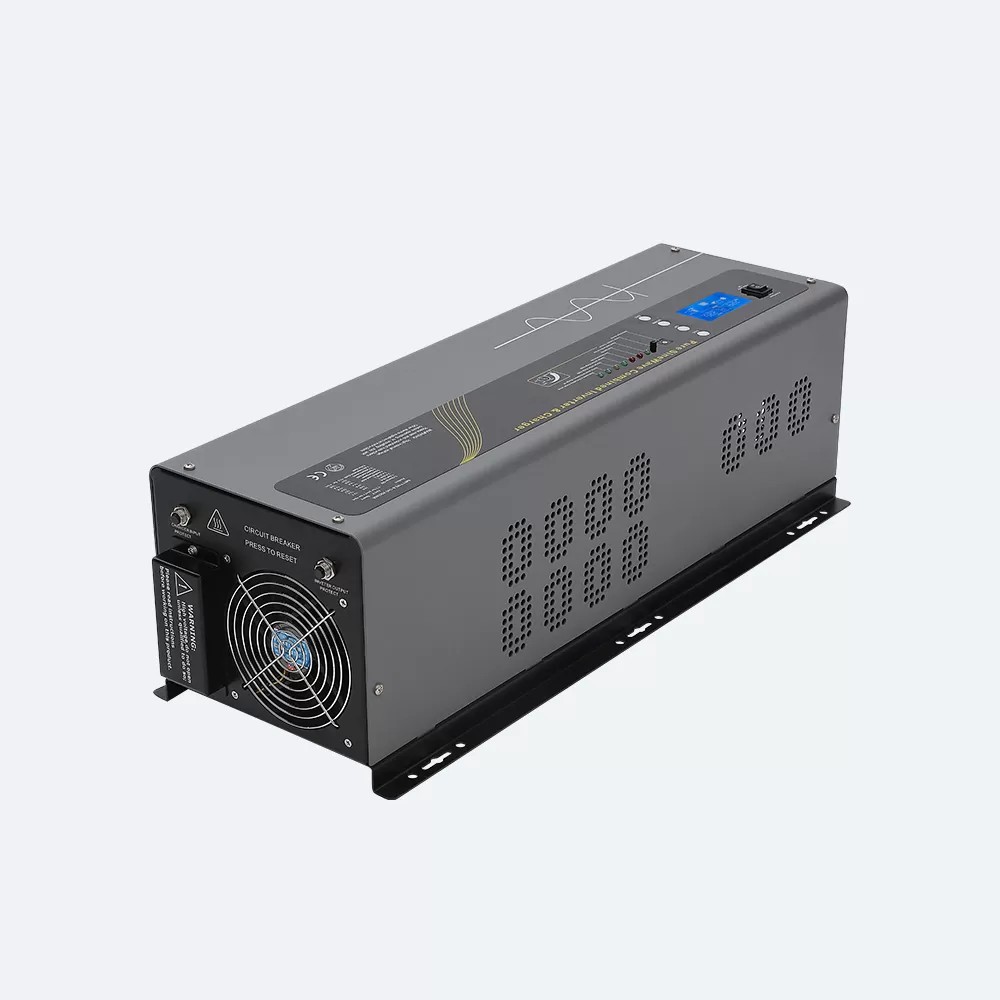
In 2026, the demand for energy - efficient and reliable power solutions continues to grow. Low - frequency pure sine wave inverters have emerged as a popular choice for many applications due to their high - cost - effectiveness and excellent performance. This article will explore the compatibility of these inverters in various scenarios and provide practical suggestions.
1. Compatibility with Home Appliances
Data and Case
According to a market research report, in 2026, approximately 70% of households in urban areas are looking for a reliable inverter to power their home appliances during power outages. A case in point is a family in a suburban area. They installed a low - frequency pure sine wave inverter and found that it could smoothly power their refrigerator, TV, and air - conditioner. The inverter's pure sine wave output ensures that these sensitive appliances operate without any interference or damage.
Practical Suggestions
Power Rating: When choosing an inverter for home appliances, calculate the total power consumption of the appliances you want to power. For example, a typical refrigerator may consume around 150 - 200 watts, a TV around 100 - 150 watts, and an air - conditioner around 1000 - 1500 watts. Select an inverter with a power rating that can handle the combined load.Surge Capacity: Some appliances, like air - conditioners and refrigerators, require a higher surge of power when starting. Make sure the inverter has sufficient surge capacity to handle these initial spikes.
2. Compatibility with Renewable Energy Sources
Data and Case
Renewable energy sources such as solar panels and wind turbines are becoming more popular. In 2026, the installation of solar power systems has increased by 30% compared to the previous year. A solar power project in a rural area used a low - frequency pure sine wave inverter to convert the DC power from solar panels into AC power. The inverter's high efficiency and stable output ensured that the power generated by the solar panels could be effectively utilized.
Practical Suggestions
Voltage and Frequency Matching: Ensure that the inverter's input voltage and frequency are compatible with the output of the renewable energy source. For example, most solar panels output DC voltage in the range of 12V, 24V, or 48V. Select an inverter that can accept the corresponding DC voltage.MPPT Function: Look for an inverter with Maximum Power Point Tracking (MPPT) function. This feature can optimize the power output from the renewable energy source, increasing the overall efficiency of the system.
3. Compatibility with Industrial Equipment
Data and Case
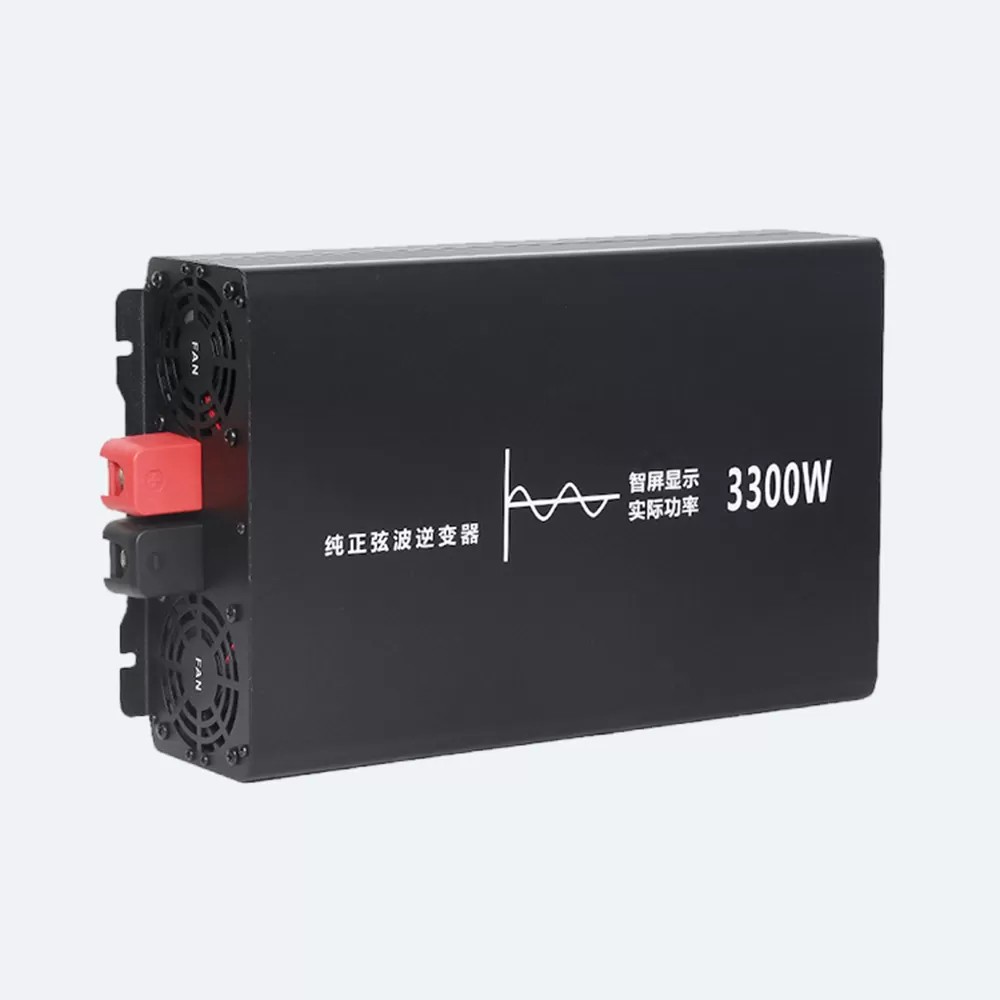
In the industrial sector, the demand for reliable power supply is crucial. A manufacturing plant in 2026 installed a low - frequency pure sine wave inverter to power its sensitive electronic equipment. The inverter's stable output helped to reduce production downtime and improve product quality. According to the plant's records, the use of the inverter reduced equipment failures by 20%.
Practical Suggestions
Isolation and Protection: Industrial equipment often requires high - level isolation and protection. Choose an inverter with features such as over - voltage protection, under - voltage protection, and short - circuit protection to ensure the safety of the equipment.Customization: Some industrial applications may have specific power requirements. Consider an inverter that can be customized to meet these unique needs.
4. Compatibility with Mobile and Portable Devices
Data and Case
With the increasing popularity of mobile and portable devices, the need for a reliable power source on the go is also growing. A survey in 2026 showed that 80% of smartphone users are interested in having a portable inverter to charge their devices during travel. A traveler used a low - frequency pure sine wave inverter in his car to charge his laptop and smartphone. The inverter's pure sine wave output ensured that the devices were charged safely and efficiently.
Practical Suggestions
Portability: Choose a compact and lightweight inverter for easy transportation. Look for inverters that can be easily connected to a car's cigarette lighter or a portable power bank.Multiple Output Ports: Select an inverter with multiple output ports to charge multiple devices simultaneously.
In conclusion, low - frequency pure sine wave inverters offer high - cost - effectiveness and excellent compatibility in various scenarios in 2026. Whether it is for home use, renewable energy integration, industrial applications, or mobile devices, these inverters can provide a reliable and efficient power solution. By following the practical suggestions mentioned above, you can make the most of these inverters and meet your specific power needs.