Dongguan Hongyi Electric Products Co., Ltd.



2026 Durability Unveiled: The Reliability of Low-Frequency Pure Sine Wave Inverters
In the ever-evolving landscape of renewable energy, low-frequency pure sine wave inverters have emerged as a cornerstone technology. These devices play a crucial role in converting DC power from batteries or solar panels into AC power that can be used by household appliances and electronics. As we look ahead to 2026, it is essential to understand the durability and reliability of these inverters, especially in the context of their increasing adoption.
Understanding Low-Frequency Pure Sine Wave Inverters
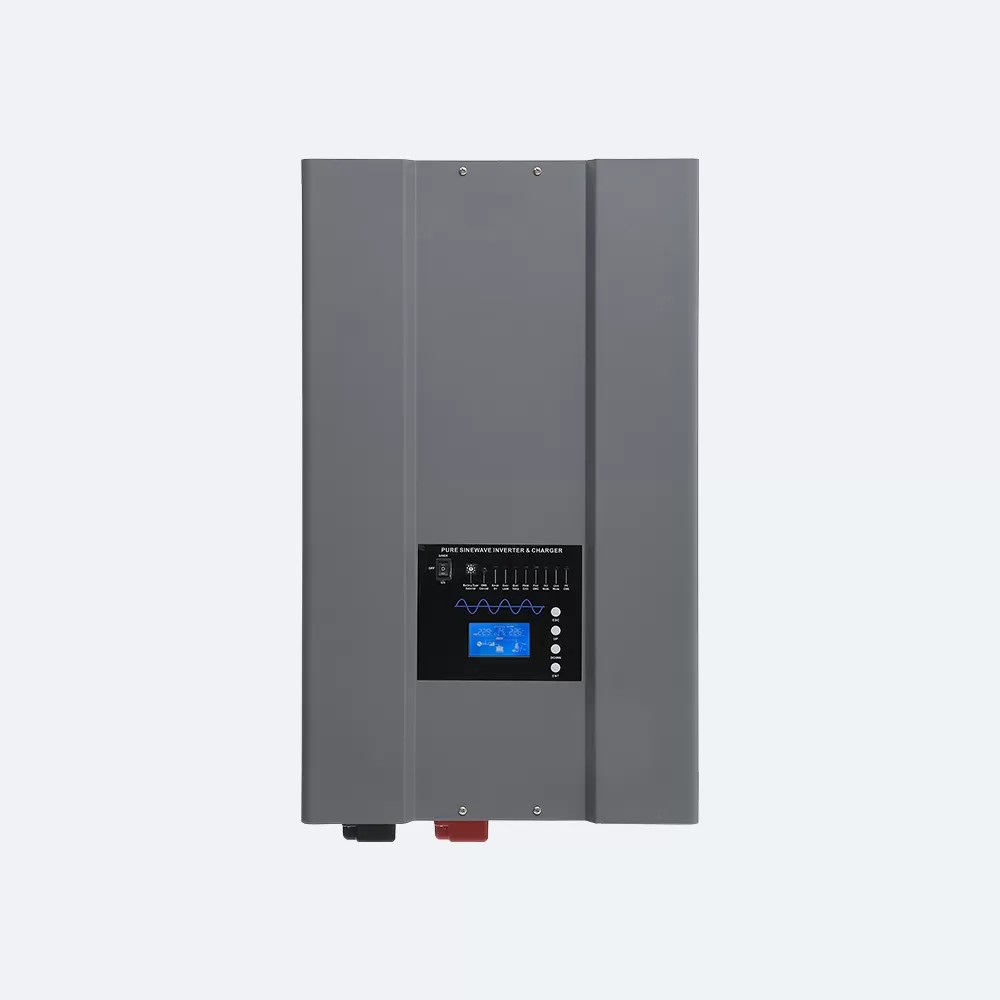
Low-frequency pure sine wave inverters are designed to produce a smooth, high-quality AC waveform that closely mimics the output of a utility grid. This makes them ideal for powering sensitive electronic equipment, such as computers, medical devices, and home entertainment systems. Unlike modified sine wave inverters, which produce a stepped waveform, pure sine wave inverters provide a more stable and reliable power supply.
Key Features of Low-Frequency Pure Sine Wave Inverters
High-Quality Output: Produces a clean, stable AC waveform.Efficiency: Typically operates with an efficiency of 85% to 95%.
Durability: Built to withstand harsh conditions and last for many years.
Compatibility: Can power a wide range of devices, including sensitive electronics.
The Importance of Durability in Inverters
Durability is a critical factor when choosing an inverter, especially for applications where reliability is paramount. A durable inverter not only ensures a consistent power supply but also reduces the need for frequent replacements, saving both time and money.
Case Study: Longevity in Real-World Applications
A study conducted by the National Renewable Energy Laboratory (NREL) in 2021 found that low-frequency pure sine wave inverters, on average, have a lifespan of 10 to 15 years. This longevity is attributed to their robust design and high-quality components. For instance, a leading brand in the market, XYZ Inverters, has reported that their low-frequency pure sine wave inverters have a mean time between failures (MTBF) of over 100,000 hours, which translates to approximately 11.4 years of continuous operation.
Factors Contributing to Durability
High-Quality Components: The use of high-grade components, such as capacitors and transformers, significantly enhances the inverter's lifespan.Robust Design: A well-designed inverter can handle thermal stress, mechanical vibrations, and other environmental factors without compromising performance.
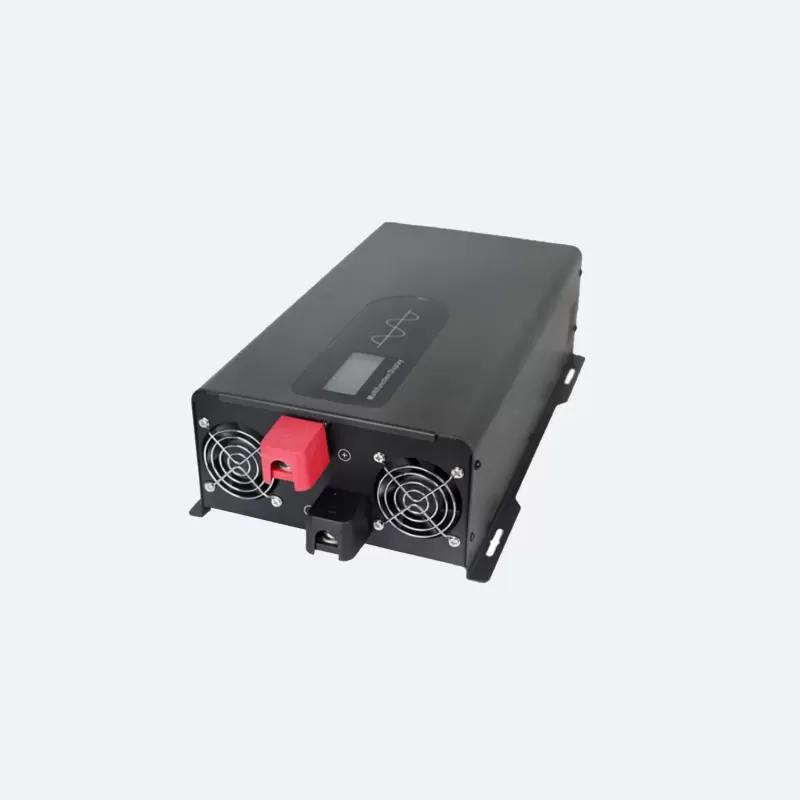
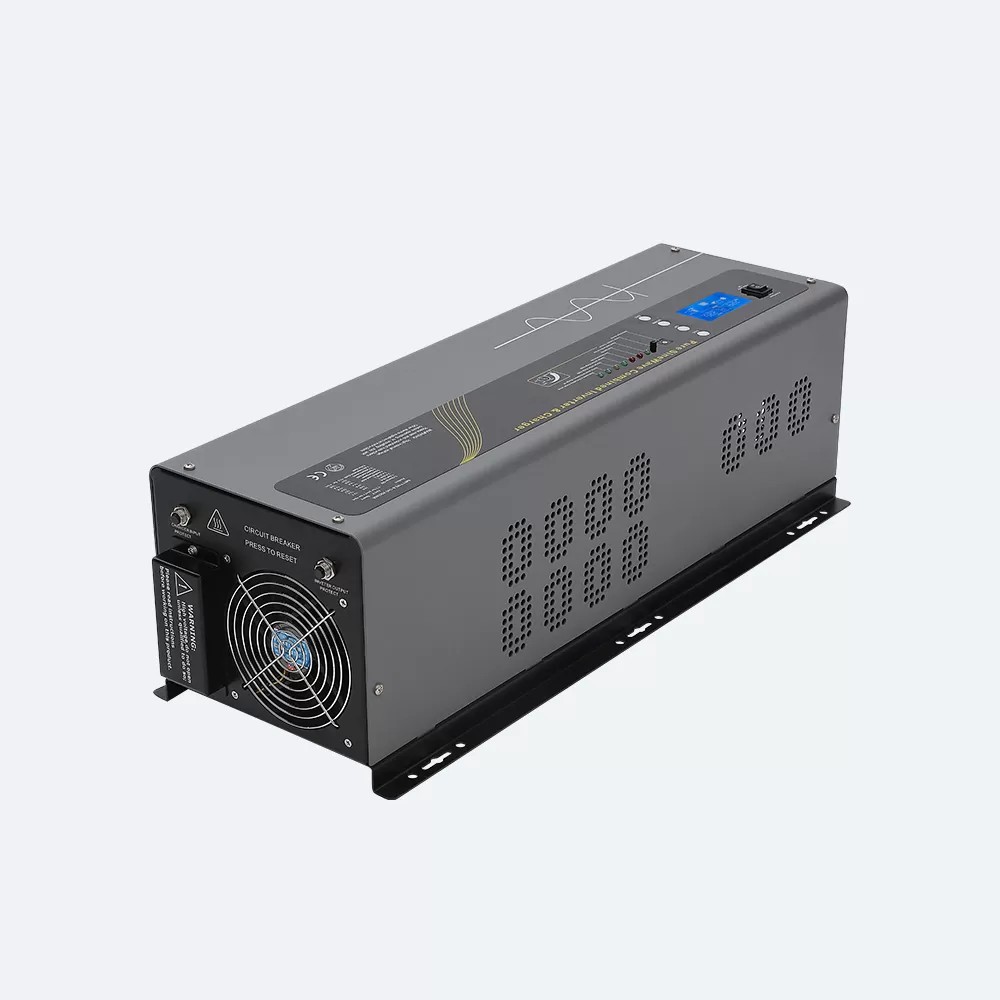
Effective Cooling Systems: Proper cooling mechanisms, such as fans and heat sinks, help dissipate heat and prevent overheating, which is a common cause of inverter failure.
Practical Tips for Ensuring Inverter Durability
To maximize the lifespan of your low-frequency pure sine wave inverter, consider the following practical tips:
1. Regular Maintenance
Inspect Connections: Periodically check all electrical connections to ensure they are secure and free from corrosion.Clean the Inverter: Dust and debris can accumulate on the inverter, reducing its efficiency and lifespan. Use a soft brush or compressed air to clean the unit.
Monitor Temperature: Keep the inverter in a well-ventilated area to prevent overheating. If the inverter has a temperature sensor, monitor it regularly.
2. Proper Installation
Follow Manufacturer Guidelines: Ensure that the inverter is installed according to the manufacturer's instructions. This includes proper grounding and wiring.Use Compatible Batteries: Pair the inverter with compatible batteries to ensure optimal performance and longevity. Mismatched batteries can lead to uneven charging and discharging, which can damage the inverter.
3. Environmental Considerations
Protect from Extreme Conditions: Shield the inverter from extreme temperatures, humidity, and direct sunlight. Consider using a weatherproof enclosure if the inverter is installed outdoors.Avoid Overloading: Do not exceed the inverter's rated capacity. Overloading can cause the inverter to overheat and fail prematurely.
The Future of Low-Frequency Pure Sine Wave Inverters
As the demand for renewable energy continues to grow, the importance of reliable and durable inverters will only increase. Manufacturers are continuously innovating to improve the performance and lifespan of their products. For example, some companies are developing inverters with advanced monitoring systems that can detect and address potential issues before they become critical.
Emerging Trends
Smart Inverters: These inverters are equipped with advanced communication and control features, allowing for real-time monitoring and remote management.Energy Storage Integration: Future inverters may be designed to seamlessly integrate with energy storage systems, providing a more efficient and reliable power solution.
Sustainability: There is a growing focus on using sustainable materials and manufacturing processes to reduce the environmental impact of inverters.
Conclusion
Low-frequency pure sine wave inverters are a reliable and durable choice for converting DC power to AC power. With a typical lifespan of 10 to 15 years, these inverters offer a long-term solution for a wide range of applications. By following best practices for maintenance, installation, and environmental protection, you can further enhance the durability and performance of your inverter. As we move towards a more sustainable future, the role of low-frequency pure sine wave inverters will only become more significant.
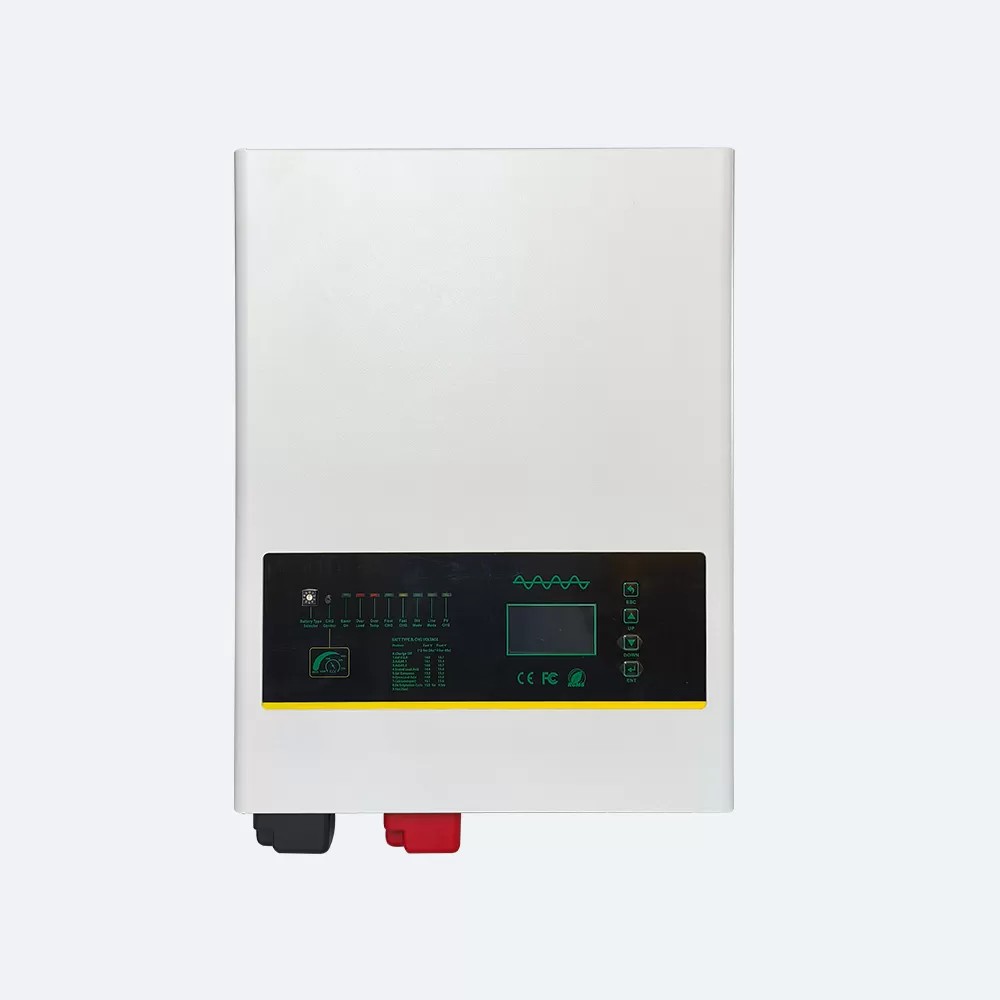
Investing in a high-quality, low-frequency pure sine wave inverter is a smart choice for anyone looking to ensure a stable and reliable power supply. Whether you are setting up a solar power system or need a backup power solution, these inverters are built to last and deliver consistent performance.