Dongguan Hongyi Electric Products Co., Ltd.



Stability Matters: Unveiling the Secrets of Professional Low-Frequency Pure Sine Wave Inverters in 2026
In 2026, the professional low-frequency pure sine wave inverter remains the preferred choice for critical backup and off-grid power due to its unparalleled stability. Here’s a breakdown of what makes it stable and how to select the right one.
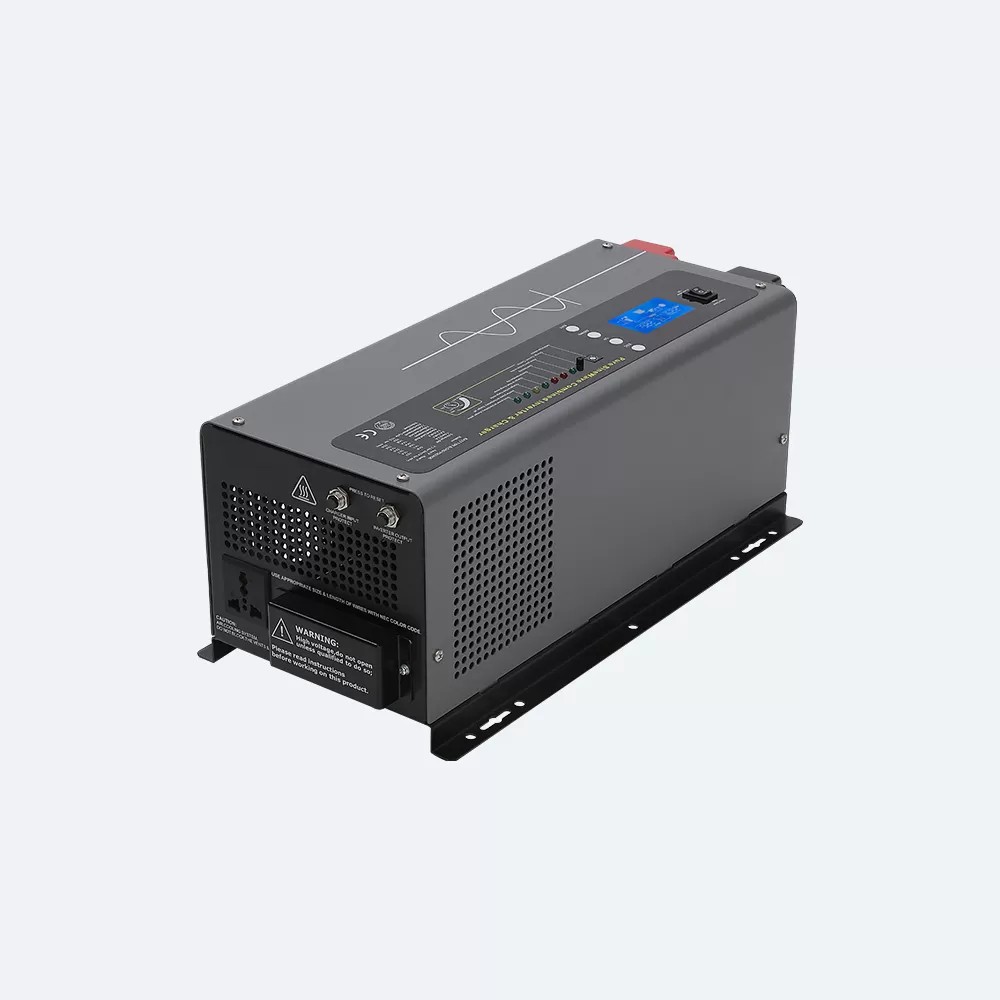
💡 Why LF Pure Sine Wave for Stability?
Superior Waveform Quality: It replicates the utility grid's smooth sine wave with a Total Harmonic Distortion (THD) of less than 3%, ensuring safe operation for sensitive electronics like medical devices, servers, and variable-speed motors .Robust Low-Frequency Transformer: Its 50/60 Hz heavy-gauge transformer provides high surge capacity and inherent isolation, making it resilient against voltage sags, surges, and lightning. This is a key reason for its reputation as an "industrial-grade" choice .
High Transfer Efficiency: Modern units achieve 90-93% efficiency in line-to-battery and battery-to-AC conversions, minimizing heat and voltage drop for more stable long-term operation .
Integrated Protection & AVR: Features like overload, short-circuit, and temperature protection, combined with Automatic Voltage Regulation (AVR), allow the inverter to ride through brownouts and spikes without shutting down, maintaining a steady output .
🔬 Engineering Principles of Stability
Precise Power Conversion: The process involves DC filtering, high-power IGBT/MOSFET switching via PWM, and a low-pass LC filter to sculpt the clean sine wave output .Advanced Voltage Regulation: A feedback loop continuously monitors the output. If voltage sags or swells, the controller adjusts the PWM duty cycle to maintain a stable 230V/120V output, even with a fluctuating DC source .
Strong Surge & Impact Resistance: With surge capacities of 160-300% of the rated power for milliseconds, these inverters can start heavy inductive loads (like refrigerators or power tools) without collapsing, a critical aspect of stability .
Thermal & Component Stability: Quality inverters use robust components and forced-air cooling. They are designed to keep internal temperatures within limits during continuous operation (e.g., 10 hours at 80-100% load) to prevent performance drift or failure .
🛠️ Ensuring Stability: Design & Usage
Sizing & Load Planning:Surge Capacity: Ensure the inverter's surge rating exceeds the startup surge of your largest motor or compressor.Continuous Load: The total continuous load should be 70-80% of the rated power to provide a safety margin.
Input Power Quality: Use stable DC sources (e.g., quality batteries, MPPT controllers). For generator input, ensure the generator can handle the inverter's peak power demands.
Environmental Factors: Install the inverter in a cool, dry, and well-ventilated area. Mount it securely to a rigid surface to prevent vibration and resonance noise.
Regular Maintenance: Periodically inspect terminals, wiring, and fans. Unusual noise or voltage fluctuations can be early signs of issues like fan failure or capacitor aging .
🎯 Selecting a Professional LF Inverter in 2026
When choosing a professional unit, prioritize these specifications:
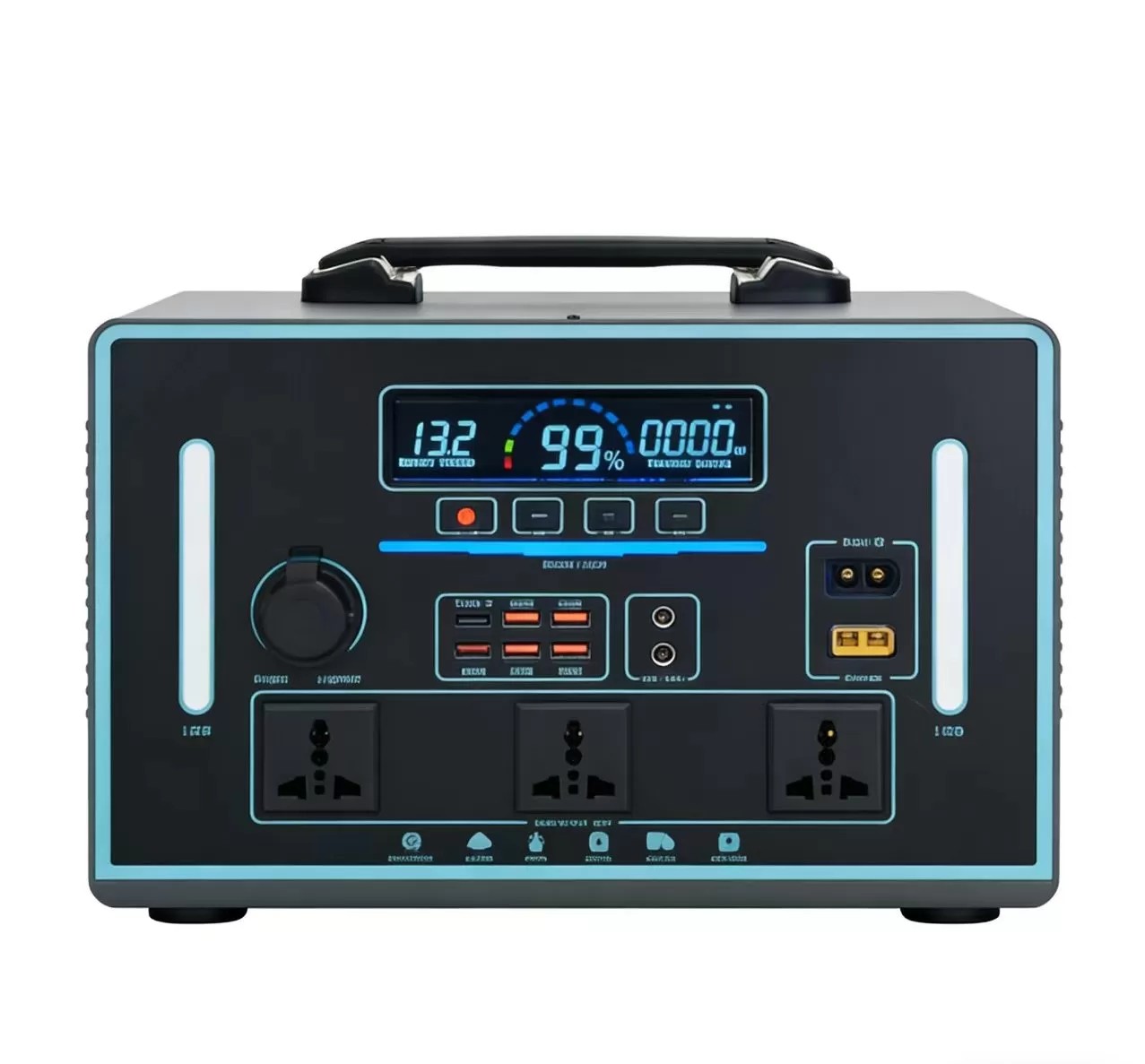
Rated & Surge Power: Ensure the surge power is 2-3 times the starting surge of your critical loads.
Efficiency: Look for >90% transfer efficiency for battery-to-AC conversion.
Input Voltage & Battery Support: Match your battery bank (12V/24V/48V) and ensure broad compatibility (SLA, AGM, GEL, Li-ion, LiFePO₄).
Protections: Must include comprehensive protections (OVP, UVP, OCP, OTP, short-circuit) and AVR for grid/AC input.
Transfer Time & Modes: For UPS-like use, seek transfer times<20ms and support for multiple modes (AC priority, battery priority, ECO, generator).
Cooling & Noise: For professional use, forced-air cooling and low-noise fans are important for continuous operation.
Brand & Support: Choose manufacturers with a track record in industrial/commercial applications, offering clear documentation and reliable after-sales support .