Dongguan Hongyi Electric Products Co., Ltd.



Discover Top-Quality Low-Frequency Pure Sine Wave Inverters in 2026: A Comprehensive Guide
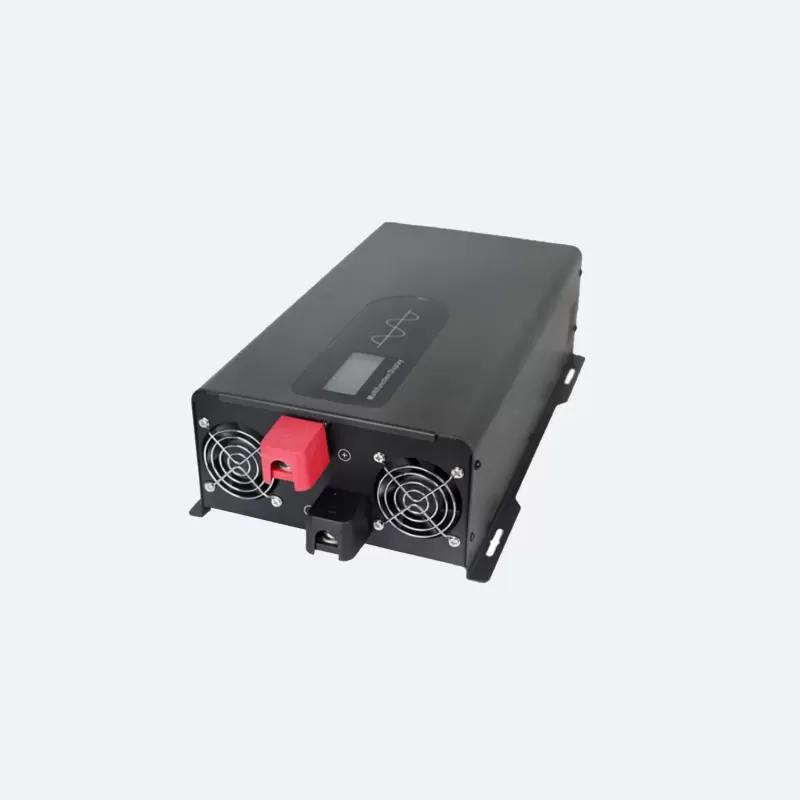
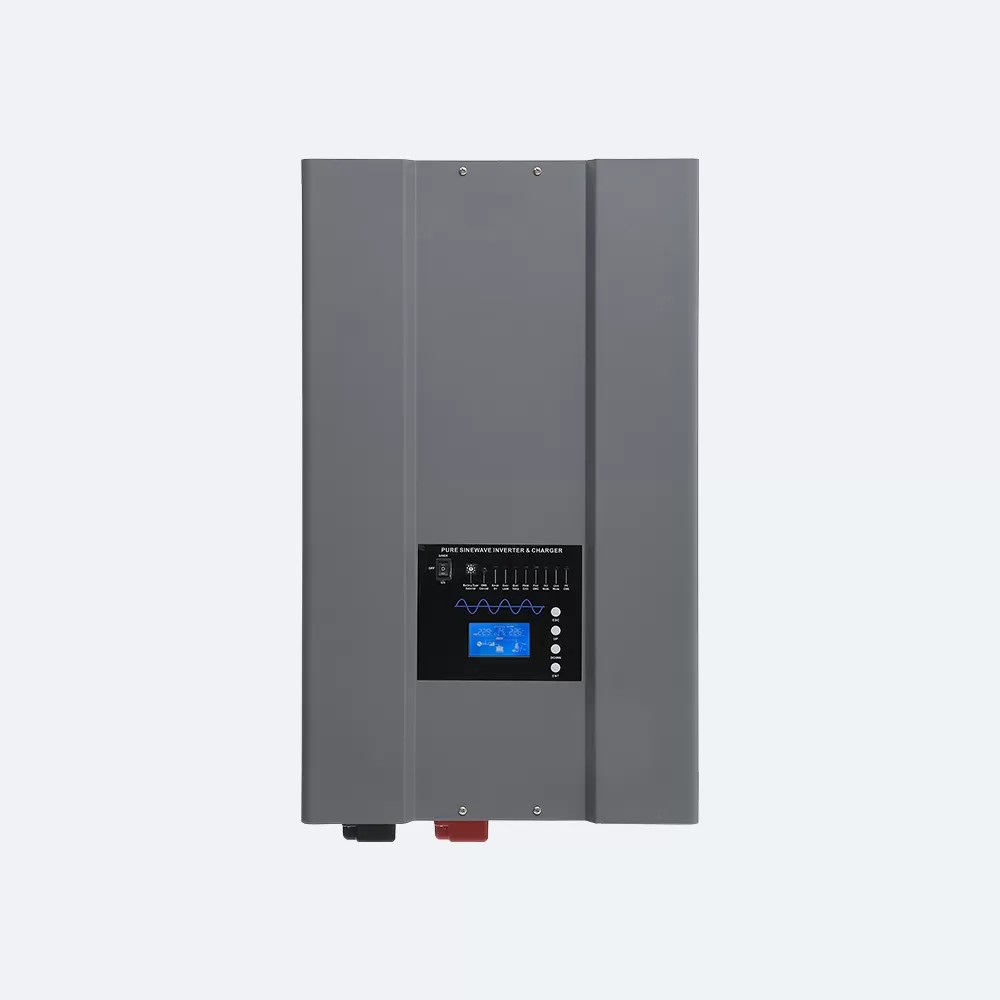
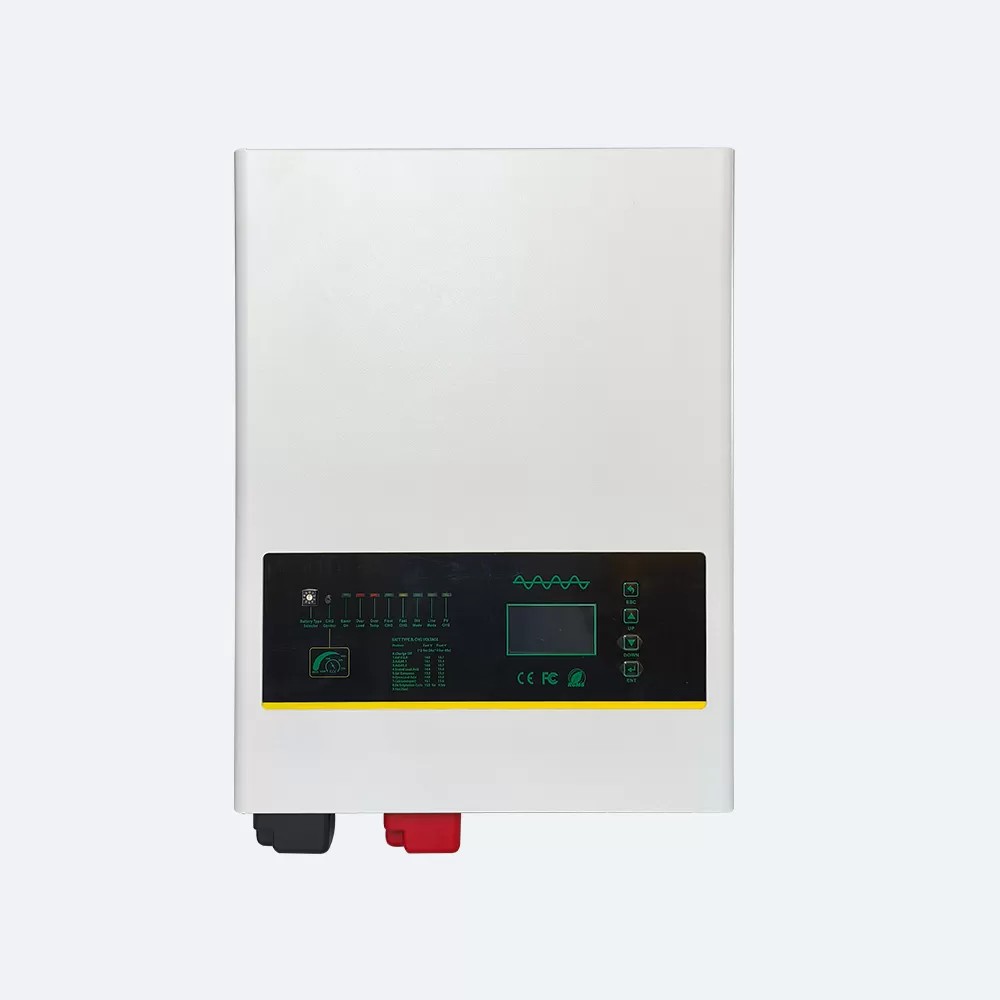
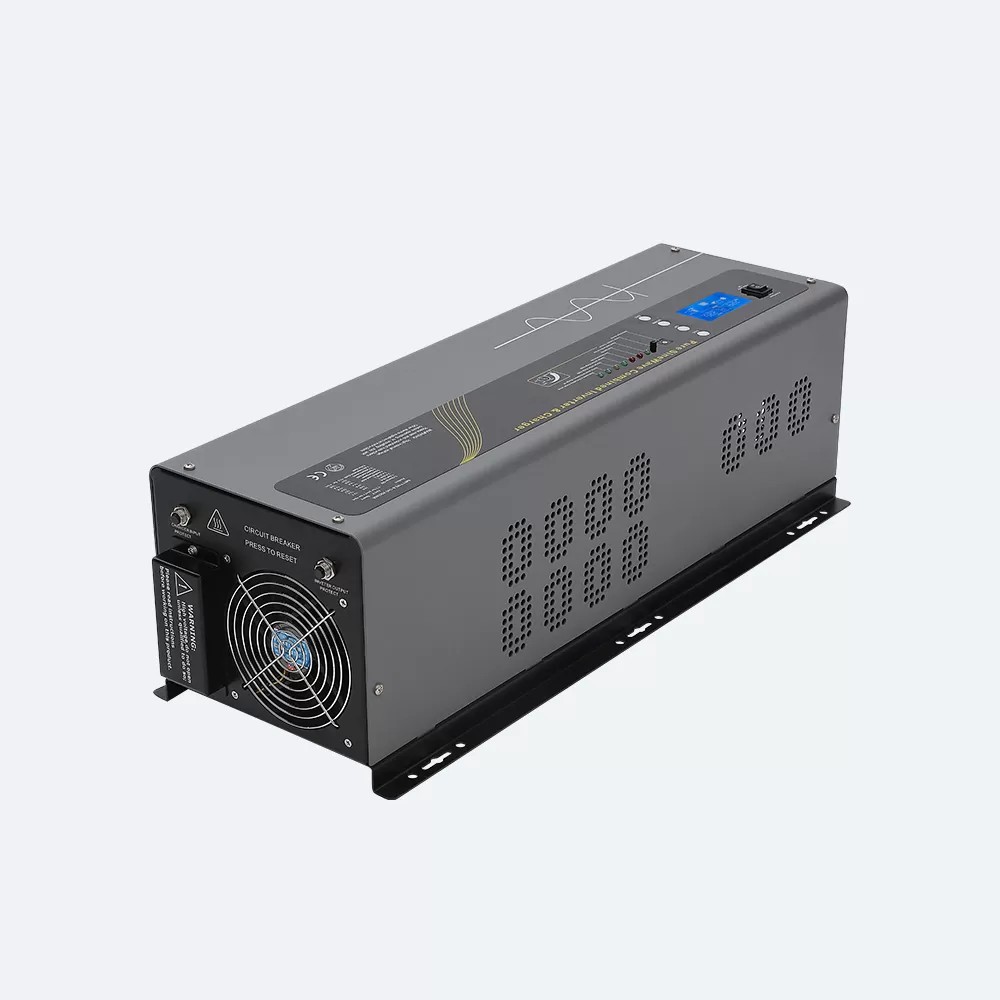
Low-frequency pure sine wave inverters (LFPSW) are essential for applications demanding stable, clean power, such as off-grid solar, backup systems, and running sensitive electronics. This guide covers how they work, key 2026 specifications, top brands, and how to choose the right one.
⚙️ What is a Low-Frequency Pure Sine Wave Inverter?
LFPSW inverters convert DC power (from batteries or solar) into AC power. The key difference lies in their internal design and output characteristics:
Low Frequency (LF): Uses a transformer and operates at 50/60 Hz. This traditional method is robust and reliable.High Frequency (HF): Uses electronic circuits to step up voltage at tens of kHz before converting back to 50/60 Hz. This method is lighter and more compact.
Pure Sine Wave (PSW) Output:The AC waveform closely mimics utility power (a smooth sine curve), unlike cheaper "modified sine wave" inverters. This makes LFPSW inverters ideal for sensitive devices like refrigerators, medical equipment, and audio gear, as they run quieter and last longer.
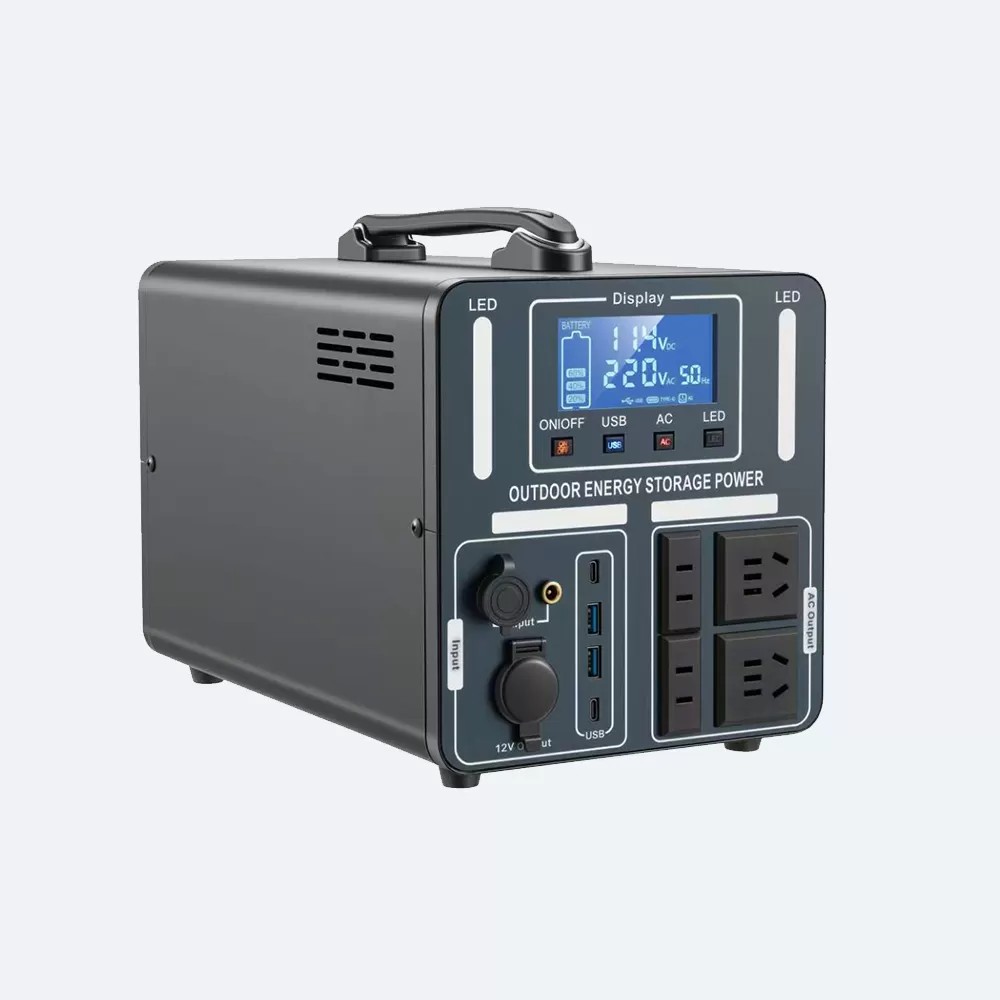
🔬 How LFPSW Inverters Work
The process involves four main stages:
DC Input & Filtering: The battery's DC supply is stabilized by input capacitors and filters.DC-AC Conversion (Inverter Stage): A microcontroller generates a high-frequency PWM signal that drives MOSFETs or IGBTs. In LF designs, these pulses directly drive a power transformer.
Low-Frequency AC Generation: The transformer's low-frequency AC output (50/60 Hz) is the core of the LF design. In HF designs, an additional H-bridge circuit at 50/60 Hz is used after the high-frequency stage.
Filtering & Output: LC filters smooth the pulsed waveform into a clean sine wave. A feedback loop continuously monitors and corrects the output voltage and frequency.
📊 Key Specs to Compare in 2026
When evaluating LFPSW inverters, prioritize these specifications:
Continuous & Peak Power (W): The continuous rating must exceed your total load. The peak/surge rating (typically 2-3x the continuous power) is crucial for starting motors and compressors.Input Voltage (VDC): Common options are 12V, 24V, and 48V. Higher voltages allow for smaller wires and less current for the same power.
Output Voltage & Frequency: Ensure it matches your region (e.g., 120V/60Hz or 230V/50Hz).
Waveform Quality (THD): For sensitive electronics, look for Total Harmonic Distortion (THD) < 3%.
Efficiency: A high conversion efficiency (>90%, ideally 92-96%) means less energy lost as heat and longer battery life.
Transfer Time (for UPS models): For backup power, a switch time of < 10 ms is ideal to avoid flickering or rebooting connected devices.
Battery Charger (if applicable): Built-in chargers with adjustable current are a valuable feature for off-grid and backup systems.
Protections: Essential safety features include overload, short-circuit, over-temperature, and low/high-voltage shutdown.
Certifications & Build: Look for safety marks like CE, UL, RoHS. A robust metal casing and good heat dissipation are important for reliability.
🏆 Top LFPSW Inverter Brands & Models (2026)
The market includes international giants, specialized Chinese manufacturers, and value-focused consumer brands.
1. International & Professional-Grade Brands
These are known for high reliability, global certifications, and are suitable for demanding applications.
Victron Energy: Premium off-grid and marine inverters with excellent reliability and extensive monitoring options.OutBack Power: A leader in off-grid solar systems, known for robust, field-proven designs.
SMA (Sunny Island): A top-tier choice for large-scale solar and hybrid systems, with a strong global service network.
Schneider Electric (XW+/Conext): Widely used in residential and commercial backup systems, known for grid-interactive capabilities.
2. Leading Chinese Manufacturers
These companies offer a wide range of products, from industrial to consumer-grade, often with strong R&D and competitive pricing.
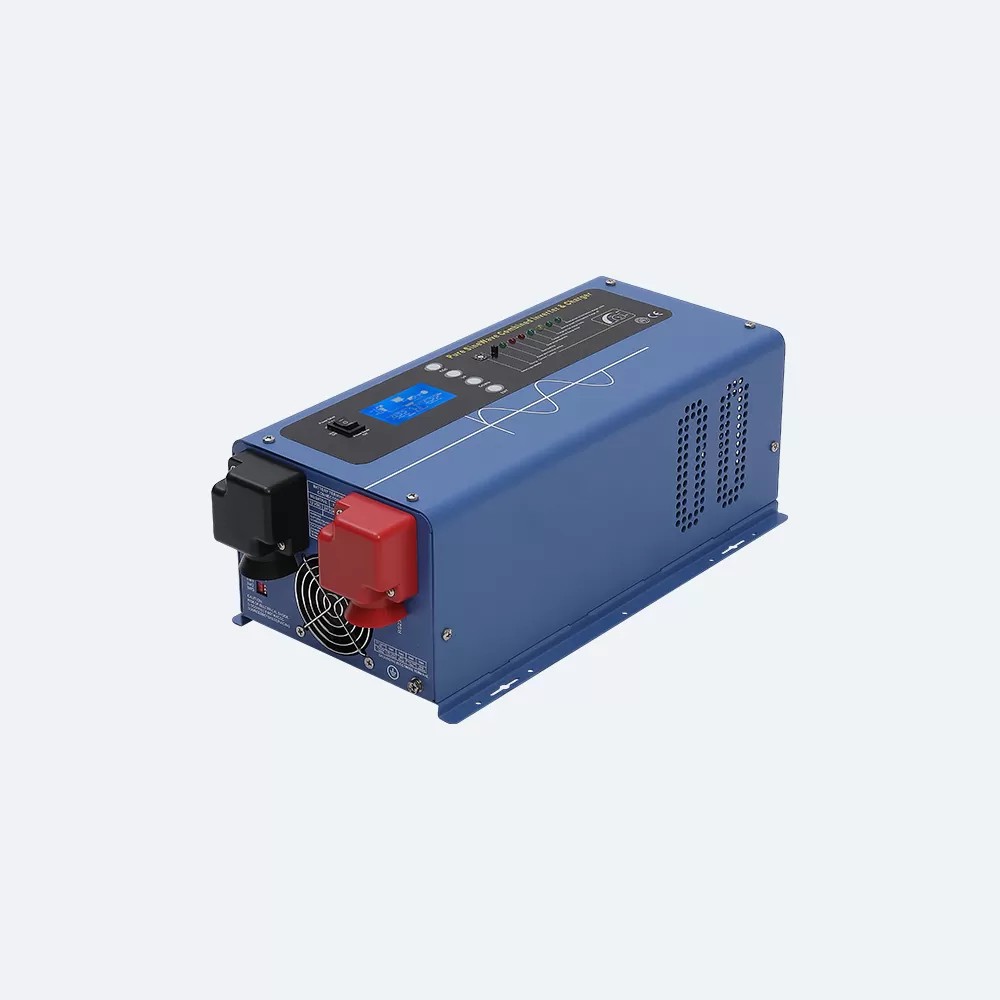
Shenzhen Must Power / MPP Solar: Known for hybrid inverters and UPS systems popular in RV and marine markets.
AIMS Power: A U.S.-based brand sourcing from China, offering a wide range of LFPSW inverters for various applications.
3. Consumer-Focused & Value Brands
These are widely available online and suitable for lighter-duty applications like car power and small home backup.
Ampinvt: Features models like the 1200W and 3000W LFPSW inverters. They are known for high surge capacity, wide battery compatibility, and multiple operating modes (e.g., AC priority, ECO).Other Notable Brands: WZRELB, ALLWEI, Giandel, BESTEK, AIMS, and Renogy offer various LFPSW models. Always check recent reviews for reliability.
🎯 How to Choose the Right LFPSW Inverter
Follow these steps to find the perfect match for your needs:
List Your Loads: Create a table of all devices you plan to power, noting their rated power (W) and starting surge (if applicable).Calculate Total Power: Sum the continuous power of all devices that will run simultaneously. Add a 20-30% safety margin. The inverter's continuous power rating must exceed this total.
Check Surge Requirements: Ensure the inverter's peak/surge rating can handle the startup surge of your largest motor or compressor (e.g., a fridge or well pump).
Match Input Voltage: Choose a DC input voltage (12V, 24V, 48V) compatible with your battery bank. Higher voltages are more efficient for high-power systems.
Select Features: Decide if you need a built-in battery charger, UPS functionality, or solar charge controller. Also, consider if remote monitoring is important for your application.
Set a Budget & Check Reviews: Higher quality and reliability typically cost more. Read user reviews for real-world feedback on noise, heat, and after-sales support.
Verify Certifications & Warranty: For safety and peace of mind, ensure the product has relevant certifications (e.g., CE, UL) and a solid manufacturer warranty (1-3+ years is common).