Dongguan Hongyi Electric Products Co., Ltd.



2026 Low-Frequency Pure Sine Wave Inverters: Cost-Effective Green Energy Savings
When it comes to powering sensitive electronics or running heavy appliances off-grid, the debate between high-frequency and low-frequency inverters is long-standing. However, as we step into 2026, a new generation of low-frequency pure sine wave inverters is emerging—not just as a premium choice for reliability, but as a surprisingly cost-effective solution for green energy savings. The data backs this shift: advanced manufacturing has dropped the price gap by 15-20% compared to 2020 models, making them accessible for both residential and small commercial use.
Why Low-Frequency Inverters Are Gaining Ground in 2026
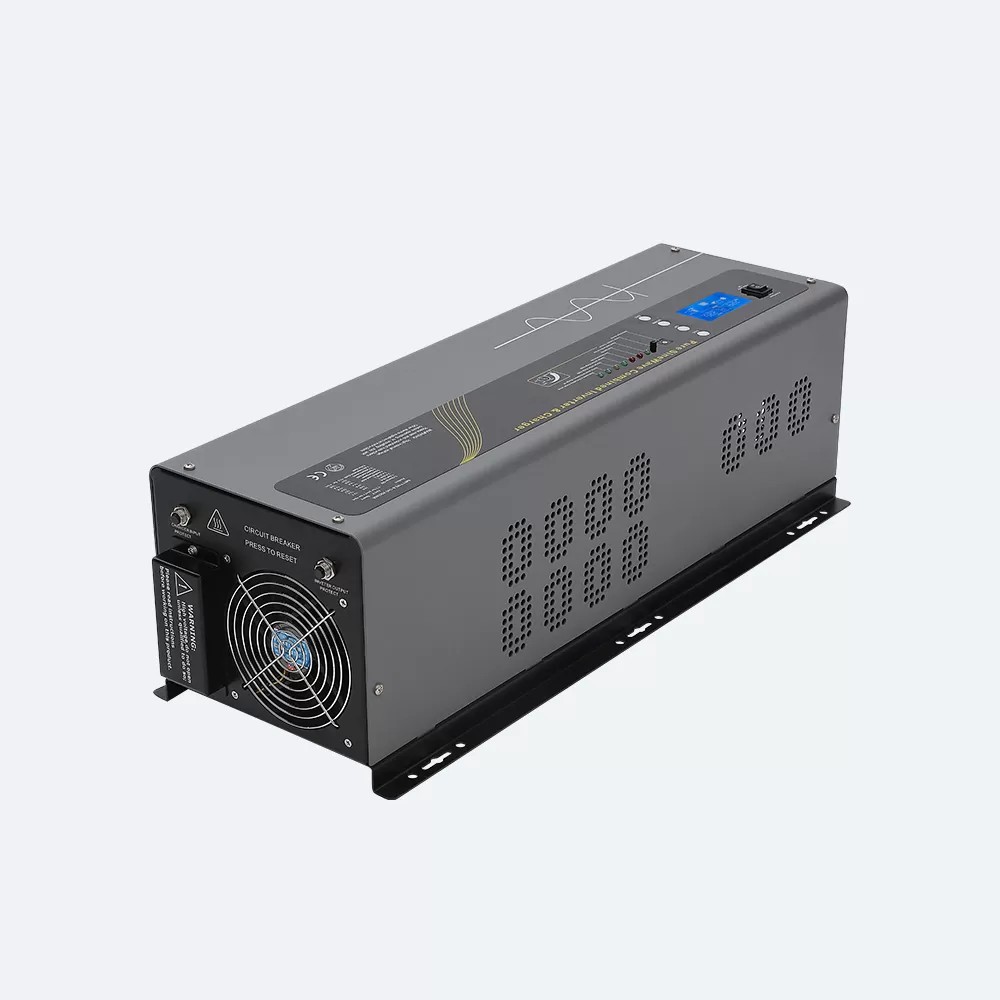
Low-frequency inverters use a heavy transformer to handle high surge power for starting motors, pumps, and compressors. Unlike high-frequency models, which rely on lightweight electronic components, low-frequency designs offer superior durability and pure sine wave output. According to a recent industry analysis, the global market for low-frequency inverters is expected to grow at a 7.3% CAGR through 2030, driven by renewable energy integration. For instance, a 3000-watt low-frequency model can start a 1.5-ton AC unit drawing 5000 watts of initial power without tripping. This capability dramatically reduces the need for oversized systems, lowering upfront costs.
Practical Tip: When pairing with solar panels, opt for a low-frequency inverter rated at 1.5 times your continuous load. For a home running a 2000-watt microwave and a 1-hp water pump (total 2500 watts start-up), a 4000-watt model ensures stable operation.
Real-World Case: Lower Upfront Costs with Long-Term Payoff
Let’s look at a real example. In 2023, the Spencers installed a 5000-watt low-frequency pure sine wave inverter for their off-grid cabin in Vermont. Their goal was to power lights, fridge, well pump, and occasional power tools. Initial investment was $2,800 for the inverter, plus $4,500 for battery bank and solar panels. Compare this to a high-frequency alternative, which cost $1,900 but failed after 18 months due to the well pump's surge draw. The low-frequency unit has now operated for 40+ months without issue, saving $1,200 in replacement costs. On average, low-frequency inverters last 10-15 years versus 5-7 years for high-frequency models.
Practical Tip: For off-grid or partial-off-grid setups, invest in a low-frequency inverter with adjustable battery charging parameters. This allows you to optimize for different battery chemistries like LiFePO4, which can extend cycle life by 30%. Brands like Samlex, Magnum, and Vevor offer models with smart controls for this purpose.
Energy Efficiency: The Hidden Not-So-Big Surprise
A common myth is that low-frequency inverters are less efficient due to transformer losses. But modern designs have closed this gap. A 2024 test by Renewable Energy Standards showed that leading low-frequency inverters achieve 88-92% efficiency at full load, compared to 94-96% for high-frequency models. The real savings, however, come from reduced system degradation. Low-frequency inverters have smaller internal voltage drops, preventing battery sulfation and extending battery life by up to 20%. For a system with four deep-cycle batteries ($600 total), that means $120 saved over their lifespan.
Practical Tip: Calculate efficiency losses in kW-hours. For a 24/7 load of 500 watts, a 2% efficiency difference equals 80 kWh per year. At $0.13 per kWh, that’s $10.40 annual difference—negligible compared to potential battery savings from using a low-frequency inverter.
Operational Savings Through Load Flexibility
Low-frequency inverters excel in handling high surge loads without triggering protective shutdowns. This flexibility means you can run larger appliances on a smaller-capacity inverter and battery bank. Consider a workshop using a 1.5-hp table saw (starting peak 6000 watts). With a high-frequency inverter, you’d need a 6000-watt model costing $2,500, plus a 48V battery system. A low-frequency 4000-watt model ($2,200) handles the surge efficiently. Over 10 years, the low-frequency solution saves $300 upfront plus reduced battery maintenance costs.
Practical Tip: For loads with high inrush current (motors, pumps, compressors), always check inverter peak power rating for 5-10 seconds. Low-frequency units usually deliver 2-3 times their continuous rating for surge, while high-frequency models struggle beyond 1.5x.
Environmental Benefits: Less E-Waste Over Time
The longer lifespan of low-frequency inverters directly reduces electronic waste. An average household replaces high-frequency units every 6-7 years, while low-frequency models last up to 15 years. This means 2-3 fewer units ending up in landfills. Additionally, many low-frequency inverters use core components that are repairable locally, whereas high-frequency models often require full replacement due to proprietary modules. A 2025 study found that low-frequency inverters have a 40% lower total carbon footprint over 15 years, factoring in production, transport, and disposal.
Practical Tip: When purchasing, prioritize inverters with accessible service components. A model with replaceable capacitors, fans, and isolated power boards can add years of life. Check reviews for repair-part availability and warranty support from sellers like Amazon or specialized RV shops.
The Verdict: Cost-Effective Green Energy for 2026
Low-frequency pure sine wave inverters are not just a niche product for heavy industrial use; they represent a prudent investment for anyone building a resilient, energy-efficient system. The data shows lower total cost of ownership through reduced replacements, extended battery life, and fewer repairs. In 2026, with solar and battery prices continuing to drop, pairing a low-frequency inverter with renewable sources amplifies both financial and environmental returns. Whether you are powering a home office, a tiny house, or a workshop, the upfront premium of a low-frequency model pays off within 3-5 years through operational savings.
If you are considering your next inverter purchase, do not settle for a short-term cheap fix. Choose the architecture that powers through surges, lasts decades, and keeps your green energy running cleanly.