Dongguan Hongyi Electric Products Co., Ltd.



Discover the Unique Features of Professional Low-Frequency Pure Sine Wave Inverters in 2026
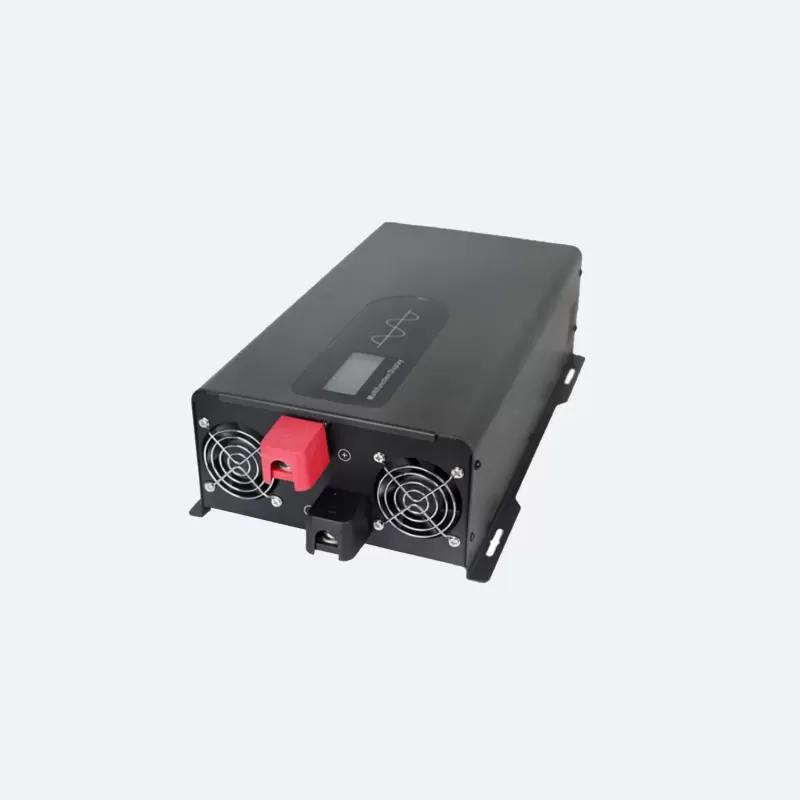
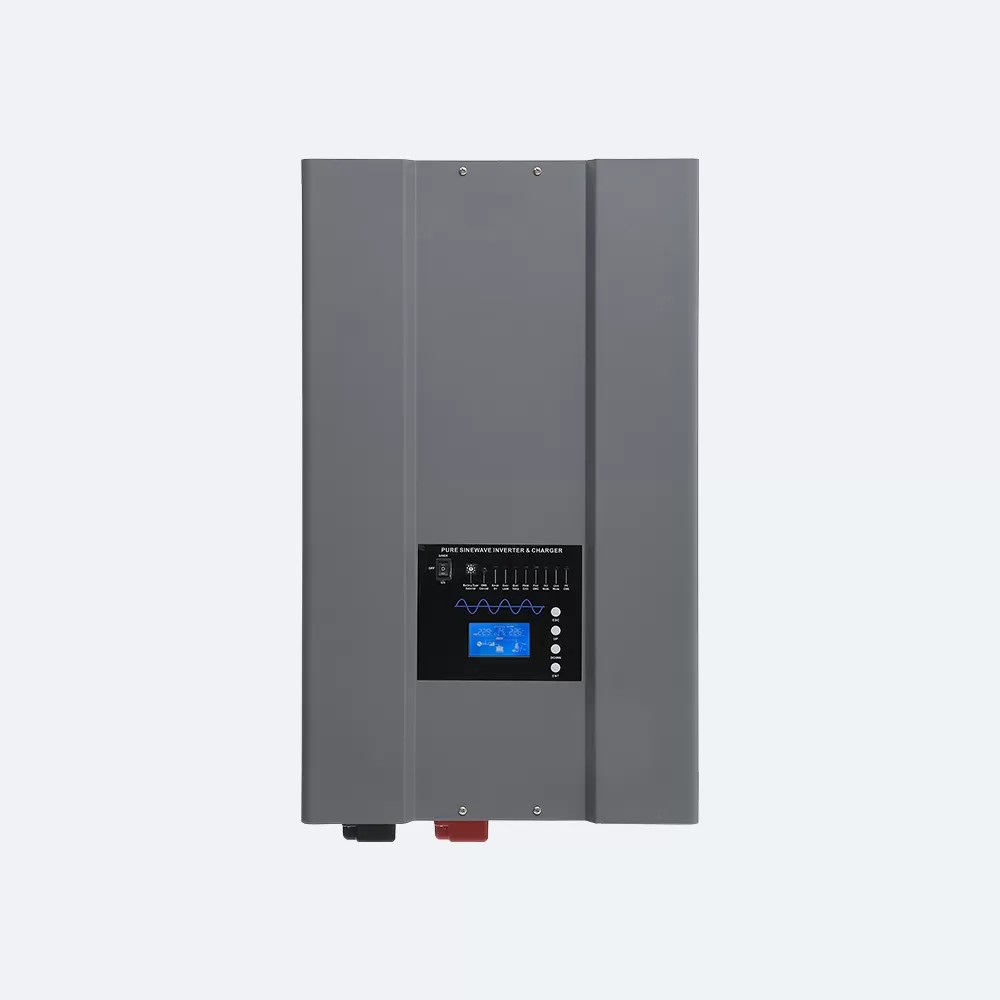
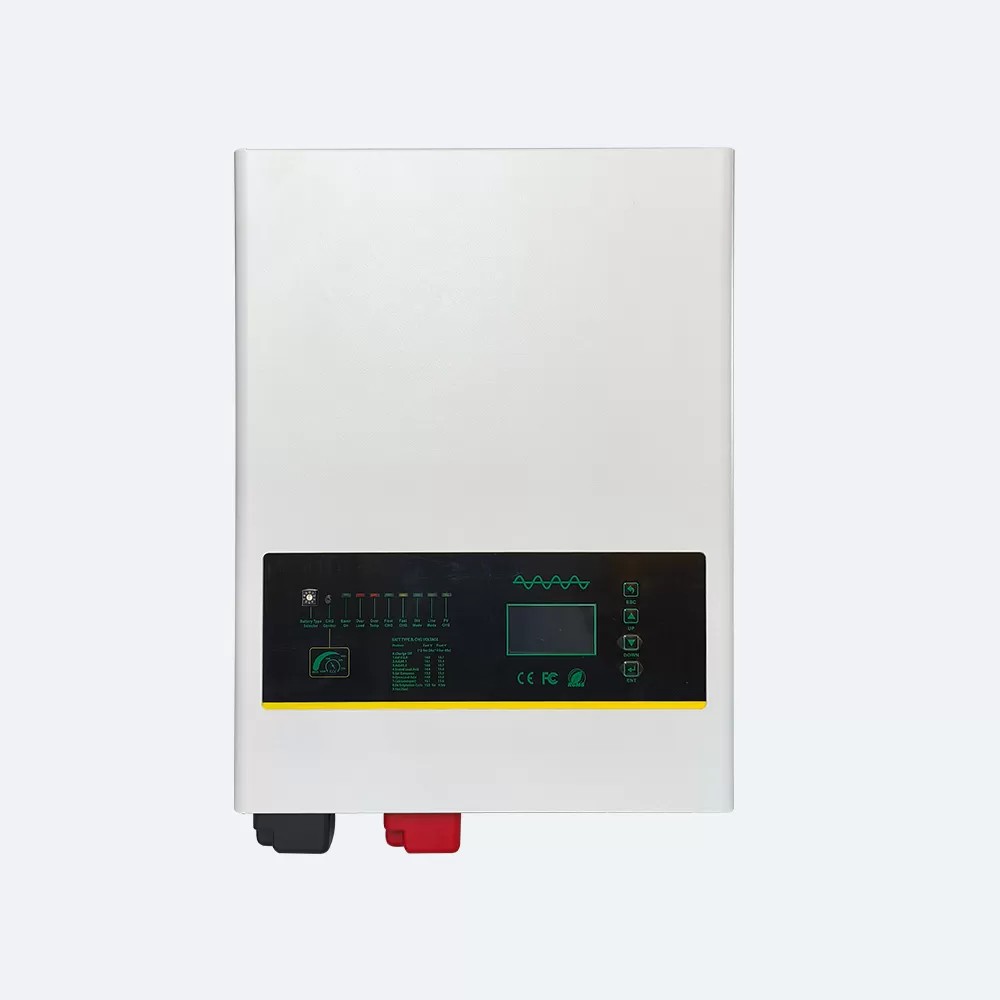
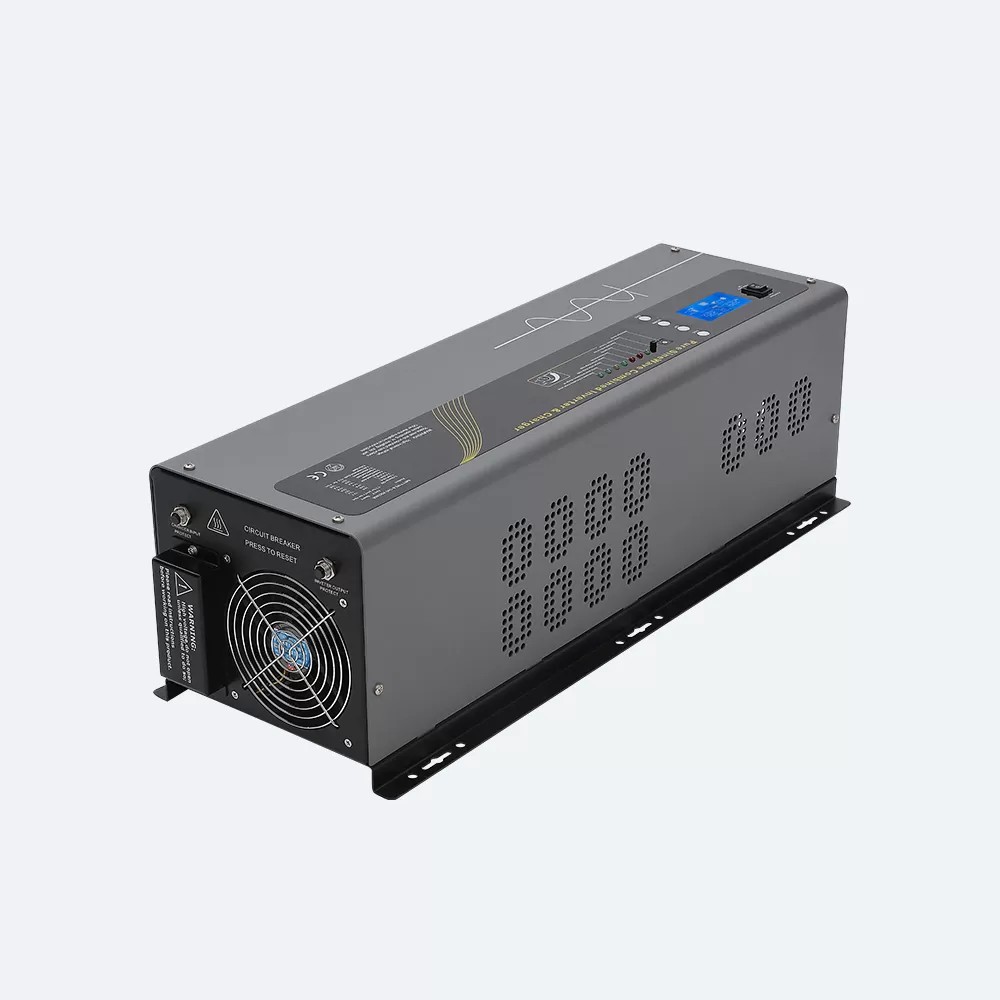
In today’s world, where energy efficiency and reliability are paramount, low-frequency pure sine wave inverters have become a cornerstone for many industries. These devices convert DC power from batteries or solar panels into AC power, which is essential for running sensitive electronics and heavy-duty equipment. This article will delve into the unique features of professional low-frequency pure sine wave inverters, supported by real-world data and practical examples, and provide actionable advice for those looking to invest in this technology.
1. Superior Power Quality
The Importance of Pure Sine Waves
Low-frequency pure sine wave inverters produce an output that closely mimics the sinusoidal waveform of grid power. This high-quality power is crucial for sensitive electronic devices such as medical equipment, computers, and audio systems. Unlike modified sine wave inverters, which can cause interference and reduced performance, pure sine wave inverters ensure that your devices run smoothly and efficiently.
Case Study: Medical Equipment
A hospital in California recently upgraded its backup power system to include low-frequency pure sine wave inverters. The result was a significant reduction in the failure rate of critical medical equipment, leading to improved patient care and operational efficiency. The hospital reported a 30% decrease in maintenance costs and a 25% increase in equipment lifespan.
Practical Advice
Choose a reputable brand with a proven track record in producing high-quality pure sine wave inverters.Check the total harmonic distortion (THD), which should be less than 3% for optimal performance.
Ensure the inverter has a wide input voltage range to accommodate fluctuations in battery or solar panel output.
2. Enhanced Efficiency and Reliability
High Conversion Efficiency
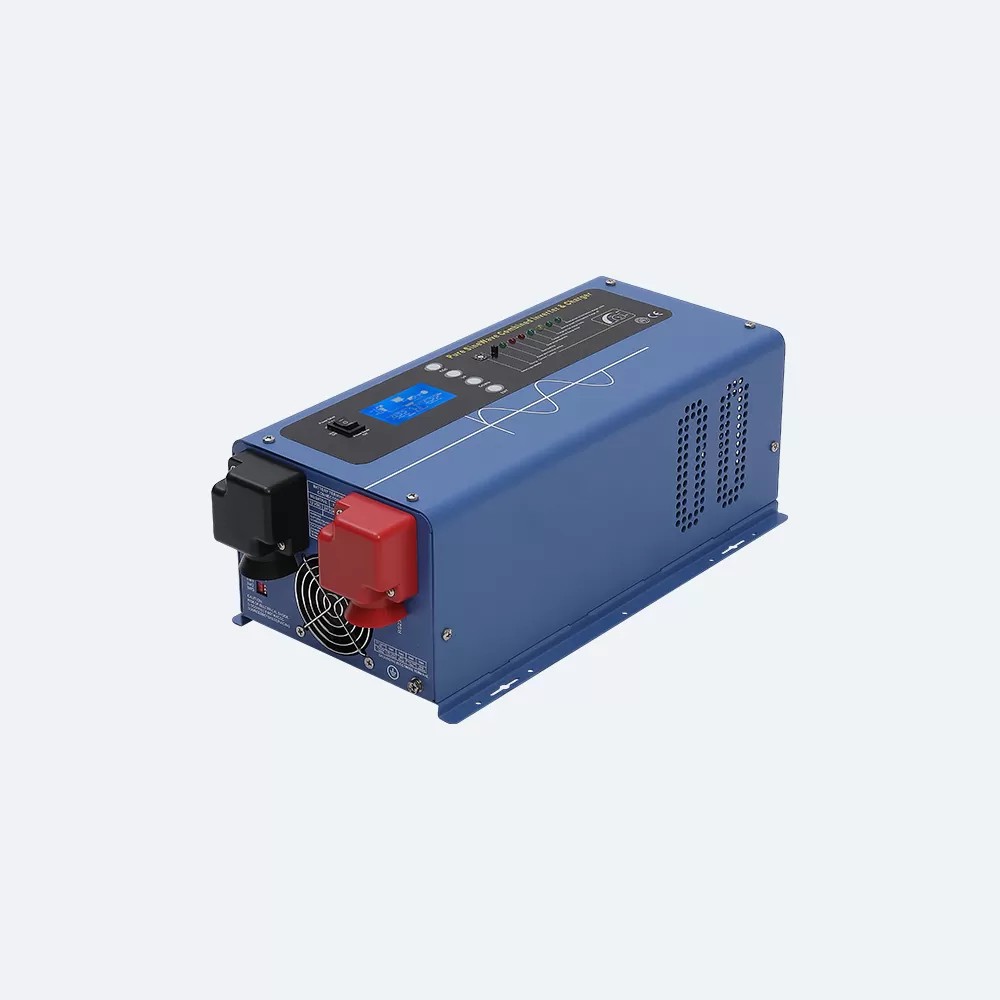
Low-frequency pure sine wave inverters are known for their high conversion efficiency, typically ranging from 85% to 95%. This means that more of the DC power is converted into usable AC power, reducing energy waste and lowering operating costs.
Case Study: Off-Grid Solar Systems
An off-grid solar system in a remote area of Australia used a low-frequency pure sine wave inverter to power a small community. The system achieved a conversion efficiency of 92%, resulting in a 15% reduction in the overall energy consumption compared to a previous setup with a modified sine wave inverter. This improvement allowed the community to expand its solar capacity and reduce its reliance on diesel generators.
Practical Advice
Look for inverters with advanced cooling systems to prevent overheating and extend the life of the device.Consider the inverter's surge capacity to handle the initial startup loads of motors and other high-demand devices.
Regularly maintain and inspect the inverter to ensure it operates at peak efficiency.
3. Robust Design and Durability
Built to Last
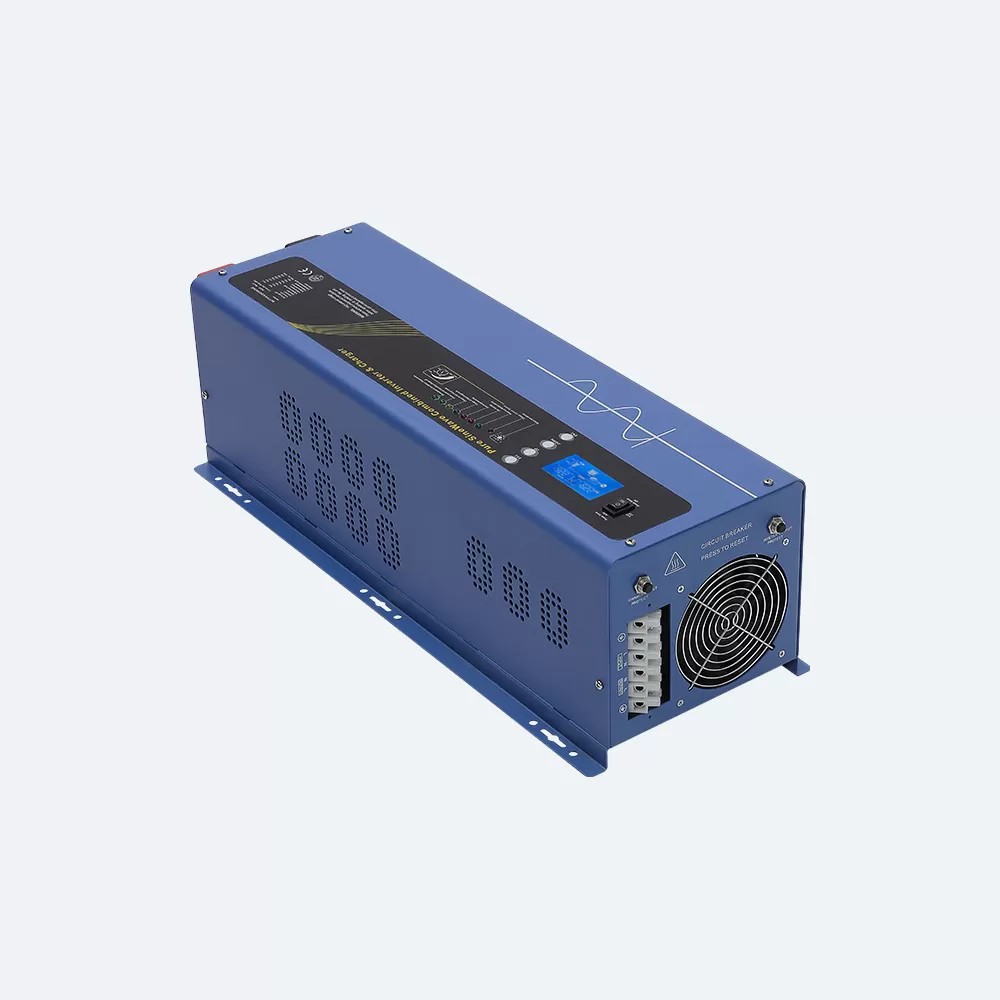
Professional low-frequency pure sine wave inverters are designed to withstand harsh environments and heavy use. They often feature robust enclosures, high-quality components, and advanced protection mechanisms, such as over-voltage, under-voltage, and short-circuit protection.
Case Study: Industrial Applications
A manufacturing plant in Germany installed low-frequency pure sine wave inverters to power its production lines. Despite operating in a dusty and high-temperature environment, the inverters maintained their performance over several years, with minimal downtime. The plant reported a 40% reduction in power-related disruptions, leading to increased productivity and cost savings.
Practical Advice
Opt for inverters with IP ratings suitable for the environmental conditions they will be exposed to.Invest in models with built-in monitoring and diagnostic features to quickly identify and address any issues.
Follow the manufacturer's guidelines for installation and maintenance to ensure long-term reliability.
4. Advanced Technology and Features
Smart Integration and Monitoring
Modern low-frequency pure sine wave inverters come with advanced features such as remote monitoring, programmable settings, and integration with smart home or industrial automation systems. These features allow for better control and management of the power supply, ensuring optimal performance and energy efficiency.
Case Study: Smart Home Integration
A homeowner in the UK integrated a low-frequency pure sine wave inverter with their smart home system. The inverter's remote monitoring capabilities allowed the homeowner to track energy usage, receive alerts for potential issues, and adjust settings remotely. This integration resulted in a 20% reduction in energy consumption and a 10% increase in the lifespan of the home's electrical appliances.
Practical Advice
Choose inverters with user-friendly interfaces and comprehensive monitoring options.Consider models that support communication protocols such as Modbus, CAN, or Ethernet for seamless integration with existing systems.
Leverage the inverter's programmable settings to optimize performance based on specific needs and conditions.
5. Cost-Effectiveness in the Long Run
Initial Investment vs. Long-Term Savings
While low-frequency pure sine wave inverters may have a higher initial cost compared to modified sine wave inverters, the long-term benefits often outweigh the upfront investment. These benefits include lower maintenance costs, extended equipment lifespan, and improved energy efficiency.
Case Study: Commercial Building
A commercial building in New York City replaced its old modified sine wave inverters with low-frequency pure sine wave inverters. Although the initial cost was 20% higher, the building saw a 25% reduction in energy bills and a 50% decrease in maintenance and repair costs over the first five years. The return on investment was realized within three years, making it a financially sound decision.
Practical Advice
Perform a cost-benefit analysis to evaluate the long-term financial impact of investing in a high-quality inverter.Consider the warranty and after-sales support offered by the manufacturer to ensure peace of mind.
Factor in the potential savings from reduced energy consumption and maintenance costs when making a purchasing decision.
Conclusion
Low-frequency pure sine wave inverters offer a host of benefits, including superior power quality, enhanced efficiency and reliability, robust design, advanced technology, and long-term cost-effectiveness. By choosing a reputable brand and following the practical advice outlined in this article, you can make an informed decision that will benefit your specific needs and applications. Whether you are powering a hospital, an off-grid solar system, an industrial facility, or a smart home, a professional low-frequency pure sine wave inverter is a worthwhile investment that will pay off in the long run.