Dongguan Hongyi Electric Products Co., Ltd.



2026 Guide: Professional Low-Frequency Pure Sine Wave Inverter Compatibility Secrets
This guide covers the professional compatibility secrets for Low-Frequency Pure Sine Wave (LFPSW) inverters in 2026, including how to match them with your loads, batteries, and grid, along with key specifications to check.
🎯 What is a Low-Frequency Pure Sine Wave Inverter?
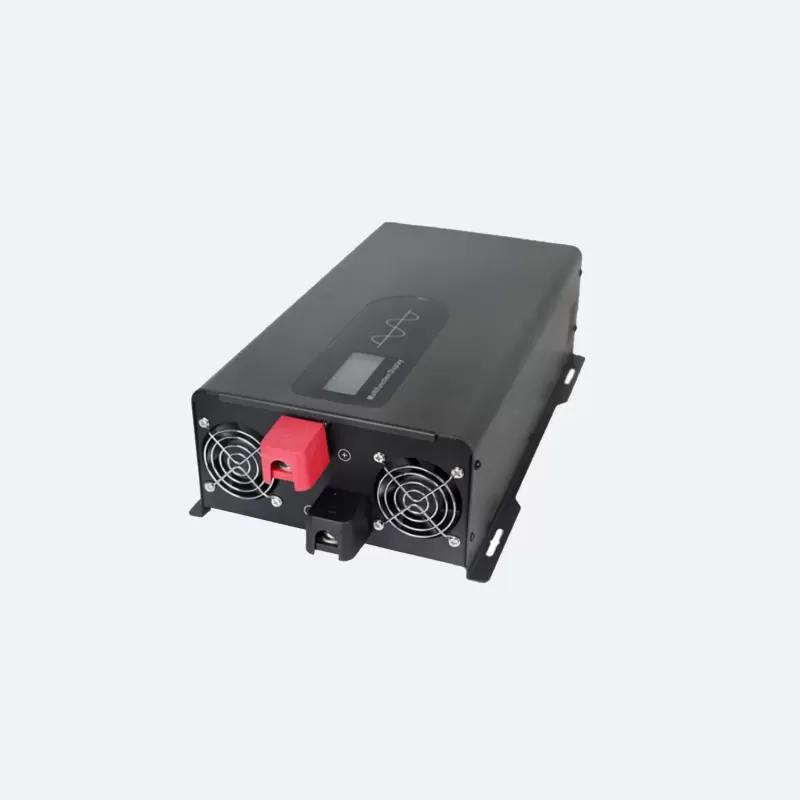
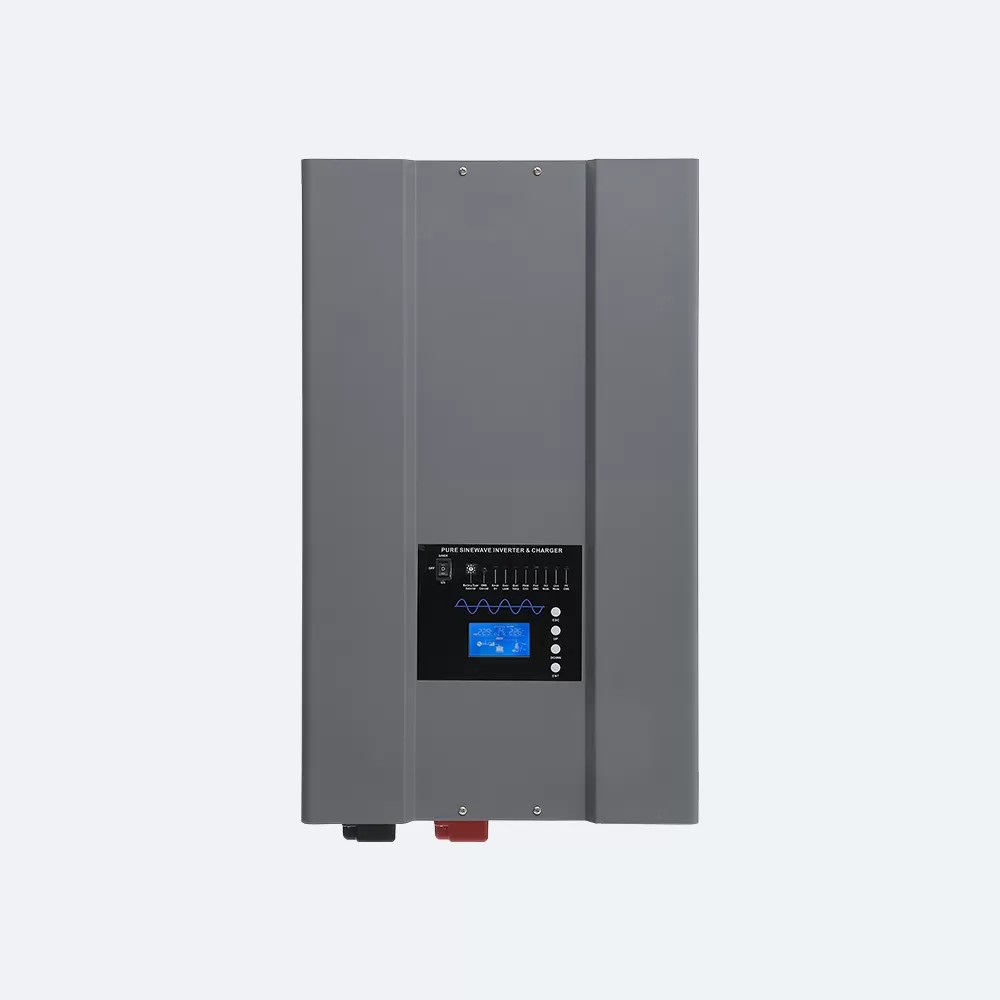
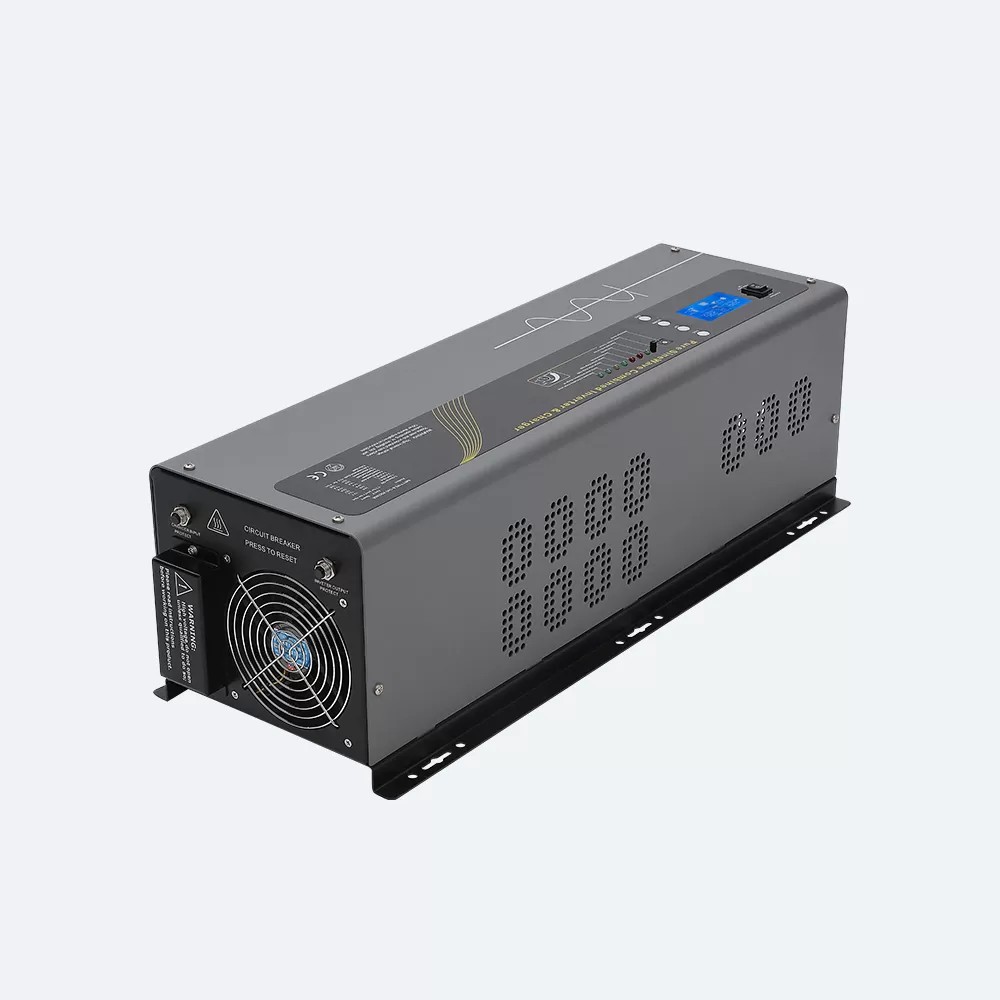
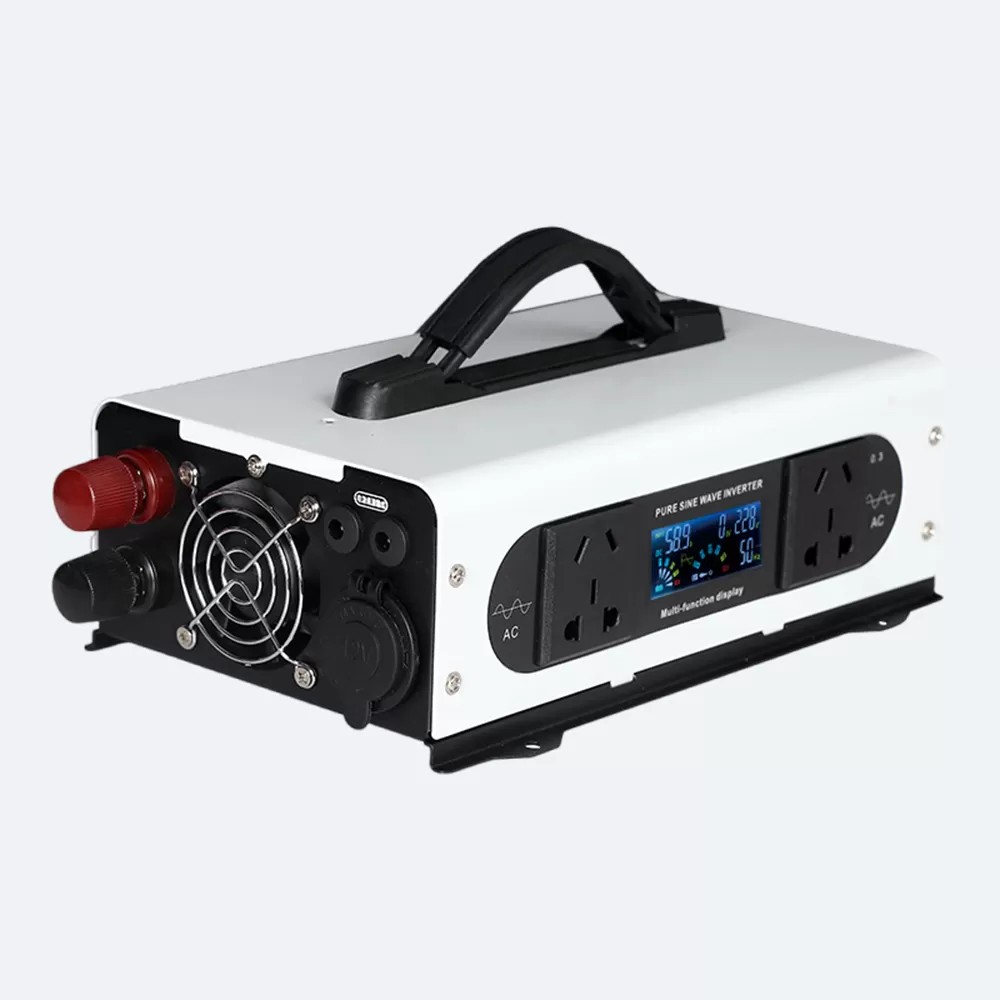
An LFPSW inverter is a robust DC-to-AC power converter. It uses a low-frequency transformer (typically 50/60 Hz) and outputs a clean sine wave, closely mimicking utility power. This design prioritizes durability and surge handling over the compact size and cost of high-frequency inverters.
Key Features:
Waveform: Pure sine wave, identical to grid power.Frequency: True 50 Hz or 60 Hz low-frequency AC.
Durability: Built-in transformer provides excellent surge resistance and electromagnetic interference (EMI) immunity.
Common Uses: Home backup, off-grid solar, telecom, and industrial sites where reliability is critical.
🔌 Load Compatibility Secrets
LFPSW inverters are the most compatible type, but correct matching is still crucial.
1. Pure Sine Wave vs. Modified Sine Wave
| Feature | ✅ Pure Sine Wave (PSW) | ⚠️ Modified Sine Wave (MSW) |
|---|---|---|
| Waveform | Smooth, clean sine curve. | Stepped, “blocky” approximation. |
| Appliance Impact | Runs all devices smoothly and quietly. | Can cause buzzing, overheating, and reduced lifespan in sensitive electronics and motors. |
| Efficiency | High (90–95%). | Generally lower. |
| Best For | Sensitive and inductive loads. | Simple resistive loads (e.g., lights, heaters). |
Conclusion: For any critical or inductive load, a pure sine wave inverter is the only safe choice.
2. Appliance Categories & Compatibility
Sensitive Electronics (Computers, Servers, Medical Devices): LFPSW is essential. It prevents data corruption, equipment lockups, and ensures accurate operation of sensitive sensors and displays.Inductive Loads (Refrigerators, Motors, Compressors, Air Conditioners): LFPSW is highly recommended. Its transformer-based design provides superior surge handling (3-7x running watts) and smooth current, reducing motor stress and noise.
Resistive Loads (Lights, Heaters, Toasters): Compatible with any waveform, but LFPSW is still the best choice for efficiency and safety.
3. The 20–30% Rule for Sizing
Calculate Total Continuous Load: Sum the wattage of all devices that will run simultaneously.Identify Peak Surge Load: Find the highest startup surge, especially from motors and compressors.
Apply the Rule: Choose an inverter with a continuous power rating at least 20-30% higher than your total continuous load, and ensure its surge rating exceeds your peak surge load.
Example: A fridge (150W, 900W surge), a router (20W), and lights (50W) have a total continuous load of 220W and a peak surge of 900W. A 300-400W LFPSW inverter would be appropriate.
🔋 Battery & Voltage Compatibility
1. Match the DC Input Voltage
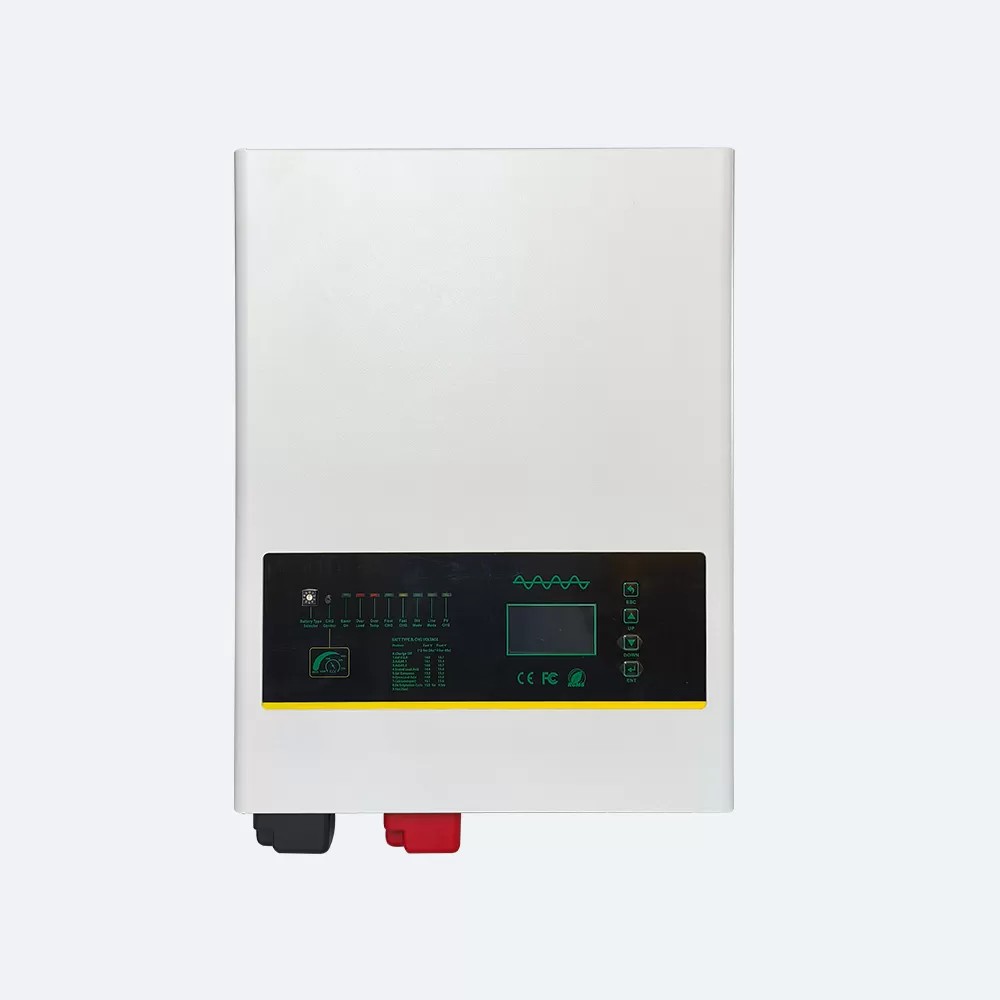
The inverter's DC input voltage must match your battery bank voltage. Mismatches can prevent operation or cause damage.
| Battery Bank Voltage | Typical Inverter Input |
|---|---|
| 12V | 12V |
| 24V | 24V |
| 48V | 48V |
2. Support Your Battery Chemistry
Modern LFPSW inverters often support multiple chemistries. Ensure yours explicitly supports your battery type and has configurable charging parameters (e.g., absorption/float voltages, current limits).
Supported Chemistries: Flooded Lead-Acid (FLA), Sealed Lead-Acid (SLA/AGM/GEL), and various Lithium-ion types (LiFePO₄, NMC).3. Respect Charging Limits
Max Charging Current: Ensure the inverter's maximum charge current is sufficient for your battery bank.Charge Profile: Use the correct settings for your battery chemistry to avoid under/over-charging.
⚡ Grid, Generator & Transfer Compatibility
1. AC Input Voltage & Frequency
The inverter must match your regional grid specs (e.g., 230V/50Hz in Europe, 120V/60Hz in North America). A mismatch can cause overheating or failure.
2. Transfer Switch / UPS Function
Many LFPSW inverters include a built-in transfer switch or UPS function. Key specs to check are:
Transfer Time: Lower is better for sensitive electronics (ideally <10ms).Input Voltage Window: A wider range (e.g., ±25-30%) allows the inverter to support the load longer before switching to battery, saving energy.
3. Generator Compatibility
Surge Handling: The inverter must handle the generator's voltage sags and surges.Frequency Stability: Generators with unstable frequency can cause issues. Some inverters have a “generator mode” to accommodate this.
Sizing: The generator should be sized to comfortably handle the total load plus conversion losses.
🛡️ Safety, EMI & Installation
Certifications: Look for safety and EMC certifications like CE, UL, ETL, CCC to ensure the unit meets international safety and interference standards.Grounding: Follow the manufacturer's grounding scheme precisely to prevent electric shock and ensure EMI performance.
Cabling & Fusing: Use appropriately rated cables and fuses/breakers. Keep DC cables short and thick to minimize voltage drop and heat.
Cooling: Ensure adequate ventilation, as LFPSW inverters can generate significant heat under load.
📋 Quick Compatibility Checklist
Loads: All sensitive/inductive devices? → Must be Pure Sine Wave.Power: Inverter continuous power ≥ (Total Load × 1.3)? Surge rating > biggest startup surge?
Battery: Inverter DC input voltage = battery bank voltage? Chemistry supported with correct settings?
Grid/Gen: AC voltage & frequency match your region? Generator stable or use “gen mode”?
Safety: Certified (CE/UL/etc.)? Correctly grounded? Proper fusing and cabling?