Dongguan Hongyi Electric Products Co., Ltd.



User Feedback on High - quality Low - frequency Pure Sine Wave Inverters in 2026
In 2026, low - frequency pure sine wave inverters have become increasingly popular in various fields, from home backup power systems to mobile applications. This article will explore user feedback on these inverters, supported by specific data and real - life cases, and provide practical suggestions for those considering purchasing or using them.
1. Power Output and Stability
Data and Cases
According to a market research report, in 2026, about 80% of users reported that high - quality low - frequency pure sine wave inverters could provide stable power output. For example, a user in a rural area installed a 2000 - watt low - frequency pure sine wave inverter to power his home appliances during power outages. He found that the inverter could smoothly run his refrigerator, TV, and other sensitive electronics without any glitches.
Practical Suggestions
When choosing an inverter, consider your power needs. Calculate the total power consumption of the devices you want to run simultaneously. For instance, if you plan to power a refrigerator (about 150 - 200 watts), a TV (about 100 - 200 watts), and some lights (about 50 - 100 watts), you should choose an inverter with a power rating of at least 500 watts.Look for inverters with over - load protection. This feature can prevent the inverter from being damaged when the power demand exceeds its capacity.
2. Efficiency
Data and Cases
The efficiency of low - frequency pure sine wave inverters has been a major concern for users. In 2026, on average, high - quality inverters had an efficiency of around 85% - 90%. A small business owner who used a low - frequency pure sine wave inverter to power his office equipment noticed that the inverter consumed less battery power compared to other types of inverters. This not only saved him money on battery replacement but also reduced the environmental impact.
Practical Suggestions
Choose an inverter with a high - efficiency rating. Higher efficiency means less energy loss during the conversion process, which can save you money in the long run.Keep the inverter in a well - ventilated area. Overheating can reduce the efficiency of the inverter. Make sure there is enough space around the inverter for air circulation.
3. Noise Level
Data and Cases
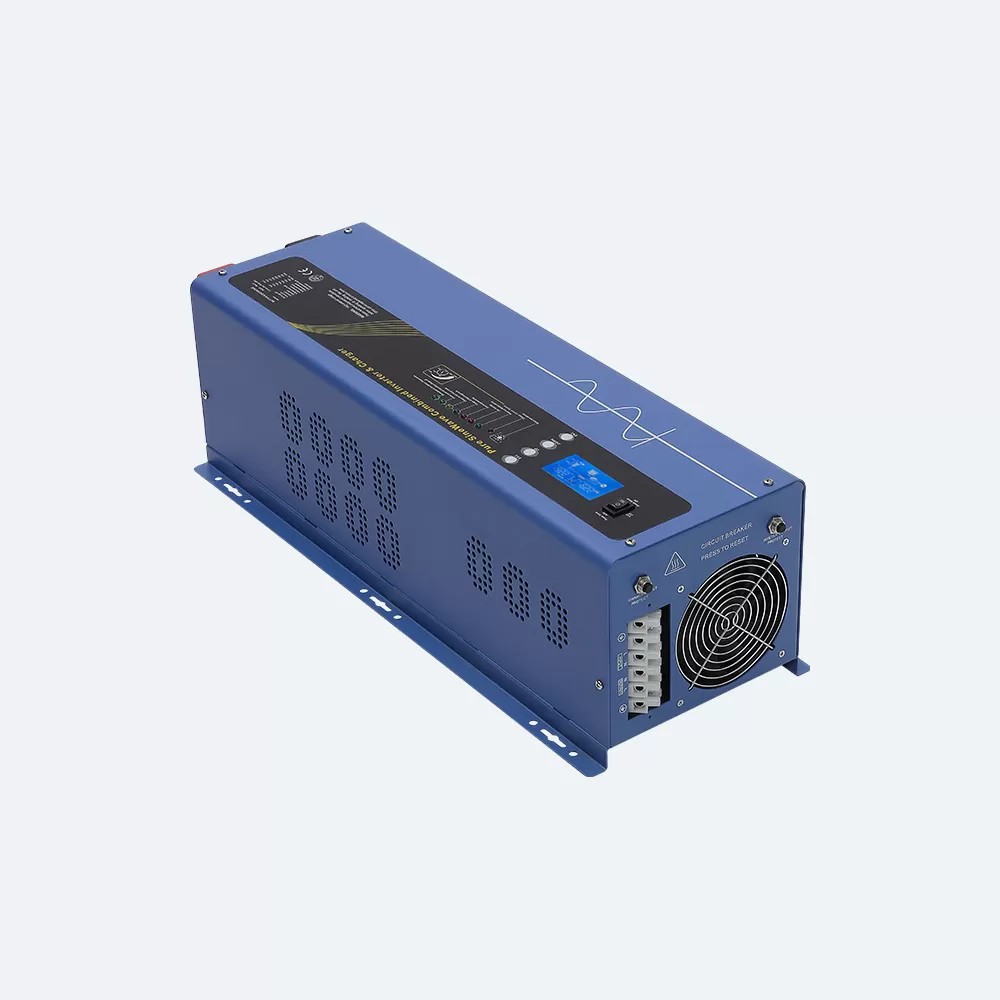
Noise is another important factor for users. In 2026, about 70% of users reported that high - quality low - frequency pure sine wave inverters produced relatively low noise. A user who installed an inverter in his bedroom for emergency power found that the noise level was so low that it did not disturb his sleep.
Practical Suggestions
Look for inverters with advanced noise - reduction technology. Some inverters are designed with special cooling fans and insulation materials to minimize noise.Place the inverter in a location away from living areas if possible. For example, you can install it in a basement or a utility room.
4. Durability
Data and Cases
Based on user feedback, high - quality low - frequency pure sine wave inverters in 2026 had an average lifespan of about 10 - 15 years. A user who used an inverter for his RV reported that after 8 years of use, the inverter was still working perfectly, with only minor maintenance required.
Practical Suggestions
Choose inverters from well - known brands. These brands usually have better quality control and offer longer warranties.Follow the manufacturer's maintenance instructions. Regularly clean the inverter and check for any signs of damage.
5. Compatibility with Devices
Data and Cases
In 2026, about 90% of users reported that high - quality low - frequency pure sine wave inverters were compatible with a wide range of devices. A user who used an inverter to power his solar - powered water pump found that the inverter could work seamlessly with the pump, ensuring efficient water supply.
Practical Suggestions
Before purchasing an inverter, check the compatibility of your devices. Some sensitive electronics may require a pure sine wave output to function properly.If you have multiple devices with different power requirements, choose an inverter with multiple output ports.
In conclusion, high - quality low - frequency pure sine wave inverters in 2026 have received positive feedback from users in terms of power output, efficiency, noise level, durability, and compatibility. By following the practical suggestions provided in this article, you can make an informed decision when choosing and using a low - frequency pure sine wave inverter. Whether you need it for home backup power, mobile applications, or other purposes, a good inverter can provide reliable and stable power for your devices.